

Shop engine parts for classic Meriden Triumph motorcycles: pre-unit and unit 500 and 650 twins, oil-in-frame T120 and T140 750s, and T150/T160 Trident triples. The range includes:
- Hepolite, Hastings and Grant pistons and rings
- G&S and Kibblewhite valves, guides and springs
- camshafts, cam bushes and tappets
- crank bearings and big-end shells
- cylinder barrels and heads
- Aerco 650-to-750 big-bore kits
- gasket sets and year-specific engine bolt kits
Triumph engines changed a great deal between 1937 and 1983. Before you order, confirm your engine number, model, year, capacity and era (pre-unit, unit or oil-in-frame), and measure what’s worn. The guide below explains the history and the key things to watch for.
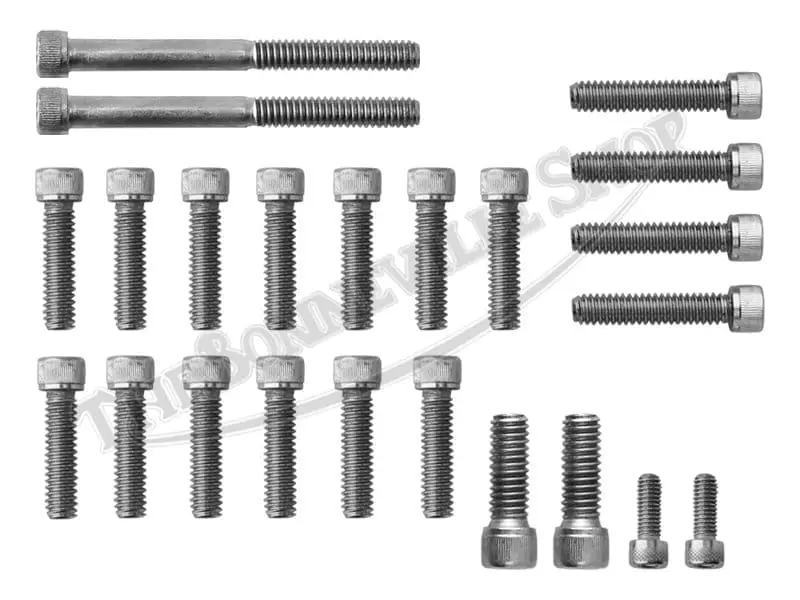
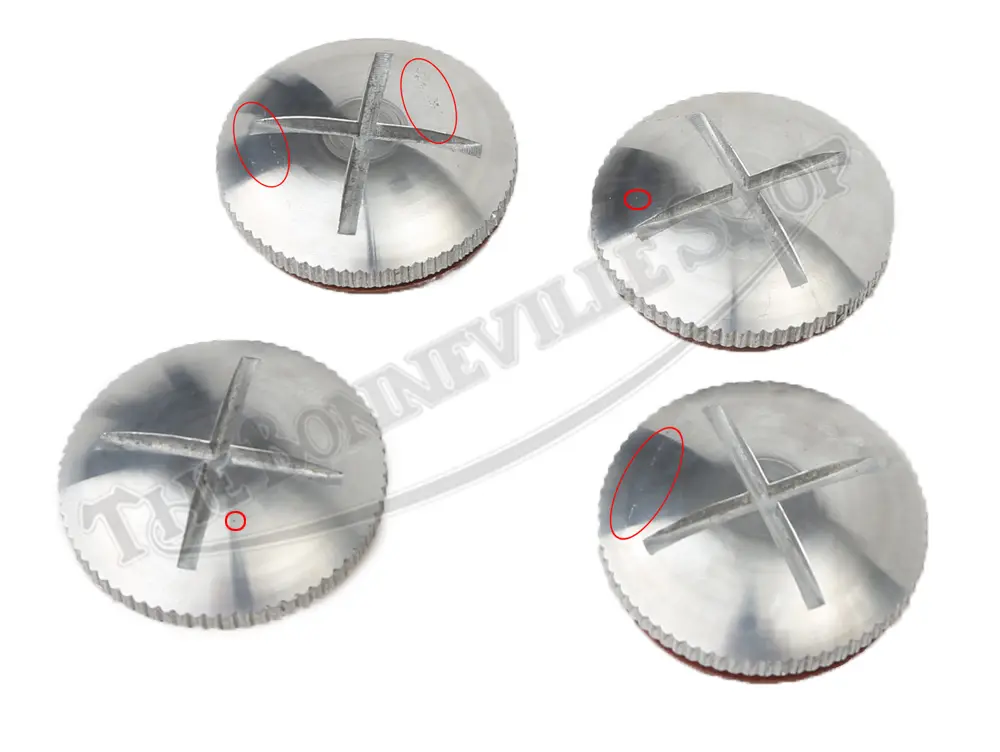
Triumph 350 500 650 Unit Twin Polished Valve Cover Set PN# 70-4610-2nd-3
Original price was: $61.66.$54.59Current price is: $54.59.
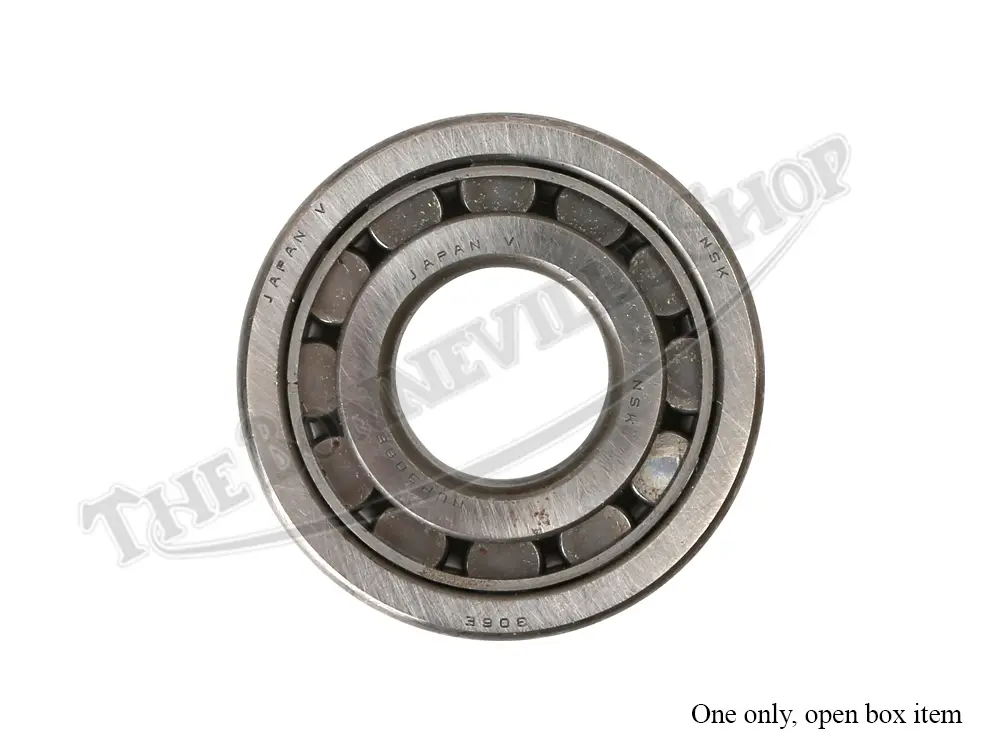
Triumph 650 ’66-72 & 750 ’73-76 Unit ’66-72 BSA A50 A65 Main Bearing NSK CN PN# 70-2879-CN-2nd
Original price was: $156.88.$141.19Current price is: $141.19.
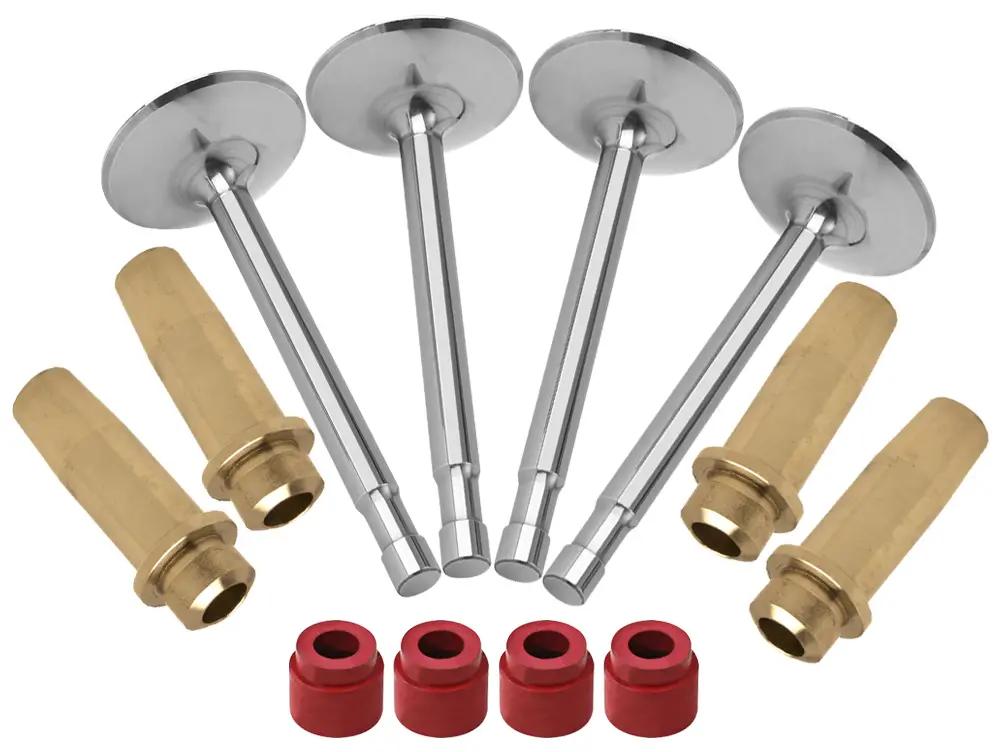
Triumph 650 750 G&S Valve and Kibblewhite Bronze Valve Guide Set Complete 1964-1978 PN# 70-2904 70-4603 71-3295 S
$239.22 – $266.42Price range: $239.22 through $266.42
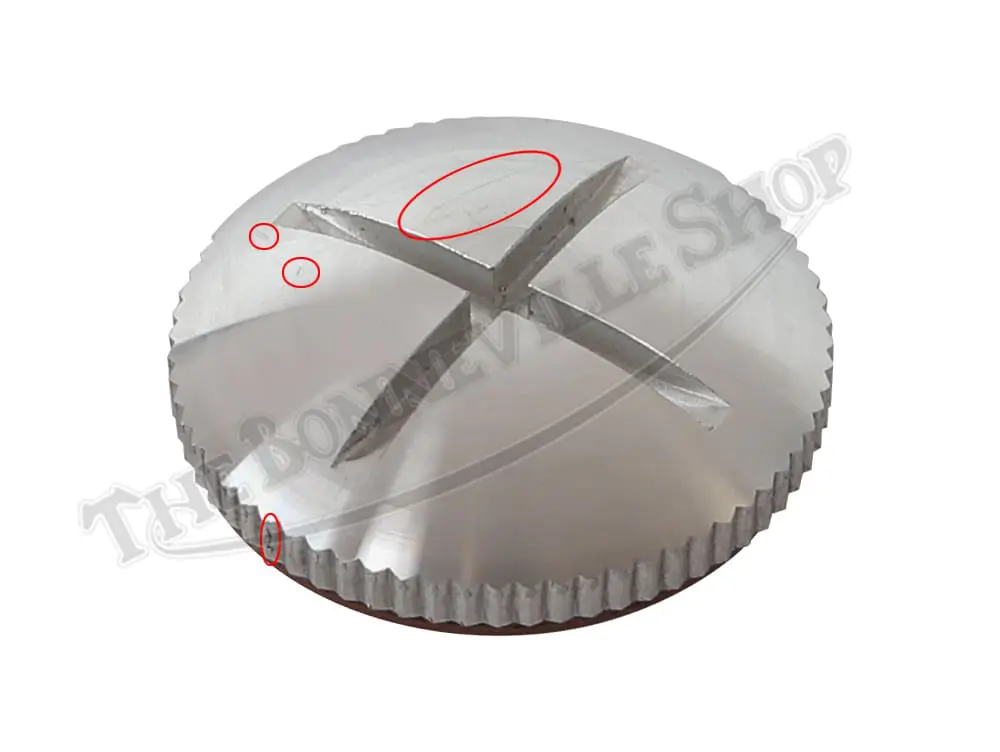
Triumph 350 500 650 Unit Twin Polished Valve Cover (1) PN# 70-4610-2nd
Original price was: $15.42.$13.10Current price is: $13.10.
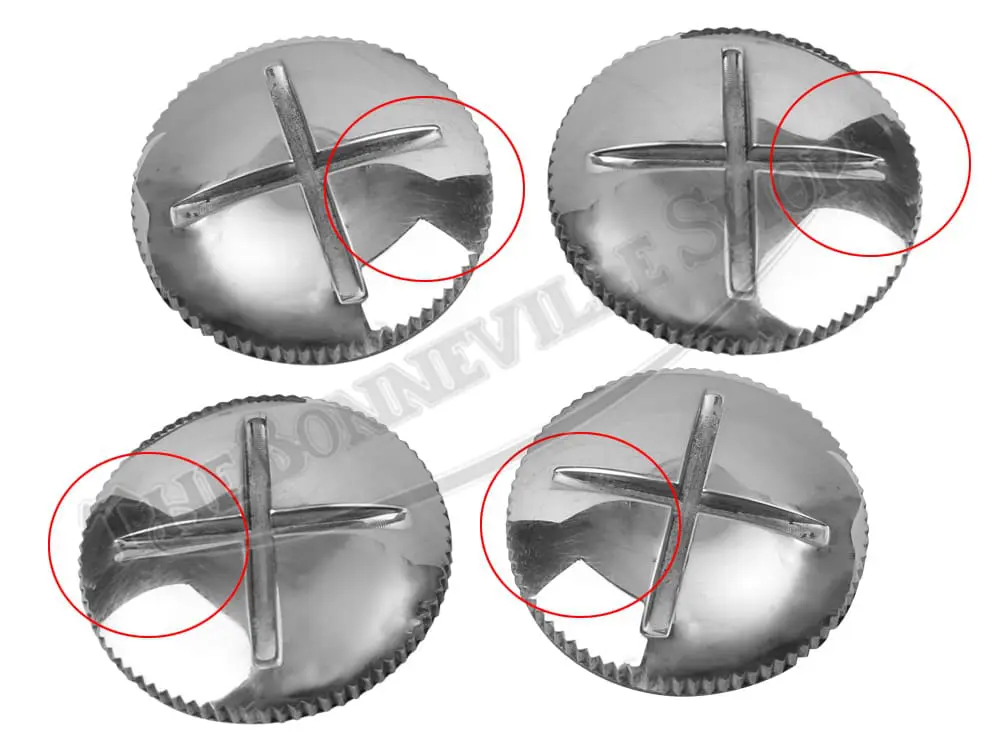
Triumph 350 500 650 Unit Twin Polished Valve Cover Set PN# 70-4610-2nd-2
Original price was: $61.66.$54.59Current price is: $54.59.
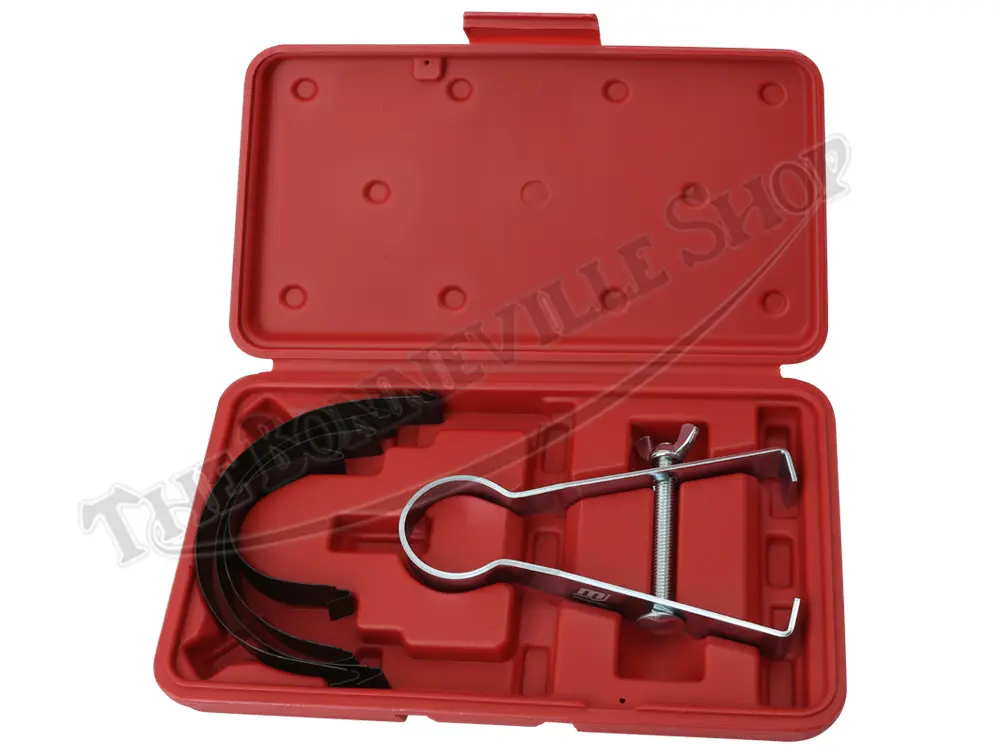
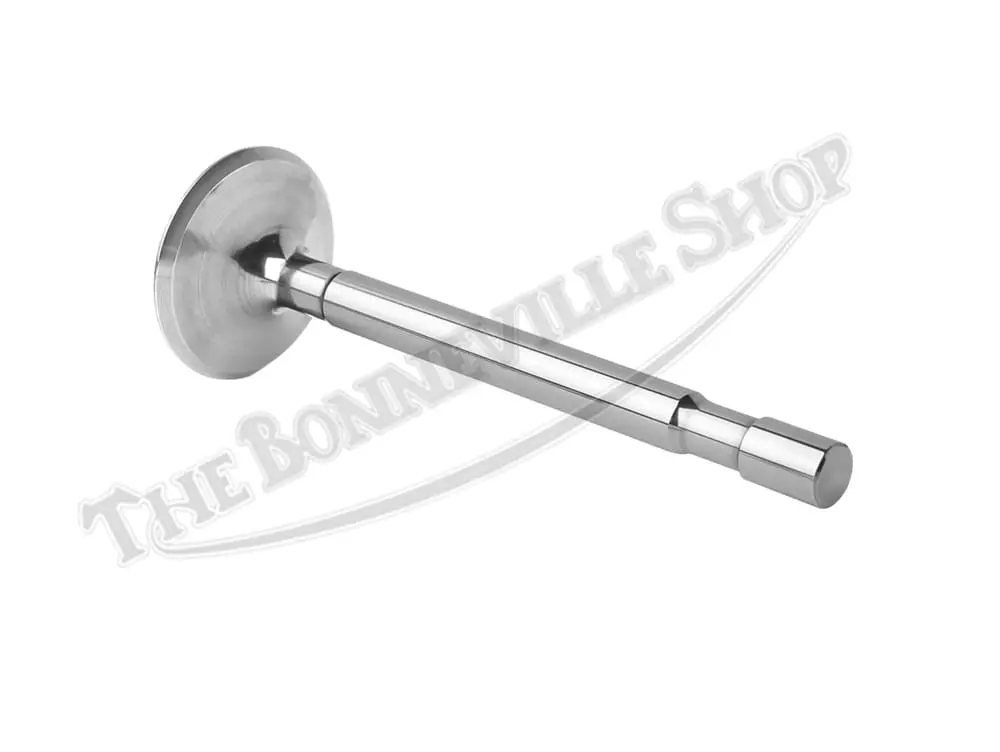
Triumph 750 T150 BSA A75 Exhaust Valve G&S UK-Made 1969-1972 PN# 70-6423 GS E6423 V271
$49.14 – $139.54Price range: $49.14 through $139.54
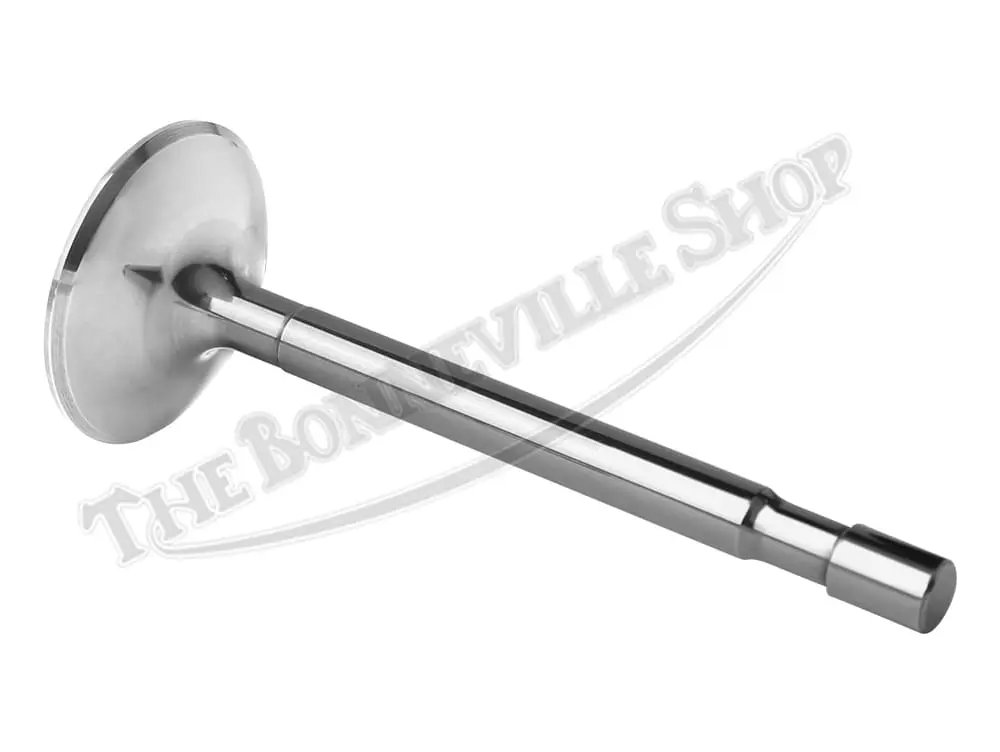
Triumph 750 T150 BSA A75 Inlet Valve G&S UK-Made 1969-1972 PN# 70-6422 GS E6422 V270
$49.14 – $139.54Price range: $49.14 through $139.54
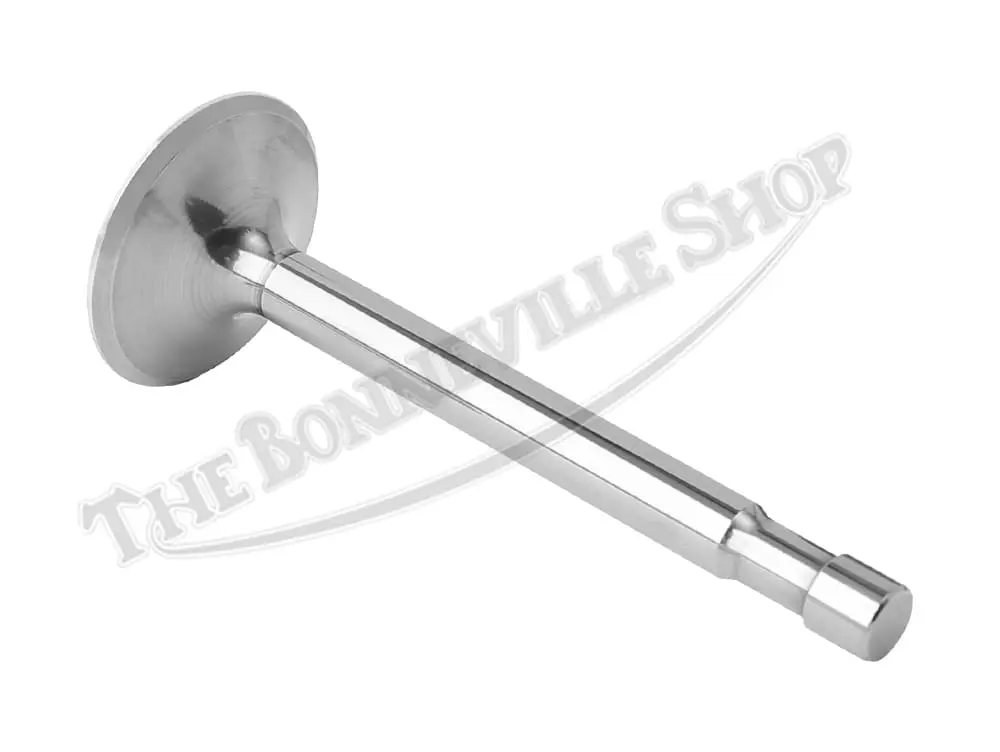
Triumph 500 T100 Exhaust Valve G&S UK-Made 1959-1966 PN# 70-4013 GS E4013 V188
$48.43 – $93.73Price range: $48.43 through $93.73
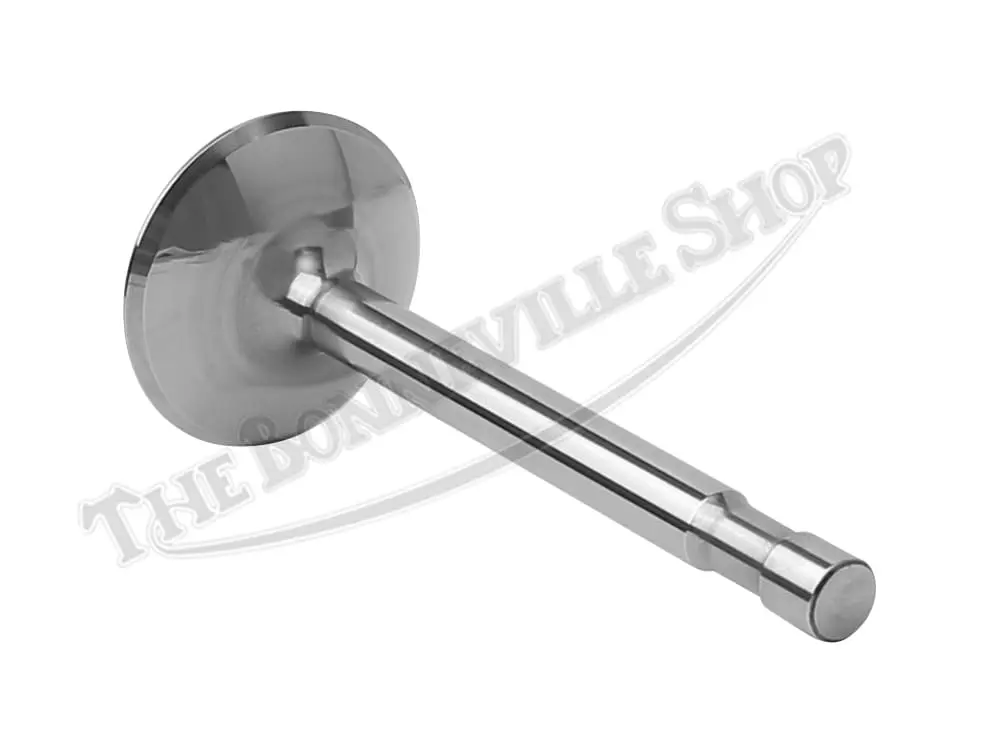
Triumph 500 T100 Inlet Valve G&S UK-Made 1959-1966 PN# 70-4012 GS E4012 V187
$44.15 – $85.36Price range: $44.15 through $85.36
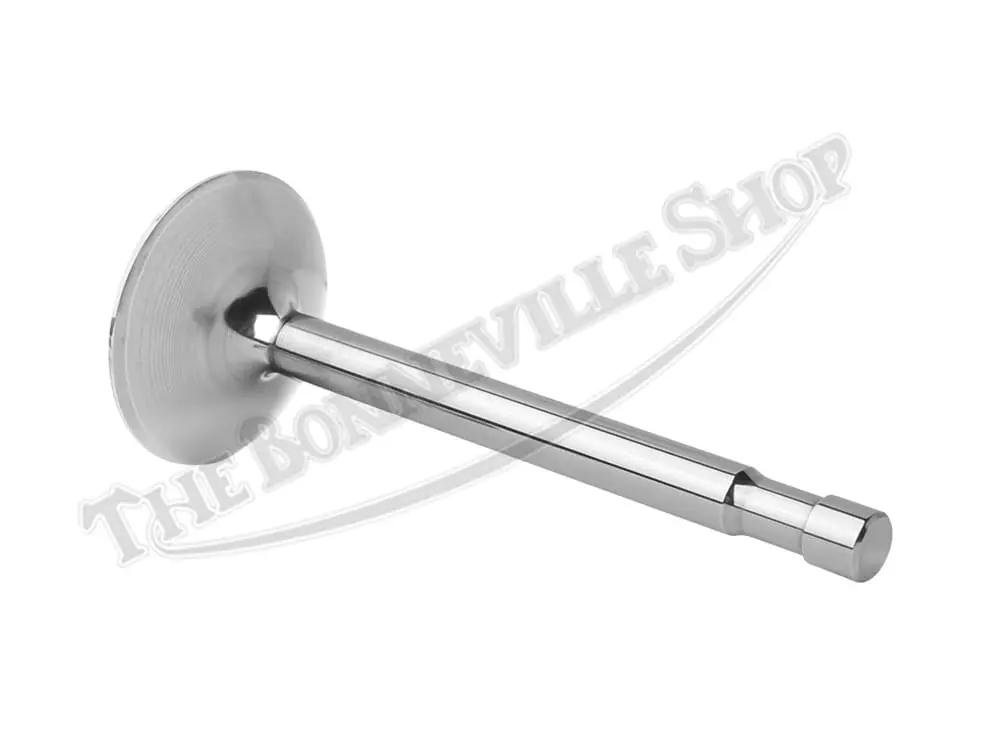
Triumph 650 6T TR6 T110 T120 Inlet Valve G&S UK-Made 1954-1965 PN# 70-3310 GS E3310 V137
$44.15 – $85.36Price range: $44.15 through $85.36
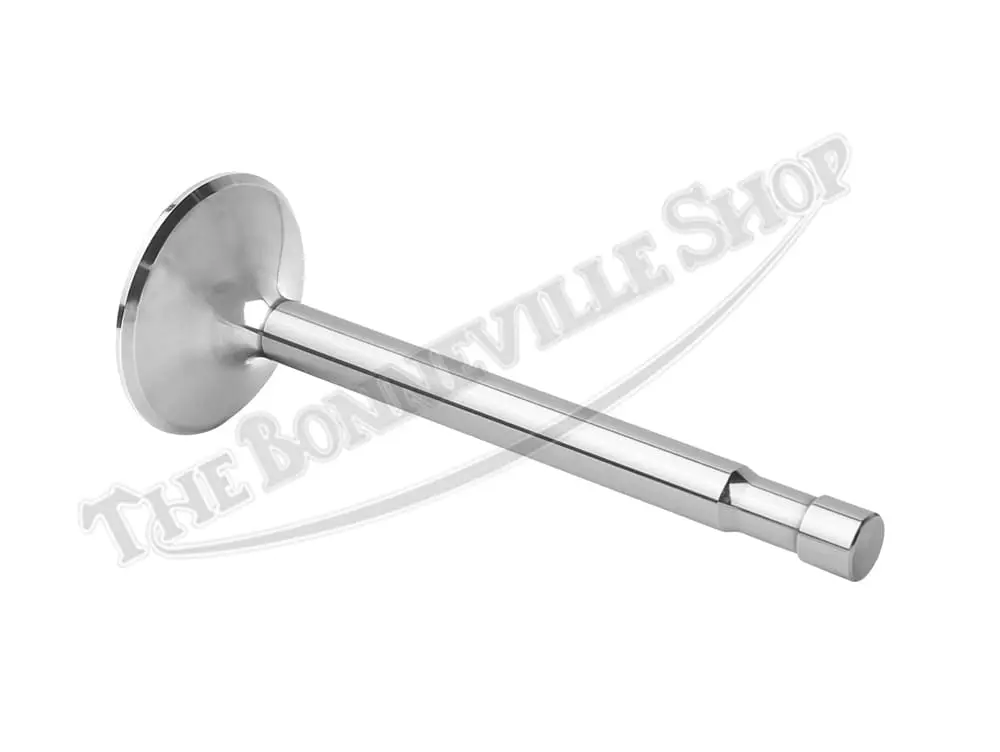
Triumph 650 6T TR6 T110 T120 Exhaust Valve G&S UK-Made 1958-1965 PN# 70-3927 GS E3927 V138
$48.43 – $93.73Price range: $48.43 through $93.73
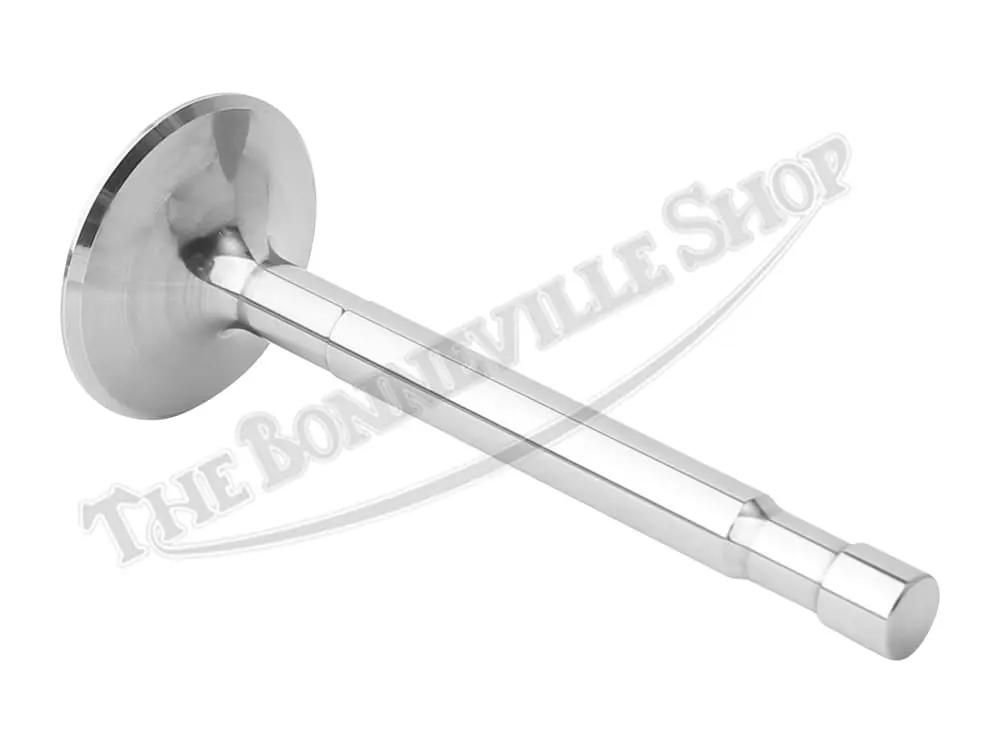
Triumph 500 T100 TR5T Exhaust Valve G&S UK-Made 1967-1974 PN# 70-6854 GS E6854 V266
$48.43 – $93.73Price range: $48.43 through $93.73
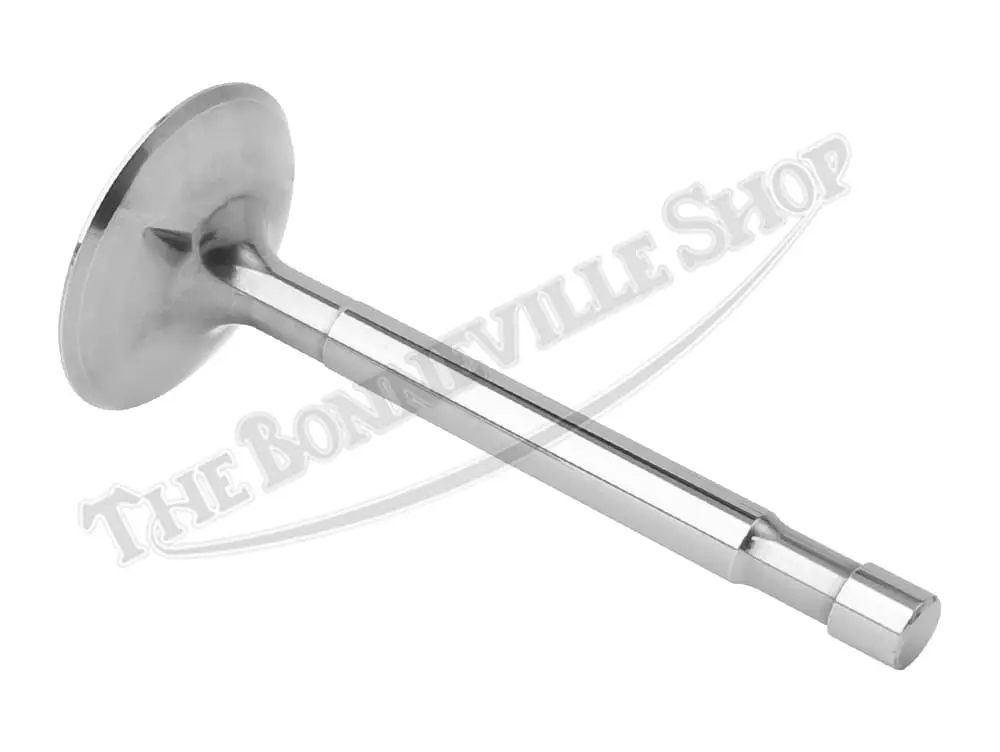
Triumph 500 T100 TR5T Inlet Valve G&S UK-Made 1967-1974 PN# 70-6853 GS E6853 V265
$44.15 – $85.36Price range: $44.15 through $85.36
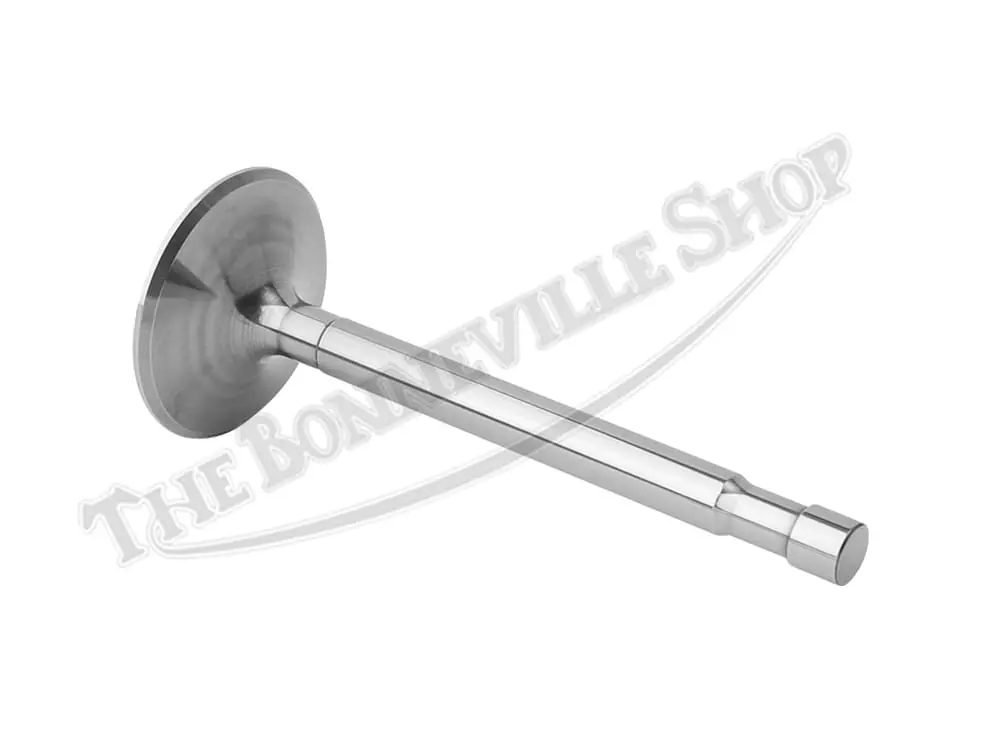
Triumph 650 750 Exhaust Valve G&S UK-Made 1966-1983 PN# 70-2904 GS E2904 V24
$48.43 – $105.28Price range: $48.43 through $105.28
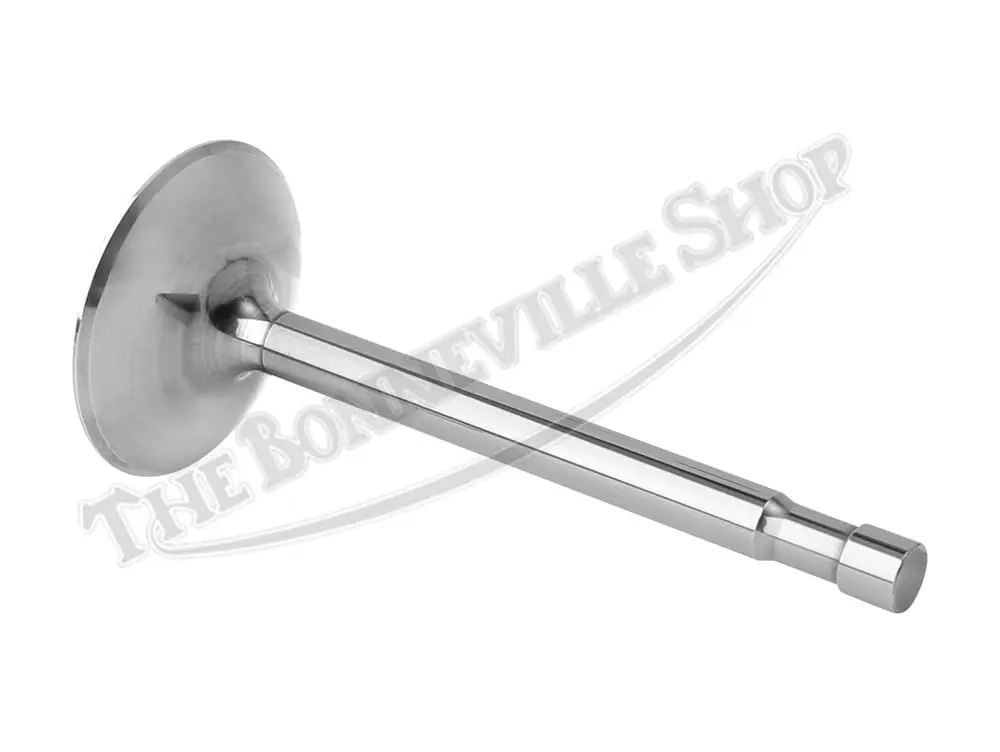
Triumph 650 750 Inlet Valve G&S UK-Made 1966-1983 PN# 70-4603 GS E4603 V245
$44.15 – $105.28Price range: $44.15 through $105.28
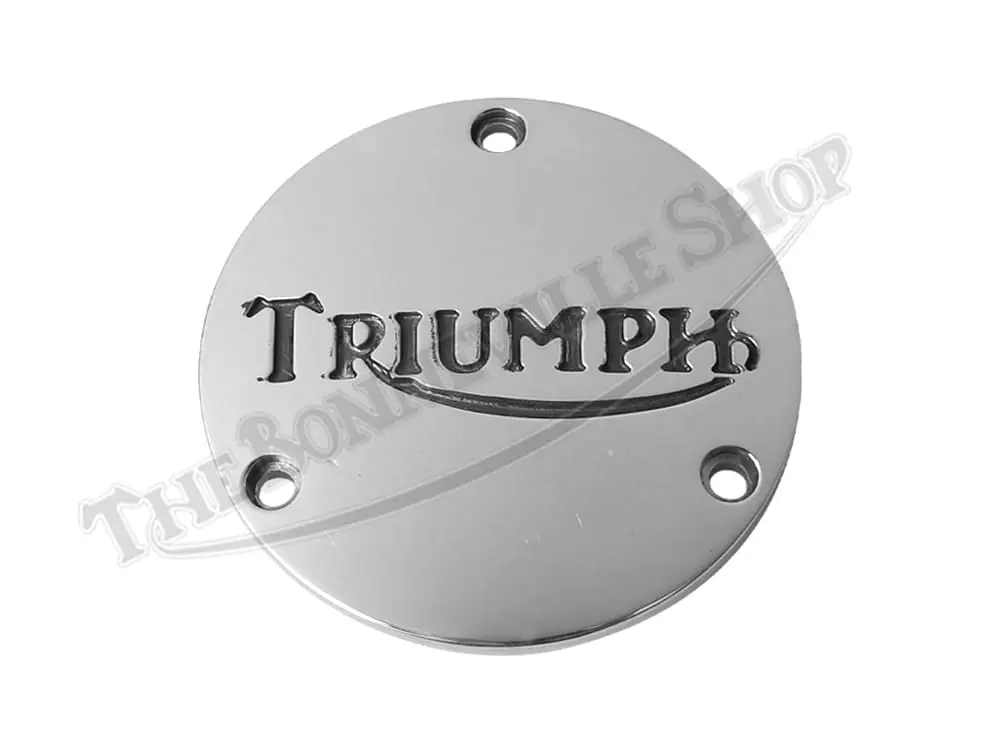
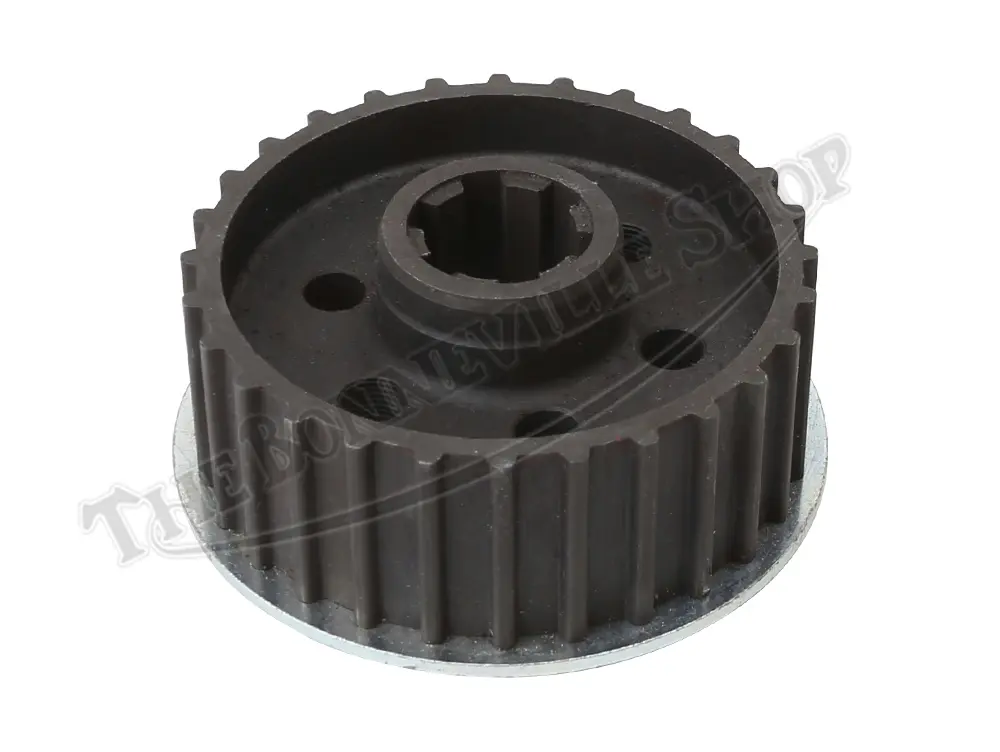
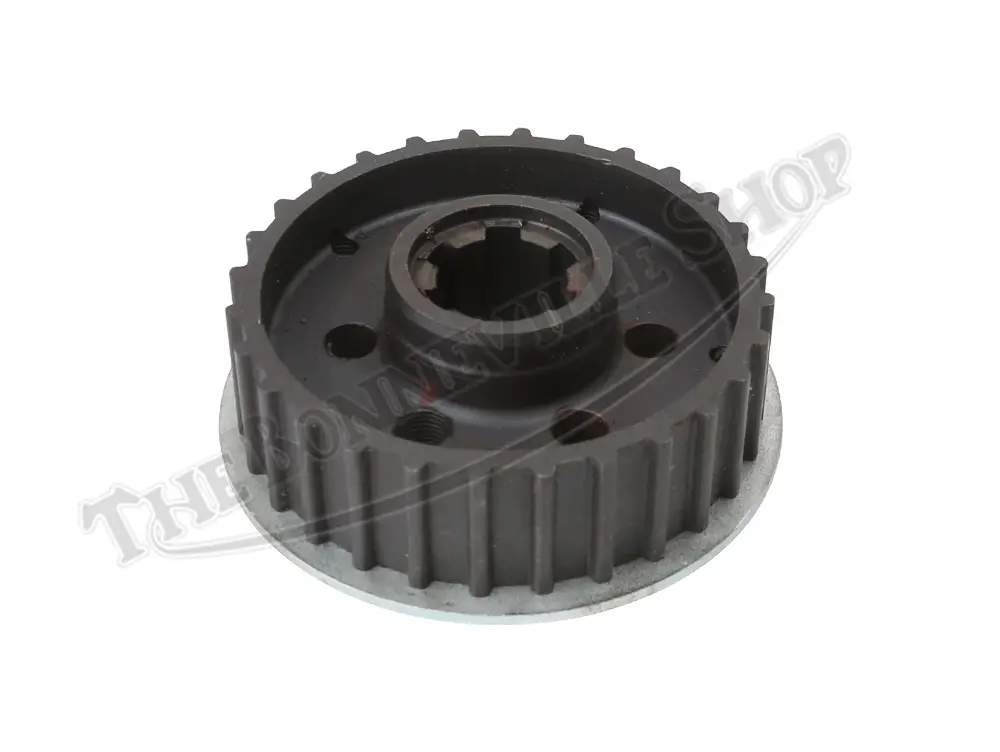
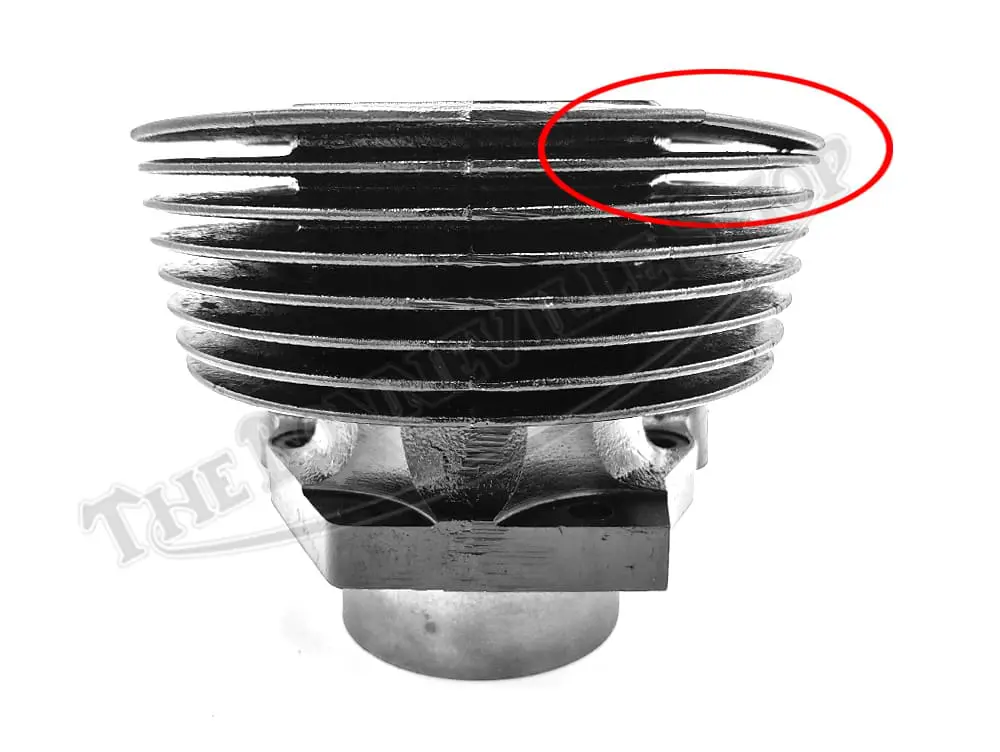
Triumph 650 To 750 Morgo Routt Type Big Bore Kit 1963-72 PN# TBS-0150-2nd
Original price was: $936.55.$796.45Current price is: $796.45.
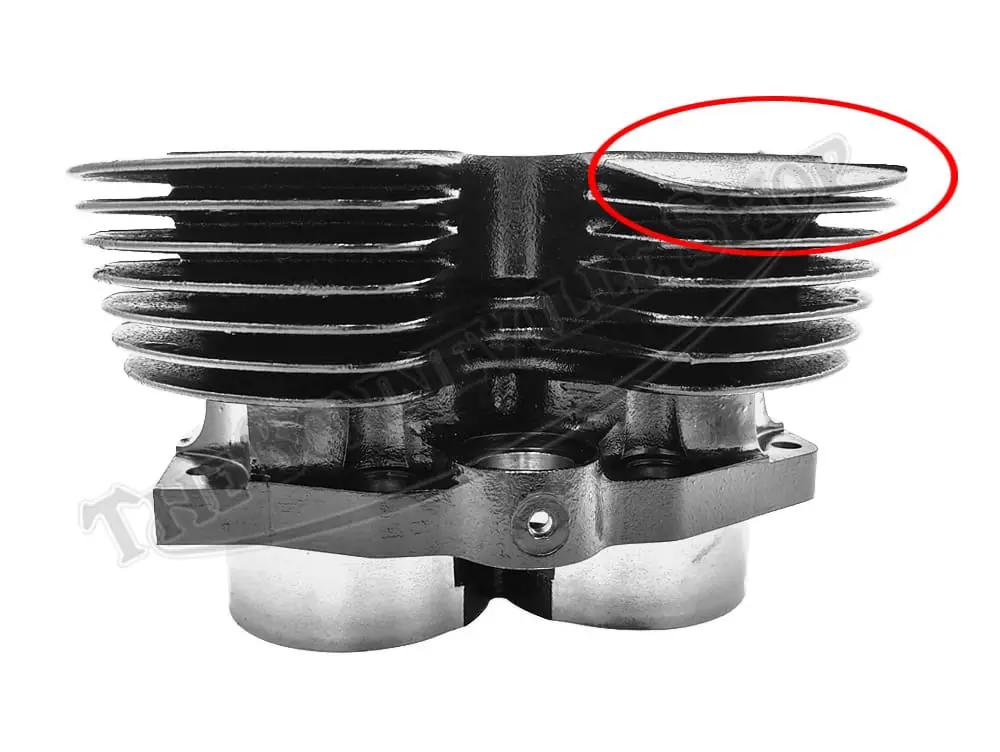
Triumph 750 T140 Bonneville TR7 Tiger 10-Hole Cylinder Barrel 1973-1980 UK-Made PN# 71-4005-2nd
Original price was: $712.21.$605.45Current price is: $605.45.
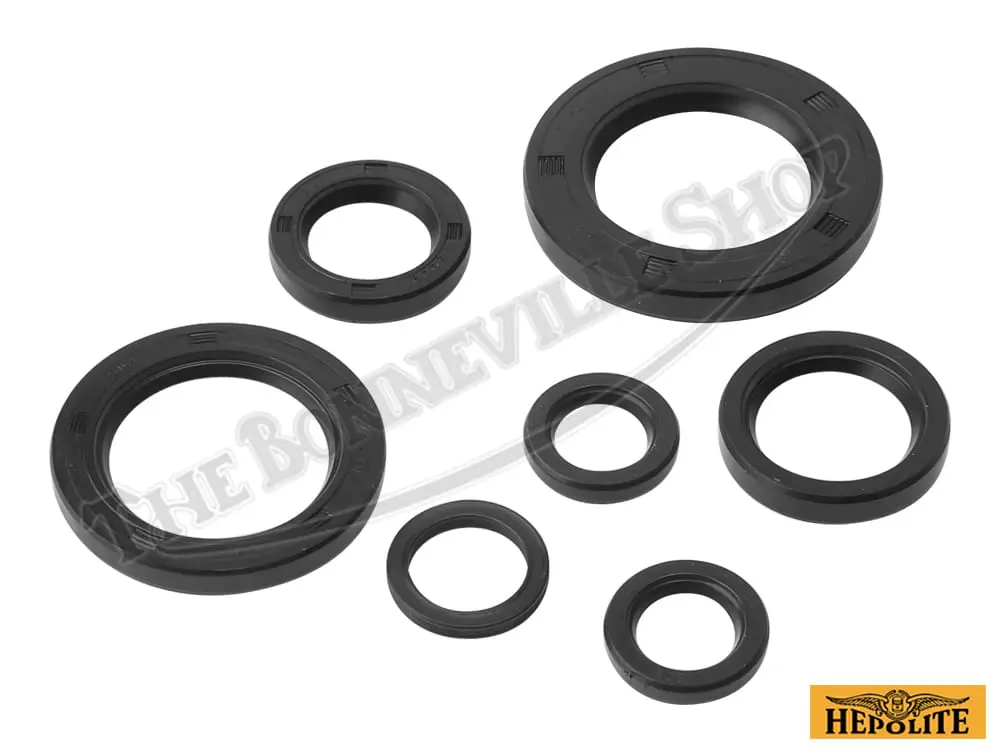
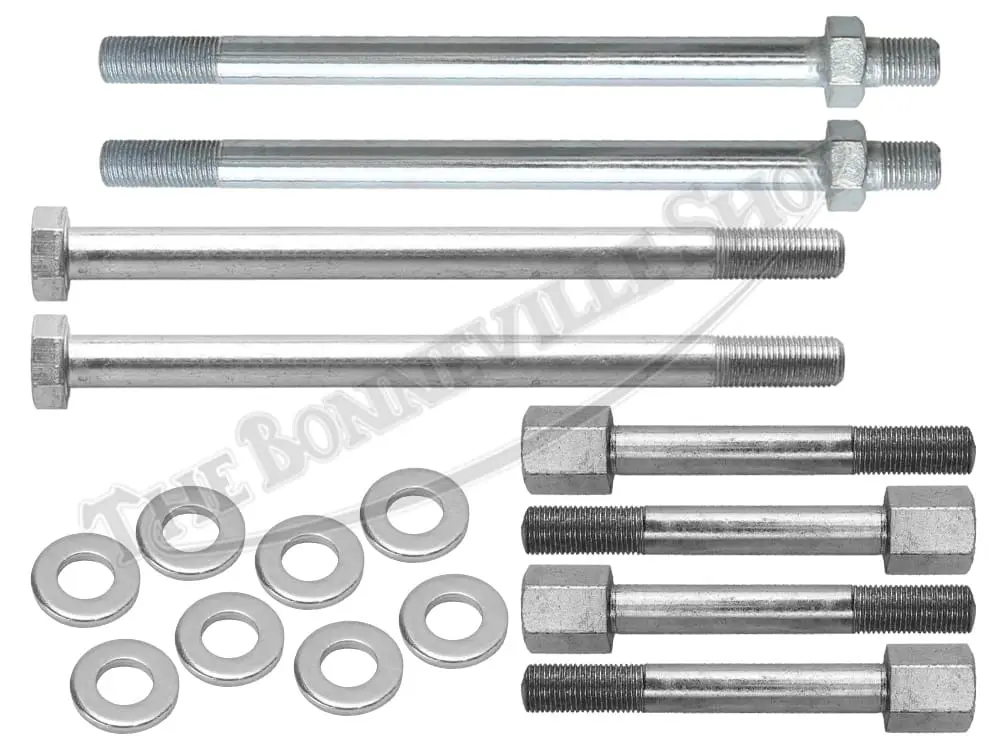
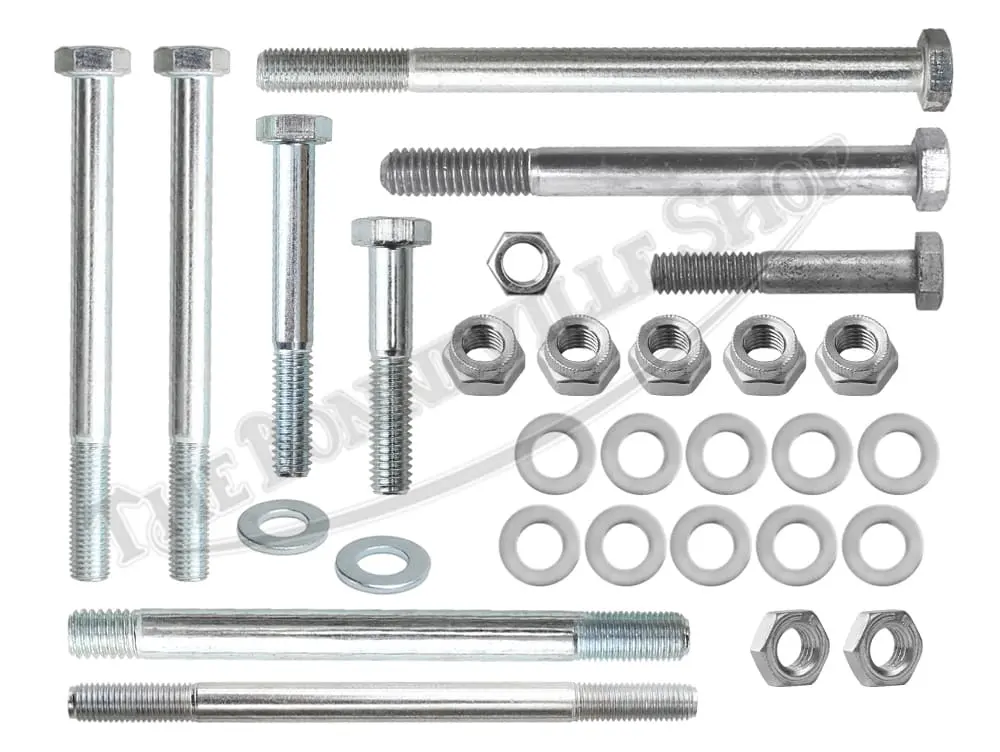
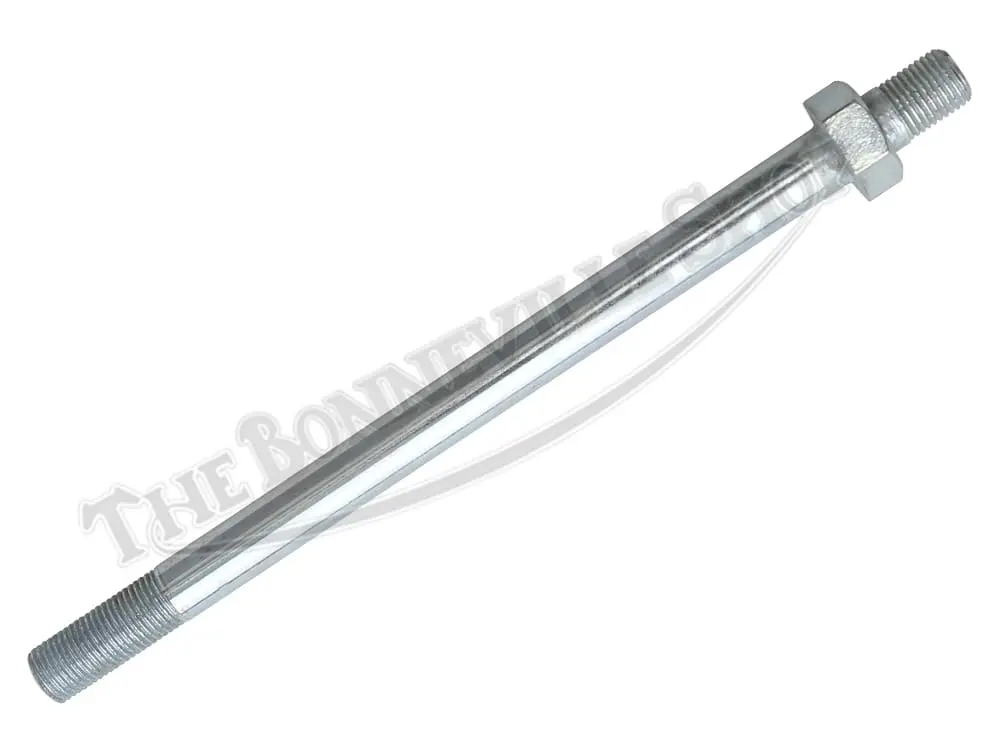
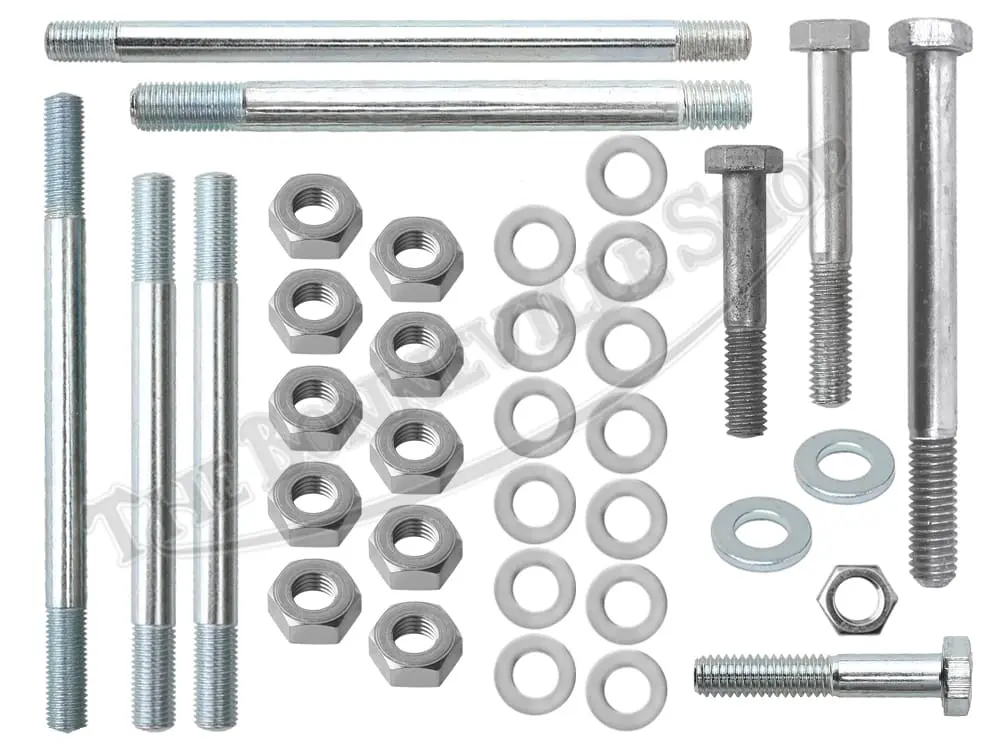
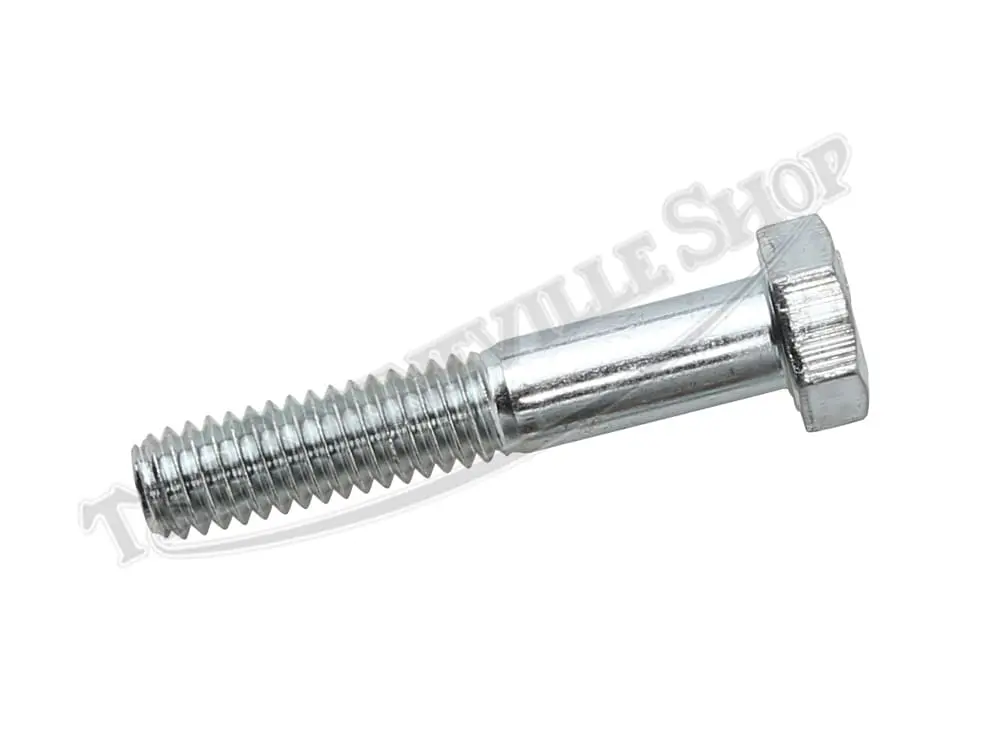
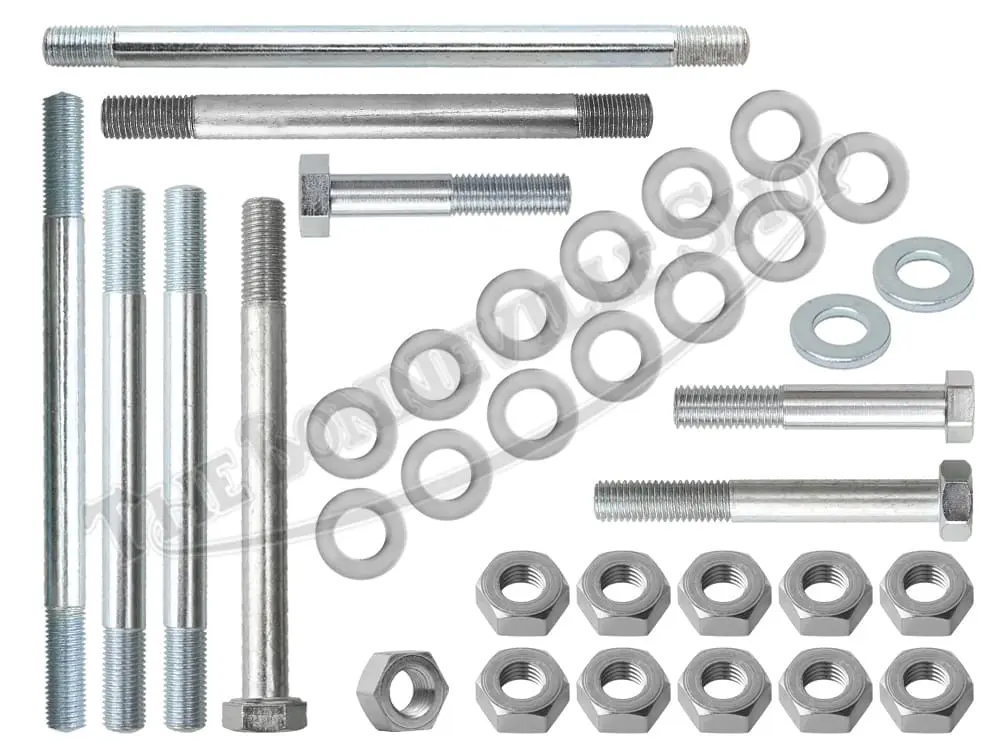
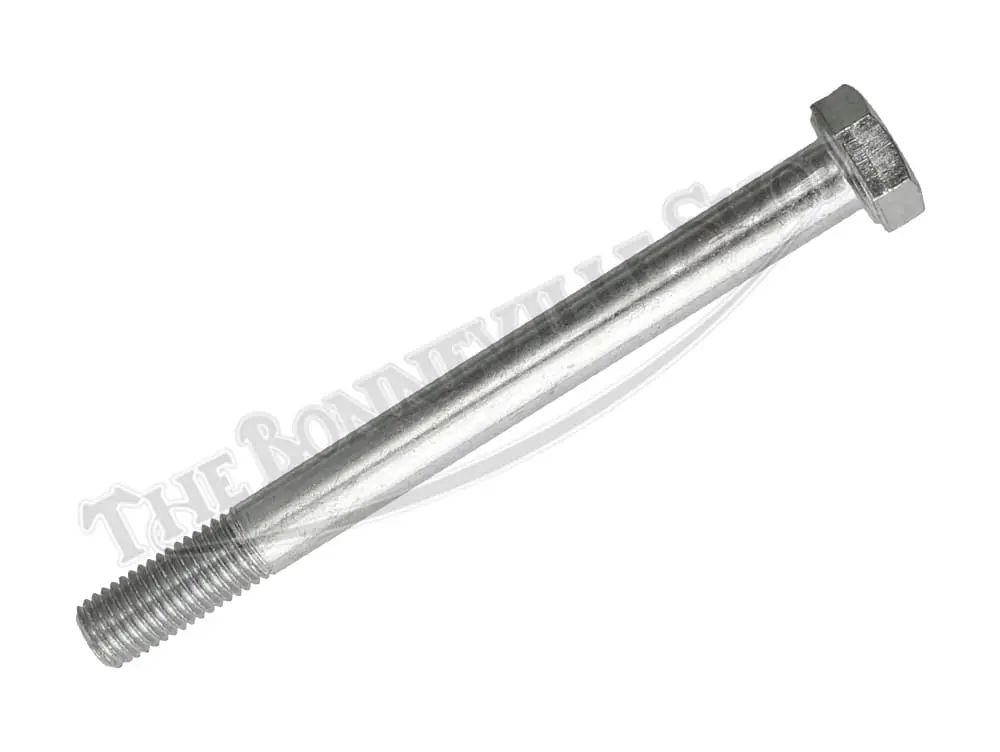
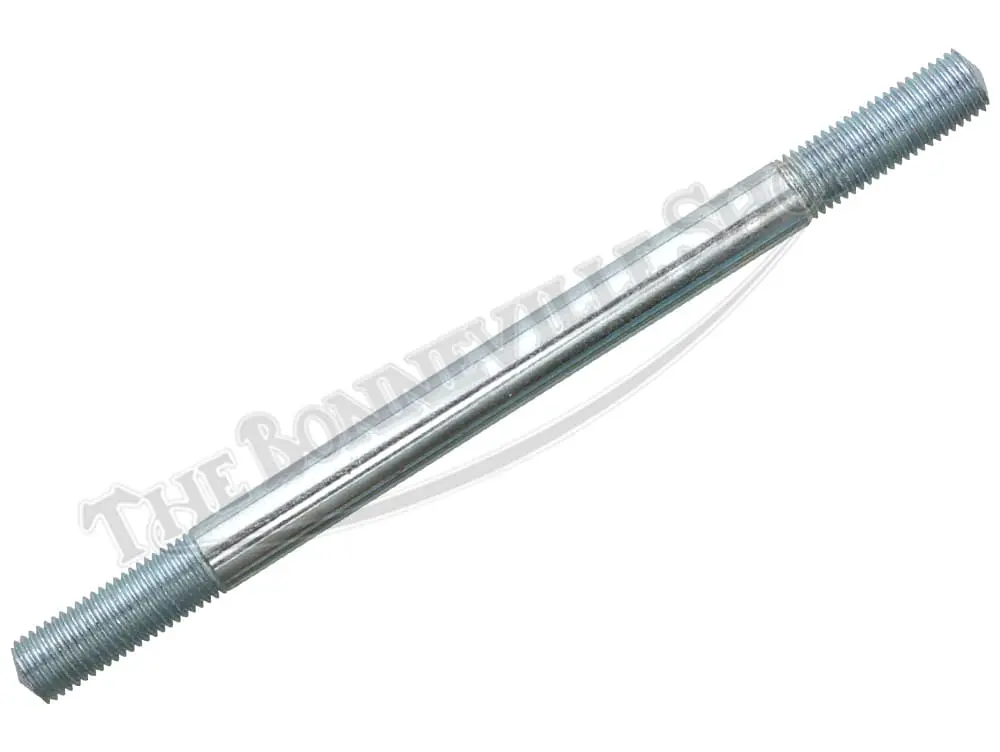
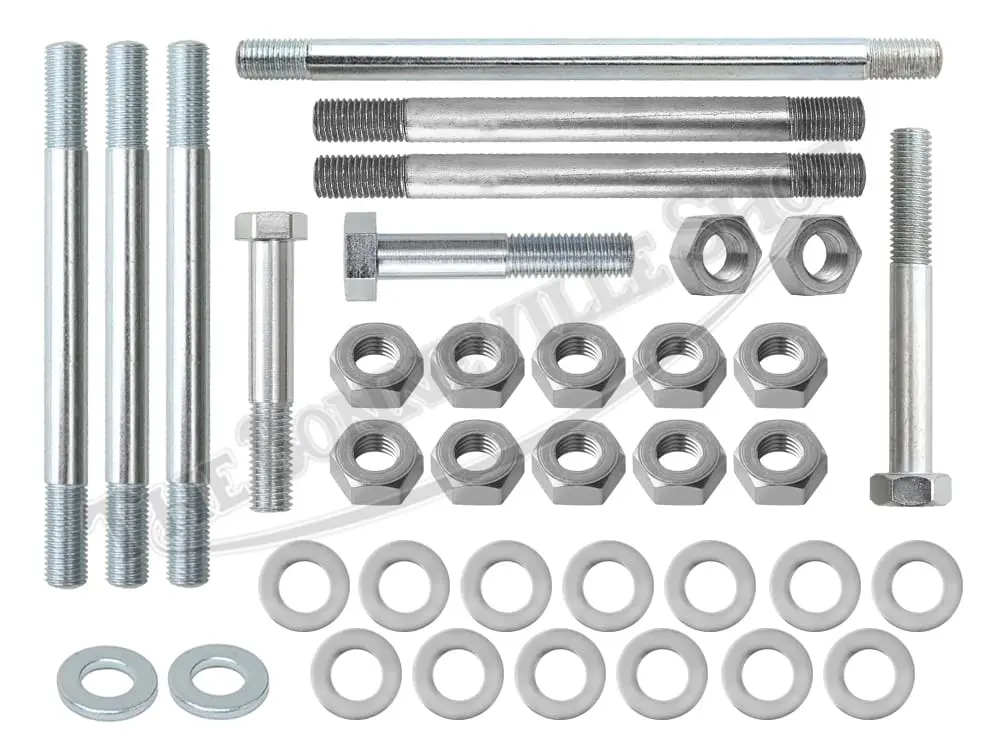
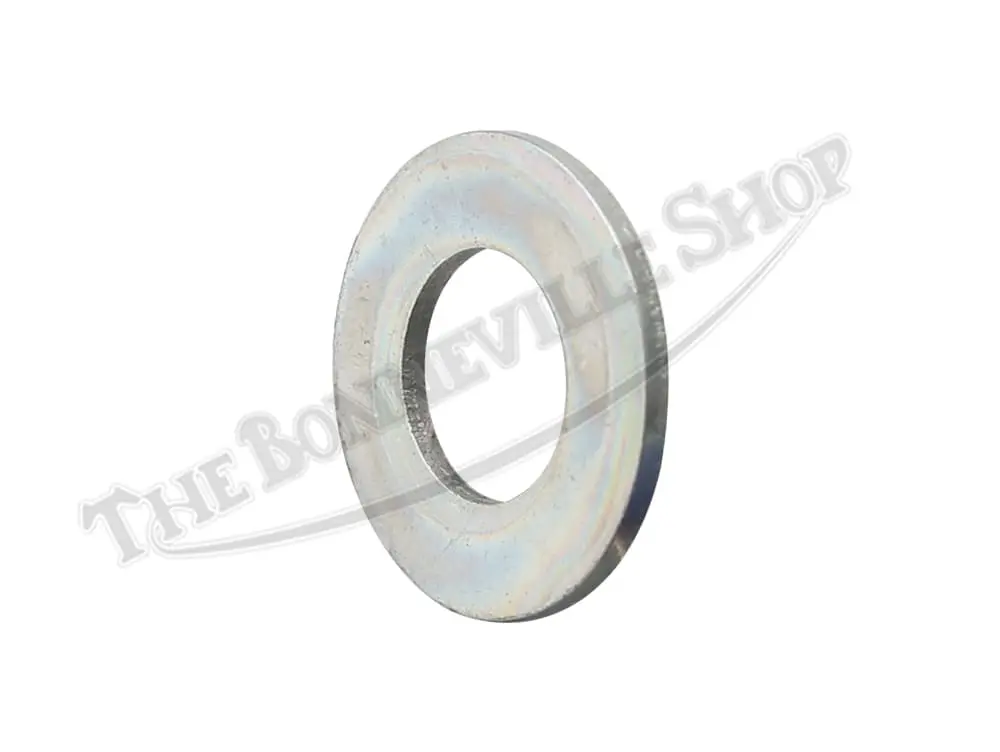
Triumph Engine/Frame Mount Flat Washer(s) PN# 60-2332
$5.73 – $8.29Price range: $5.73 through $8.29
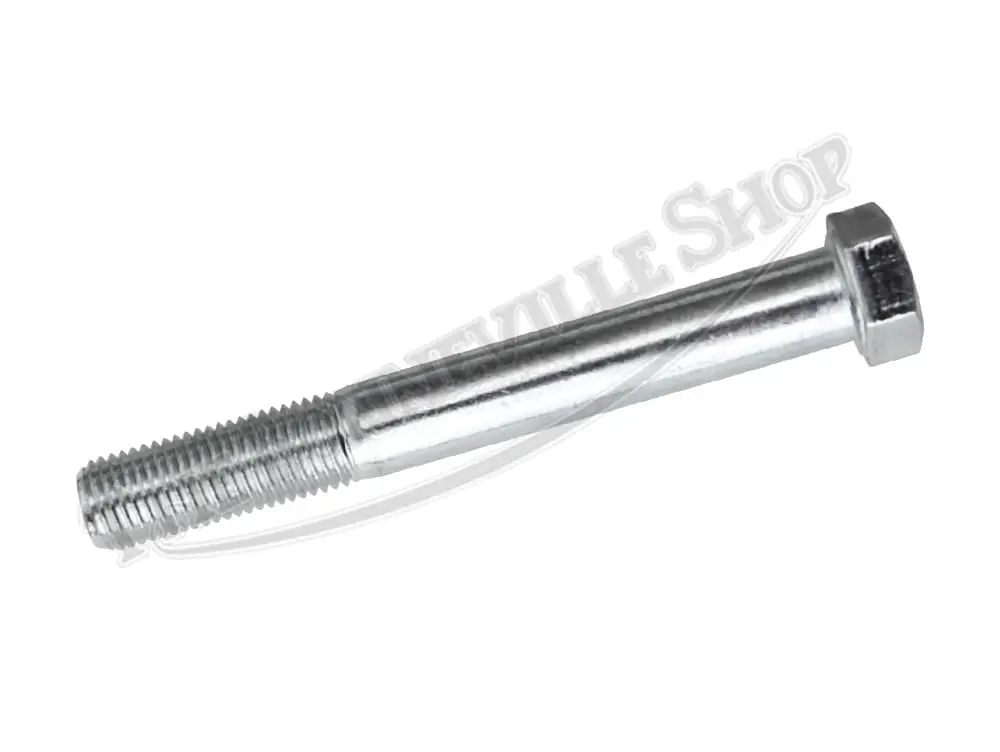
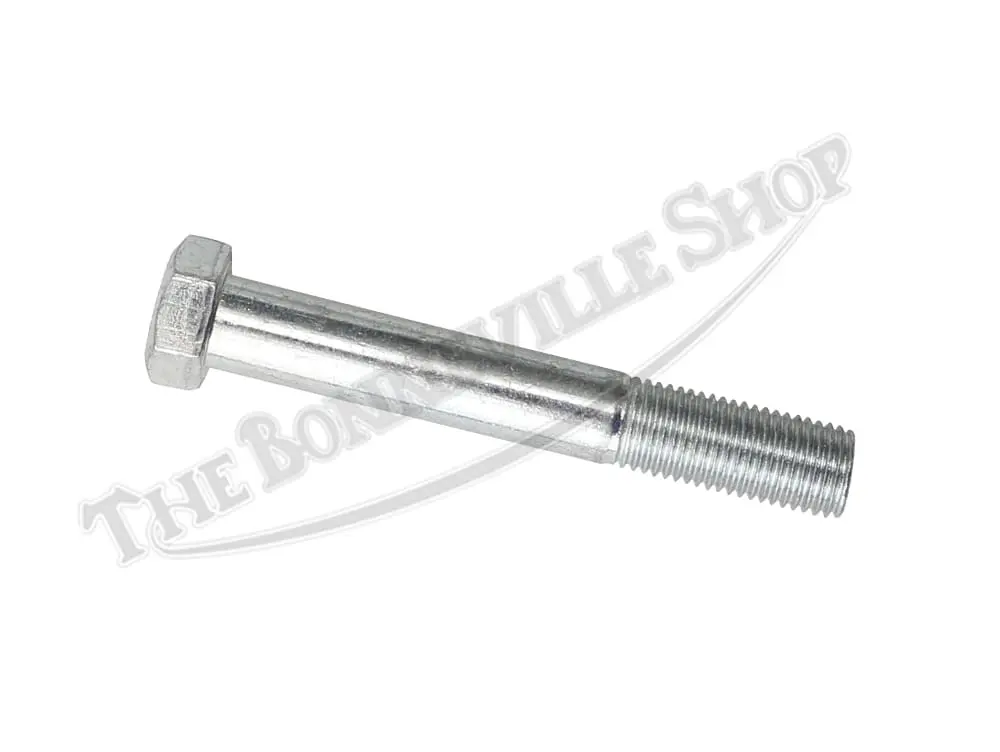
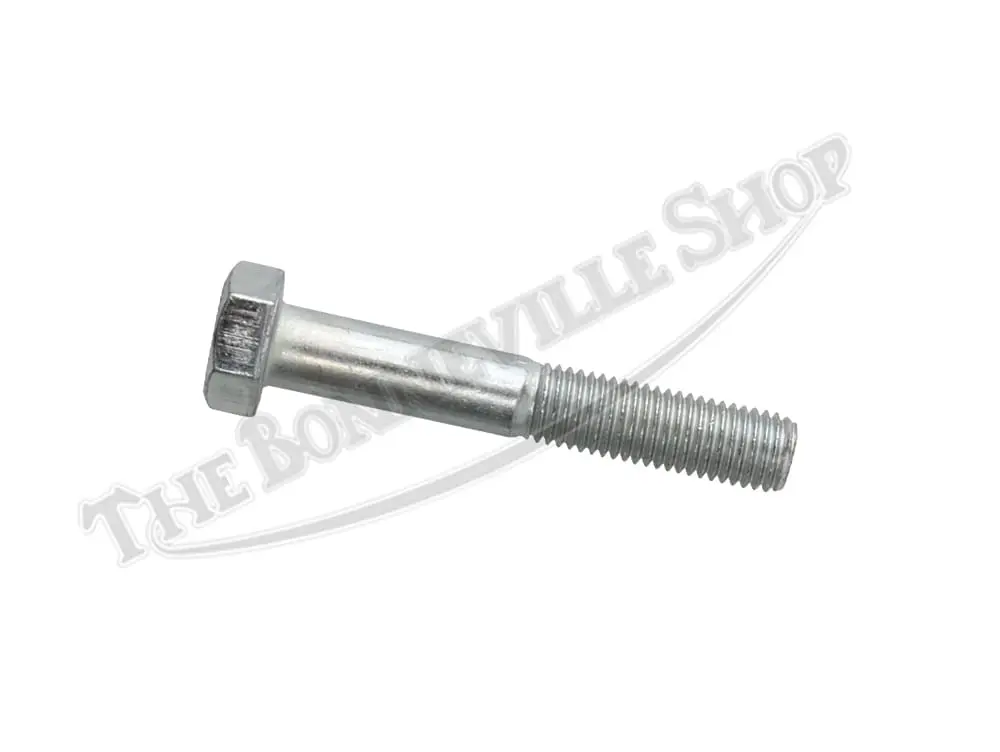
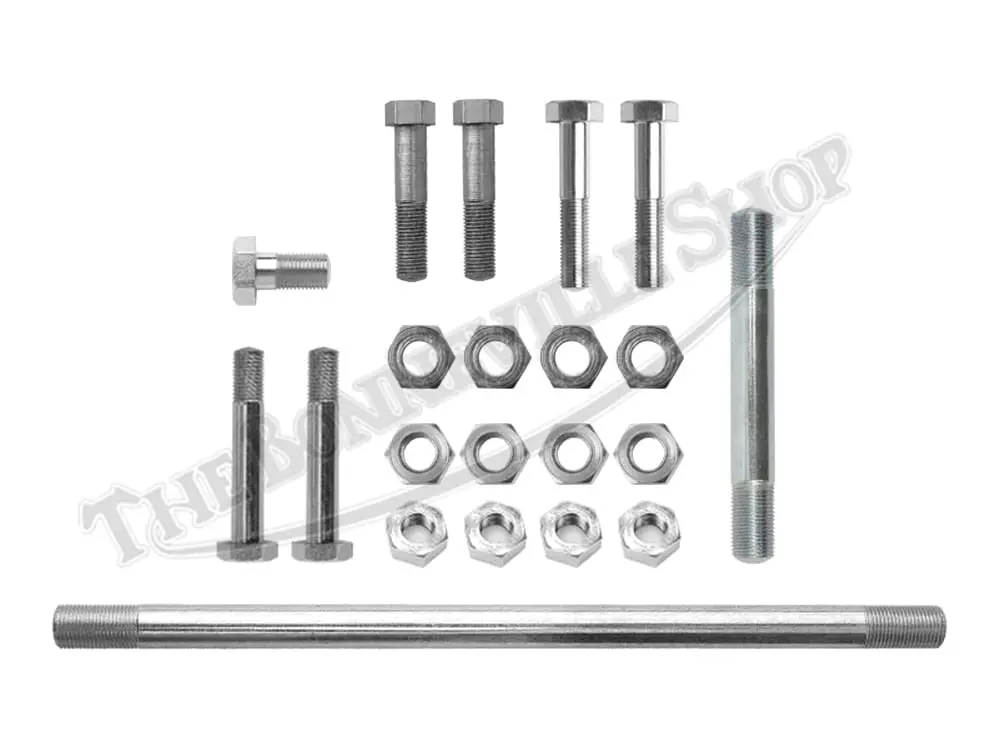
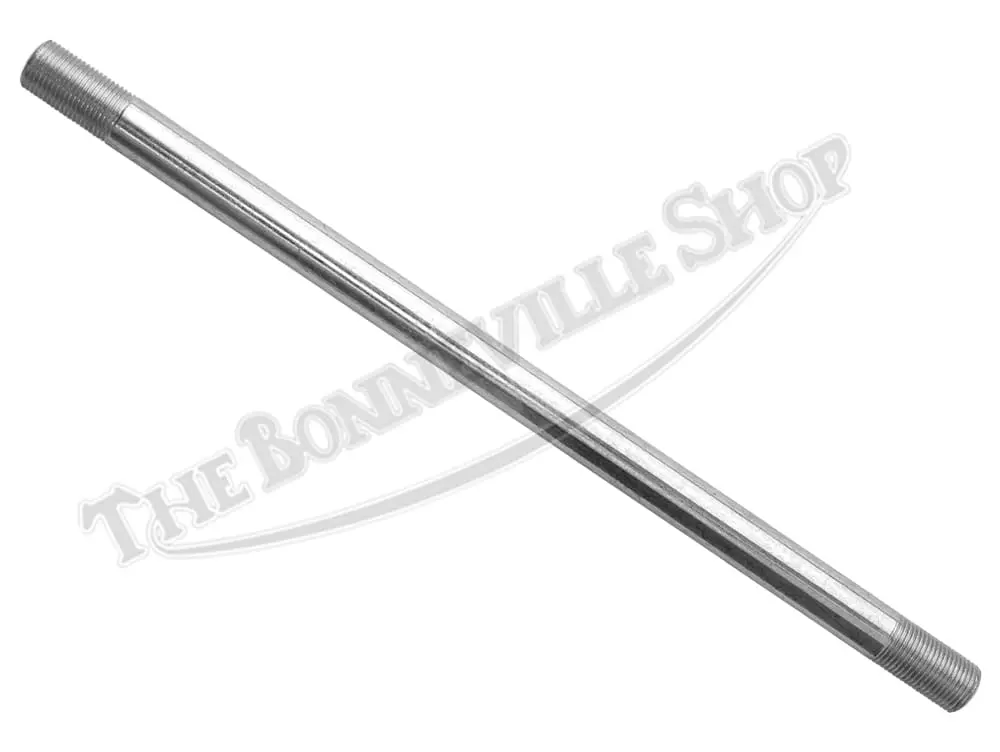
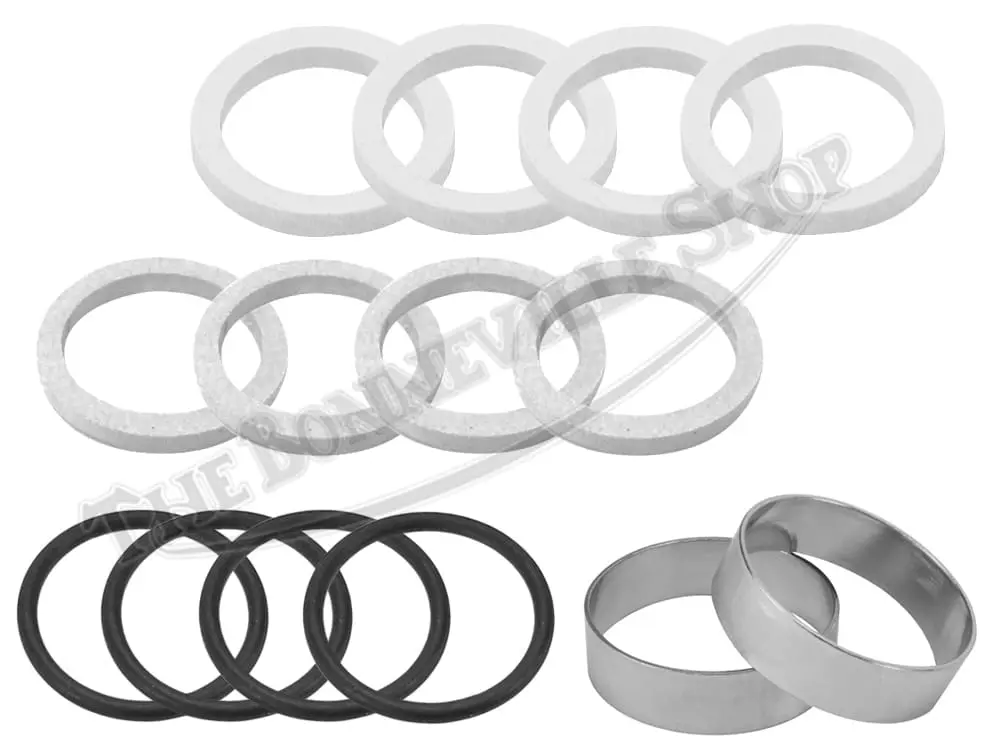
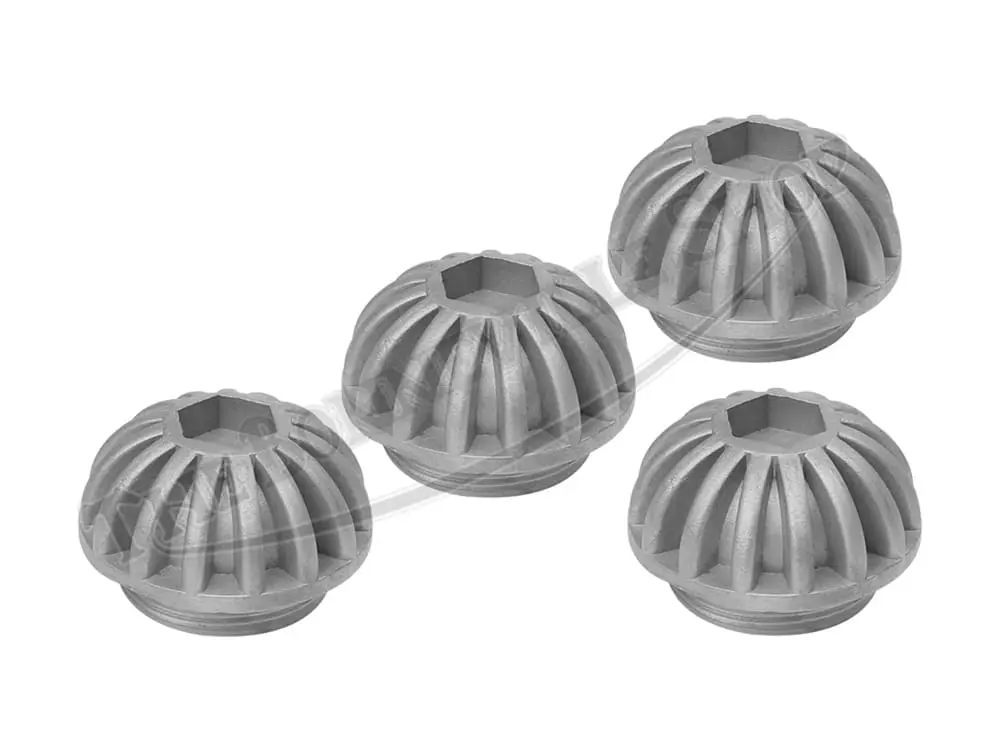


Triumph 650 750 Torque Stay Distance Piece(s) / Spacer(s) 1971-182 PN# 37-2338
$5.61 – $6.96Price range: $5.61 through $6.96

Triumph 500 T100 TR5T 69 mm Piston Ring Set PN# 70-6893 LH 99-3750
$38.56 – $44.01Price range: $38.56 through $44.01

Triumph 750 TR7 T140 76 mm Piston Ring Set PN# 71-3690 LH 99-3791
$56.49 – $58.39Price range: $56.49 through $58.39
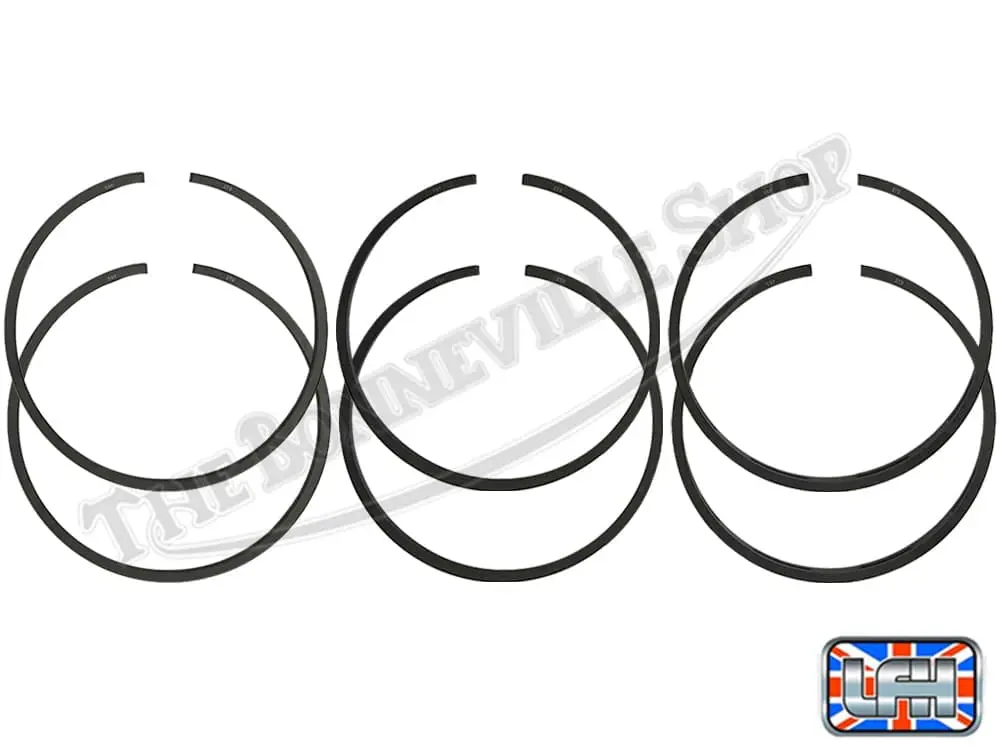
Triumph 650 TR6 T120 71 mm Piston Ring Set PN# 70-6865 LH 99-3784
$46.79 – $49.06Price range: $46.79 through $49.06

Triumph 500 T100 Late 69mm Piston Set Complete w/Grant Piston Rings 1967-74 PN# 70-6884 E6884 70-6893 70-6894 US
$101.09 – $134.94Price range: $101.09 through $134.94

Triumph 500 5TA T100 Early 69mm Piston Set Complete w/Grant Piston Rings 1958-66 PN# CP179 70-4021 E4021 70-6893 US
$188.24 – $212.33Price range: $188.24 through $212.33

Triumph 750 TR7 T140 76mm Piston Set Complete w/Grant Piston Rings PN# 71-3676 71-3690 71-3695 US
$118.28 – $138.73Price range: $118.28 through $138.73
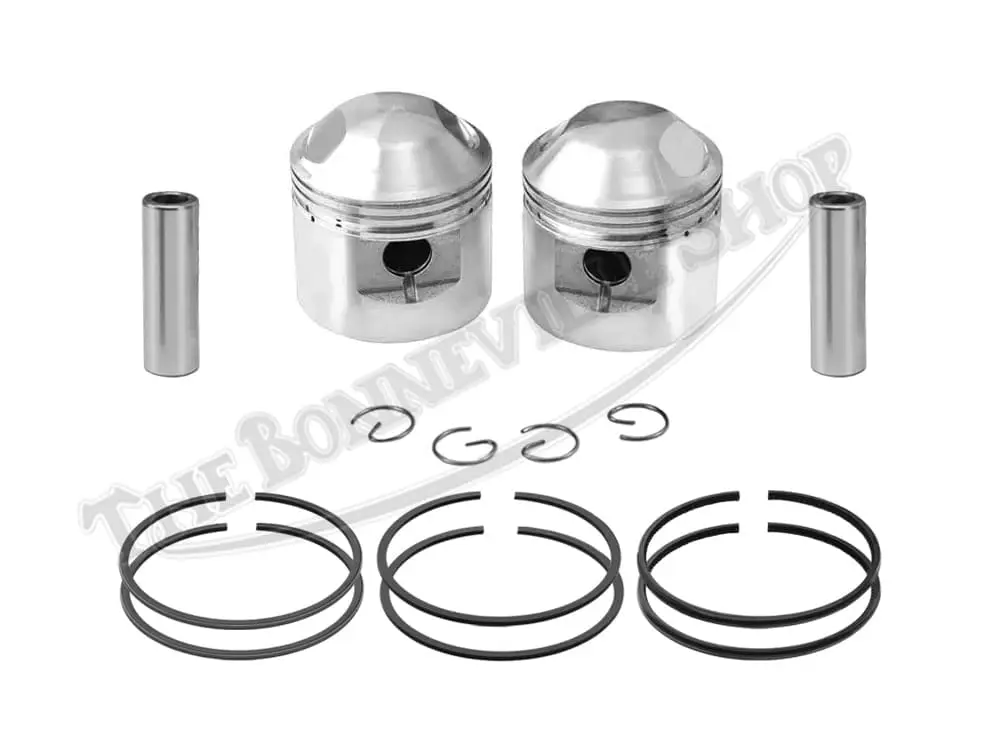
Triumph 650 TR6 T120 71mm Piston Set Complete w/Grant Piston Rings PN# 70-9488 E9488 70-6864 US
$118.00 – $137.60Price range: $118.00 through $137.60
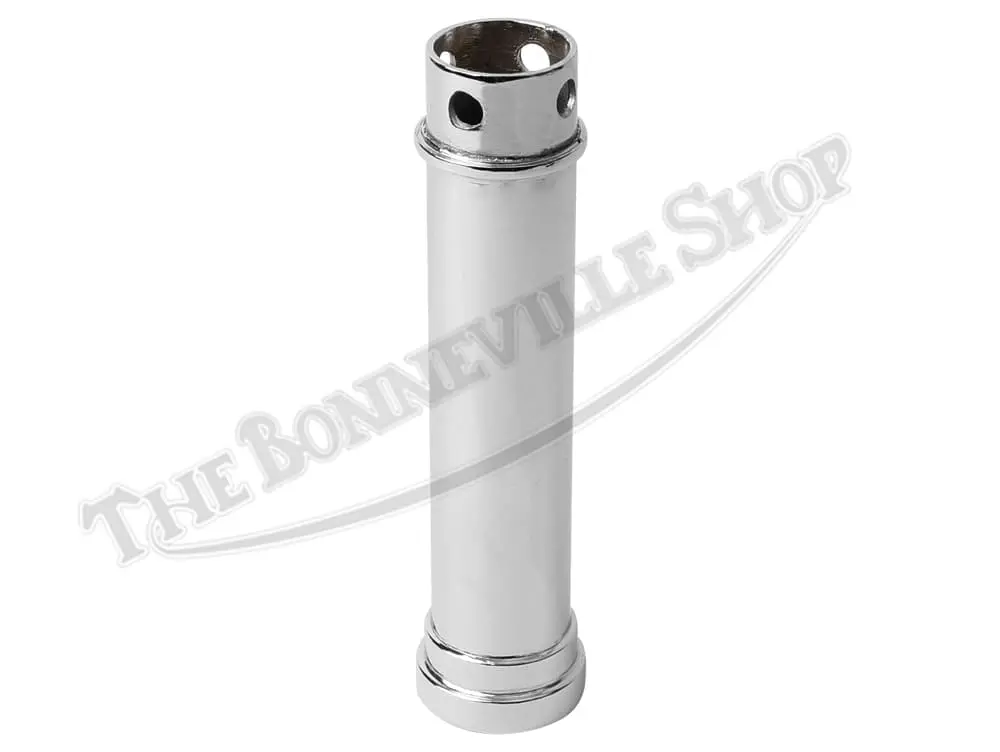
Triumph 750 T140 TR7 Chrome Pushrod Tube 1973-78 PN# 71-3329 W
$25.38 – $46.27Price range: $25.38 through $46.27

Triumph 650 1960-65 and 1969-70 Flywheel Bolt (1) PN# 70-3907
$19.40 – $47.64Price range: $19.40 through $47.64
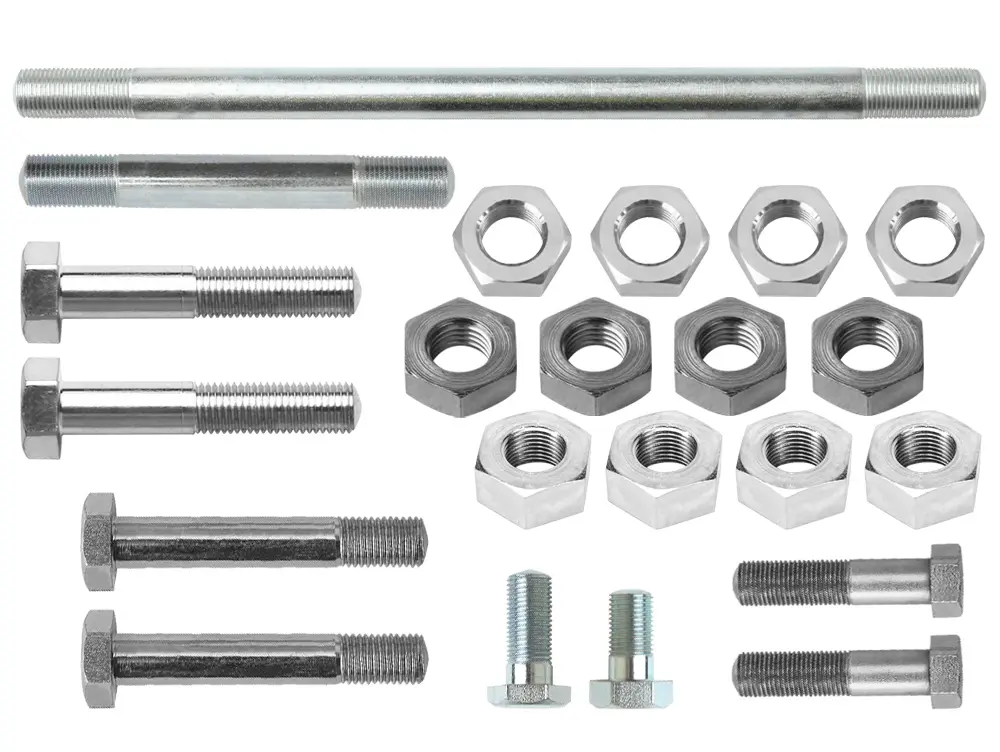

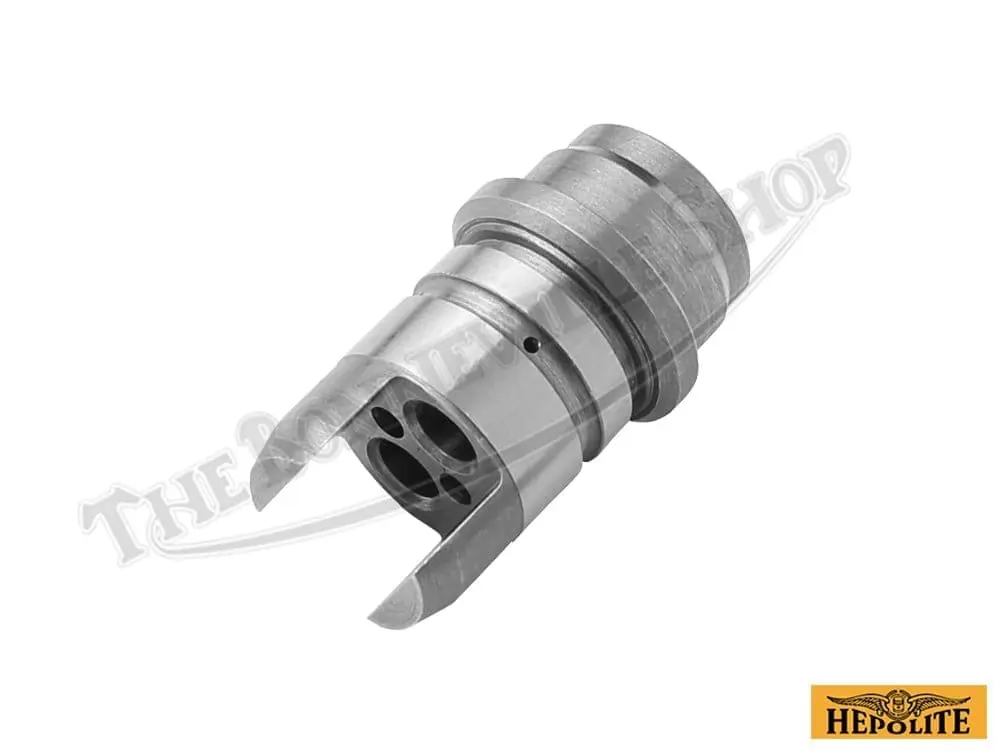

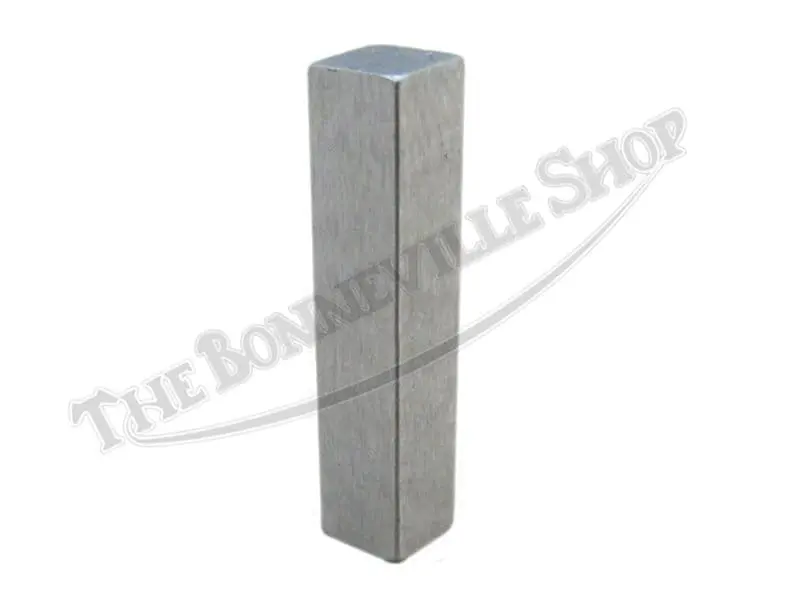
Triumph 650 750 Bonneville Tiger Trophy Alternator Rotor/Crank Woodruff Key(s) PN# 71-0082 70-3974 E10082 E3974
$9.14 – $13.24Price range: $9.14 through $13.24
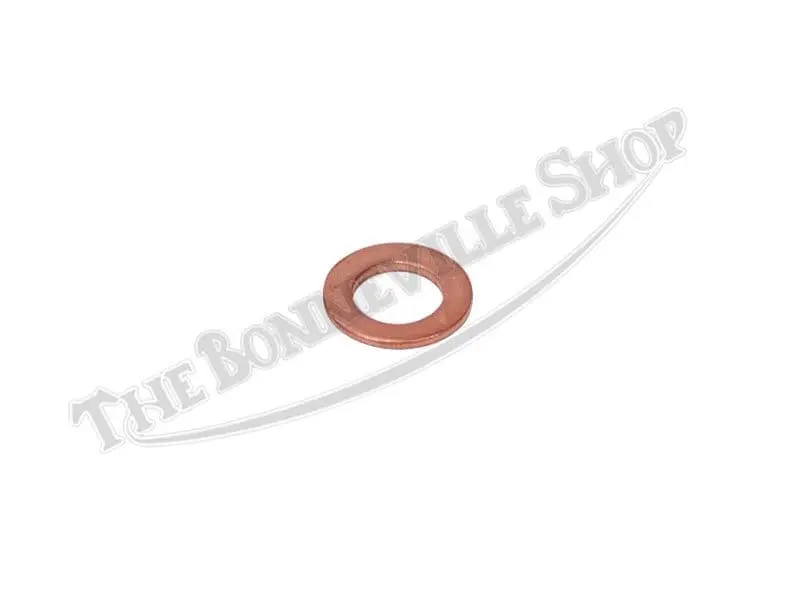
Triumph 650 750 Gearbox Drain and Tappet Block Copper Washer(s) PN# 70-2441
$6.52 – $14.05Price range: $6.52 through $14.05

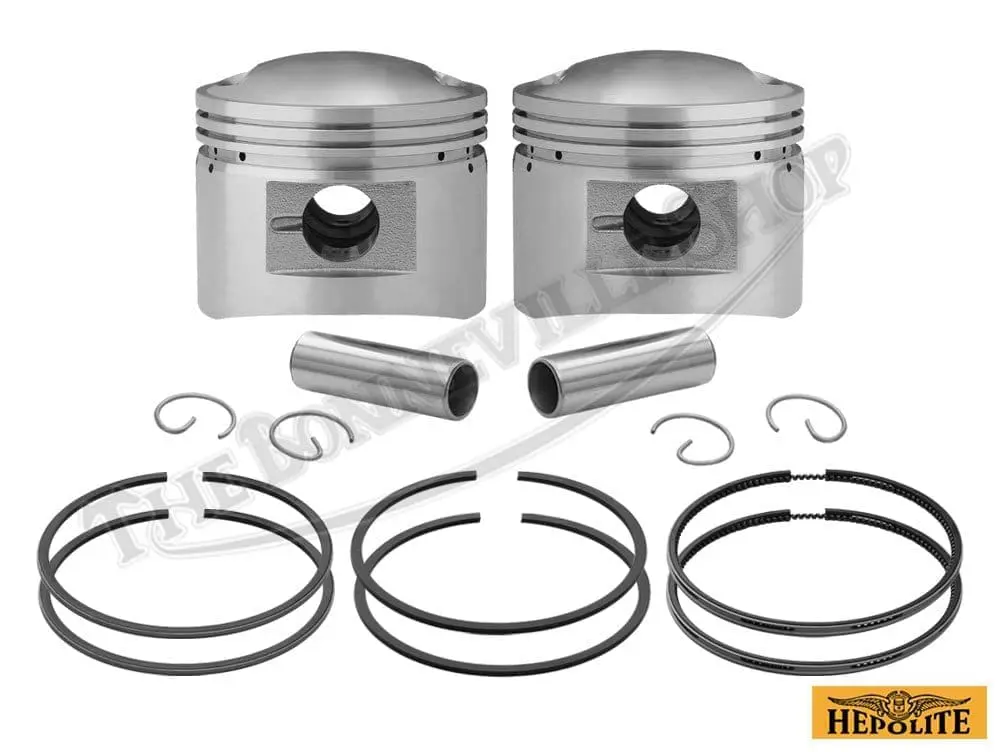
Triumph 750 Complete Low-Compression Piston Set w/Rings Genuine Hepolite 1979-83 PN# TBS-20432
$168.49 – $170.98Price range: $168.49 through $170.98

Triumph T100 Complete Piston Set Genuine Hepolite 1958-1966 PN# TBS-15123
$168.36 – $168.49Price range: $168.36 through $168.49

Triumph 650 Complete Piston Set w/Rings Genuine Hepolite 1959-72 PN# TBS-17844
$168.48 – $170.86Price range: $168.48 through $170.86

Triumph 750 Complete Piston Set w/Rings Genuine Hepolite 1973-78 PN# TBS-19255
$168.48 – $168.53Price range: $168.48 through $168.53

Triumph T100 Complete Piston Set w/Rings Genuine Hepolite 1967-1974 PN# TBS-18786
$168.49 – $168.53Price range: $168.49 through $168.53
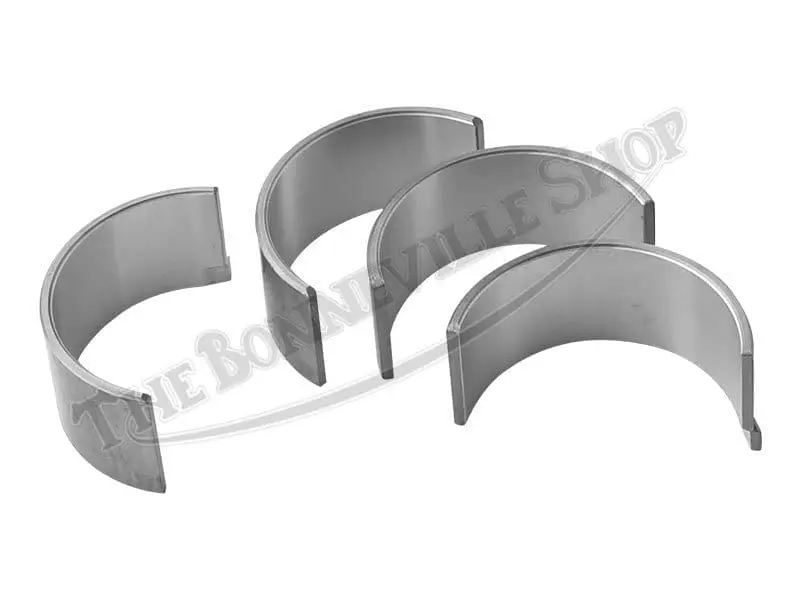
Triumph 650 750 Bonneville Connecting Rod Shell Set To 1982 PN# 70-3586
$38.54 – $40.65Price range: $38.54 through $40.65

Triumph T150 T160 BSA A75 Hepolite Piston Ring Set 1968-1975 PN# TBS-R23020 70-6838 70-9739
$128.23 – $135.37Price range: $128.23 through $135.37


Triumph 750 1973-1982 76mm Piston Ring Set Genuine Hepolite 71-3690 UK-Made PN# R26490
$89.48 – $92.51Price range: $89.48 through $92.51

Triumph 650 1959-1972 Piston Ring Set Genuine Hepolite 70-6864 UK-Made PN# R11050
$89.48 – $90.70Price range: $89.48 through $90.70
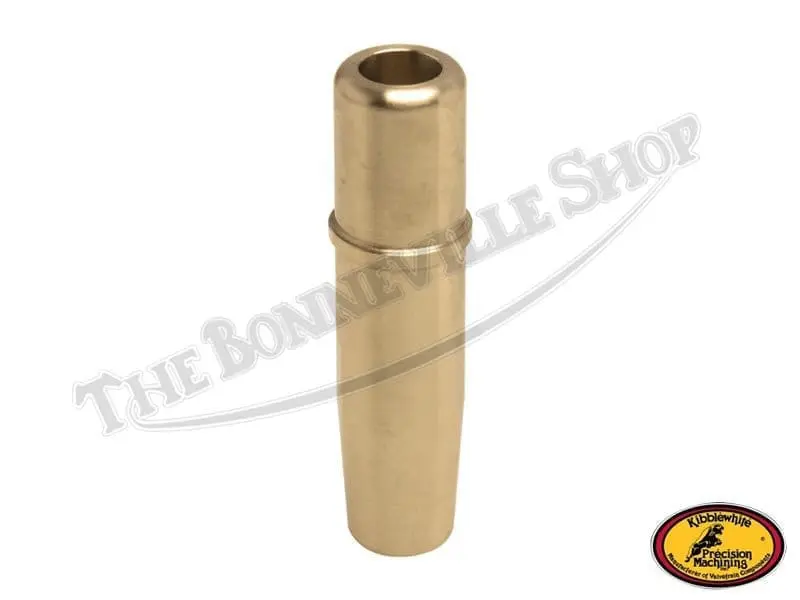


Triumph 650 750 Kibblewhite Black Diamond Inlet Valve(s) PN# 70-4603 BD
$30.52 – $78.59Price range: $30.52 through $78.59
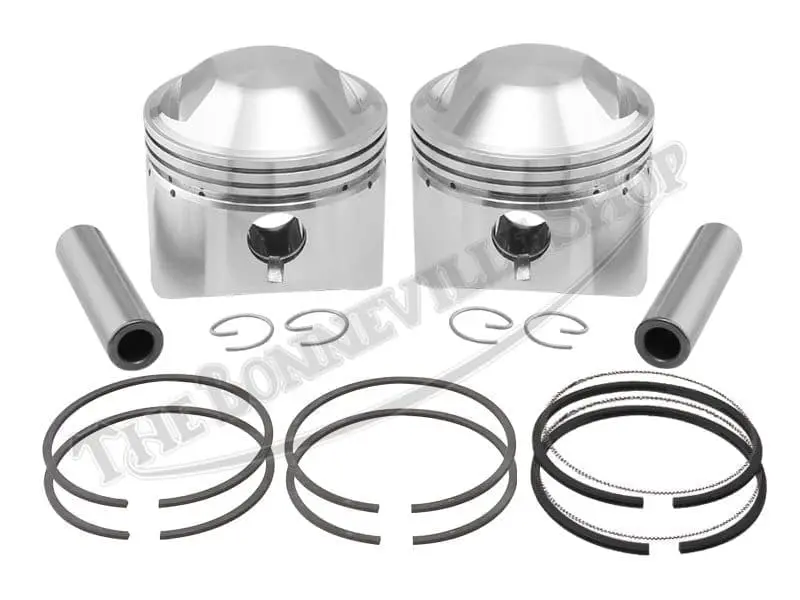

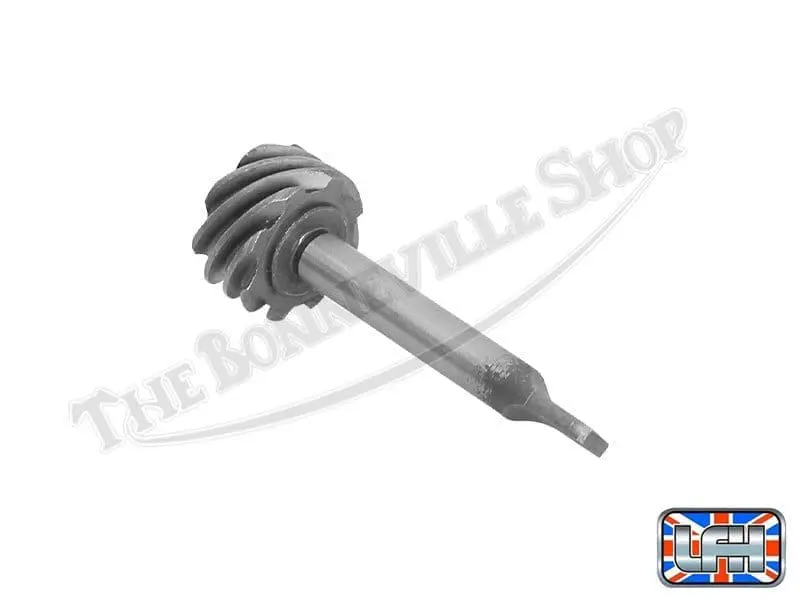

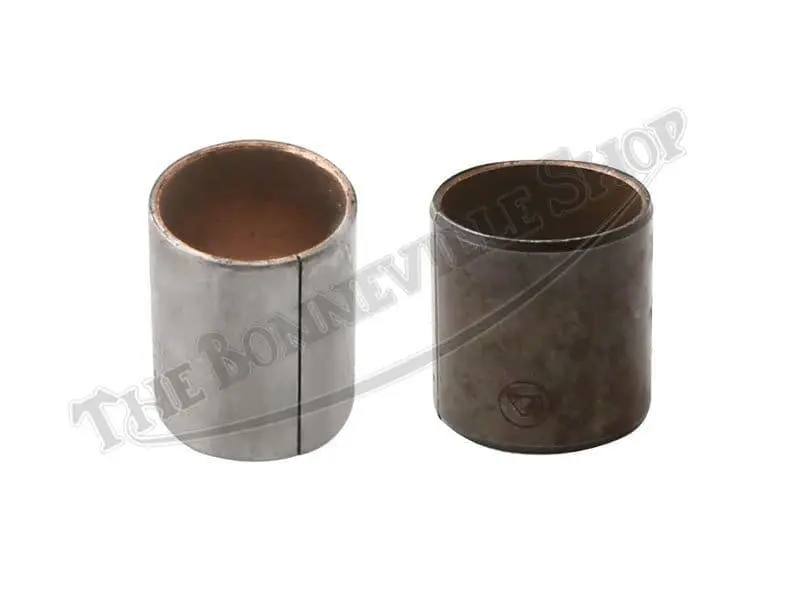
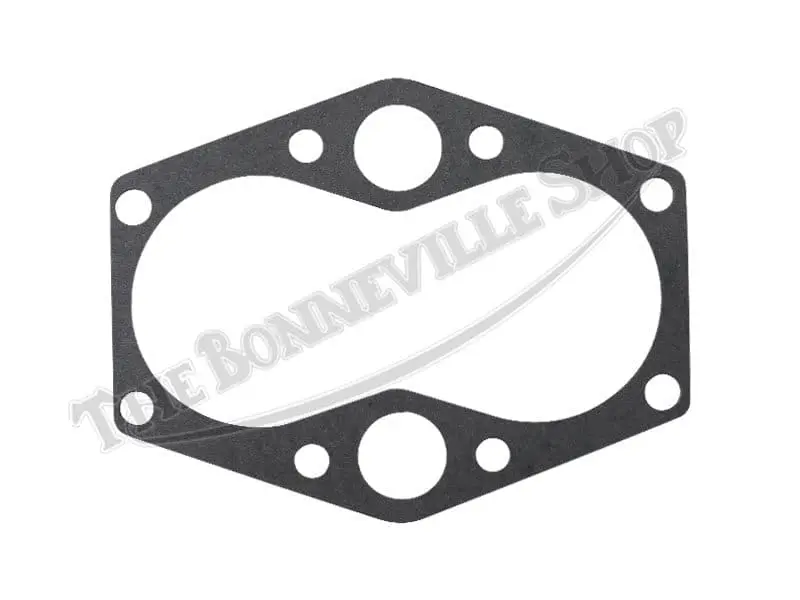
Triumph 350 500 T90 T100 3TA 5TA etc Cylinder Base Gasket(s) US Made PN# 70-3798 E3798
$7.99 – $11.73Price range: $7.99 through $11.73
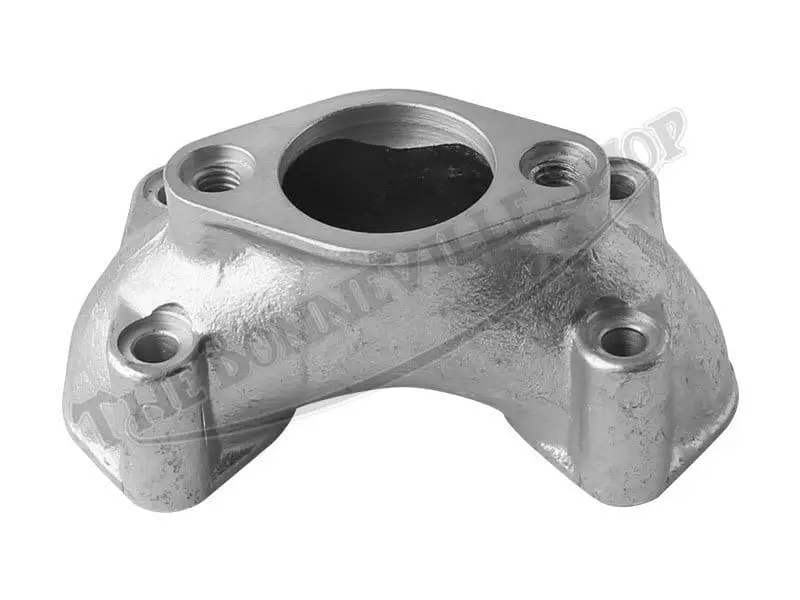


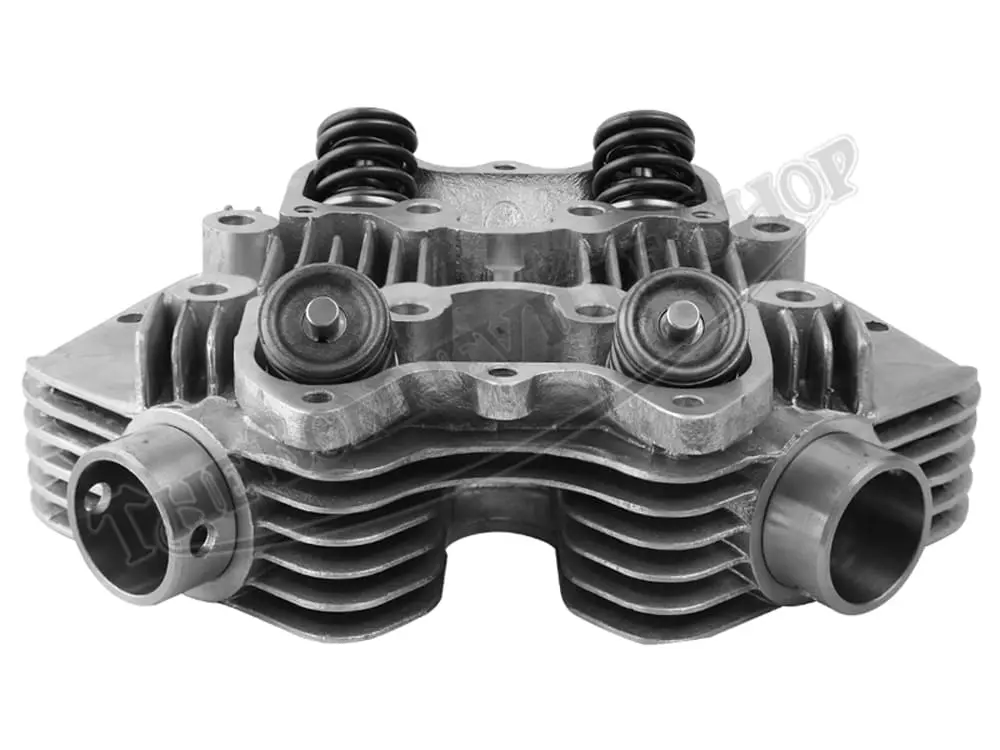

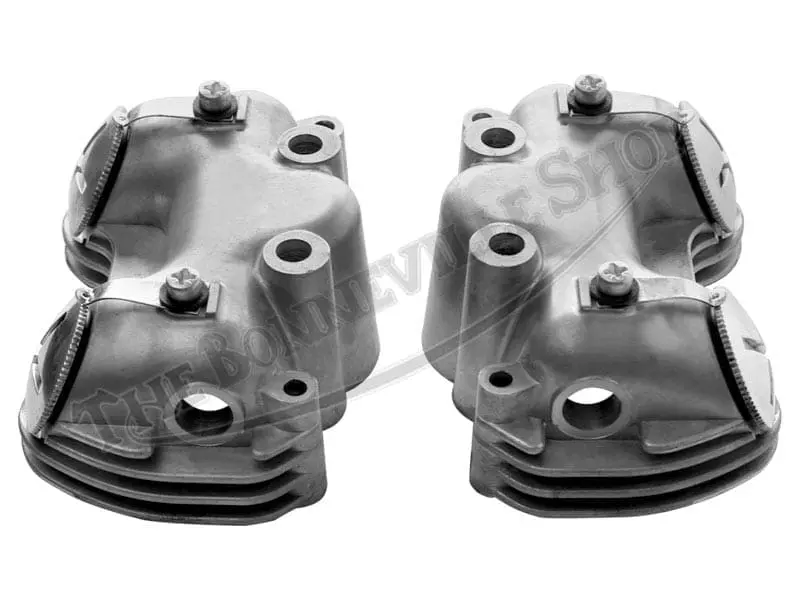
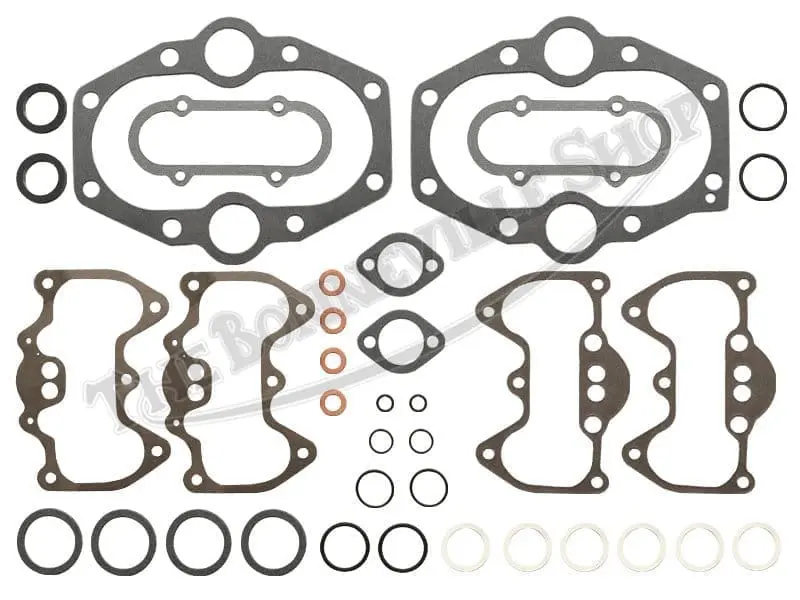
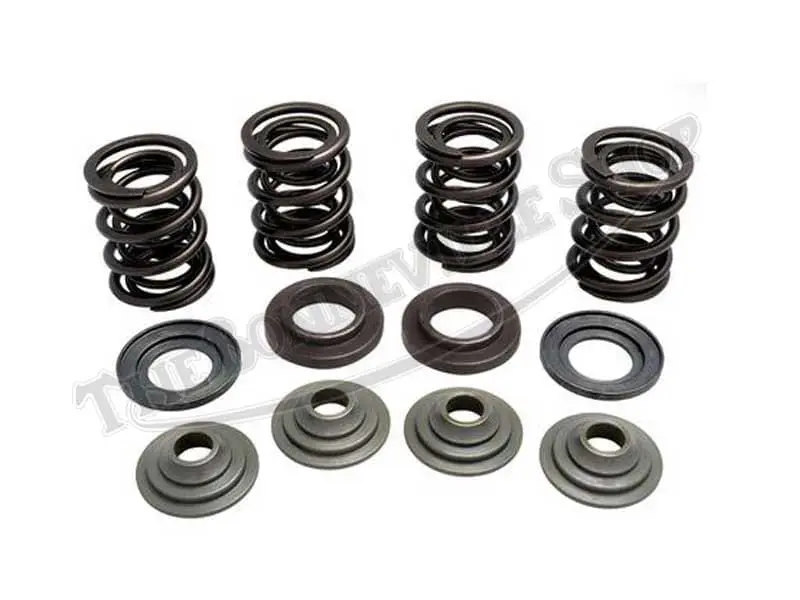


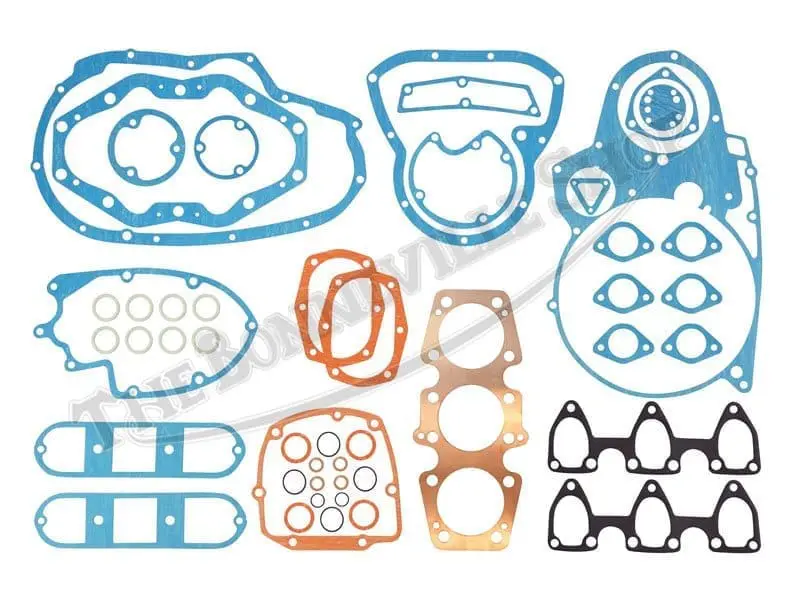

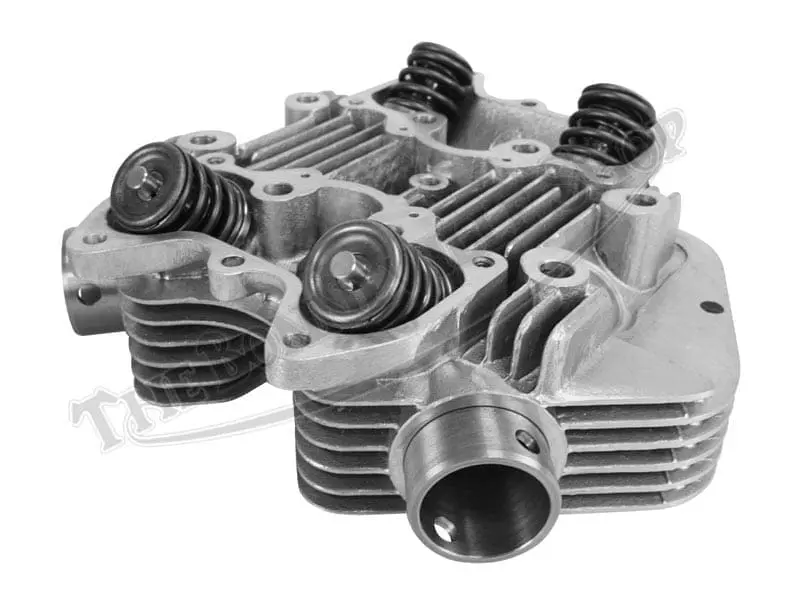

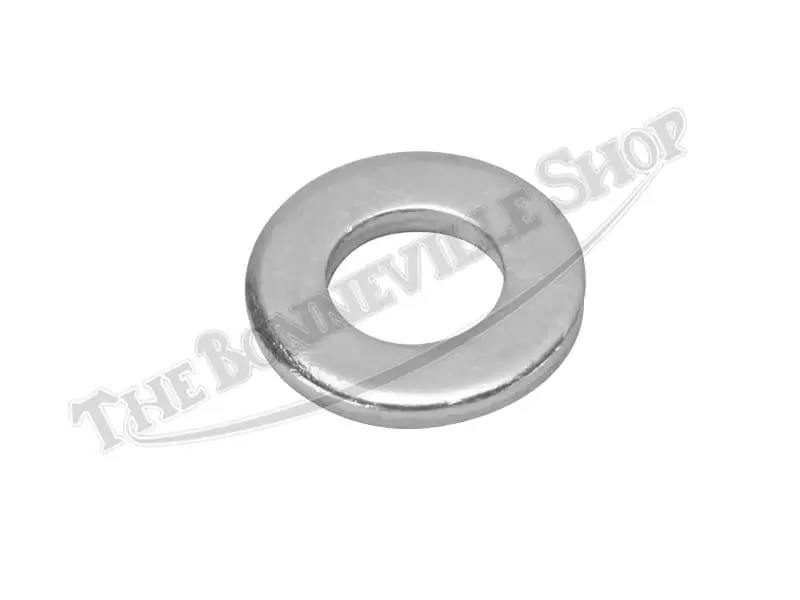
Triumph 500 650 750 Headbolt Sidestand etc. 3/8 inch Thick Washer(s) PN# 82-2184 F2184
$6.52 – $11.21Price range: $6.52 through $11.21


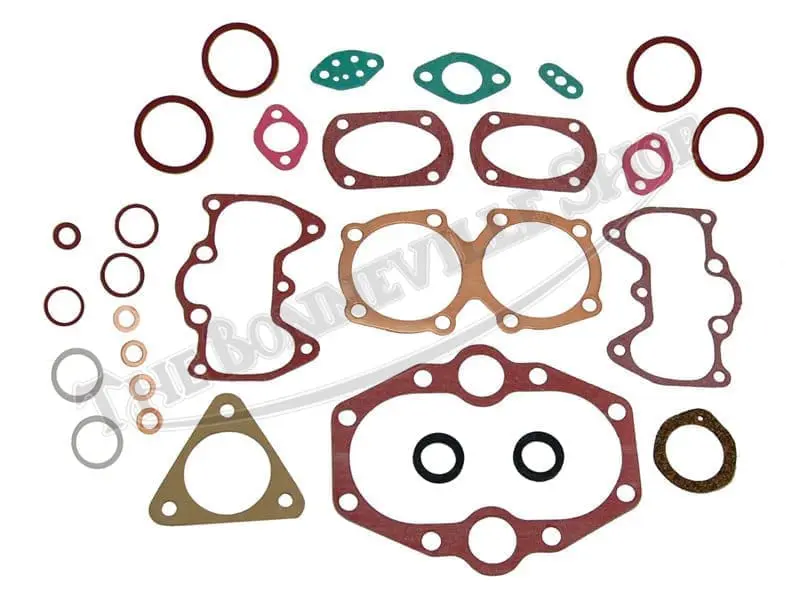


Triumph 650 T120 TR6 Pre-Unit 7:1 Compression 71mm Piston Set with Rings PN# 70-3610 E3610
$155.06 – $194.17Price range: $155.06 through $194.17
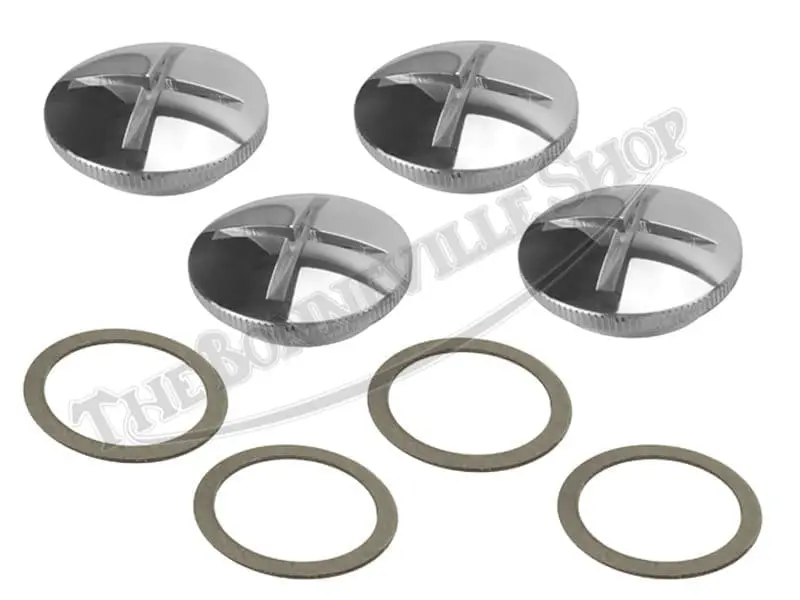

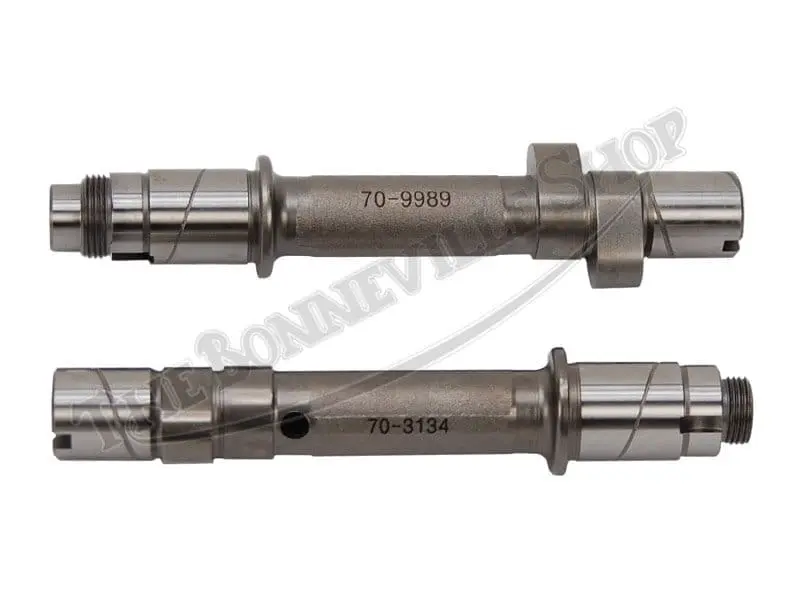


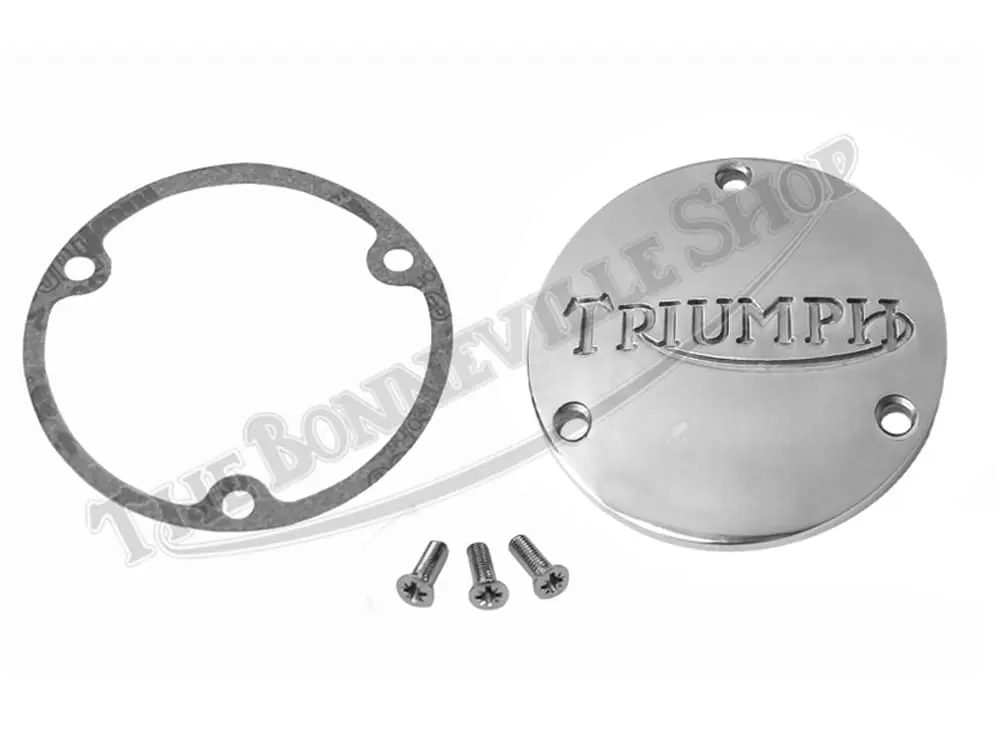
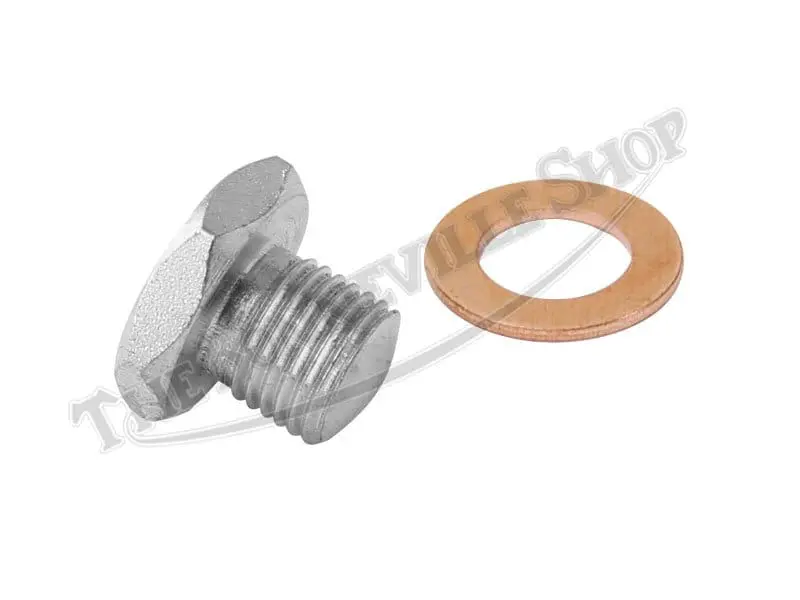
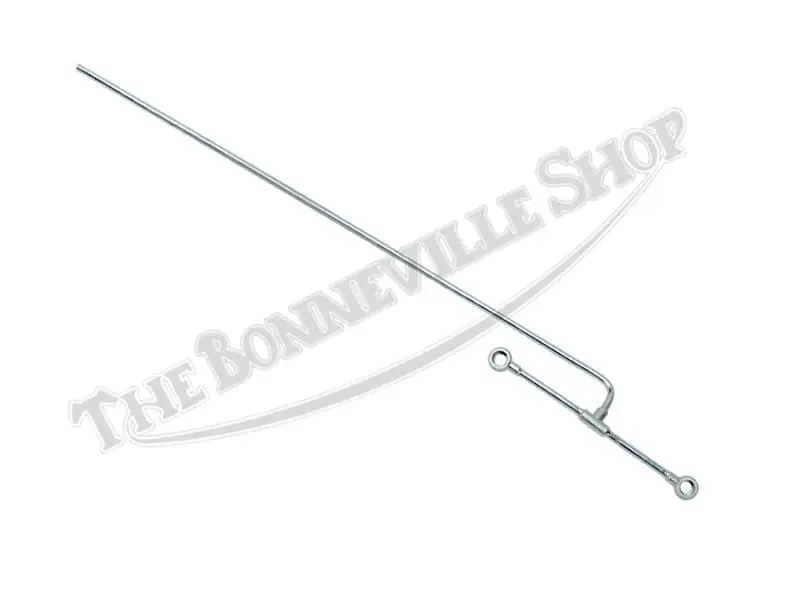
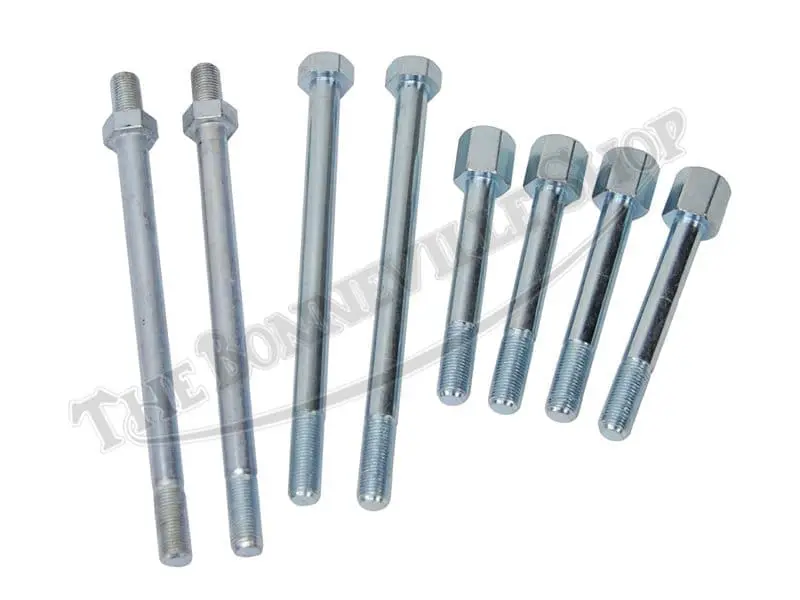
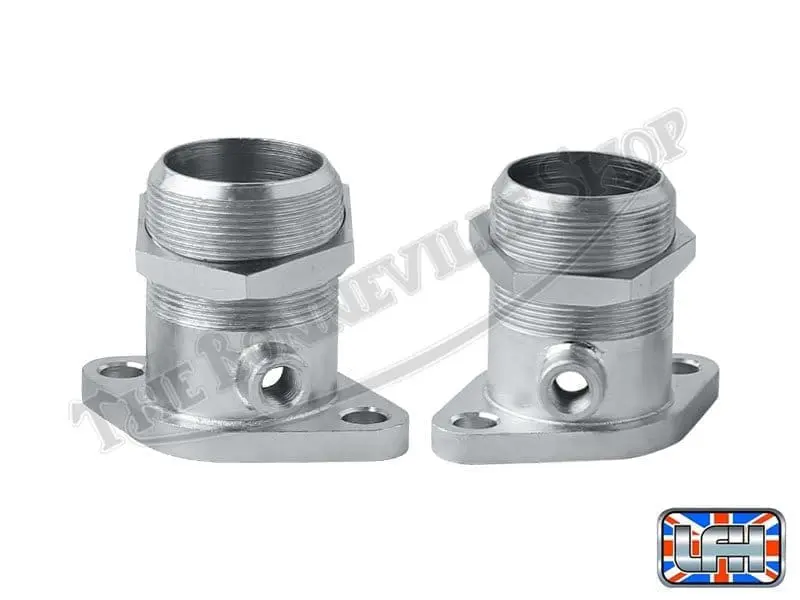
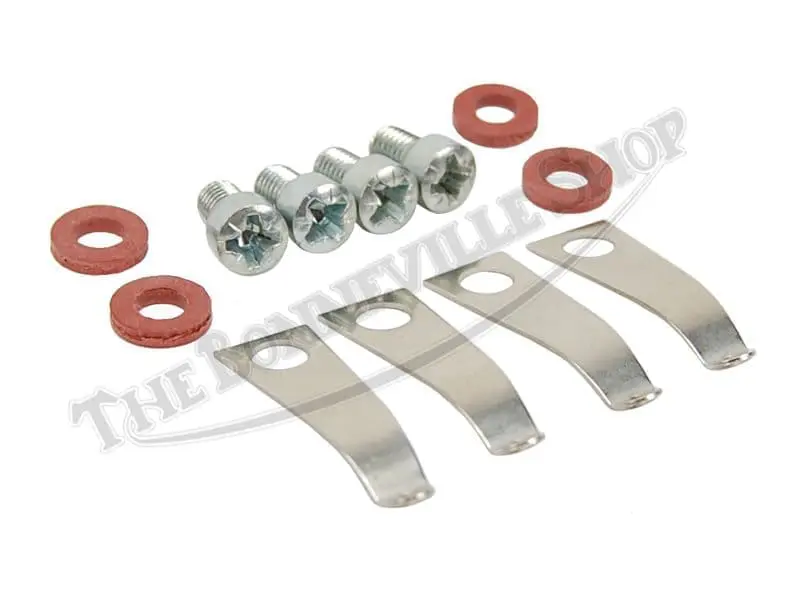
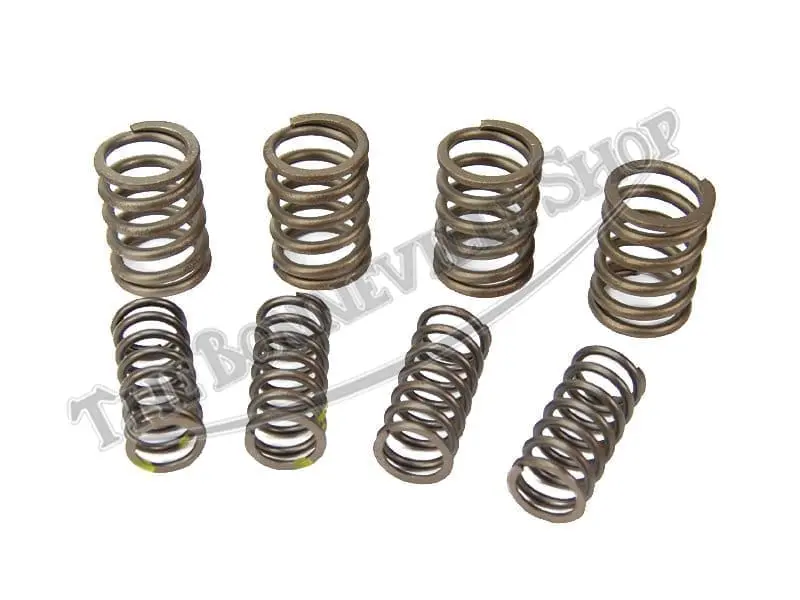

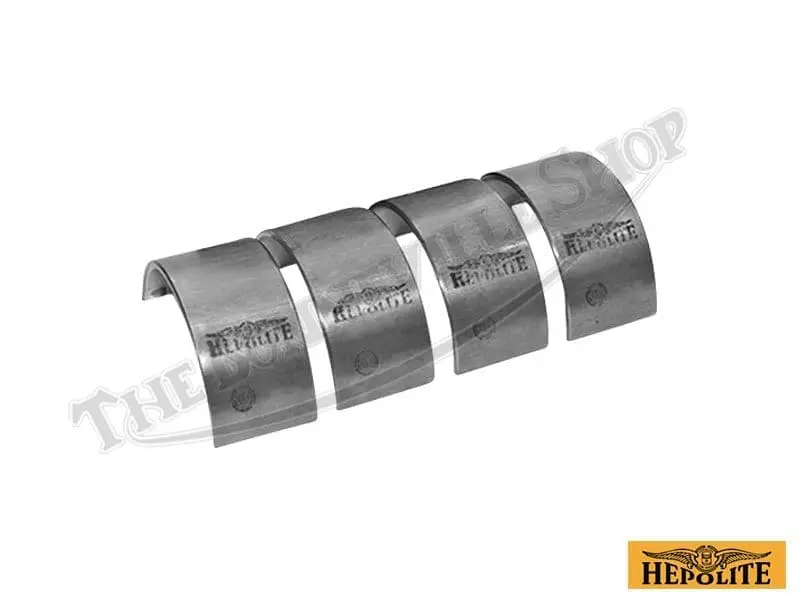
Hepolite Triumph 650 750 Connecting Rod Big End Bearing Shell Set PN# 70-3586 H
$44.95 – $44.96Price range: $44.95 through $44.96
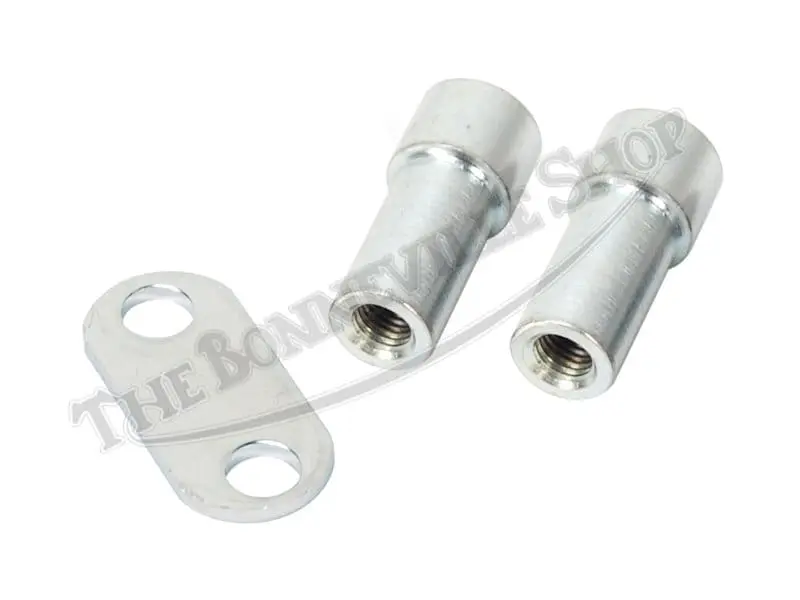
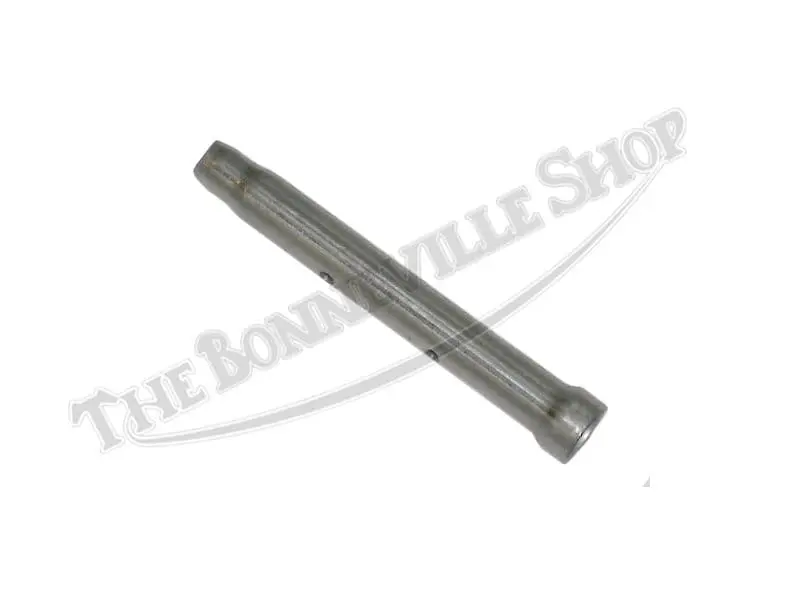

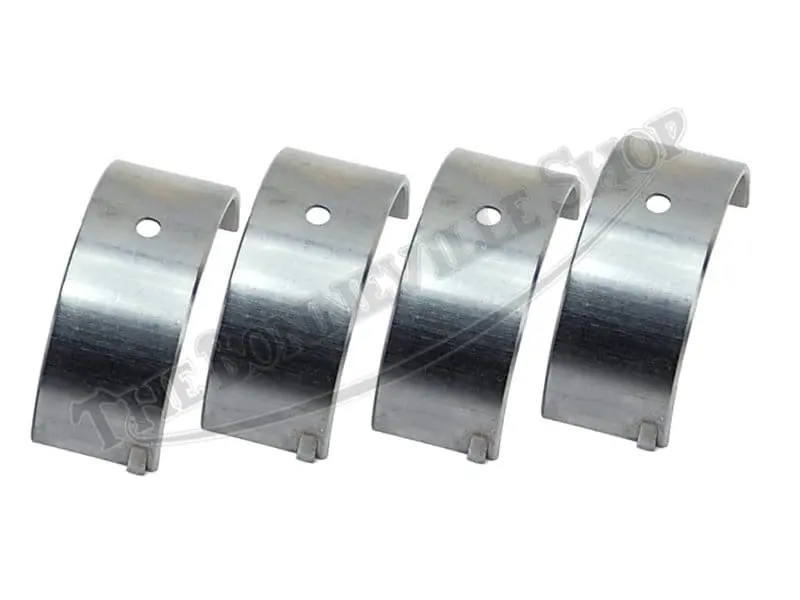
Triumph BSA 750 Triples Rocket 3 Trident A75 T150 T160 Main Bearing Shell Set PN# 70-6023 70-9027 70-9028 70-9029 70-9030
$61.84 – $66.96Price range: $61.84 through $66.96

Triumph BSA 750 Triples Rocket 3 Trident A75 T150 T160 Conrod Shell Set PN# 70-5998 70-9023 70-9024 70-9025 70-9026
$45.11 – $114.01Price range: $45.11 through $114.01
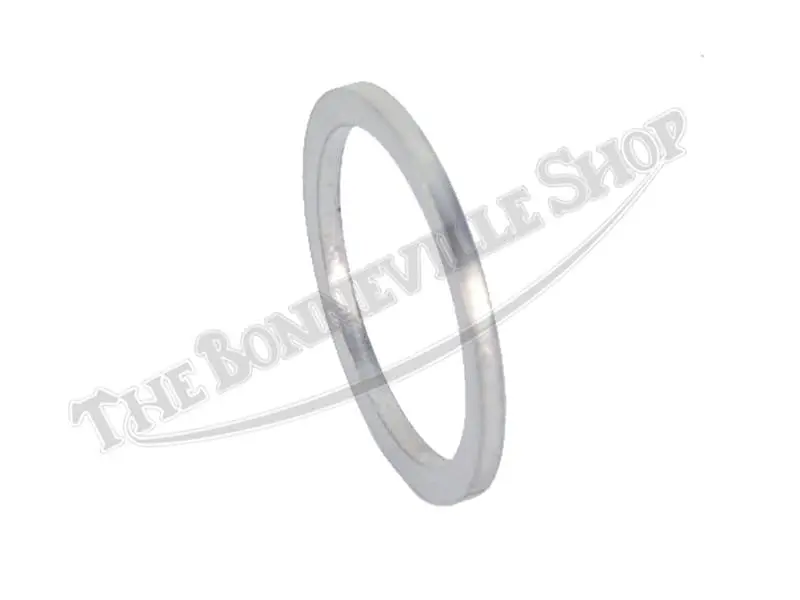
Triumph 350 500 650 Front Hub Bearing Backing Ring Spacer Washer(s) 1956-67 PN# 37-1238
$8.29 – $12.34Price range: $8.29 through $12.34


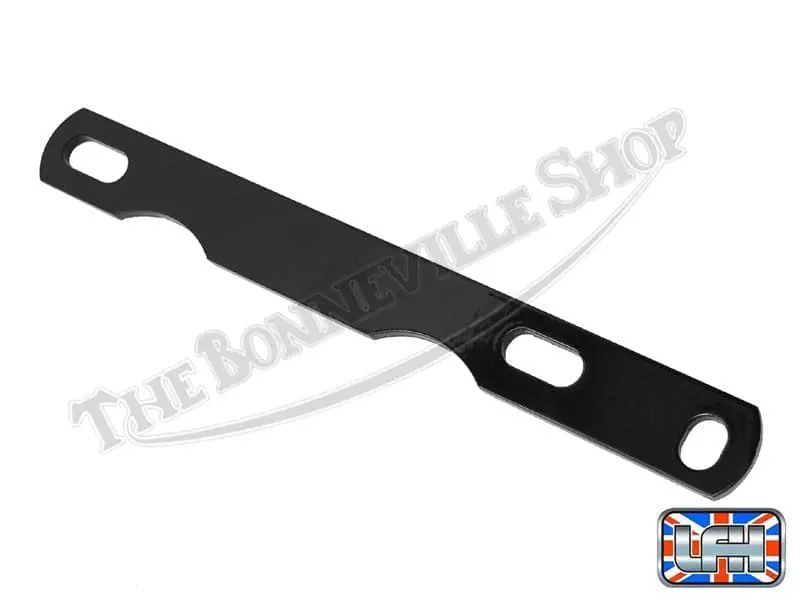
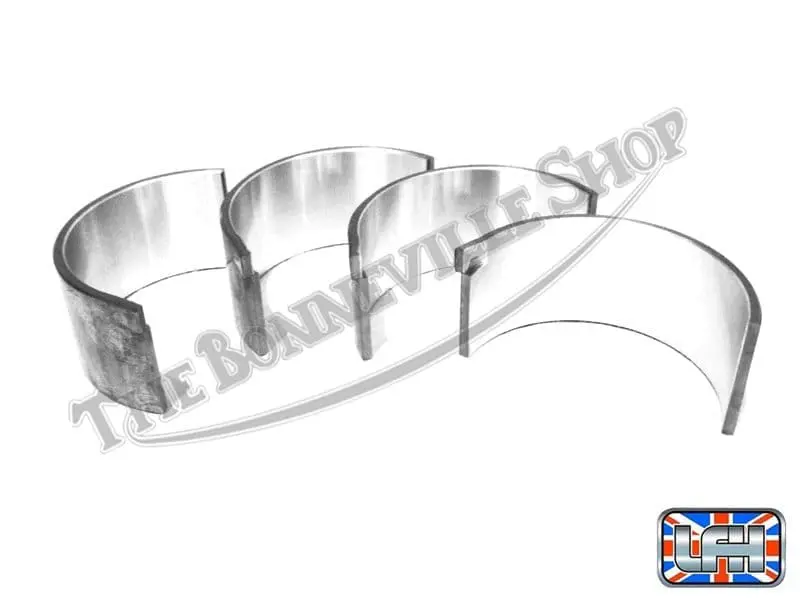
Triumph 350 500 T100 3TA 5TA etc Connecting Rod Shell Set 1961-74 PN# 70-3706
$43.36 – $55.06Price range: $43.36 through $55.06
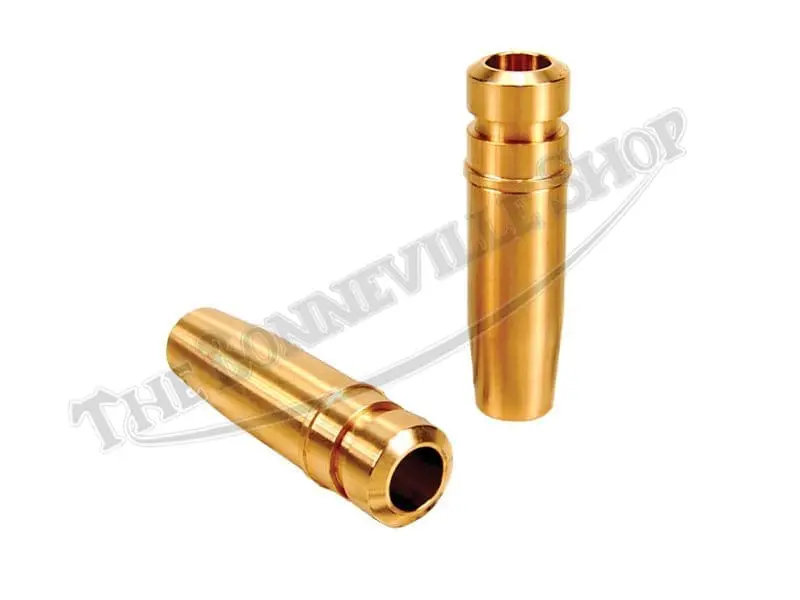
Triumph 750 Bonneville Premium Inlet Valve Guides (2) 1979-80 PN# 71-7201 P
$34.91 – $35.32Price range: $34.91 through $35.32
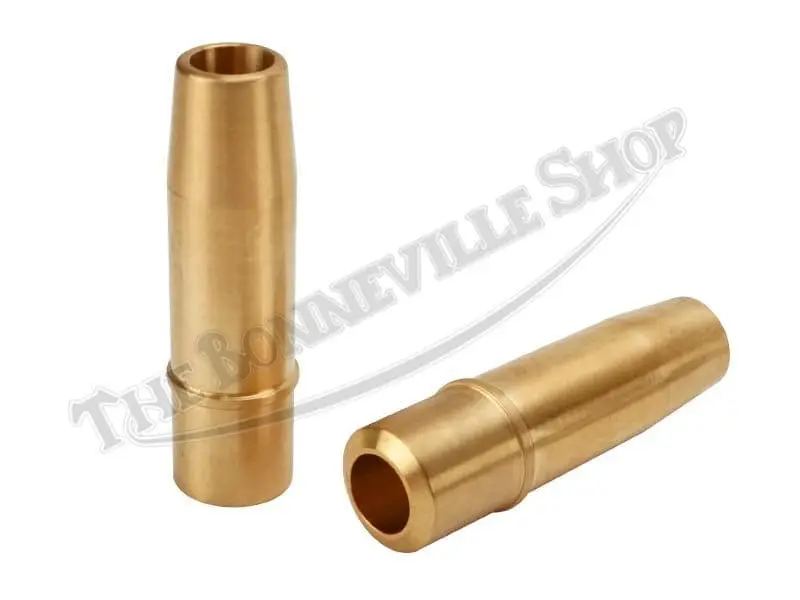
Triumph 750 Bonneville Premium Exhaust Valve Guides (2) 1979-82 PN# 71-7202 P
$35.32 – $38.40Price range: $35.32 through $38.40
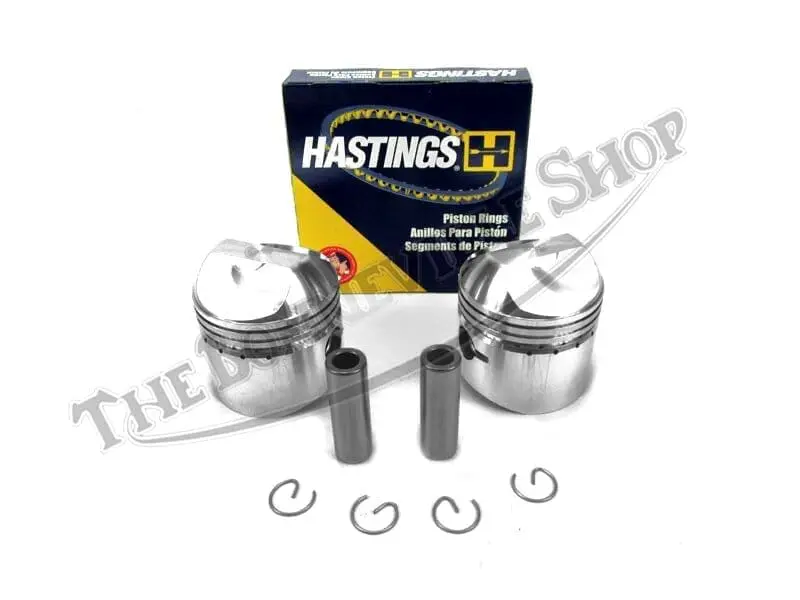
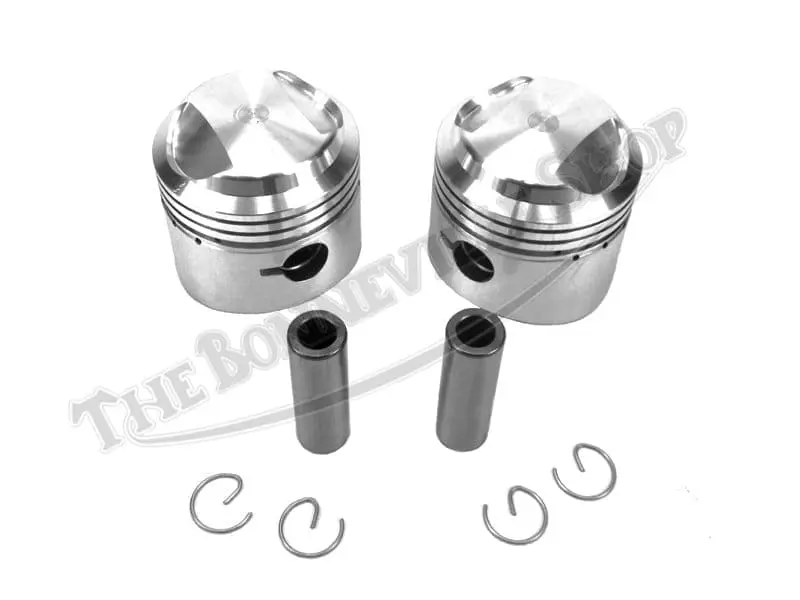
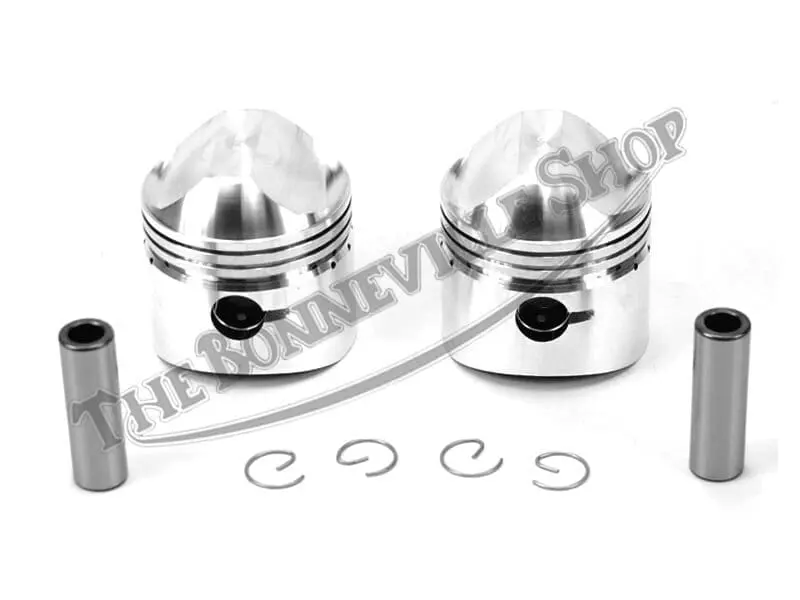
Triumph 500 T100 T100C T100R Engine Pistons (2) 1967-74 PN# 70-6884
$80.98 – $92.65Price range: $80.98 through $92.65
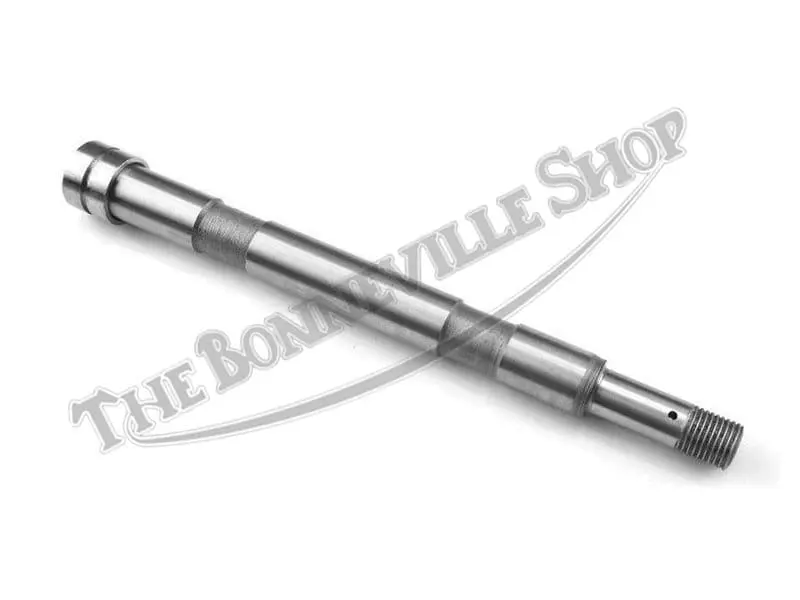
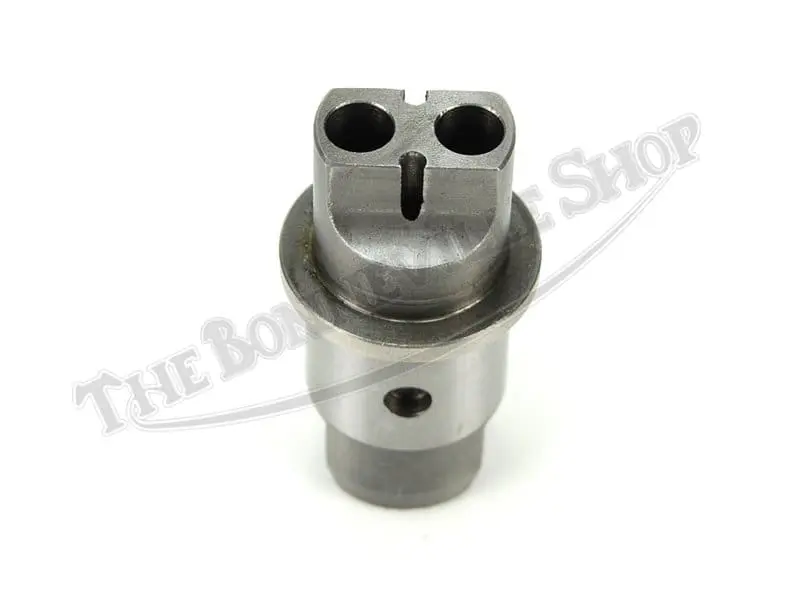

Triumph 750 Bonneville Tiger T140 TR7 Grant Piston Ring Set USA Made PN# 71-3690 US 71-3695 US
$26.56 – $43.36Price range: $26.56 through $43.36
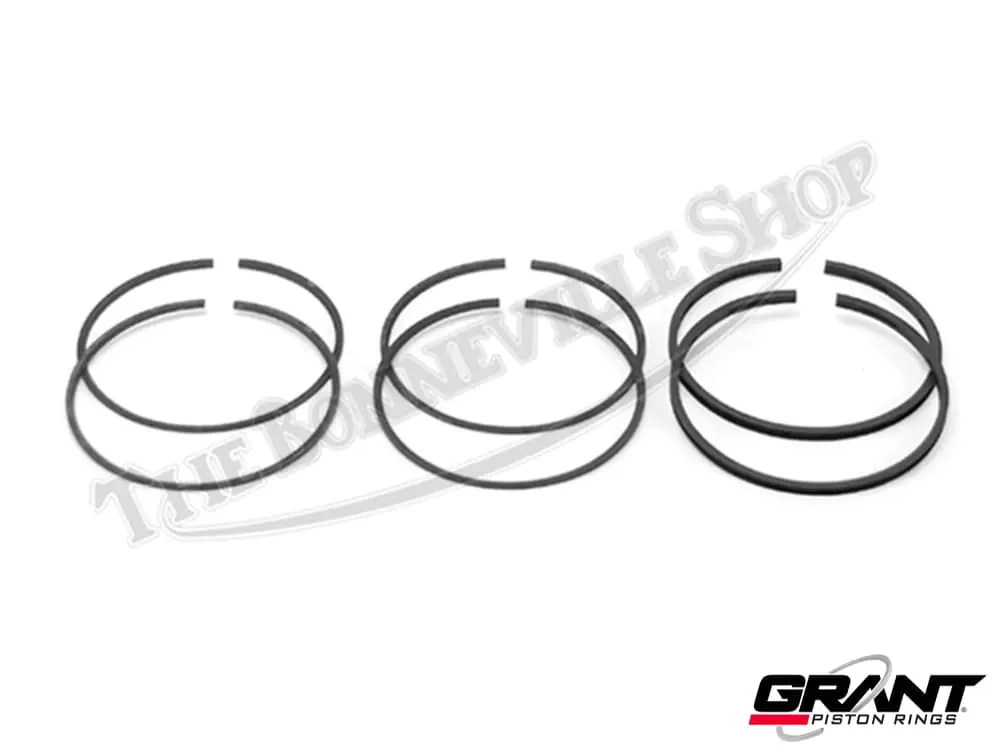
Triumph 650 Bonneville Tiger T120 TR6 Grant Piston Ring Set USA Made PN# 70-6864 US 70-6865
$33.35 – $41.20Price range: $33.35 through $41.20
Triumph 500 T100 Grant Piston Ring Set USA Made PN# 70-6893 US 70-6894
$24.80 – $49.16Price range: $24.80 through $49.16

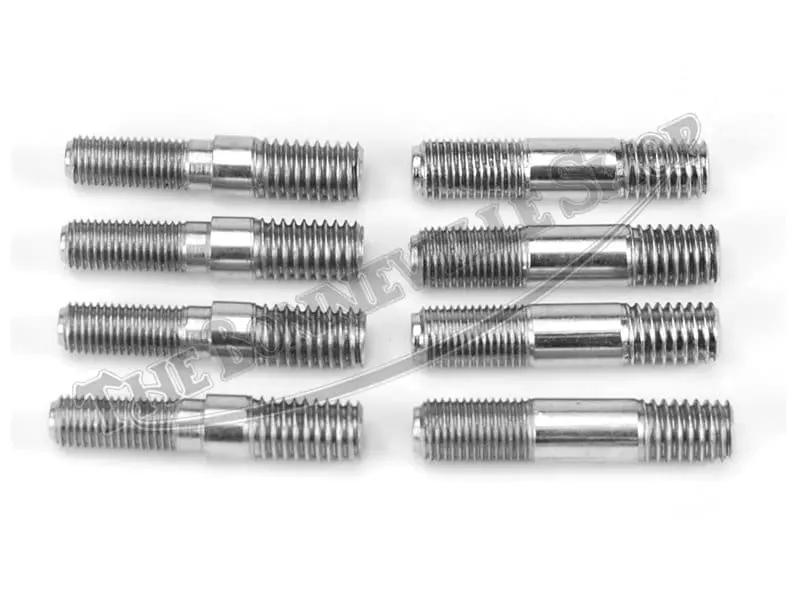

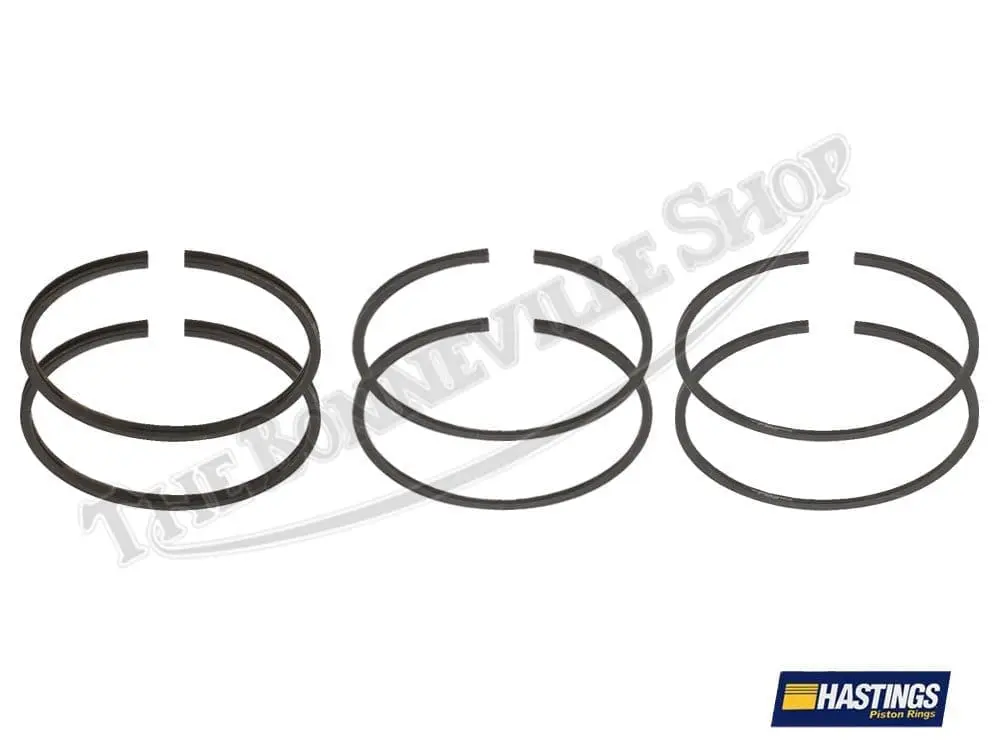
Triumph T140 TR7 750 Hastings Piston Ring Set PN# 71-3690 H 71-3695 H
$69.82 – $95.74Price range: $69.82 through $95.74
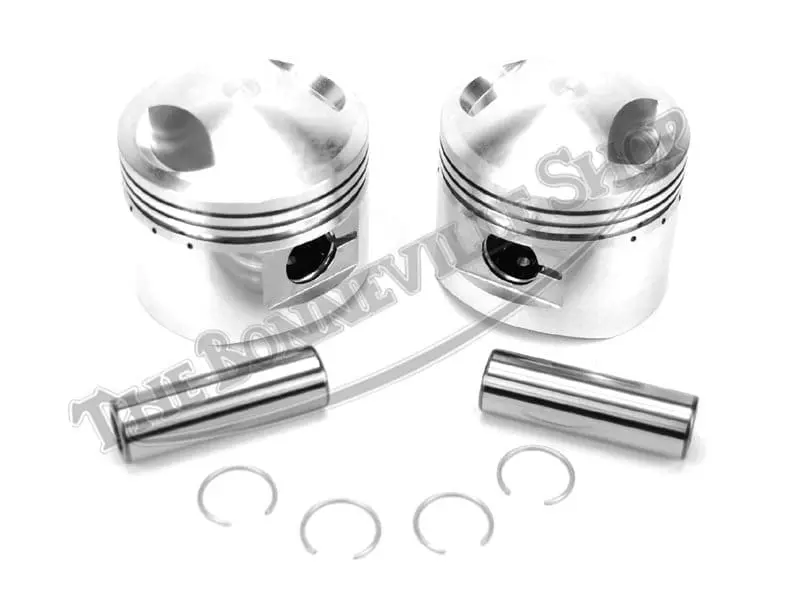
Triumph TR7 T140 750 Bonneville Tiger Pistons (2) PN# 71-3676
$87.39 – $98.96Price range: $87.39 through $98.96
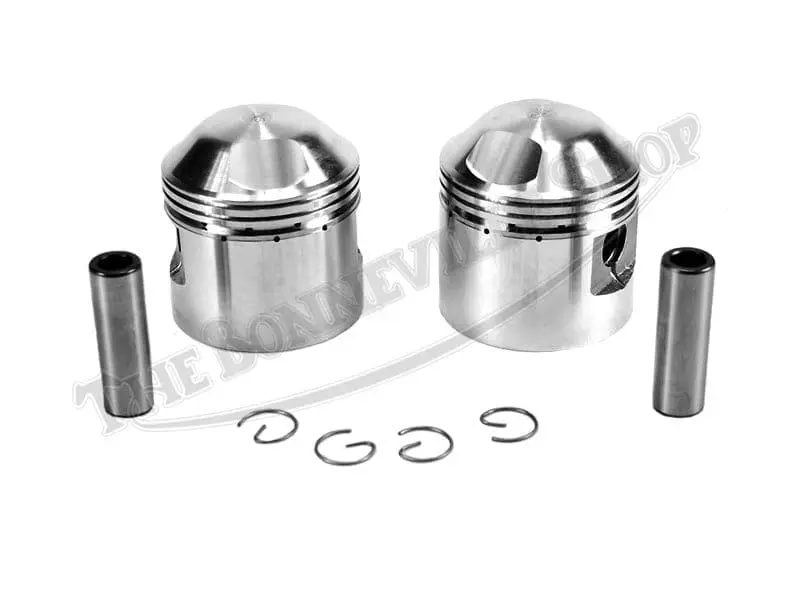
Triumph 650 T120 TR6 Bonneville Tiger Engine Pistons (2) PN# 70-9488
$88.32 – $103.55Price range: $88.32 through $103.55
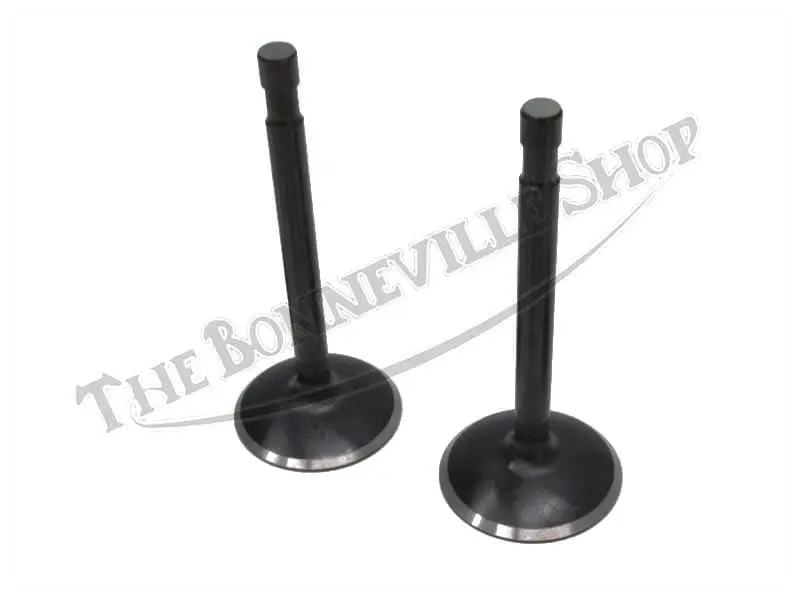
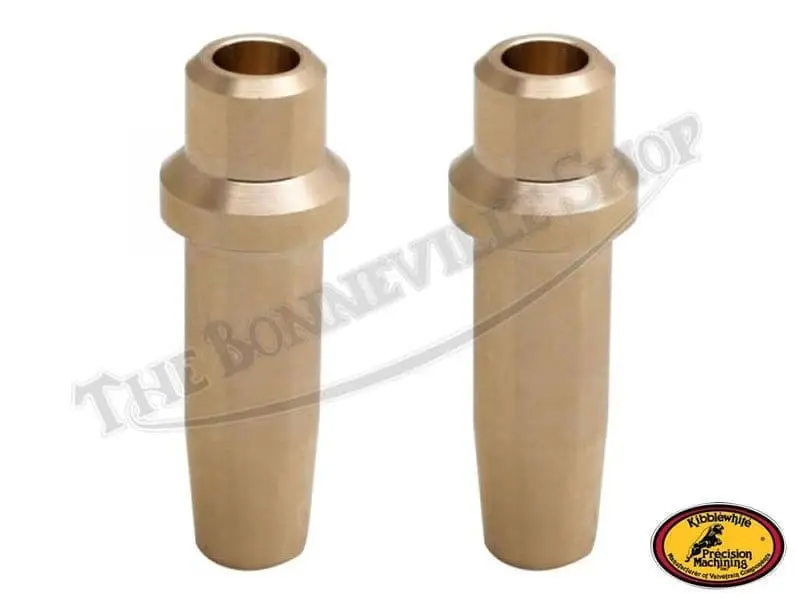
Triumph 650 750 Kibblewhite Mn-Brze Inlet/Exhaust Non-Seal Valve Guides (2) PN# 70-2899 M 70-2900 71-3294 71-3295
$33.69 – $37.79Price range: $33.69 through $37.79

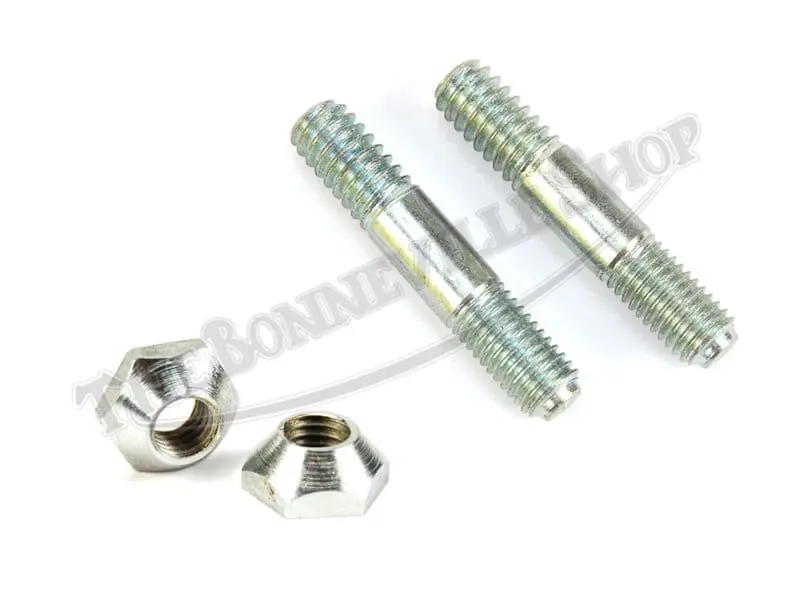
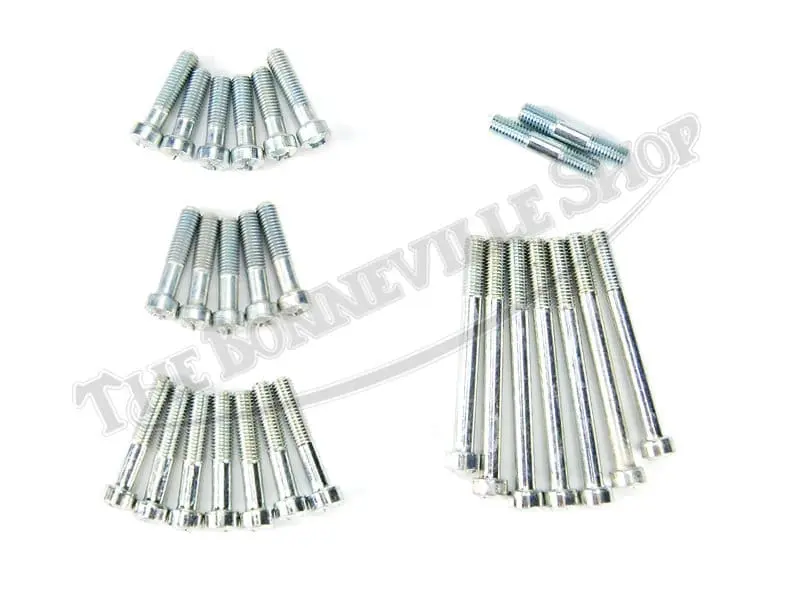
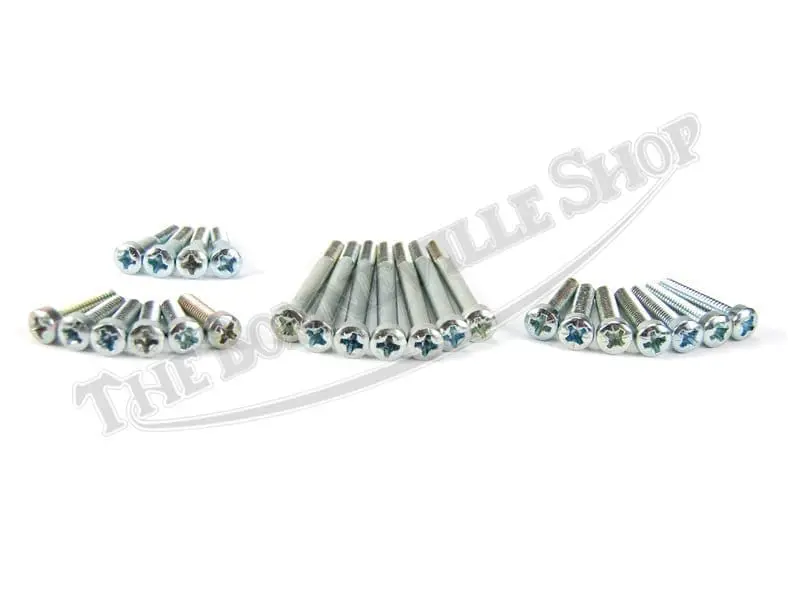

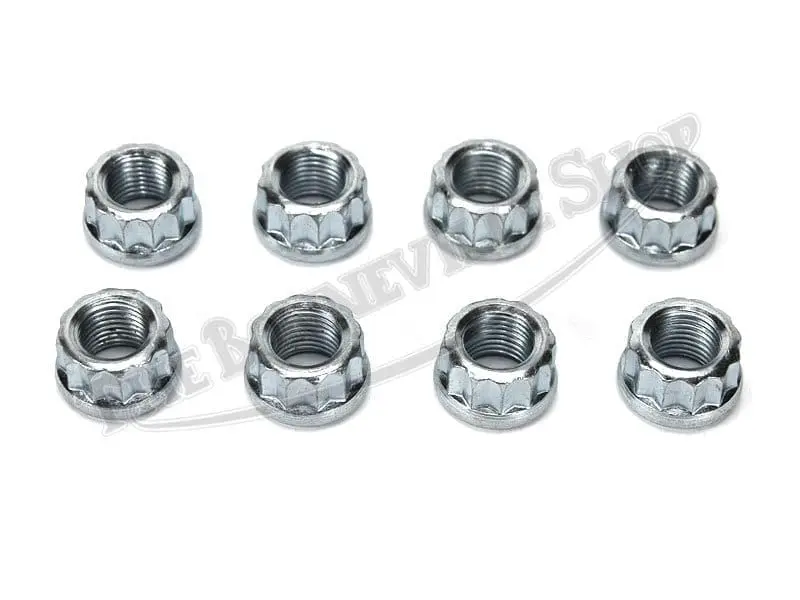
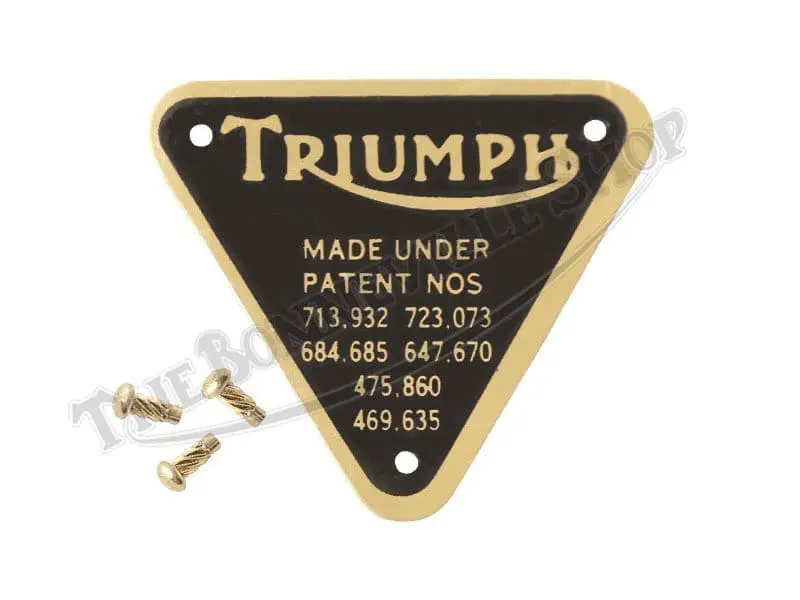
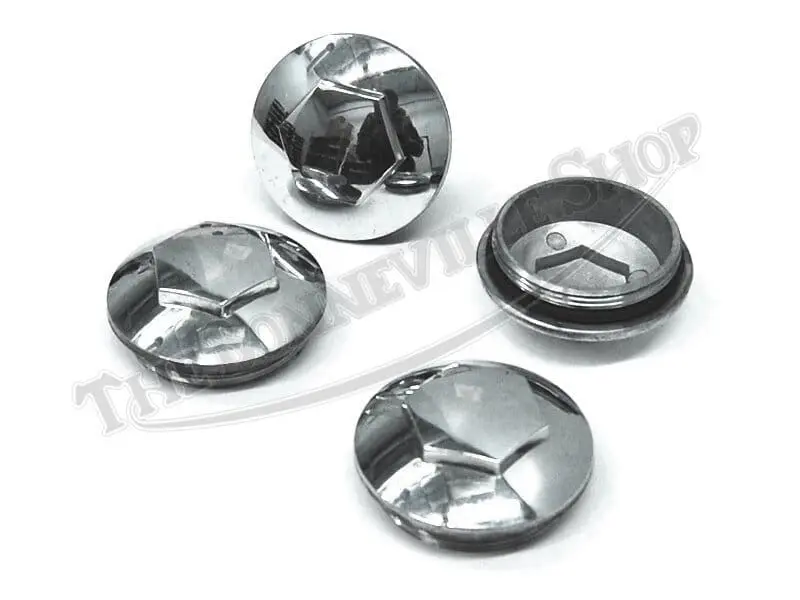
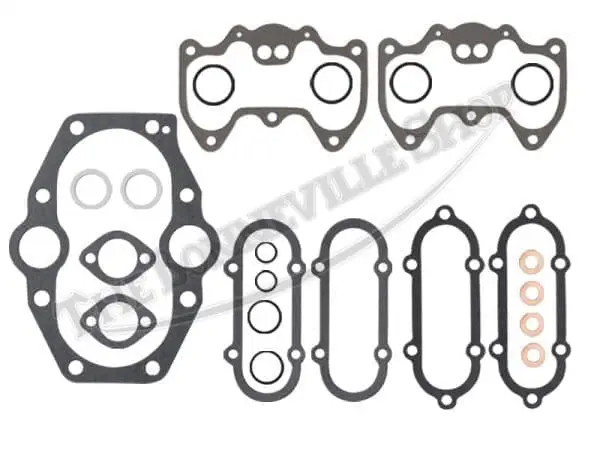
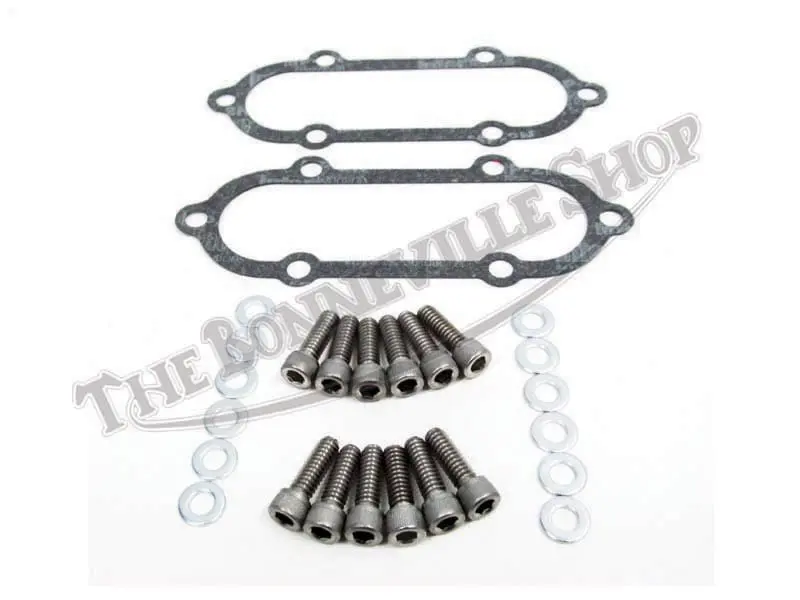
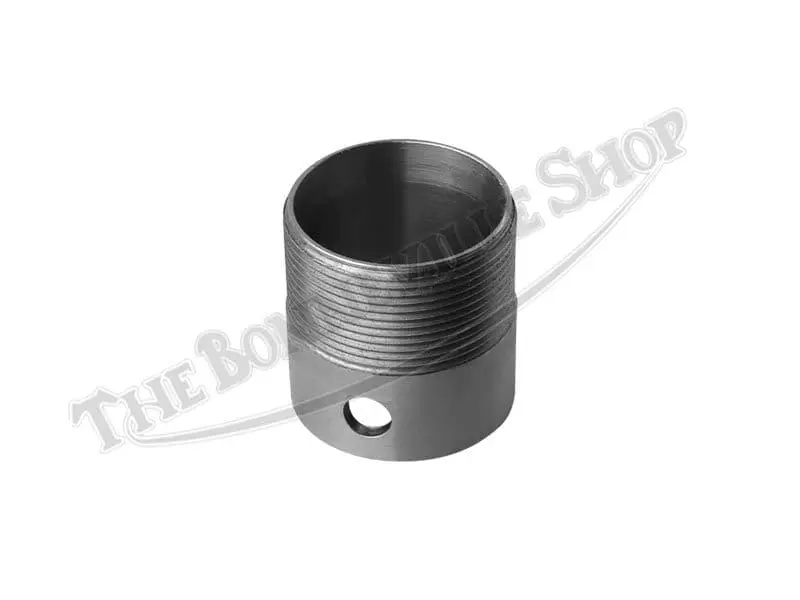
Triumph T100 3TA 5TA T150 T160 BSA A75 Exhaust Pipe Stub Spigot(s) PN# 70-9510 70-2961
$19.40 – $47.64Price range: $19.40 through $47.64
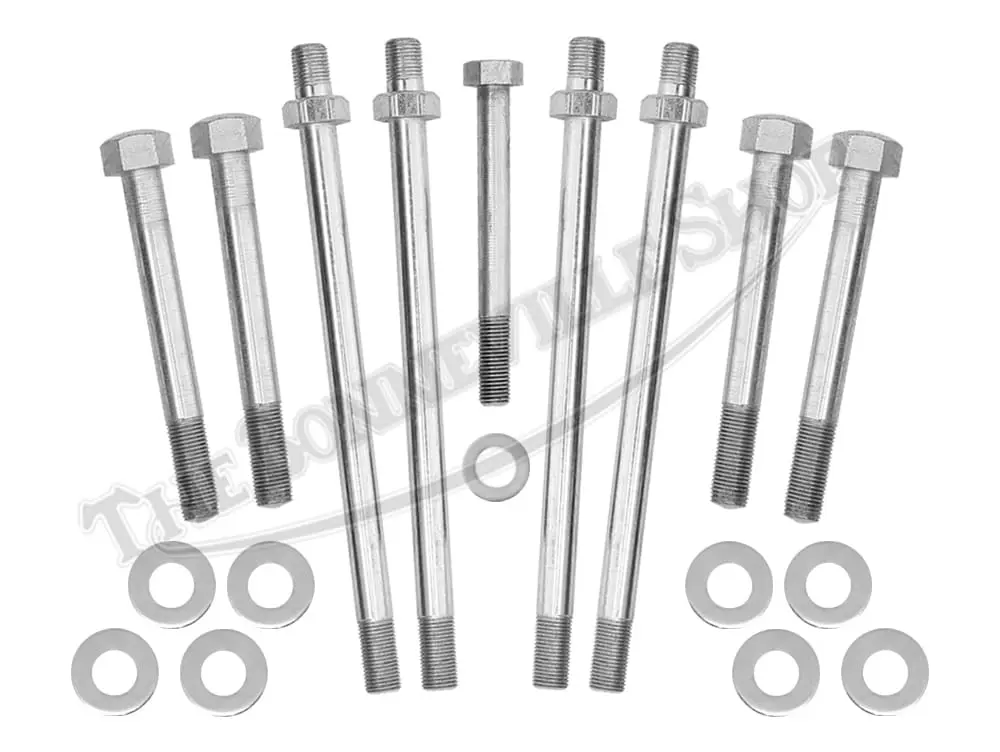
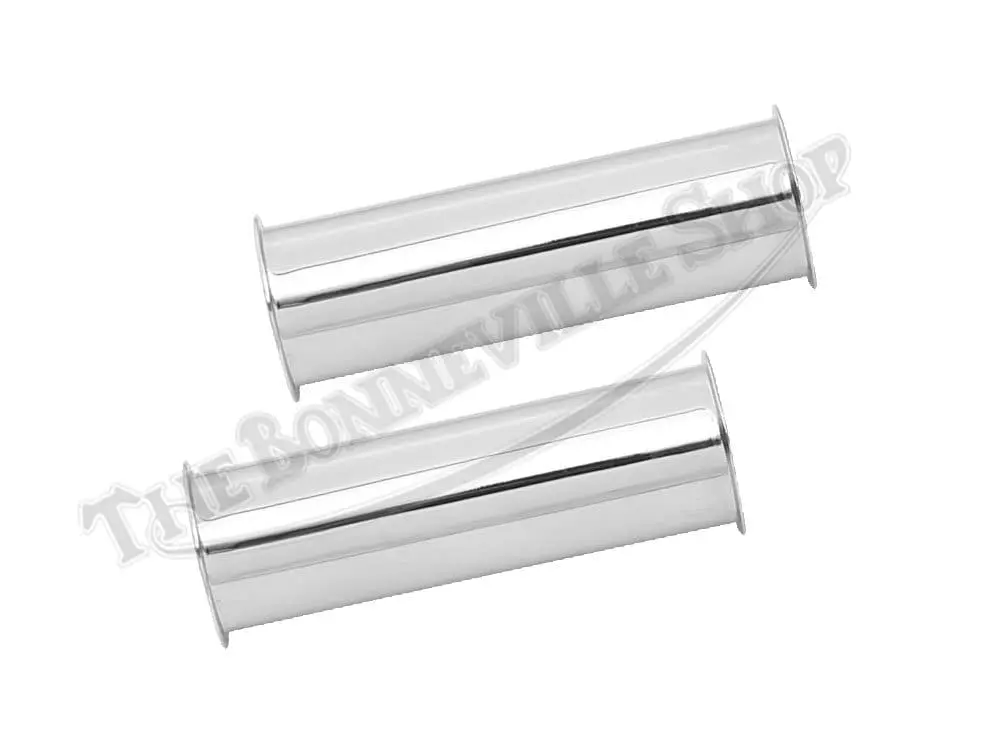

Triumph 650 750 Kibblewhite MN-Bronze Inlet/ Exhaust Seal Valve Guides (2) PN# 70-2899 S 70-2900 71-3294 71-3295
$37.79 – $37.82Price range: $37.79 through $37.82

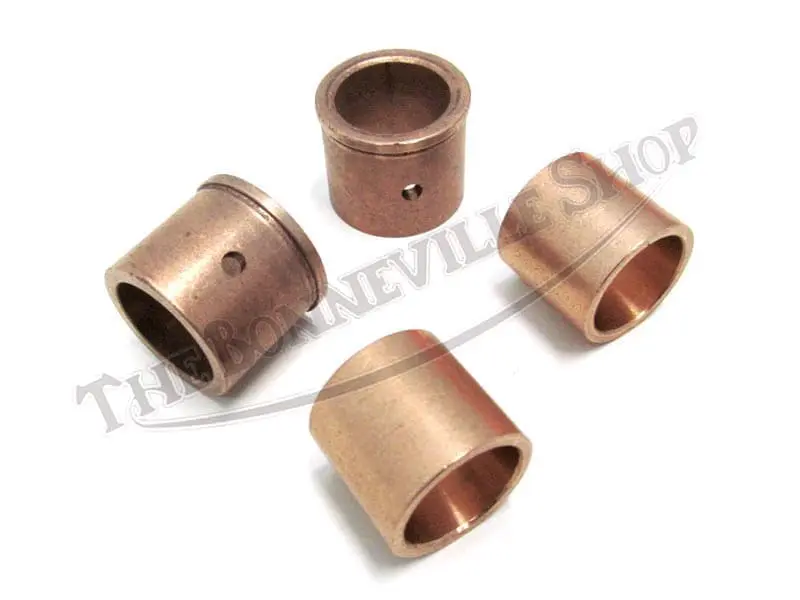

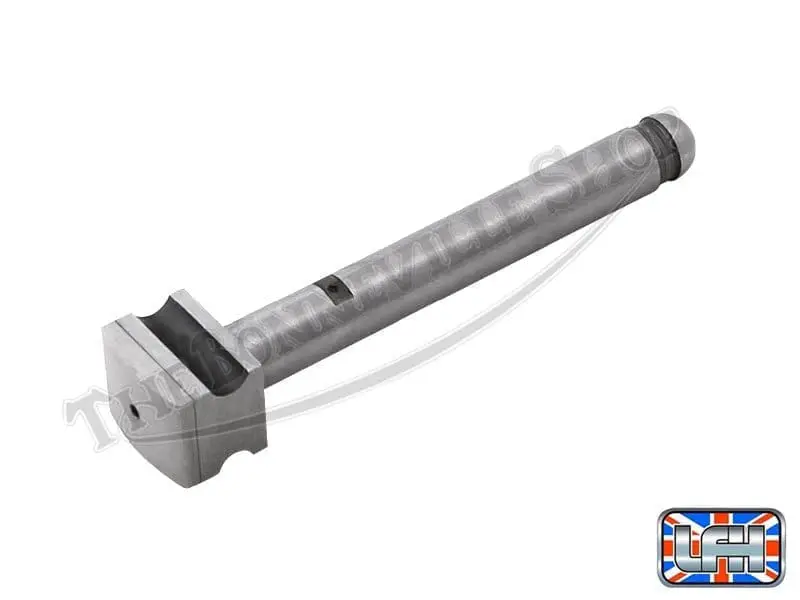
Triumph 650 750 TR6 T120 TR7 T140 Exhaust Cam Follower / Tappet(s) PN# 70-8801
$96.73 – $187.19Price range: $96.73 through $187.19
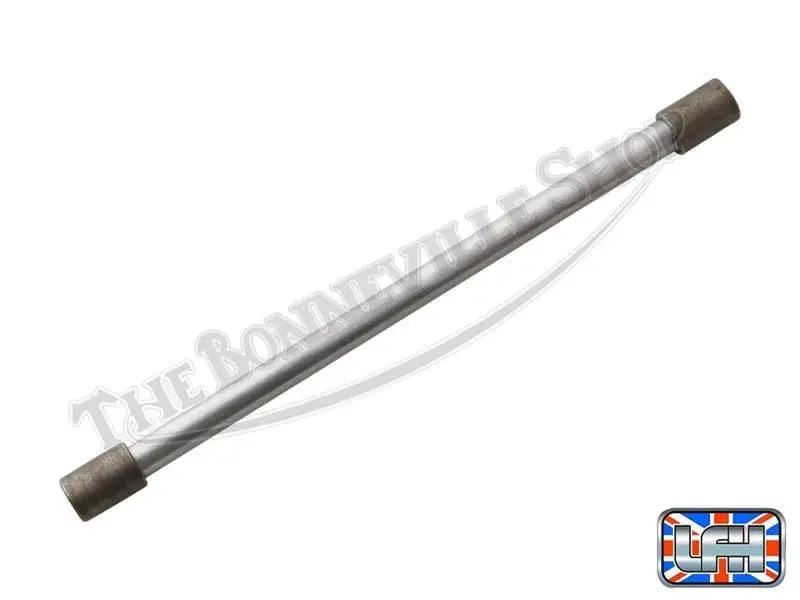
Triumph 750 T160 Trident Engine Pushrod(s) PN# 71-3974
$20.10 – $93.17Price range: $20.10 through $93.17

Triumph 750 T150 Trident Engine Pushrod(s) PN# 71-1238
$23.05 – $108.66Price range: $23.05 through $108.66


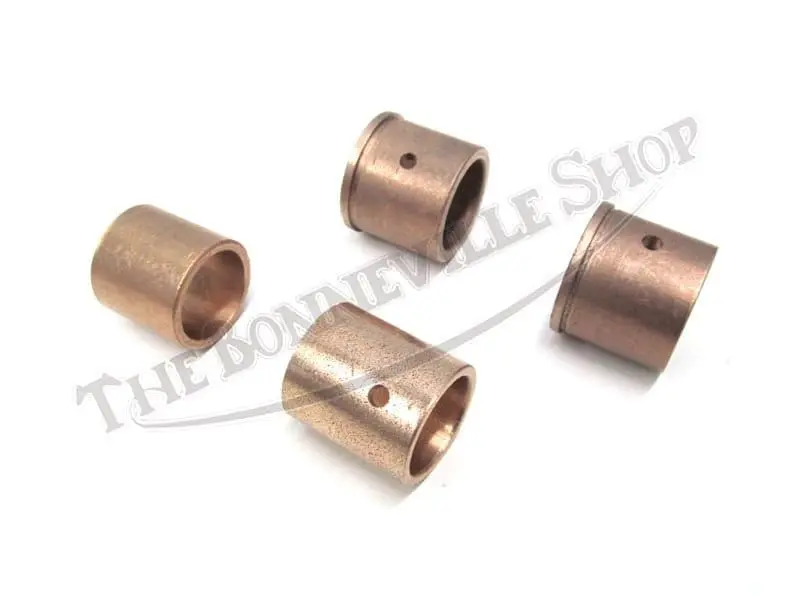

Triumph 750 TR7 Tiger T140 Bonneville Rocker Box Gasket(s) 1973-82 PN# 71-3673 E13673
$7.98 – $13.32Price range: $7.98 through $13.32

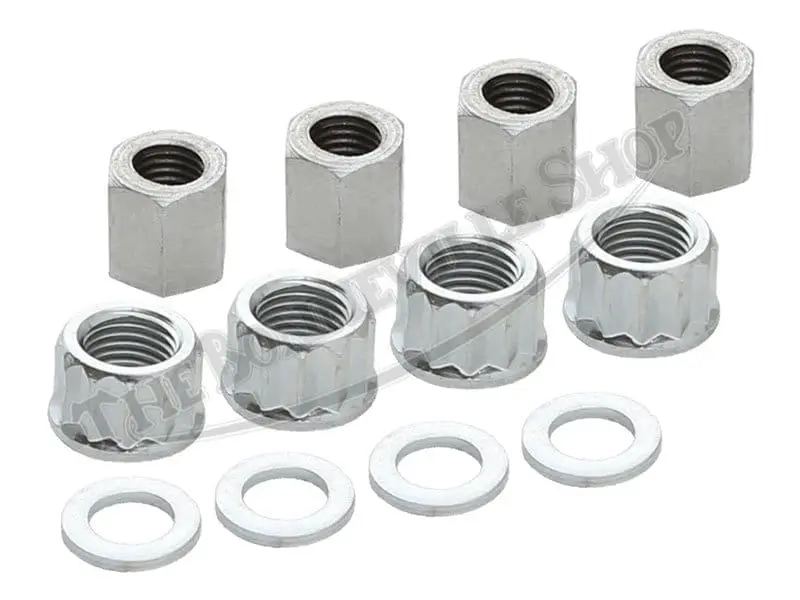
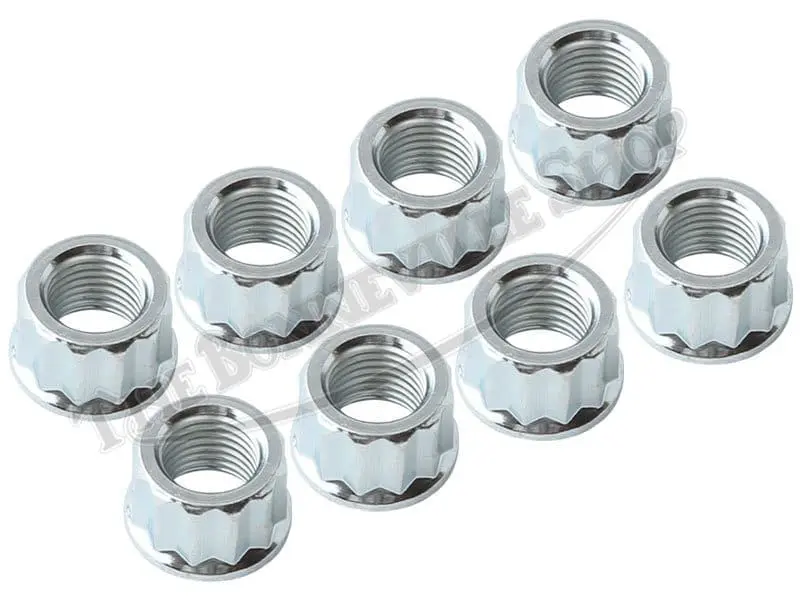
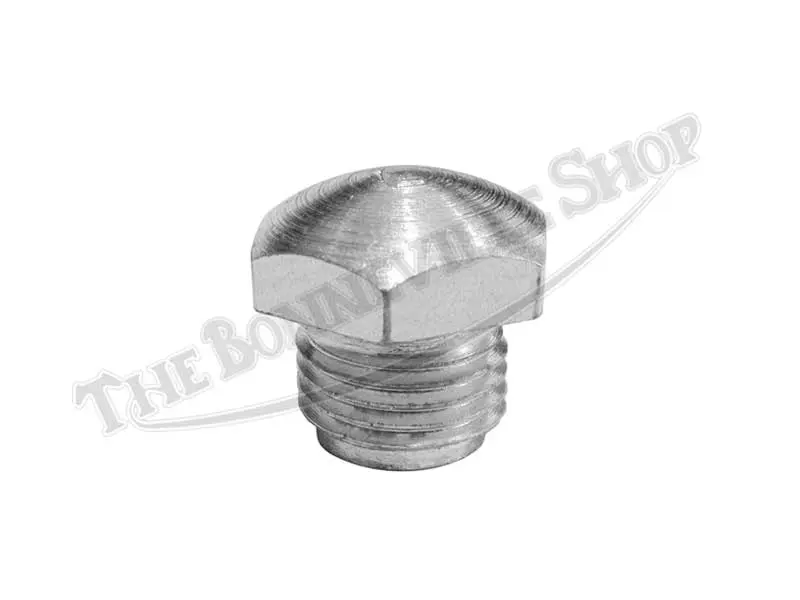
Triumph 500 650 750 Bonneville Tiger Daytona Tachometer Plug(s) PN# 21-1871
$8.91 – $12.81Price range: $8.91 through $12.81
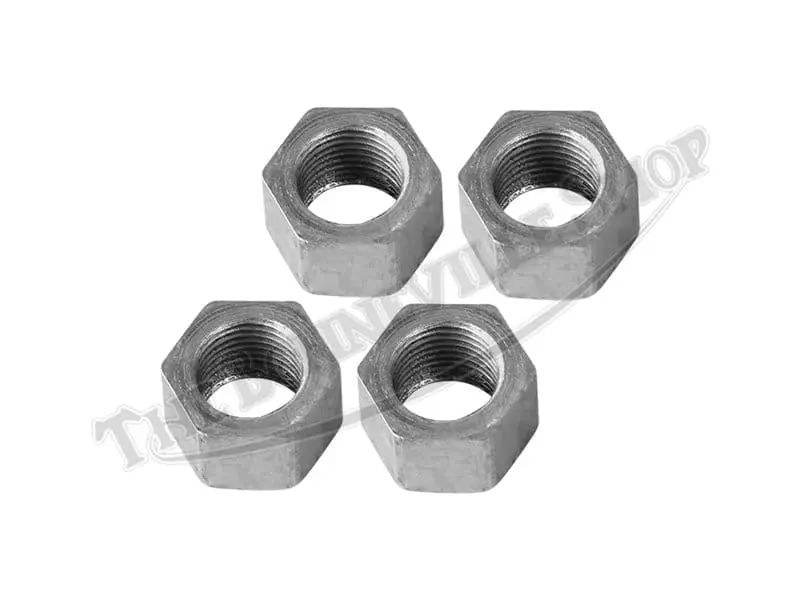
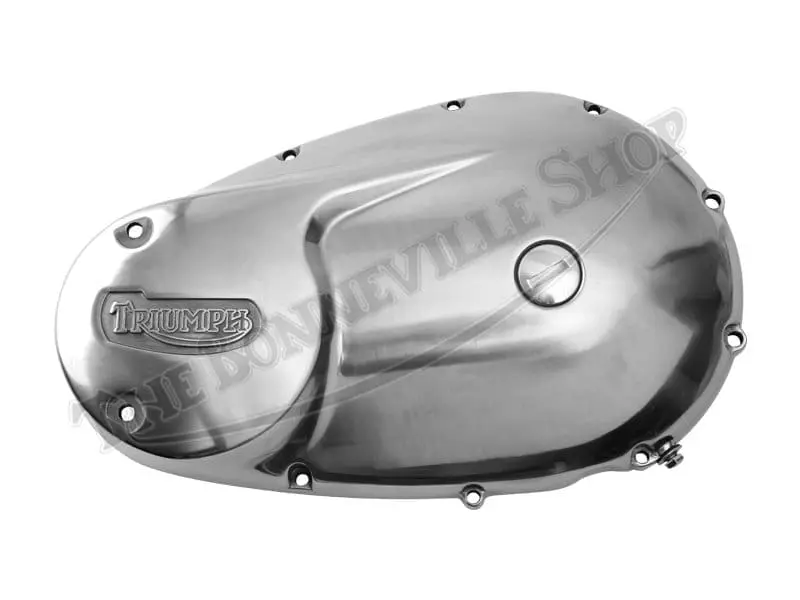
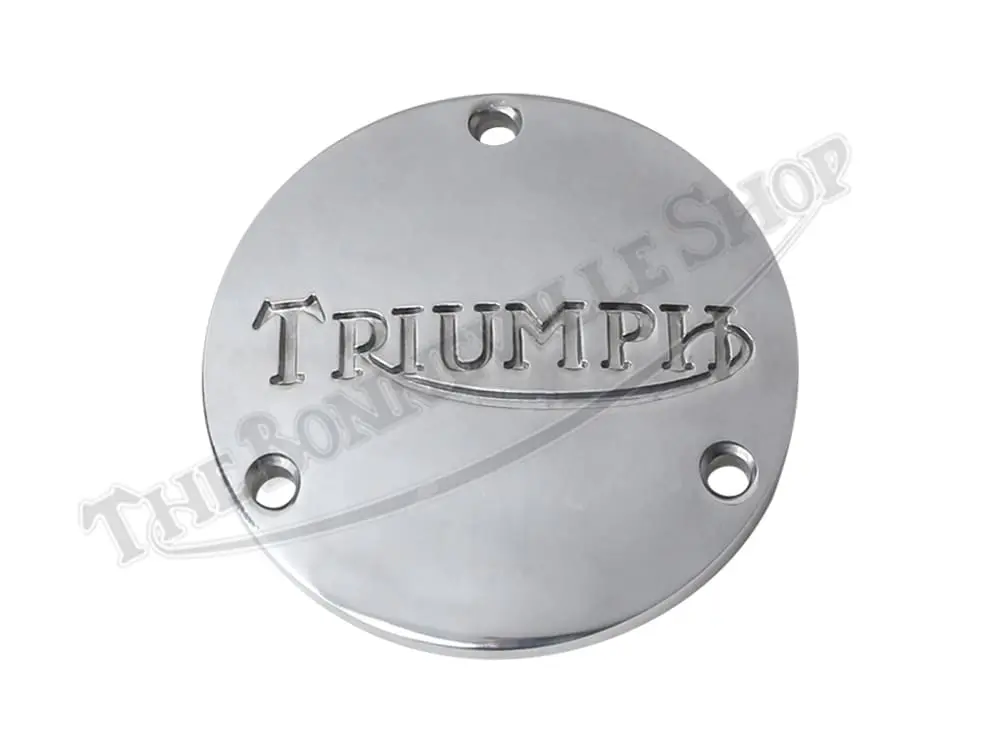
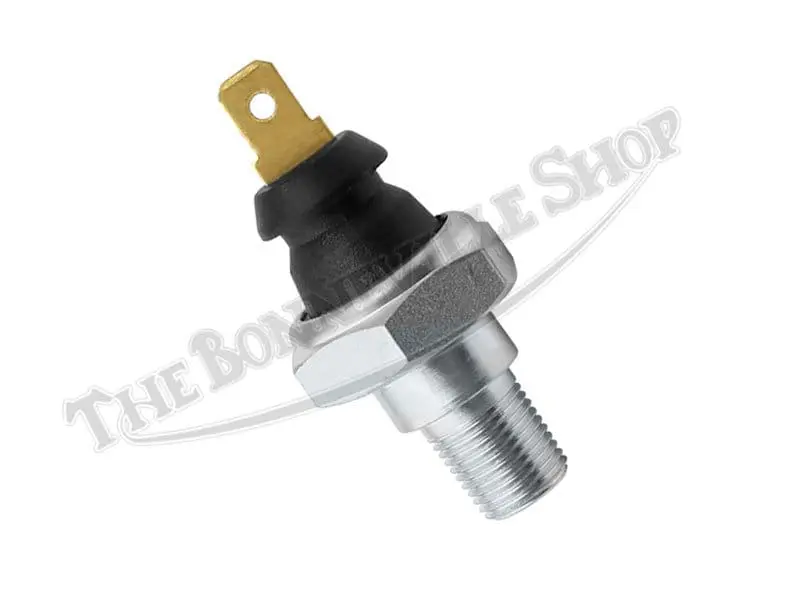

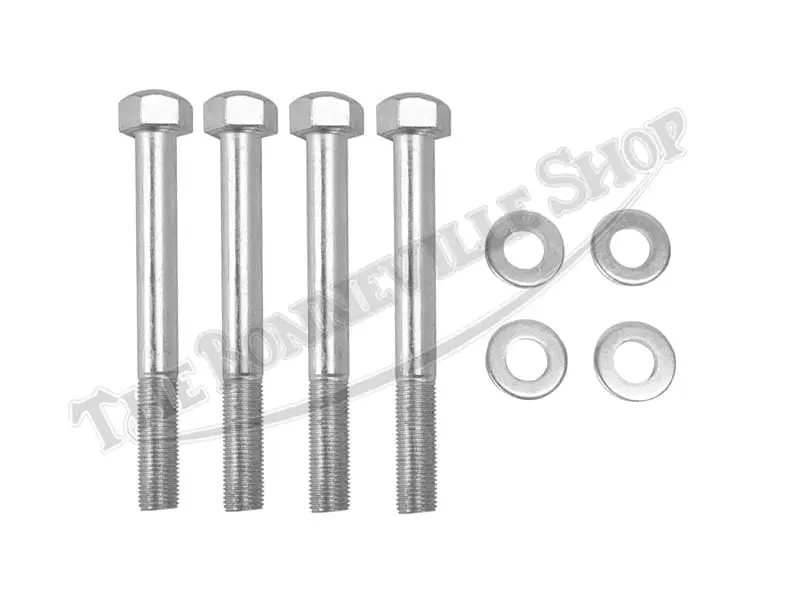
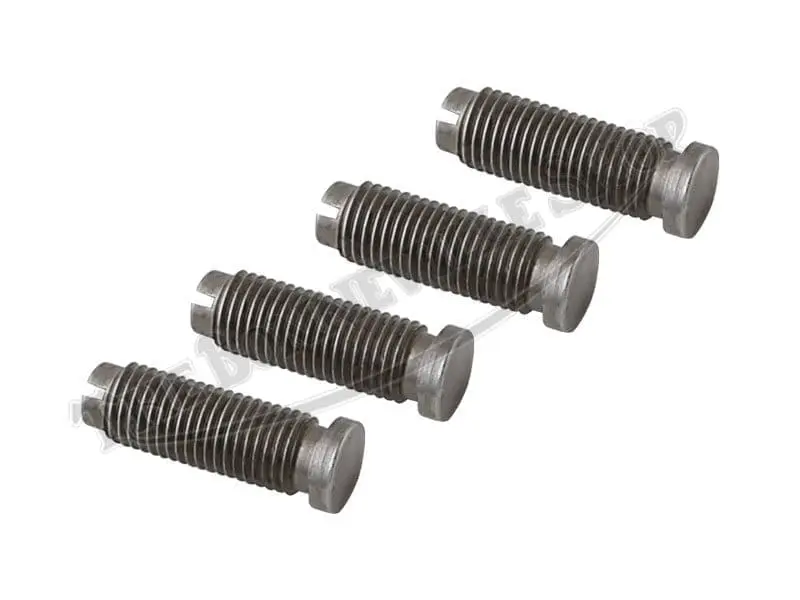
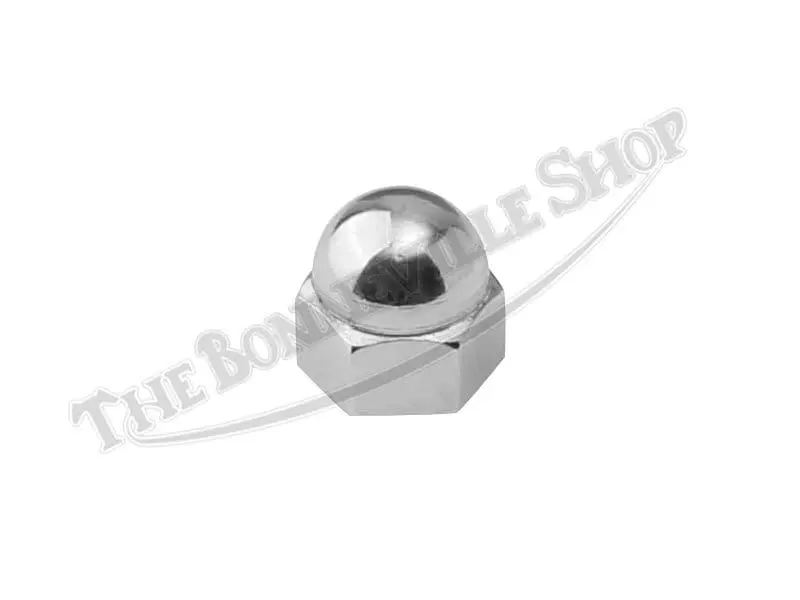
Triumph 650 750 Chrome CEI Rocker Spindle Nut(s) 3/8 inch X 26 TPI PN# 70-1435
$14.16 – $37.52Price range: $14.16 through $37.52

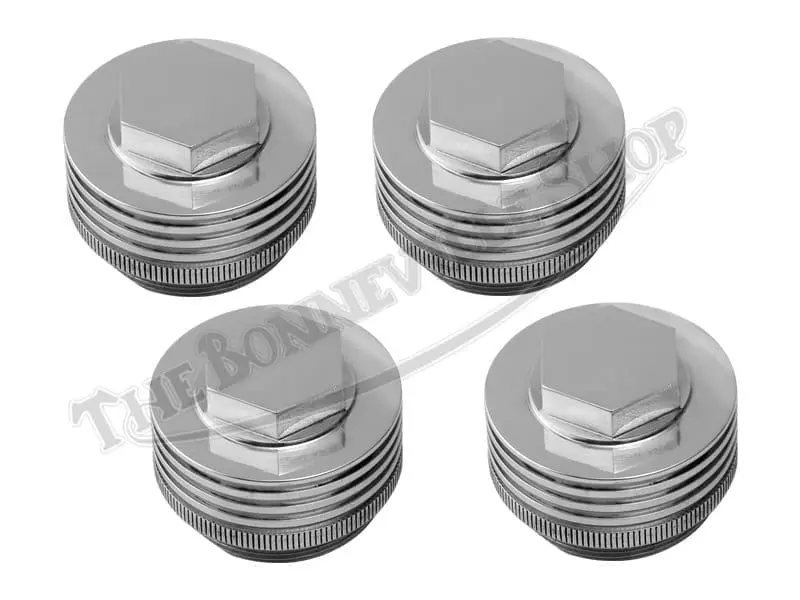
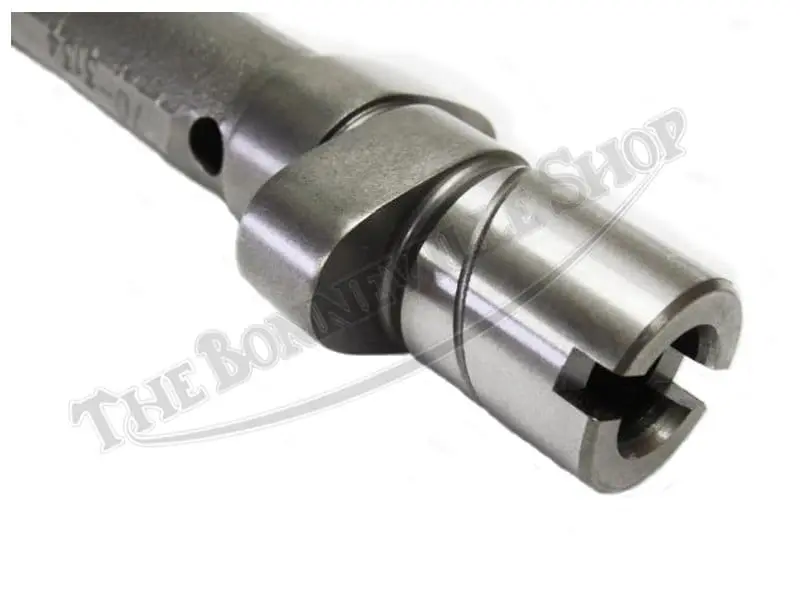


Triumph TR6 T120 TR7 140 Bonneville Tiger Trophy CEI Crank End Stud(s) PN# 70-3114
$10.88 – $15.75Price range: $10.88 through $15.75

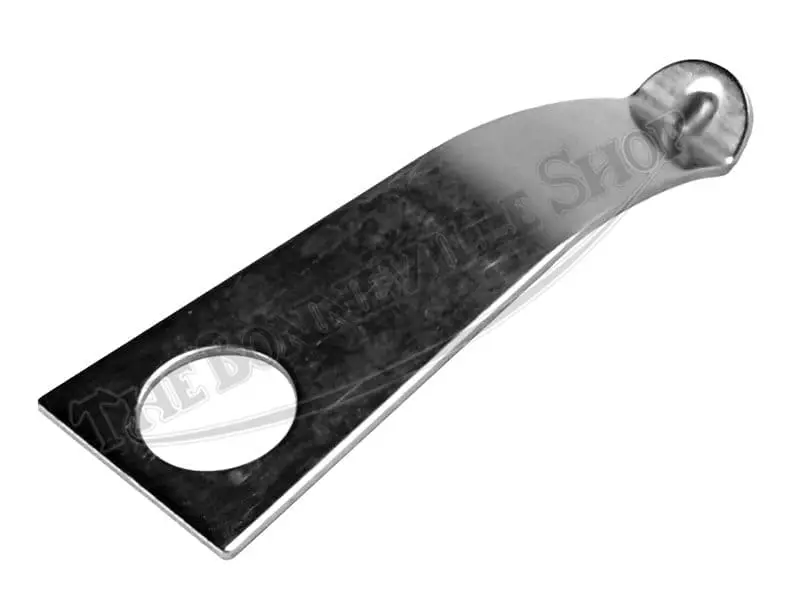
Triumph 650 Unit P-Unit Rocker Inspection Cap Spring Retaining Clip(s) PN# 70-4609 E4609
$9.14 – $19.83Price range: $9.14 through $19.83


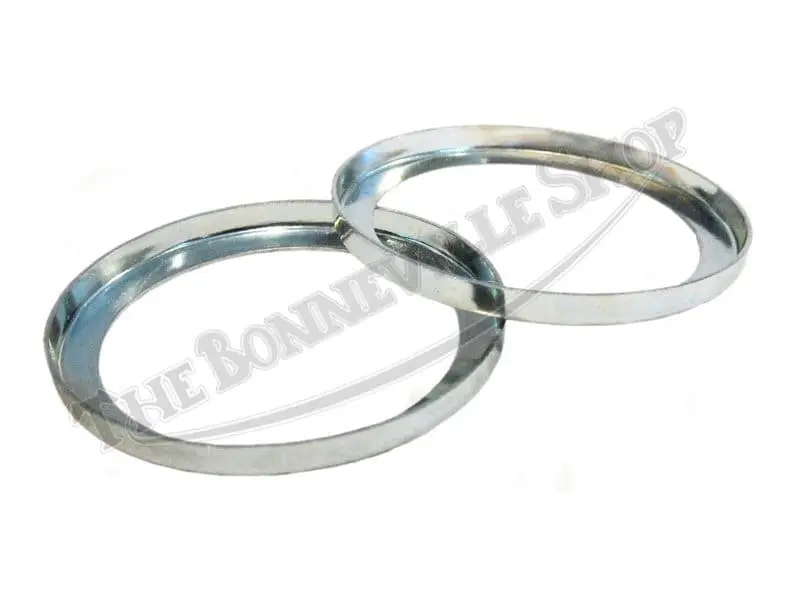

Triumph 500 650 Bonneville Tiger Daytona Tachometer And Timing Plug(s) PN# 70-4706
$8.55 – $12.18Price range: $8.55 through $12.18



Table of Contents
A Short History of the Triumph Engine
| Era | Years | Key engines | What changed |
|---|---|---|---|
| The Speed Twin arrives | 1937–1939 | 5T Speed Twin 500, T100 Tiger | Edward Turner’s 498 cc 360° parallel twin was lighter than many contemporary singles, with more power and torque. It set the template for British twins for decades (Wikipedia: Speed Twin; Edward Turner). |
| Pre-unit 650s | 1949–1962 | 6T Thunderbird, T110, TR6, T120 Bonneville | The 650 Thunderbird (71 × 82 mm, 649 cc) was launched in September 1949 for the US market. The Bonneville followed in 1959 (Wikipedia: Thunderbird; Wikipedia: T120). The engine and gearbox are separate units, with magneto ignition and dynamo or alternator charging. |
| Unit construction | Late 1950s (350/500 C-range); 1963 (650 B-range) | 3TA, 5TA, T90, T100, 6T, TR6, T120 | Engine and gearbox share one casing. The 650s gained a 9-stud head and barrel in 1963 (JRC Engineering; webBikeWorld). |
| Triples | 1968–1975 | T150 Trident, X75 Hurricane, T160, BSA A75 | Triumph’s 750 cc OHV triple. The T160 added electric start and forward-inclined cylinders (Wikipedia: Trident/Rocket 3). |
| Oil-in-frame (OIF) | 1971 on | T120, TR6, T100 | A shared BSA/Triumph frame carries the engine oil, and rocker boxes are located by dowels (Wikipedia: T120; BMC Motorcycles). |
| 750 twins | 1973–1983 | T140V, TR7, T140E, T140ES, TSX, TSS | Early T140Vs were 724 cc, then 744 cc with a 76 mm bore, a 10-stud head and a 5-speed gearbox. The E (emissions) model arrived in 1978, and the ES with electric start in 1980 (Wikipedia: T140). |
| The Meriden Co-operative | 1975–1983 | T140 range | Workers restarted Bonneville production in March 1975, and the co-operative was liquidated in August 1983 (Motorcycle Classics; Run Moto Run). |
For model-by-model detail, see the Ian Chadwick Triumph timeline and TMB Books’ Bonneville model list.
What Makes Triumph Engines So Good
- Light, narrow and torquey. The parallel twin made more power than a single without the bulk of a four. That’s why other British makers copied it (Run Moto Run).
- Simple to work on. It’s air-cooled with two valves per cylinder, two gear-driven camshafts, and pushrods you can adjust with basic tools.
- Very tunable. Twin-carb heads, performance cams, high-compression pistons and 650-to-750 big-bore kits have been used since the Bonneville’s salt-flats era.
- Excellent parts support. Many parts carry over between years and models. For example, T140 tappet blocks fit any 650 from 1969 on (JRC Engineering), and the original-specification suppliers are still in business.
- A huge knowledge base. Factory manuals, owners’ clubs and decades of forum experience mean almost every problem has a known fix.
What’s a Pain with Triumph Engines
Oil leaks, especially at the top end
Triumph twins use external pushrod tubes. Meriden revised the tappet blocks, tubes and seals many times, but never fully eliminated leaks (our top-end sealing article; JRC Engineering). On 1970 and earlier engines, head bolt tension is applied through the rocker boxes, so squashed rocker box gaskets lose clamp and leak (BMC Motorcycles).
The sludge trap
The crankshaft has a sludge trap that acts as a centrifugal oil filter. It can only be cleaned with the crankcases split. Cleaning it is mandatory on any bottom-end rebuild, because packed sludge starves the big ends (Classic British Spares; BMC Motorcycles). We stock the 350/500 sludge trap tube.
Wet sumping and the plunger oil pump
Grit under the pump’s check balls, or a worn scavenge plunger, lets oil drain into the crankcase or stops it returning to the tank (JRC Engineering). Late T140s received a revised four-valve pump to address this (webBikeWorld).
Main bearings
Unit 650s up to mid-1972 generally use a ball bearing on the timing side and a roller on the drive side. Five-speed models moved to a metric timing-side bearing, and some builders report cage failures with the standard 8-ball type (BMC Motorcycles). Fit the correct bearing for your cases, such as the NSK CN main bearing listed for 1966–72 650s and 1973–76 750s.
Vibration
A 360° twin vibrates, and the stiffer unit-construction engine passed more of it to the rider (Hagerty). Check fasteners, the head steady and engine mounts after a rebuild.
Mixed threads and constant change
Triumph changed parts almost every year. Pre-1969 engines use mostly CEI threads, and later engines use UNF/UNC. Early T140s still had four 3/8″ CEI head bolts until mid first year (BMC Motorcycles). See our Triumph hardware guide.
Early T140 quality
The first 750s had well-documented quality problems (Hagerty), and head-gasket sealing on 10-stud heads needs care.
Key Things for New Triumph Mechanics to Watch For
- Identify the engine before buying anything. Read the engine number, then use a Triumph parts book and workshop manual for that year. Engines are often swapped between frames.
- Know your era. Pre-unit, unit and OIF parts often look alike but don’t interchange. For example, an 8-stud pre-unit barrel and a 9-stud unit barrel have different stud spacing, so a 9-stud head won’t bolt to an 8-stud cylinder (JRC Engineering).
- Match the bore:
- 69 mm for 500s
- 71 mm for 650s
- 76 mm for 750s (early T140Vs were 724 cc)
- Order pistons in the bore’s current size (standard or oversize) after measuring.
- Set pushrod tube crush. The head should sit about .030″–.040″ off the gasket before torquing. Adjust with seal thicknesses or head gasket thickness. Too much crush warps the head, and too little leaks (our article). Thicker copper gaskets, such as the .080″ T140 head gasket, help after head skimming.
- Remember 750 pushrod tubes are shorter than 650 tubes (JRC Engineering).
- Always clean the sludge trap whenever the crank is out.
- Check the cams and followers together. Fit new or reground followers with new cams, and use nitrided cams where available. Check the cam bushes for wear: 1950–69 or 1970–88.
- Use original-specification fasteners. Use the correct-thread engine bolt kit and rod bolts for your year, and never reuse rod bolts.
- Retorque and readjust. Retorque the head and reset tappet clearances after the first heat cycles and short run-in, as the manual specifies.
- Fix the oil system first. Clean the oil tank and frame (OIF frames trap debris after an engine failure), replace the filters, check the pump, and confirm oil returns to the tank on first start. An oil pressure gauge kit makes this easier.
Shop Triumph Engine Parts by Type
Pistons and rings
500 (69 mm):
- T100 Hepolite piston set 1967–74
- T100 Hepolite set 1958–66
- 500 pistons with Grant rings 1967–74
- 500 Hepolite rings
650 (71 mm):
- 650 Hepolite piston set 1959–72
- T120/TR6 pistons with Grant rings
- Pre-unit 7:1 piston set
- 650 Hepolite rings
- 650 AE/Goetze rings
750 (76 mm):
- 750 Hepolite set 1973–78
- 750 low-compression Hepolite set 1979–83
- TR7/T140 pistons with Grant rings
- 750 Hepolite rings
- T140 Hastings rings
Big bore and triples:
- Aerco 650-to-750 big-bore kit
- Aerco 76 mm replacement pistons
- T150/T160 Hepolite triple rings
- Ring installation tool
Valves, guides and springs
- 650/750 G&S valves with Kibblewhite bronze guides, complete set 1964–78
- 650/750 G&S inlet valve 1966–83 and exhaust valve 1966–83
- Kibblewhite Black Diamond inlet and exhaust valves
- 500 T100 G&S inlet 1967–74 and exhaust 1967–74
- T150/A75 G&S inlet and exhaust valves
- Kibblewhite manganese-bronze guides with seals
- T140 premium exhaust guides 1979–82
- Kibblewhite valve spring sets: 650 and 750
Camshafts, tappets and valve train
- T140/TR7 nitrided cam set
- 650 half-race cam set
- 650 nitrided inlet cam
- Exhaust cam follower
- Hepolite tappet blocks: inlet 1969–79 and exhaust 1969–79
- Allen-head tappet adjusters
- Rocker arm thrust washer kit
- Rocker spindle
- Rocker oil feed pipes: T140 and T100
- Pushrod tube seal kit 1969–79
- Trident pushrods: T150 and T160
Crankshaft, bearings and rods
- NSK CN main bearing
- Big-end shells: 650/750 Hepolite, 650/750 to 1982 and 350/500
- Triples: main bearing shells and conrod shells
- Hepolite H-beam 4340 conrods
- Forged rod nut and bolt set
- Small-end bushes
- Flywheel bolt
- Sludge trap tube (350/500)
Barrels, heads and rocker boxes
- Barrels: pre-unit 8-hole 1950–62, 9-stud 1963–72 and T140 10-hole 1973–80
- Heads (special order): TR6 9-stud head 1963–72 and TR7 10-stud head 1973–82
- 650 rocker box pair 1963–70
- Copper rocker box base gasket
- T140 head socket nut and bridge plate set
- T140 head steady
Gasket sets and seals
- Unit 650 top-end decoke set
- Pre-unit 650 top-end set
- Unit 500 top-end set
- T140 top-end set
- T120/TR6 4-speed oil seal kit
- Triples: T150 complete gasket set, T160 complete gasket set and oil seal kit
- More: Triumph gaskets
Engine bolt kits and studs
- Complete engine bolt set 1971–82
- T120 engine case bolt set 1963–66
- Unit 650 head bolt kit 1963–70
- T100 head bolt set 1961–74
- 750 base stud set
- T140 base nut kit
- More: Triumph hardware
Installation and Usage Tips
- Build clean. Wash the cases, clean all oilways and the sludge trap, and flush the oil tank or OIF frame.
- Measure, don’t guess. Check the bore, piston-to-bore clearance, ring end gap, big-end clearance with Plastigauge, valve stem-to-guide clearance, and crank end float.
- Fit valve guides with the head hot. Then re-cut the seats concentric with the new guides.
- Head gaskets. Use a new copper gasket for your engine. Anneal it if the instructions say so. Torque in the manual’s sequence, and retorque when it says to.
- Pushrod tubes. Set crush to about .030″–.040″ before final torque. Use Viton seals on 1969-and-later engines (JRC Engineering).
- Rocker boxes. On 1970 and earlier engines, use copper or wire-reinforced rocker box gaskets on flat faces, and check the head bolt torque again after heat cycles (BMC Motorcycles).
- Cams and followers. Lubricate them generously on assembly, and follow a proper run-in.
- Valve timing. Align the timing marks on the crank, intermediate and cam gears as the manual shows.
- First start. Prime the oil system, check that oil returns to the tank within a minute or so, and watch the oil pressure.
- Run-in. Vary the revs, avoid lugging, change the oil early, and recheck the head torque, tappets and fasteners.
- Tools. You’ll need Whitworth/BSF and AF spanners, a torque wrench, and Triumph-specific pullers. Browse Triumph service tools and engine tools.
Related Triumph Categories
Vintage Triumph parts · Triumph gaskets · Triumph hardware · Triumph oil & air · Triumph carburetor · Triumph clutch & primary · Triumph transmission · Triumph electrical · Triumph exhaust · Triumph frame · Triumph manuals · Triumph parts books · Triumph service tools · BSA engine · Norton engine
Brands: Hepolite · Hastings · Grant · G&S Valves · Kibblewhite · Aerco · LF Harris
Further Reading (external)
- Triumph Speed Twin – Wikipedia
- Triumph Bonneville T120 – Wikipedia
- Triumph Bonneville T140 – Wikipedia
- BSA Rocket 3 / Triumph Trident – Wikipedia
- Ian Chadwick – Triumph timeline
- JRC Engineering – Triumph tappet blocks and pushrod tubes by year
- JRC Engineering – wet sumping fix
- Classic British Spares – sludge trap information
- BMC Motorcycles – owning a T140
- BMC Motorcycles – twin and triple crankshaft issues
- Hermit.cc – unit 650 overhaul manual
Vintage Triumph Engine FAQs
How do I identify my Triumph engine?
Read the engine number stamped on the left crankcase below the cylinder base. Then compare it with a dating guide or the parts book for that year. Engines and frames are often mismatched on older bikes.
What is the difference between pre-unit, unit and oil-in-frame Triumphs?
Pre-unit engines (650s to 1962) have a separate gearbox. Unit-construction engines (650s from 1963) put the engine and gearbox in one casing. Oil-in-frame (from 1971) refers to the frame that carries the oil, which came with engine revisions. Many parts differ between these eras.
What piston size does my Triumph use?
Standard bores are 69 mm for 500s, 71 mm for 650s and 76 mm for most 750s. Measure the bore, then order standard or the matching oversize.
Can I convert my 650 to 750?
Yes. Our Aerco (Morgo/Routt-type) big-bore kit is listed for 1963–72 650s. Always check the head-stud pattern and the machining required.
Why do Triumph twins leak oil from the top end?
Mostly from the external pushrod tubes and, on pre-1971 engines, from rocker box gaskets losing clamp. Setting about .030″–.040″ of pushrod tube crush and using the right seals cures most leaks.
What is the sludge trap, and do I have to clean it?
It’s a centrifugal oil filter inside the crankshaft. Yes, clean it on every bottom-end rebuild. It can only be reached with the cases split, and a packed trap starves the big ends.
Why does my Triumph wet sump?
Usually because grit holds a check ball open, or the scavenge plunger is worn. Clean or overhaul the oil pump first. An anti-sump valve won’t fix a pump that can’t scavenge.
Are 650 and 750 parts interchangeable?
Some are. T140 tappet blocks fit 650s from 1969 on, for example. But pistons, barrels, heads, pushrod tubes and gaskets are generally specific to capacity.
Will a 9-stud head fit my 8-stud pre-unit barrel?
No. The stud spacing differs. A complete 9-stud top end can be fitted to pre-unit crankcases, but that’s a larger conversion.
G&S or Kibblewhite valves: which should I choose?
G&S makes UK original-specification valves, which suit originality. Kibblewhite Black Diamond valves are a durability-focused upgrade. Either way, match the valves to suitable guides and springs.
Do I need new cam followers with new cams?
Yes. Fit new or reground followers with new or reground cams, and use a careful run-in. Worn followers ruin new cam lobes.
What main bearings does a Triumph twin use?
It depends on the year. Unit 650s to mid-1972 generally use a ball bearing on the timing side and a roller on the drive side, and later 5-speed engines use a metric timing-side bearing. Check the listing years and your cases.
Should I use a copper or composite head gasket?
Copper is common on Triumph twins and can be annealed. Thicker copper gaskets (such as .080″) help restore pushrod tube crush after a head is skimmed. Follow the gasket maker’s and the manual’s instructions.
Do you sell parts for Trident triples?
Yes. The range includes T150/T160 and BSA A75 bearing shells, piston rings, pushrods, complete gasket sets and oil seal kits.
What should I do on first start after a rebuild?
Prime the oil system, confirm that oil returns to the tank, check for leaks, and follow a varied-rpm run-in. Change the oil early and retorque as the manual instructs.