

Shop vintage Triumph carburetors and fuel-system parts for Bonneville, Tiger, Trophy, Daytona and Trident motorcycles. Explore Amal carburetors and components, Wassell replacement parts, rebuild kits, jets, inlet manifolds, throttle cables, fuel lines and petcocks. The right Triumph carburetor depends on more than engine size. Match your motorcycle’s model and year with the carburetor series, bore, specification, mounting arrangement and single-, twin- or triple-carb layout. Check the identification stamped on your existing carburetor, and use the buying guide below to understand the details before ordering.
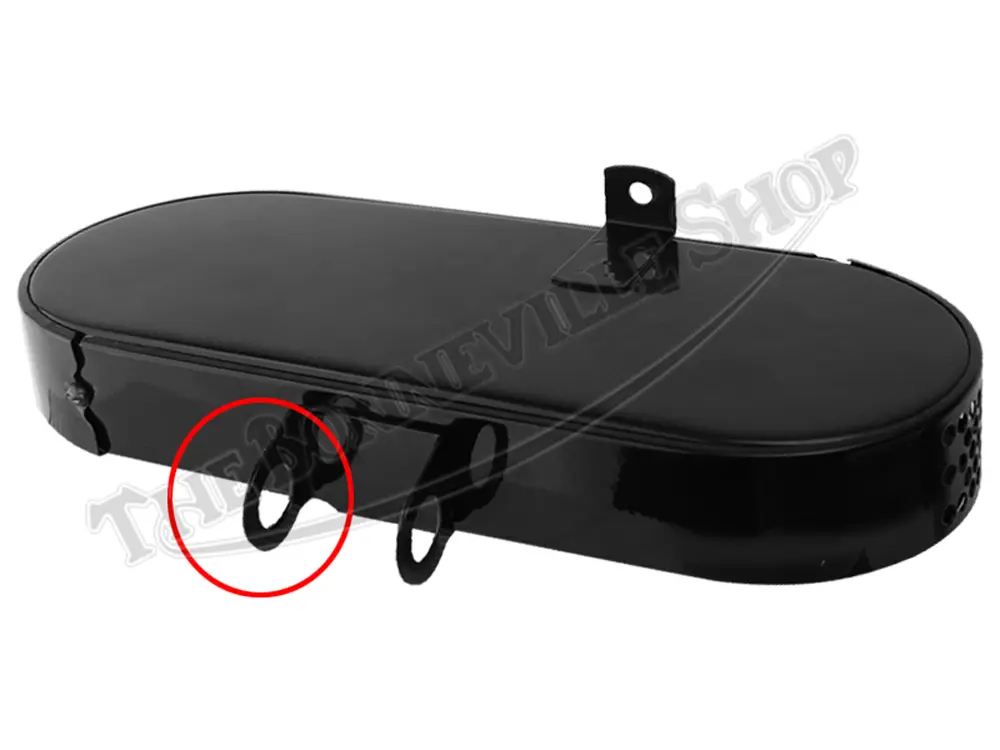
Triumph 650 T120 Bonneville Complete Air Cleaner Assembly 1963-66 Airbox PN# 70-5262-2nd
Original price was: $246.82.$233.25Current price is: $233.25.
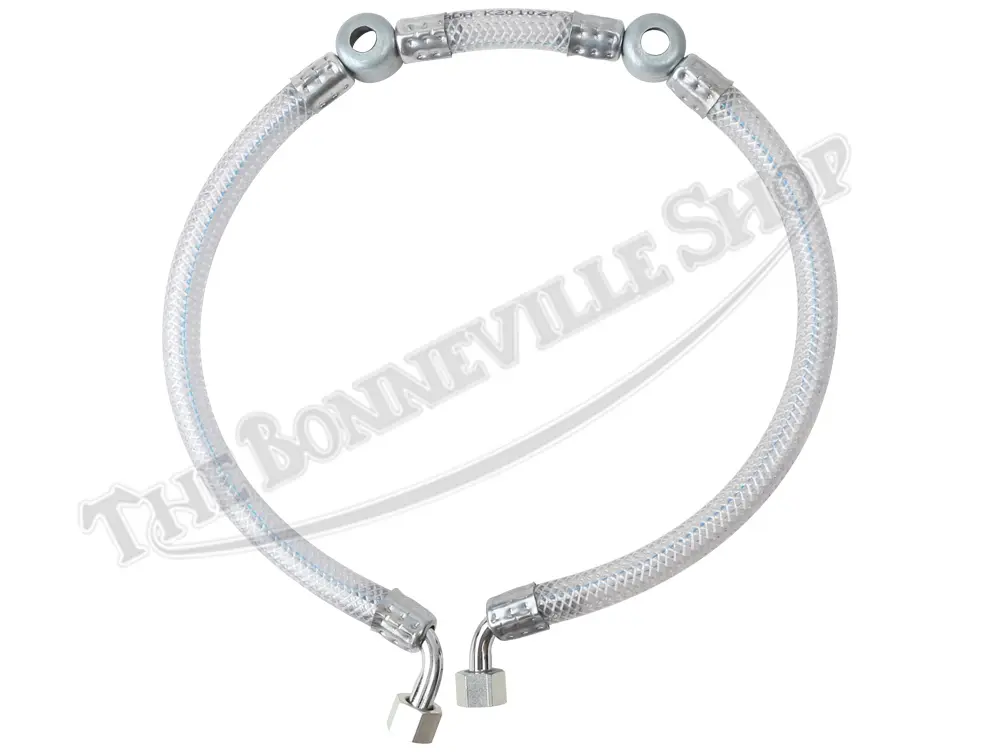
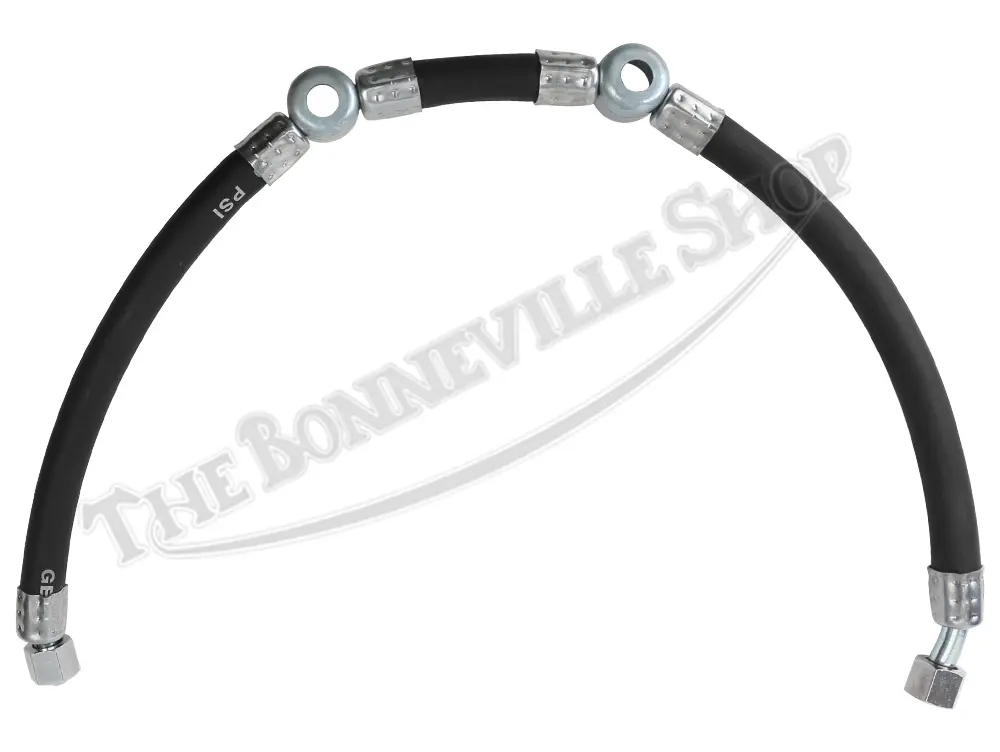
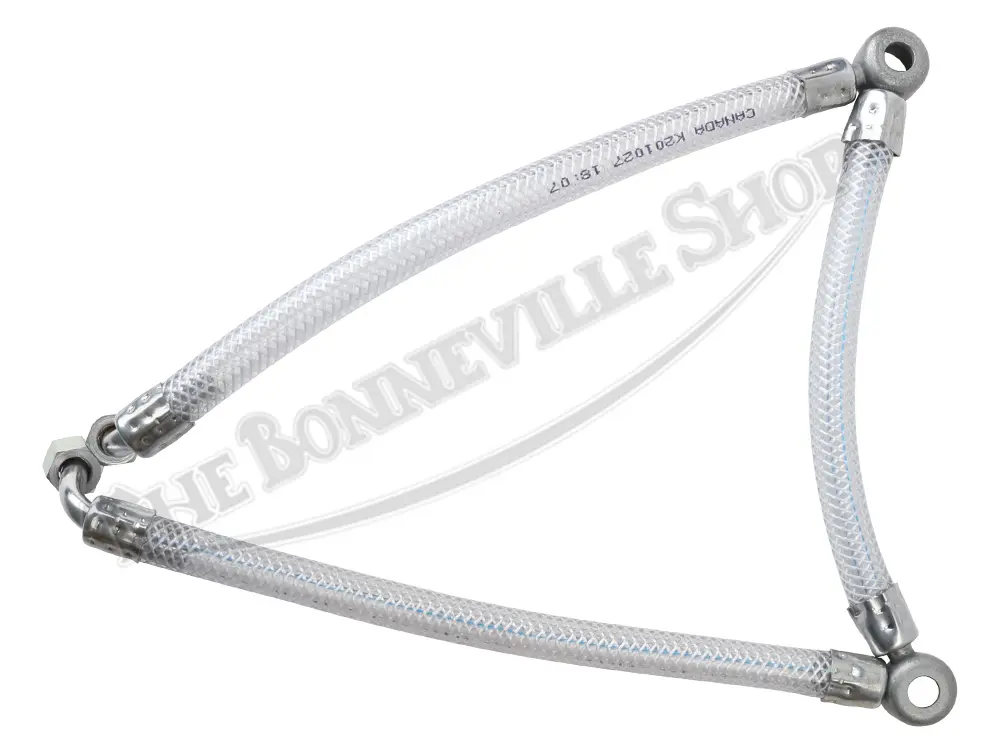
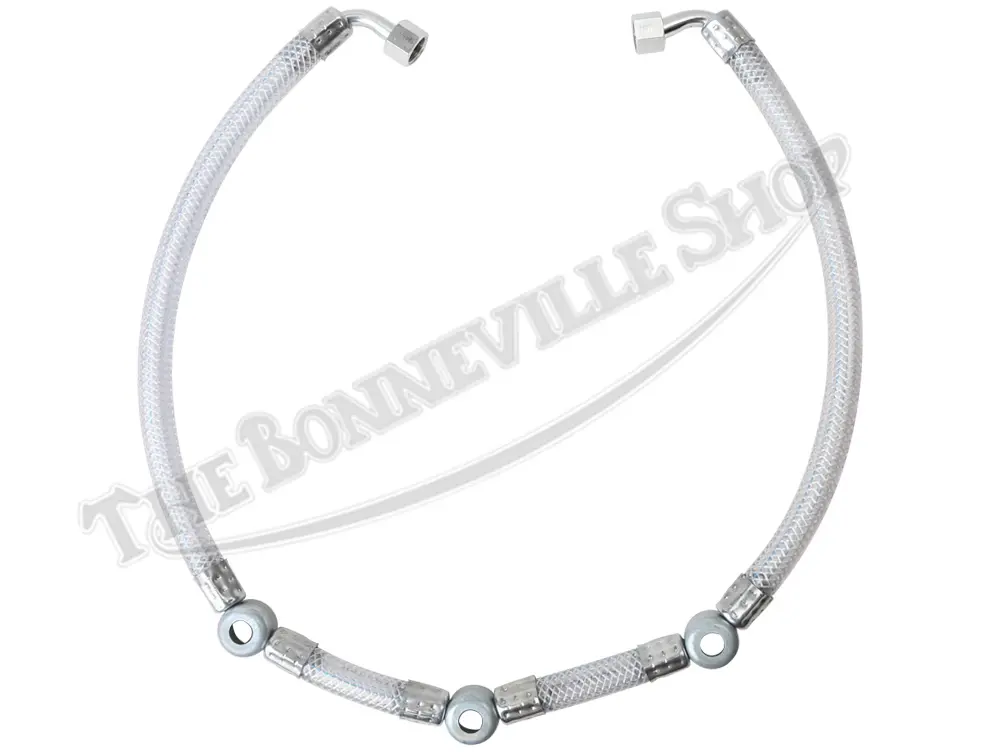
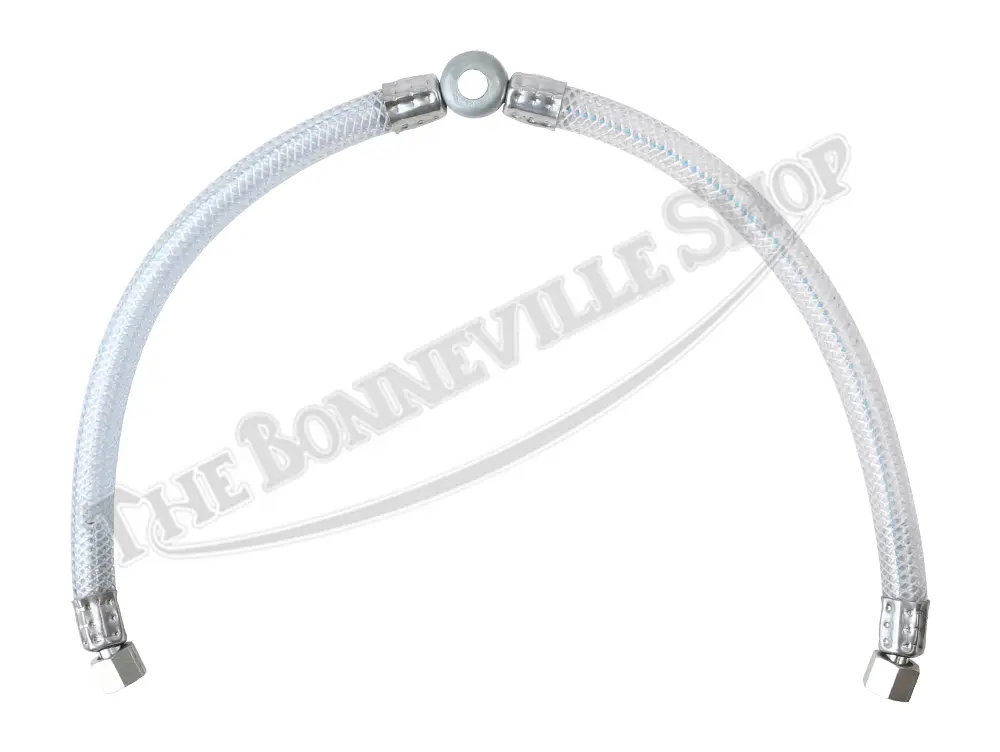
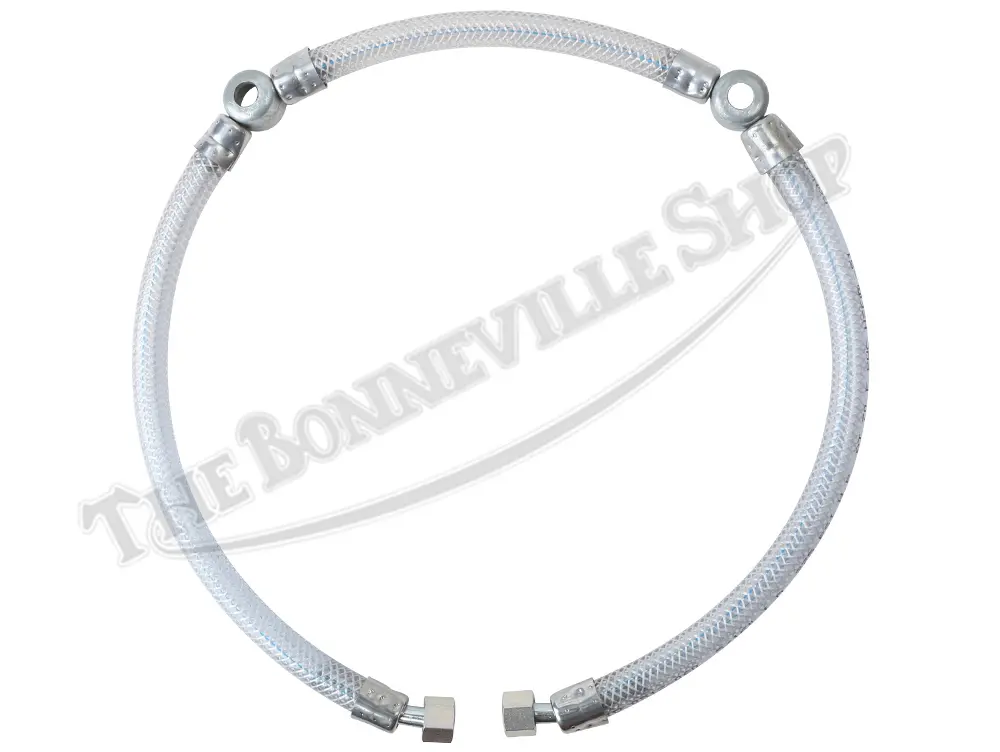
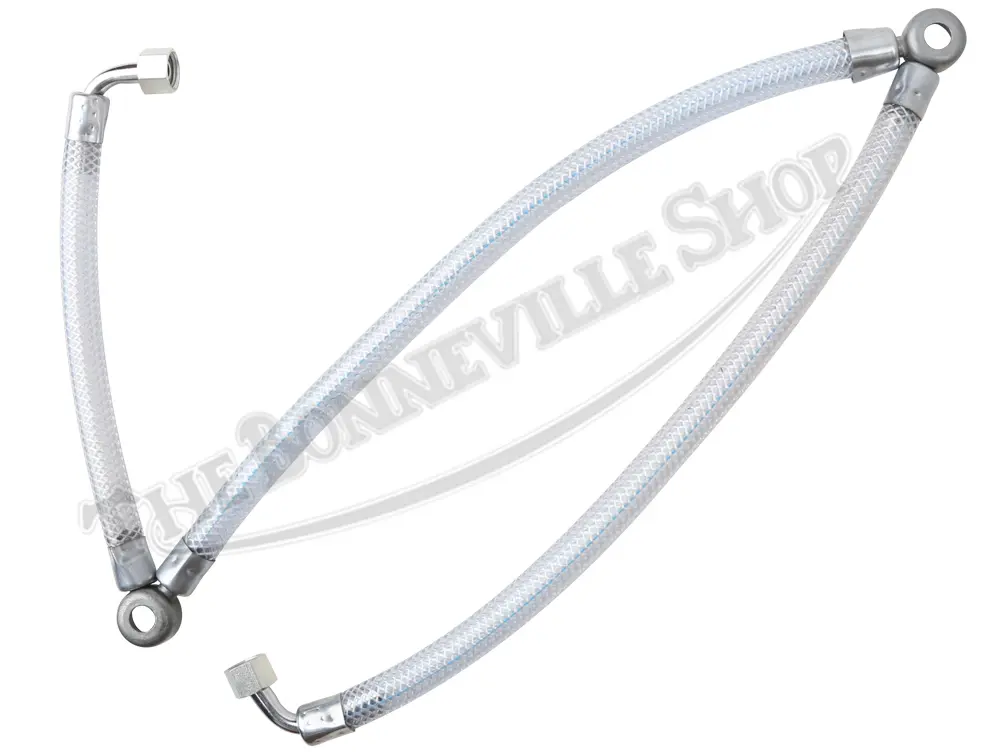
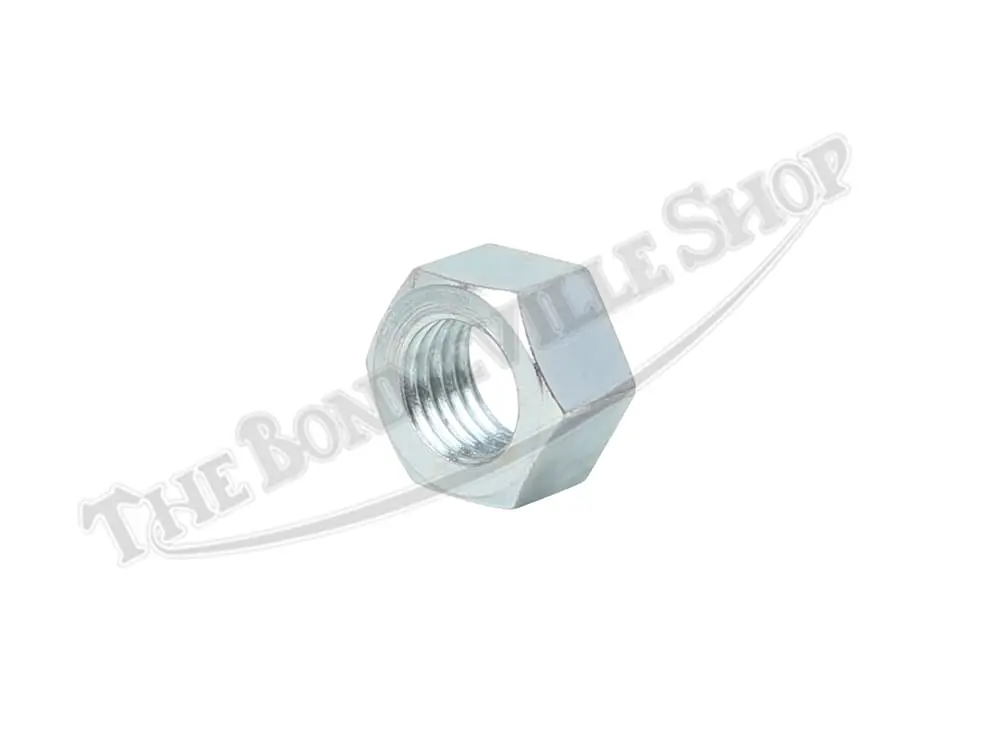
Triumph Carb Manifold Small Hex Nut(s) 5/16″ X 26 CEI PN# 70-1310 E1310
$8.18 – $16.55Price range: $8.18 through $16.55

Triumph Norton BSA Pilot Jet Genuine Amal PN# 622/502 A
$44.45 – $99.34Price range: $44.45 through $99.34
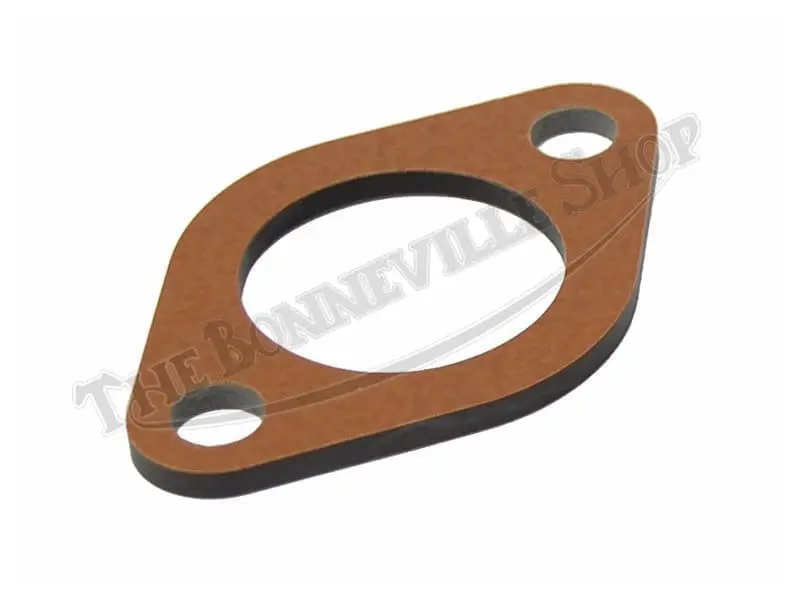
Triumph Norton BSA Phenolic Tufnol Carburetor Insulator(s) PN# 70-2968
$13.38 – $51.81Price range: $13.38 through $51.81
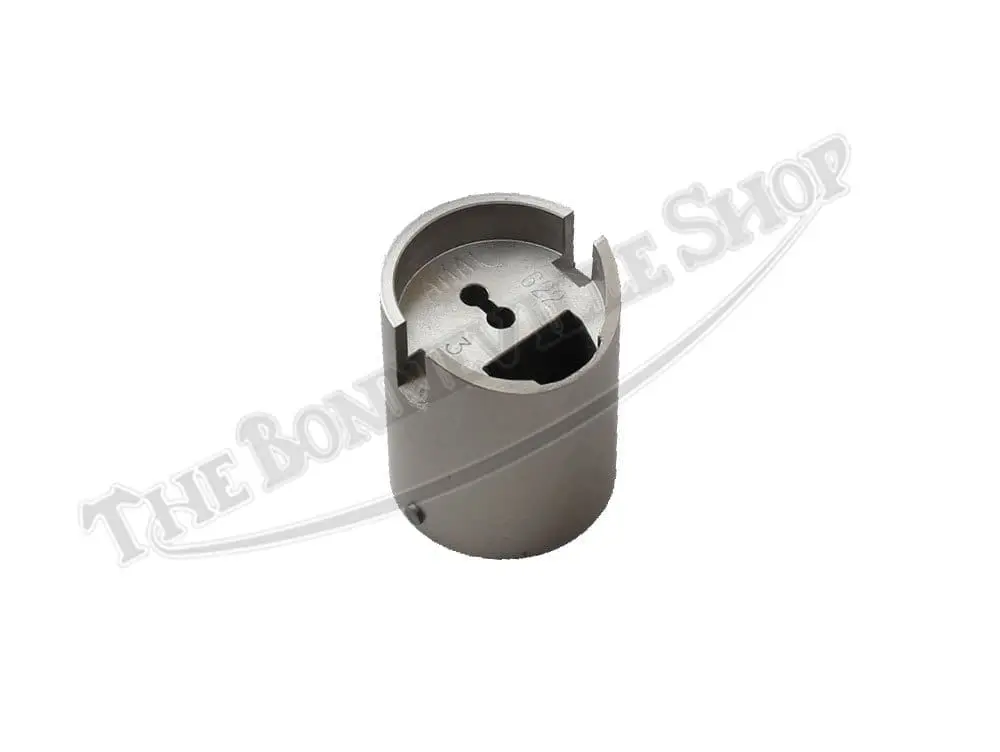
Genuine Amal Throttle Slide Hard Anodized # 3.0 Cutaway 600 Series Concentric Carburetors (1) PN# 622/060 3.0 HA
Original price was: $82.95.$72.95Current price is: $72.95.
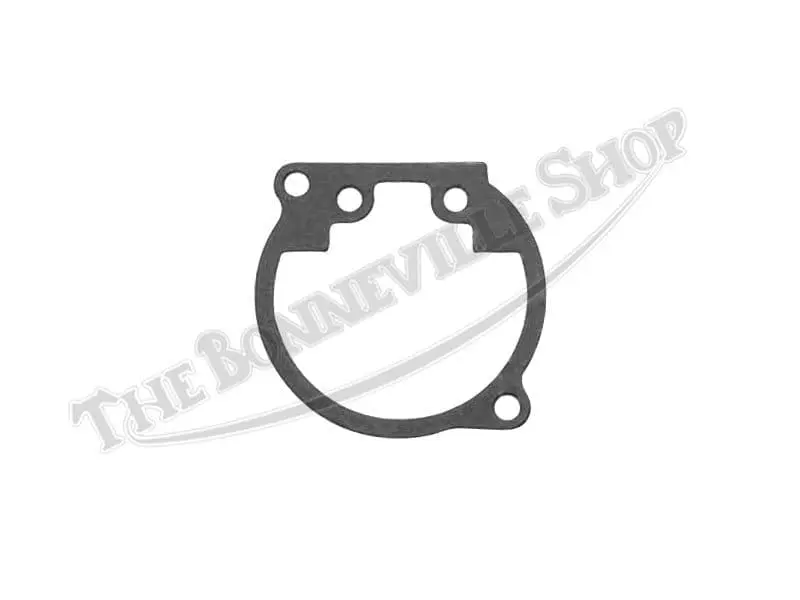
Amal Concentric Float Bowl Gasket(s) for Triumph BSA Norton etc PN# 622/073
$8.20 – $14.60Price range: $8.20 through $14.60

Triumph Norton BSA Reproduction Amal Type Matchless AJS Concentric Needle Clip(s) PN# 622/067 R
$8.93 – $12.86Price range: $8.93 through $12.86

Triumph Norton BSA Wassell Needle Jet(s) Amal-Type PN# 622/122 W
$9.96 – $15.07Price range: $9.96 through $15.07

Triumph BSA Norton Genuine Amal Concentric Needle Jet(s) PN# 622/122
$23.50 – $46.55Price range: $23.50 through $46.55

Triumph Norton BSA Genuine Amal Main Jet(s) All Sizes PN# 376/100
$12.96 – $32.13Price range: $12.96 through $32.13

5/16 inch Fuel Petrol Gas Hose Assembly Crimping Tool Set PN# TBS-3001
$113.29 – $122.83Price range: $113.29 through $122.83





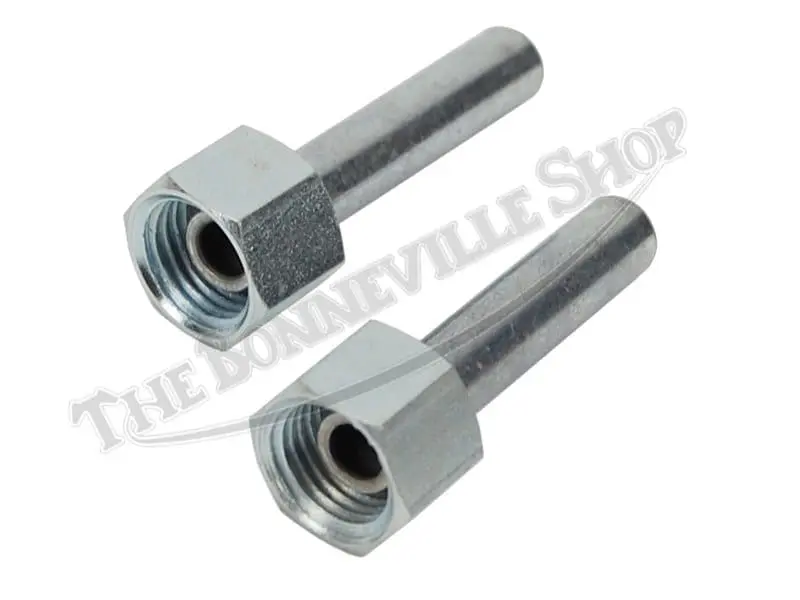

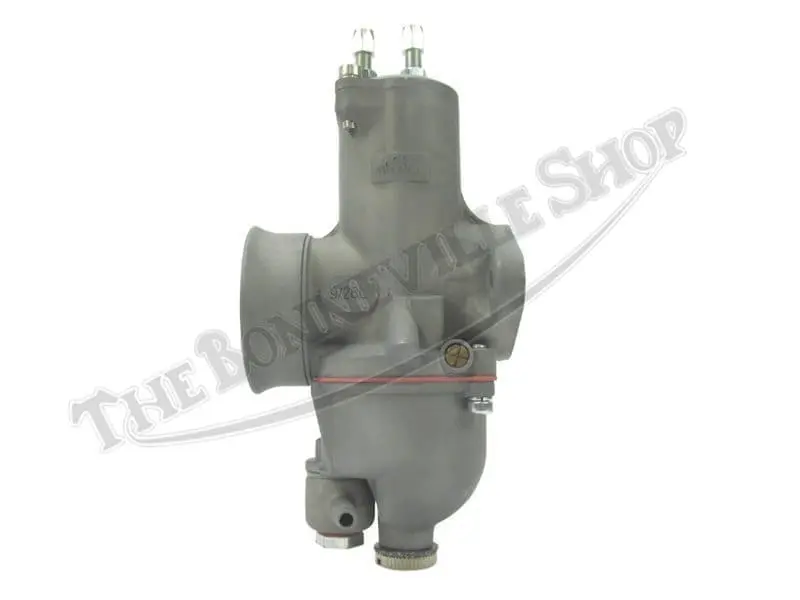
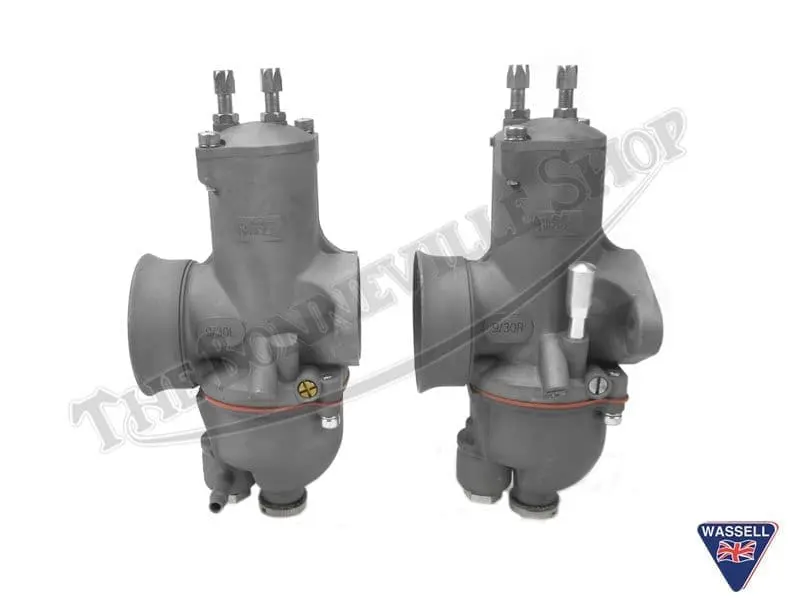
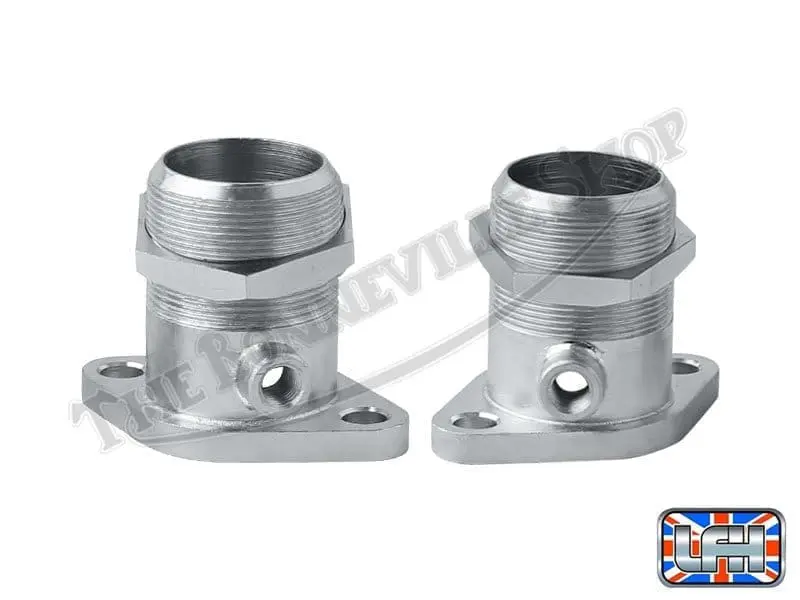
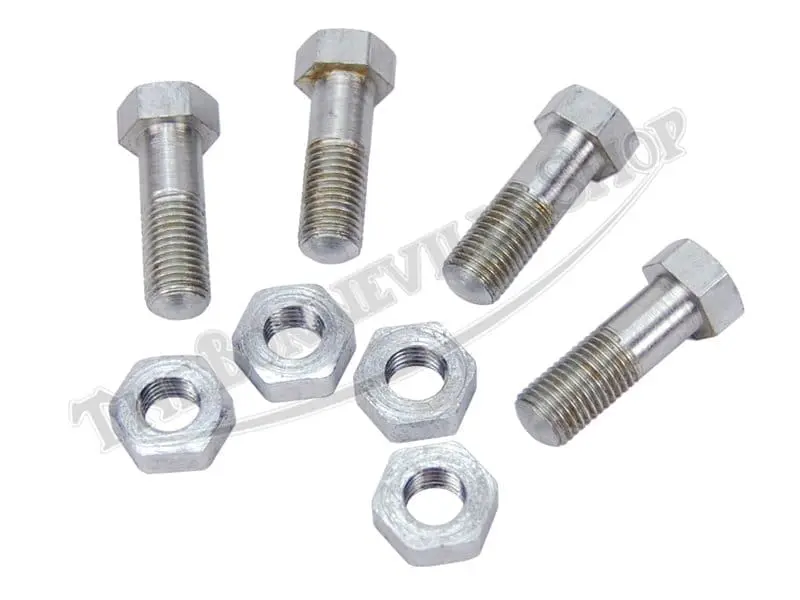

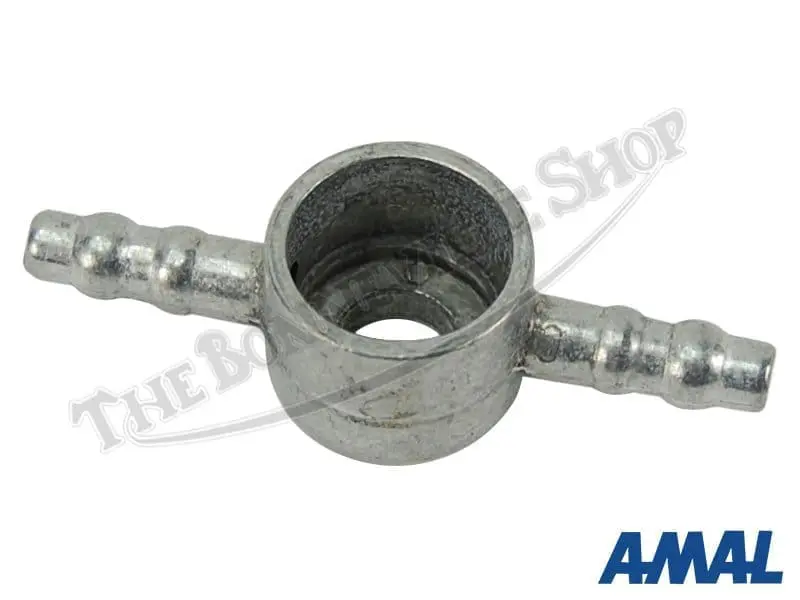
Triumph Norton BSA etc Genuine Amal 180 Degree 1/4-inch Banjo(s) PN# 376/419
$36.02 – $67.94Price range: $36.02 through $67.94
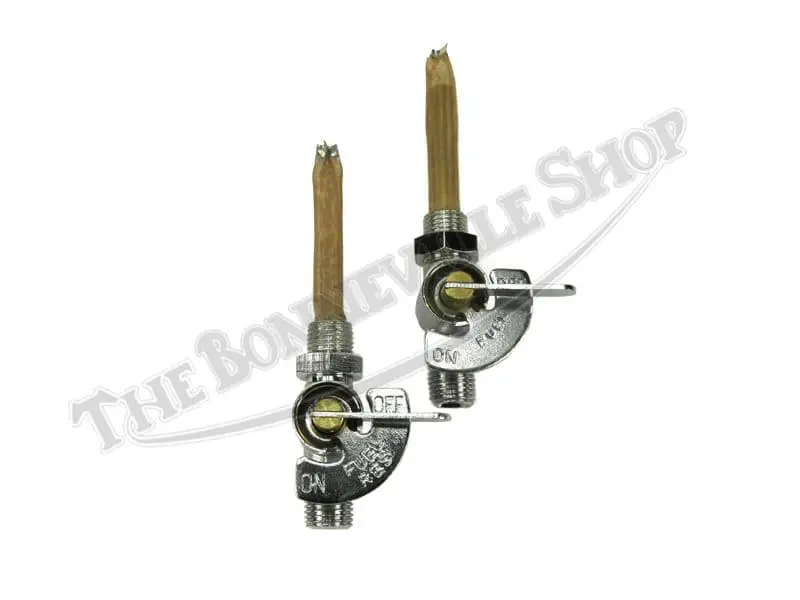

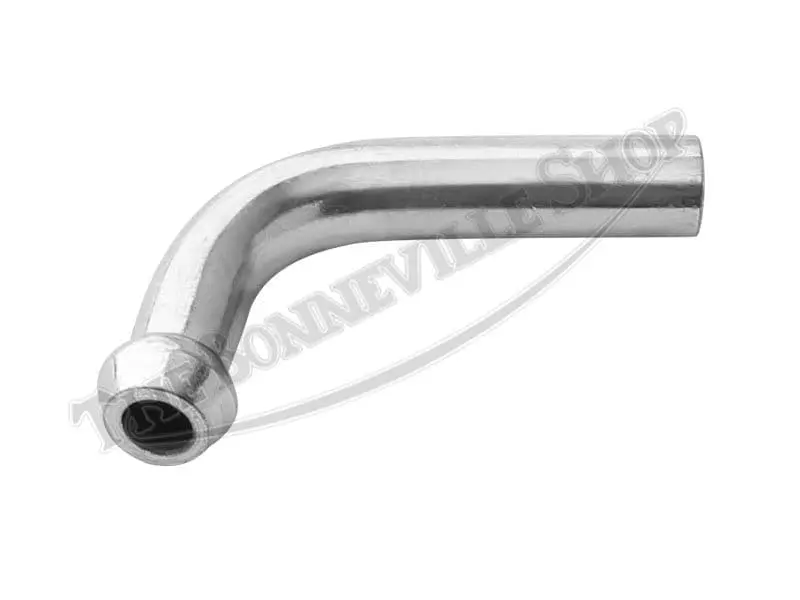
Triumph Norton BSA 90 Degree Fuel Pipe(s) PN# 82-3335 F3335
$15.19 – $23.99Price range: $15.19 through $23.99
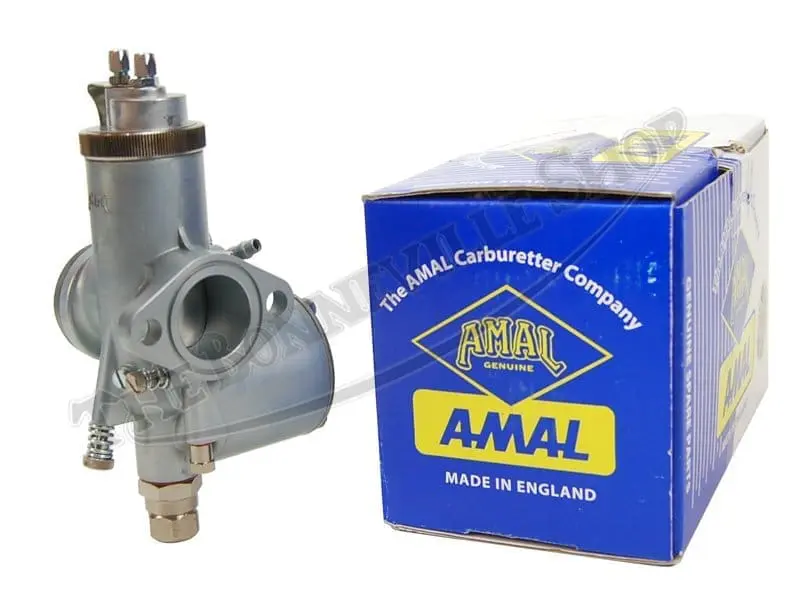
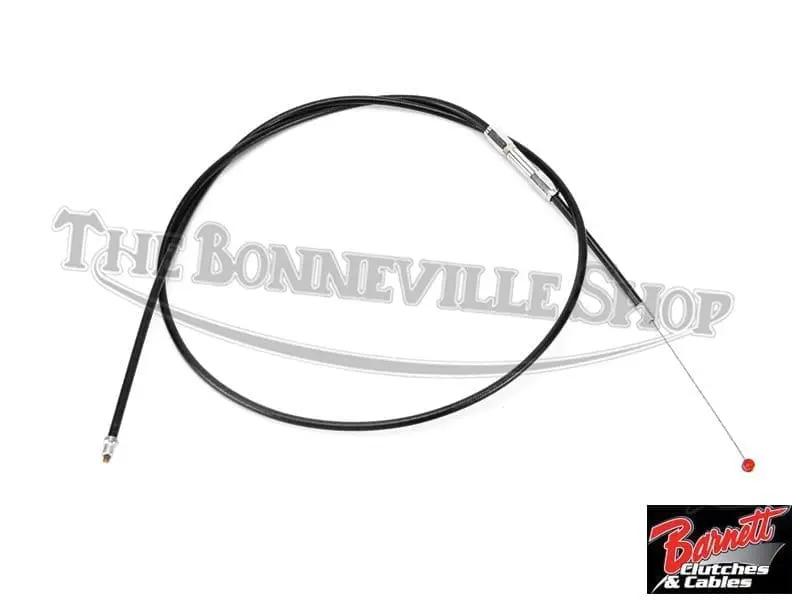
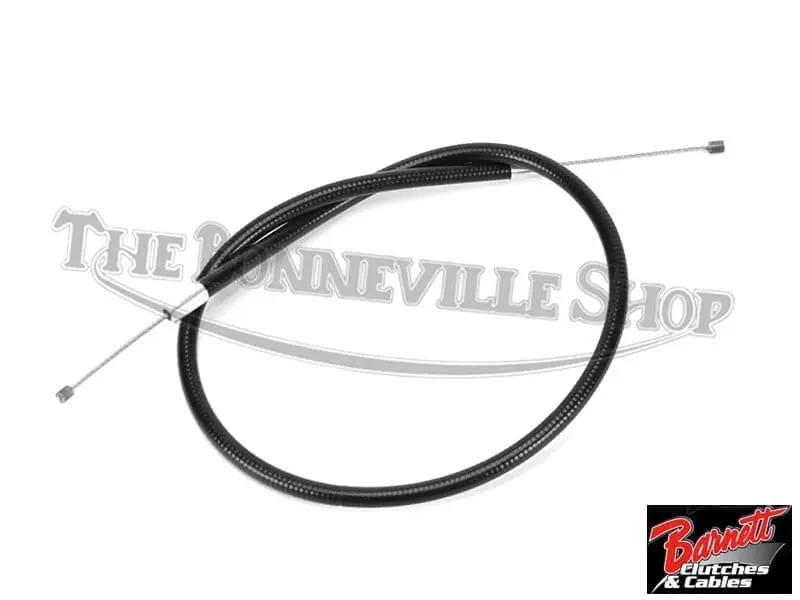

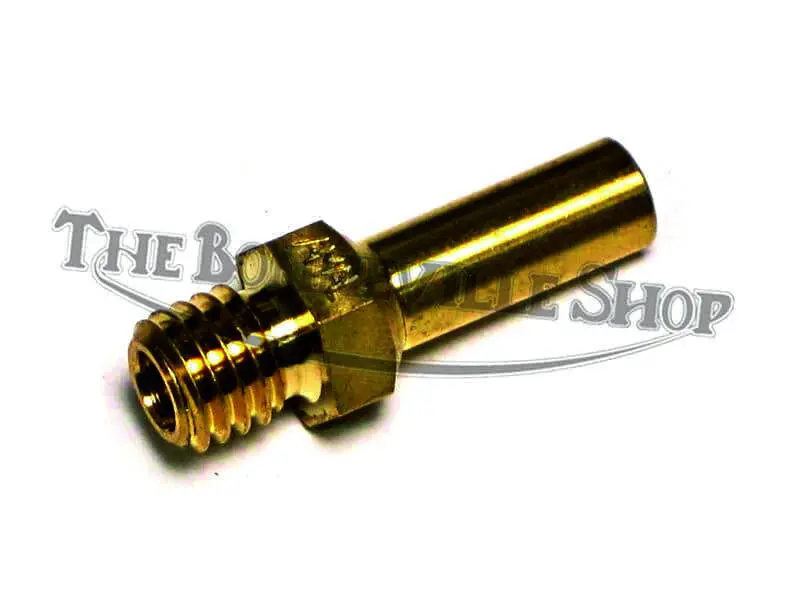
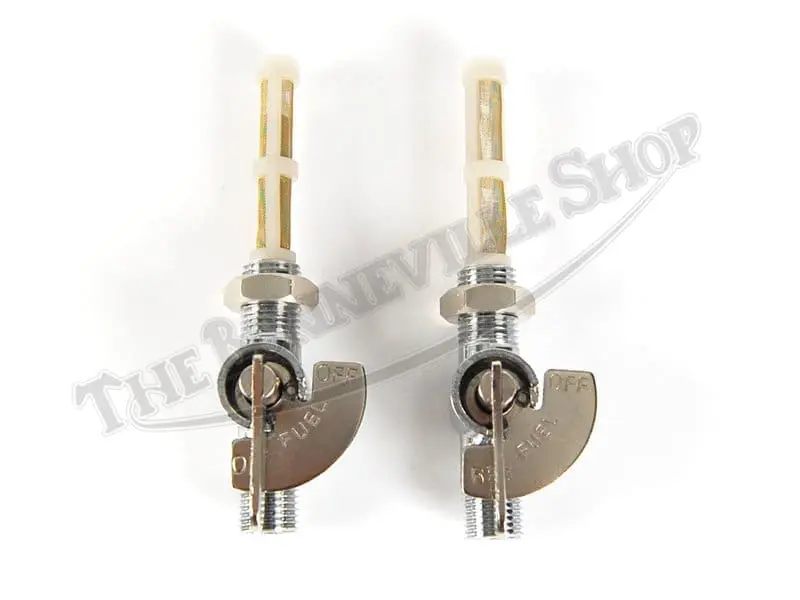
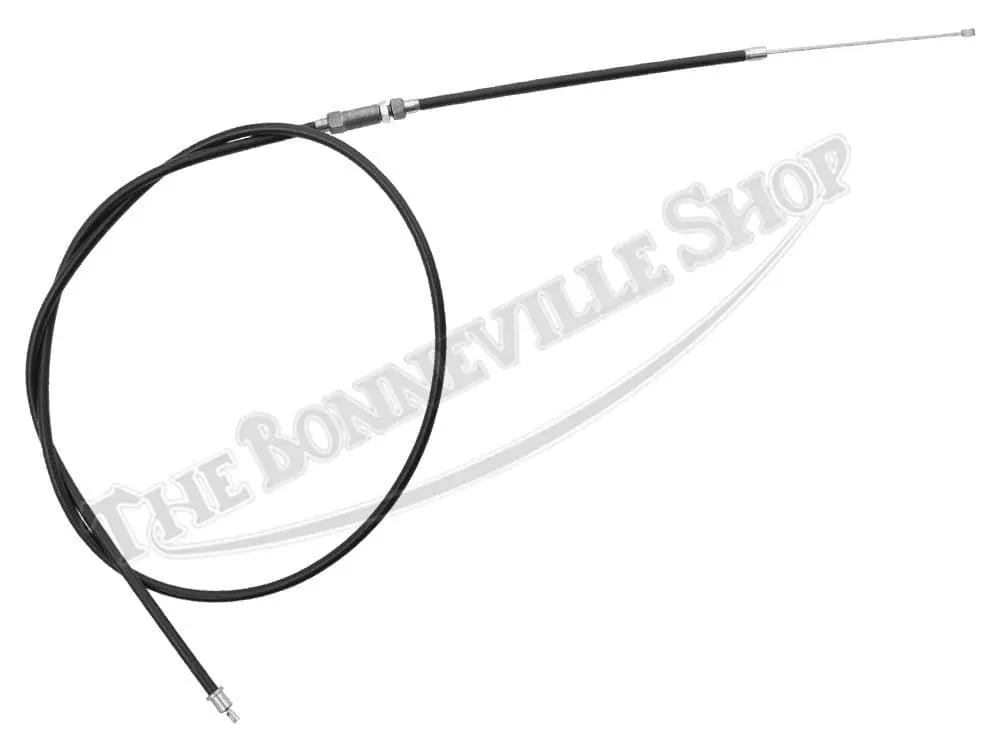
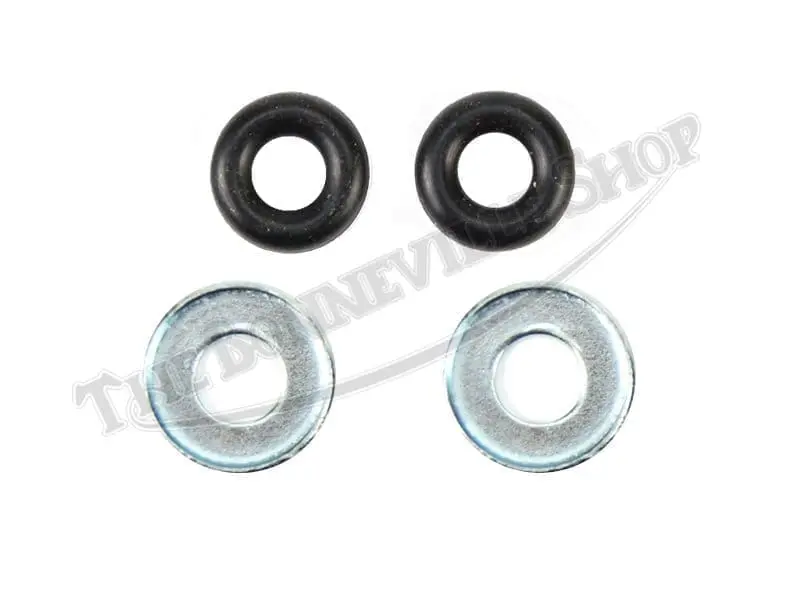
Triumph Bonneville Tiger T120 T140 TR6 TR7 Carb Mounting Cupped Washers and O-Rings PN# 70-9554 70-9555
$9.04 – $12.34Price range: $9.04 through $12.34

Triumph T120R T140V Throttle Cable Barnett 1969-1974 PN# 60-1819 B
$39.10 – $72.87Price range: $39.10 through $72.87
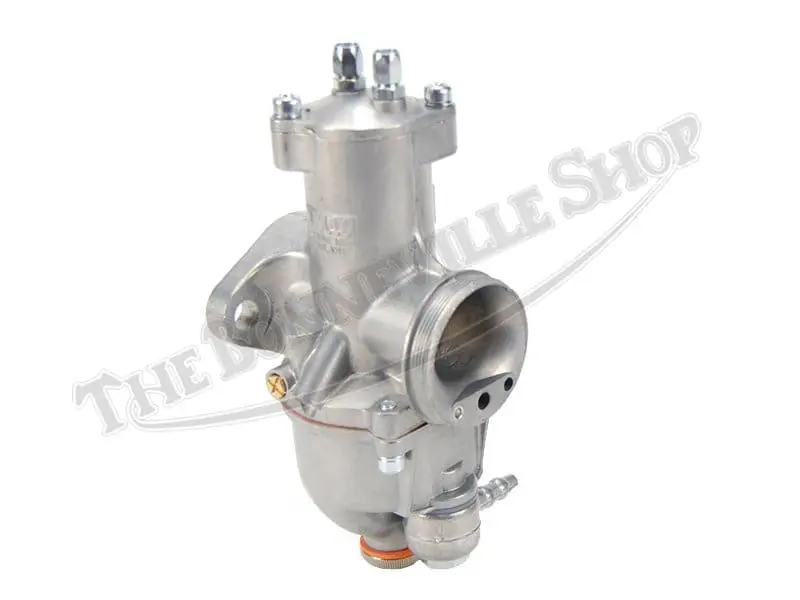
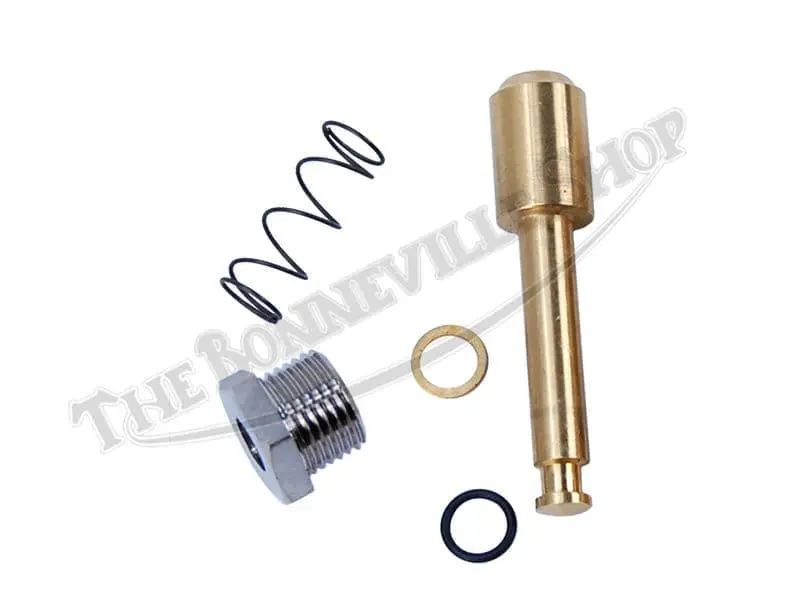
Triumph 1979-82 Bonneville Amal MKII Cold Start Plunger Kit(s) PN# 2622/079
$56.10 – $108.00Price range: $56.10 through $108.00
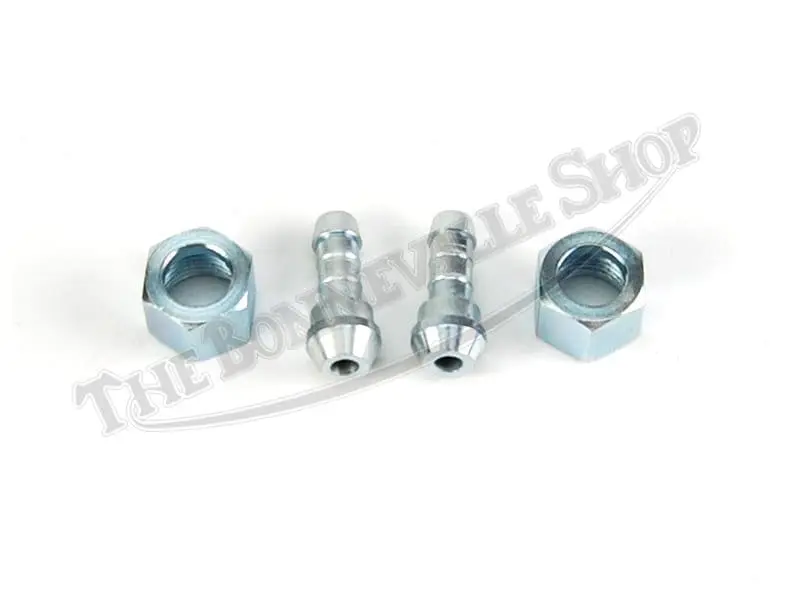

Triumph Norton BSA Stat-O-Seal Petcock Sealing Washer(s) PN# 70-7351 T
$6.99 – $10.17Price range: $6.99 through $10.17

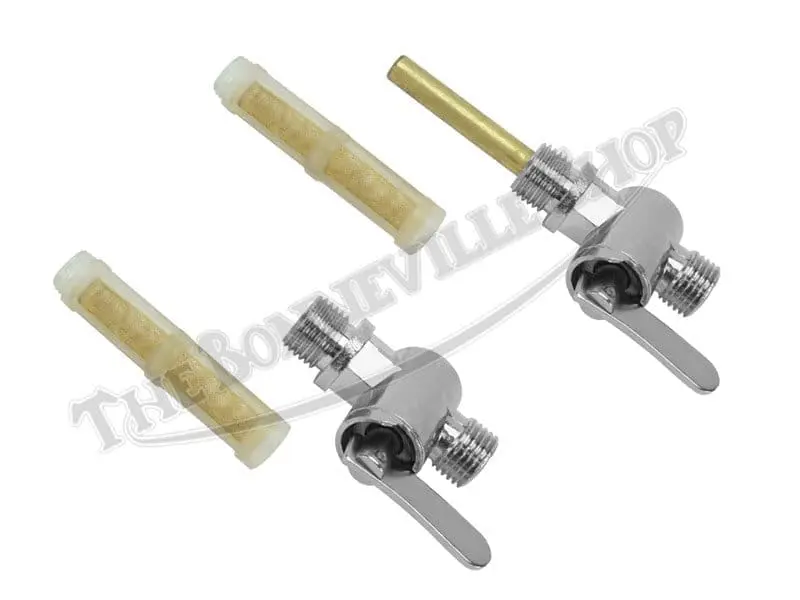
Triumph Norton BSA Amal Plastic Banjo Fuel Filter(s) PN# 376/093
$11.93 – $27.06Price range: $11.93 through $27.06

Triumph Bonneville Tiger BSA Lightning etc Air Cleaner(s) Dished PN# 83-1536 D
$84.74 – $161.18Price range: $84.74 through $161.18
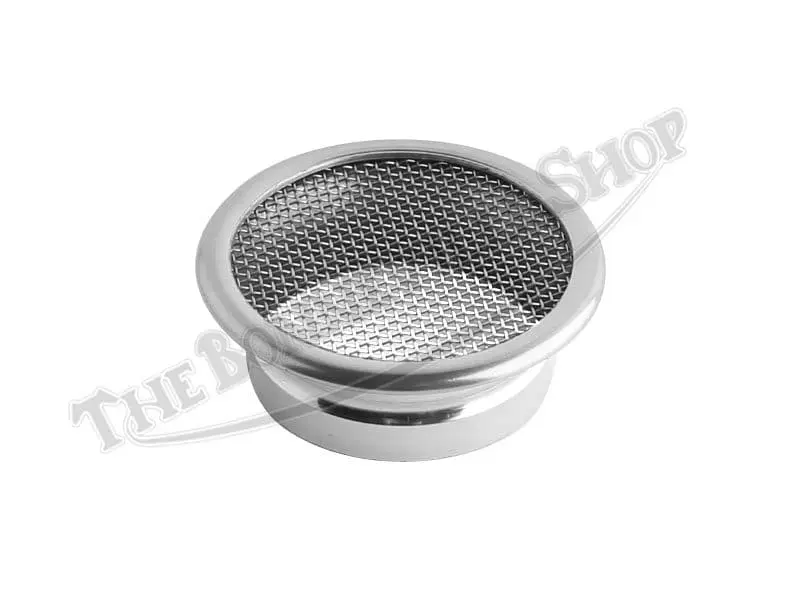
Triumph BSA Amal Concentric Short Velocity Stack(s) Chopper Bobber Cafe PN# TBS-900 BF
$44.96 – $86.93Price range: $44.96 through $86.93
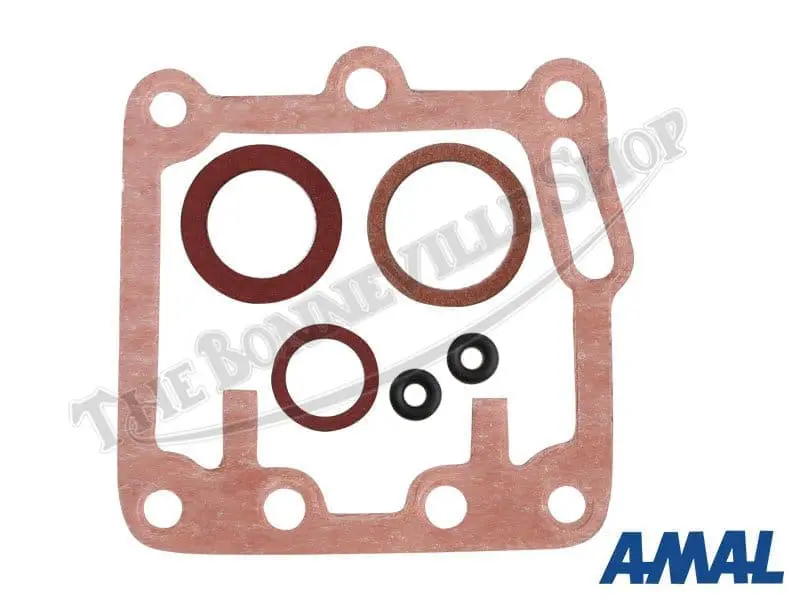
Triumph Bonneville 1979 And 80 Genuine MK2 Amal Concentric Carb Washer Set(s) PN# 2622/144
$26.61 – $47.47Price range: $26.61 through $47.47
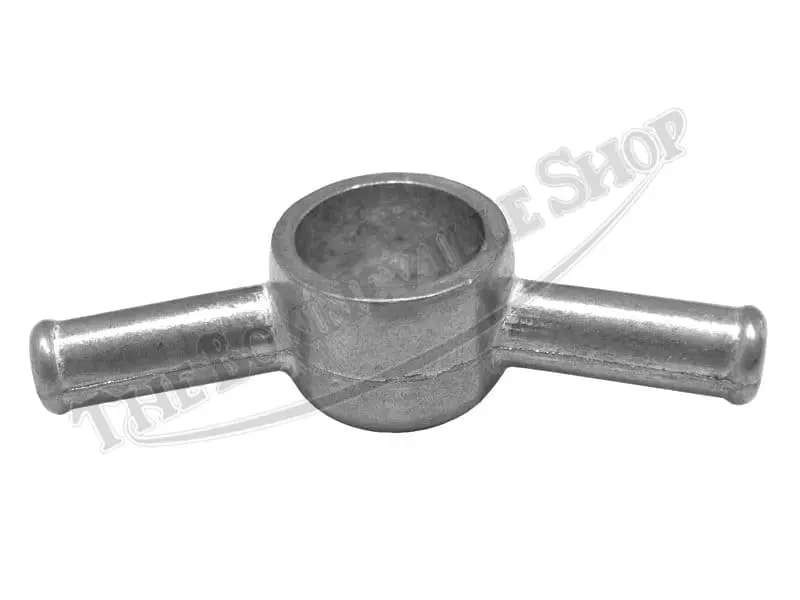
Triumph BSA Norton Amal-Type 150 Degree Fuel Banjo(s) PN# 376/139
$16.25 – $26.75Price range: $16.25 through $26.75
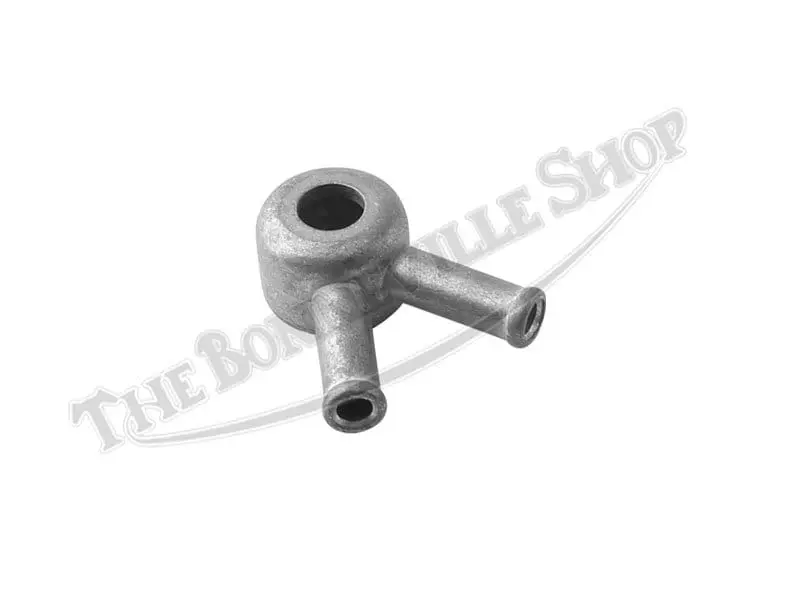
Triumph BSA Amal-Type Fuel Banjo(s) 60 Degree 5/16″ PN# 376/410
$15.36 – $25.96Price range: $15.36 through $25.96
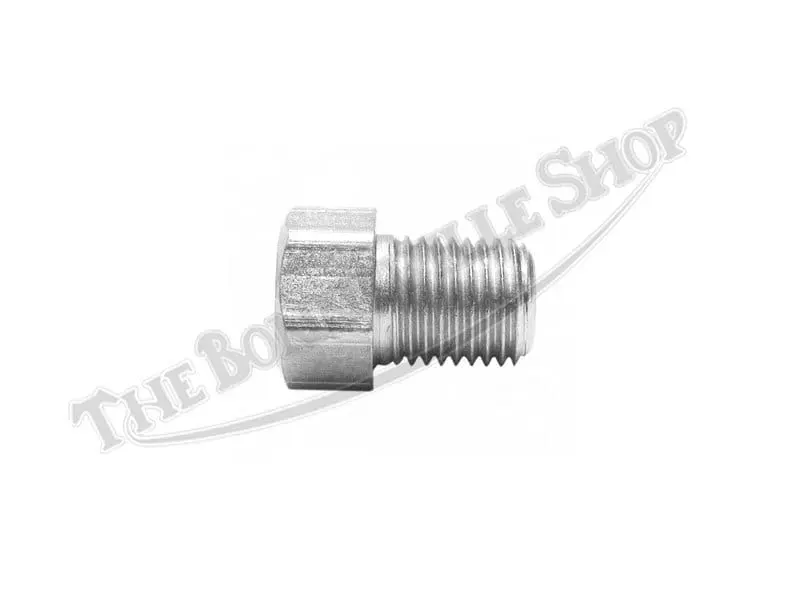
Norton BSA Triumph etc. Concentric Choke Blanking Plug(s) PN# 4/137 A 4/137
$8.53 – $12.13Price range: $8.53 through $12.13
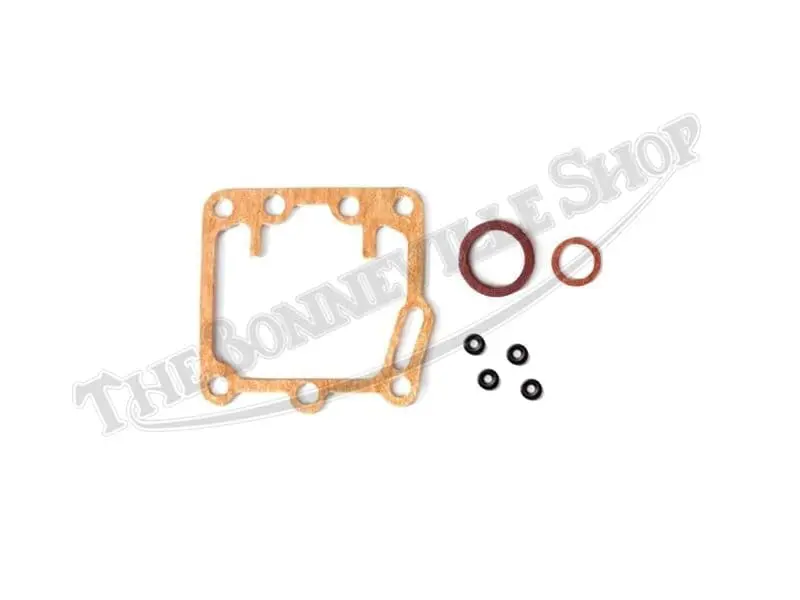
Triumph Bonneville Washer Set for MK2 Amal Concentric Carb Set(s) 1979.5-1980 PN# 2622/144 P
$11.55 – $18.07Price range: $11.55 through $18.07

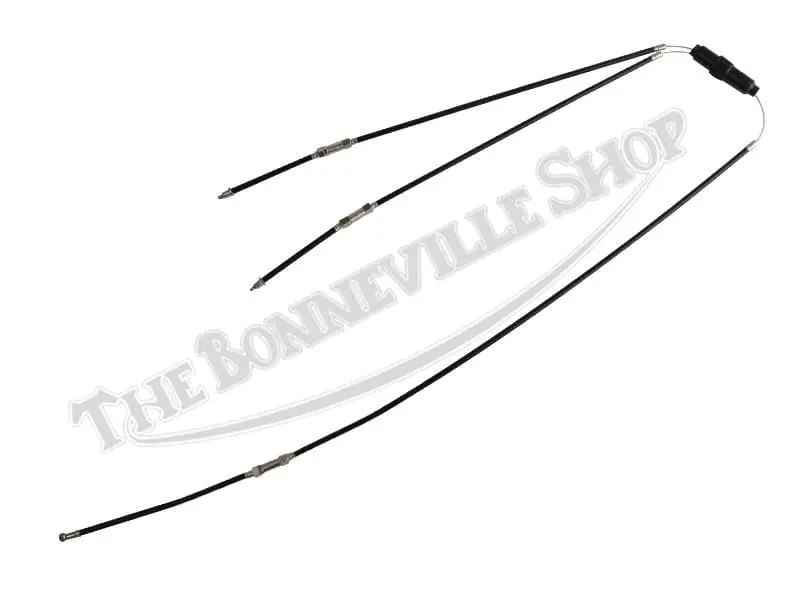
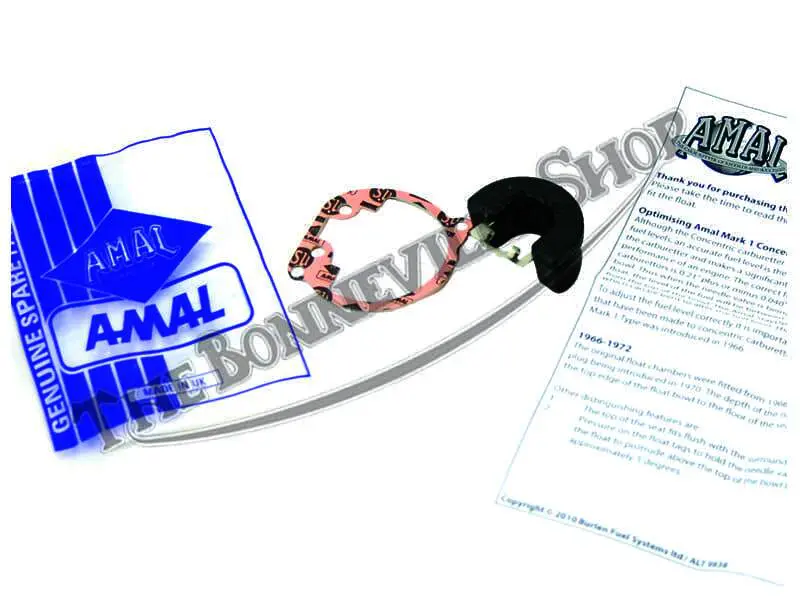

Triumph BSA Norton Genuine Amal Concentric 600 900 Series Float(s) PN# 622/069
$29.61 – $52.84Price range: $29.61 through $52.84

Triumph BSA Norton Genuine Amal Concentric Extended Tickler Kit(s) PN# 622/172
$16.50 – $26.75Price range: $16.50 through $26.75

Triumph BSA Norton Amal Type Mono Concentric Viton Tipped Float Needle(s) PN# 622/197
$33.90 – $60.72Price range: $33.90 through $60.72
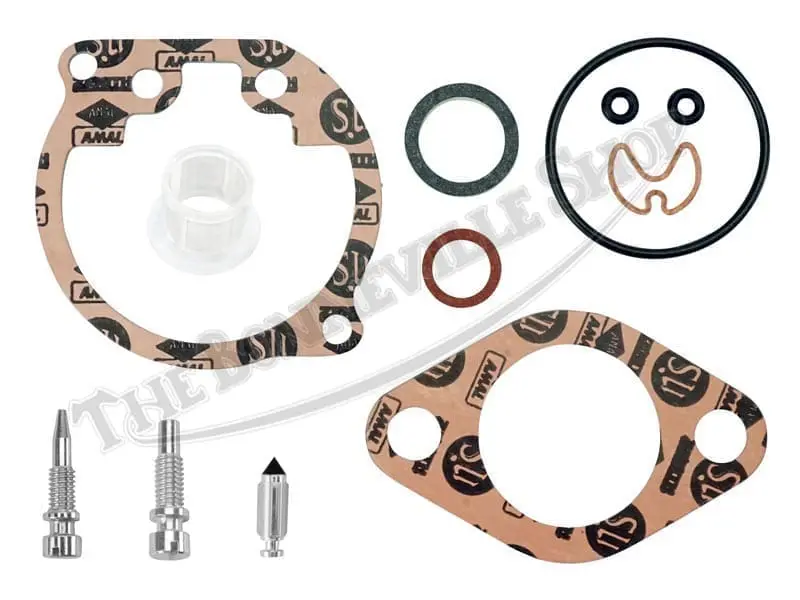
Norton BSA Triumph etc. Genuine Amal Concentric Overhaul Kit(s) PN# 622/238
$46.07 – $127.22Price range: $46.07 through $127.22
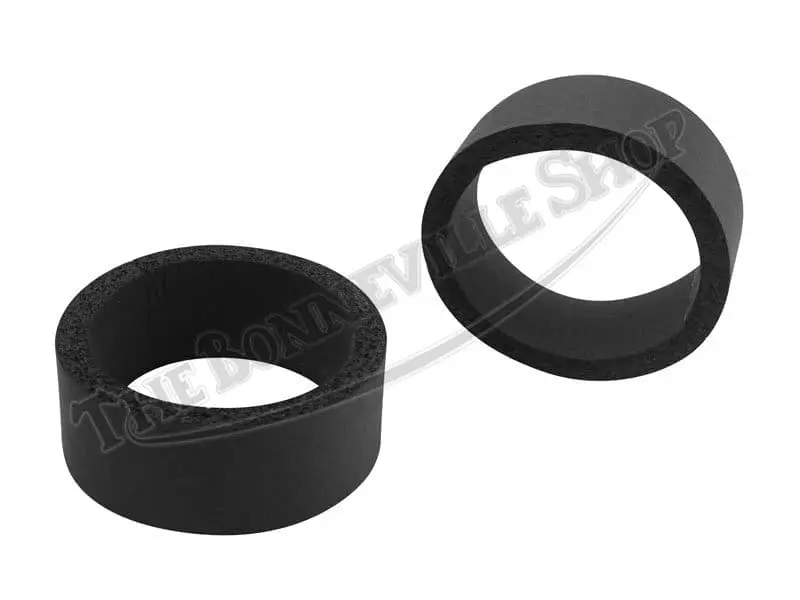
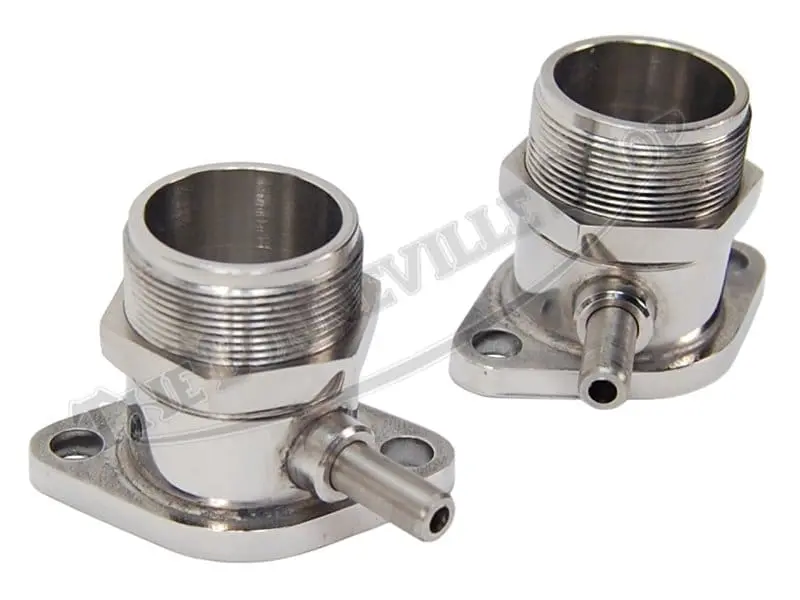

Triumph Norton Correct ‘Dowty’ Petcock Sealing Washer Set(s) PN# 70-7351 83-0002
$10.55 – $19.24Price range: $10.55 through $19.24
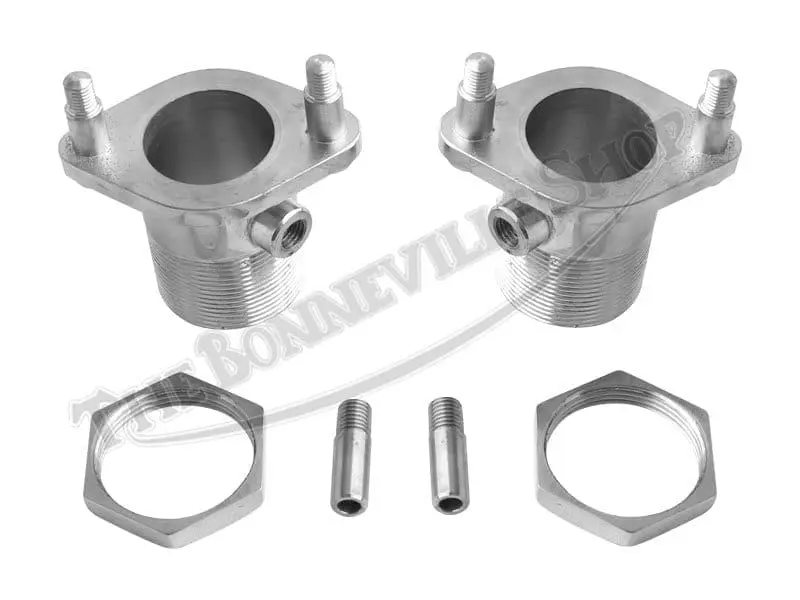
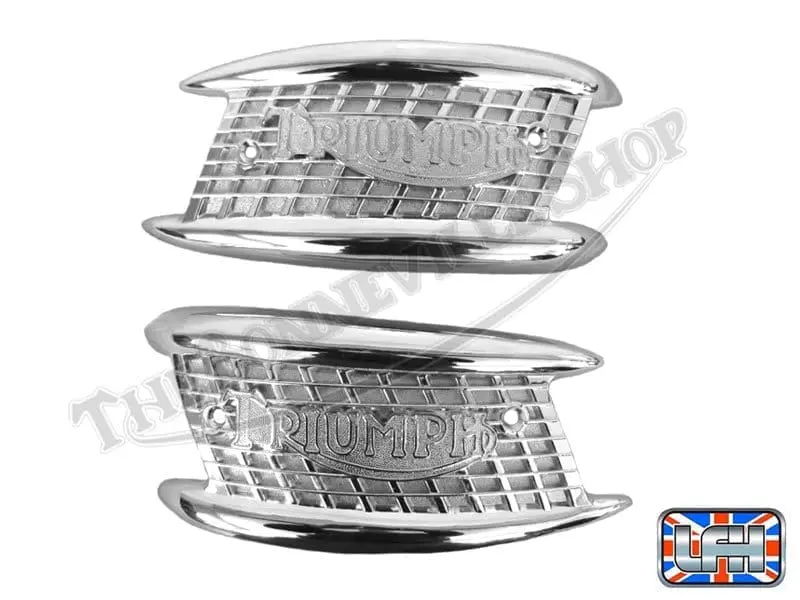

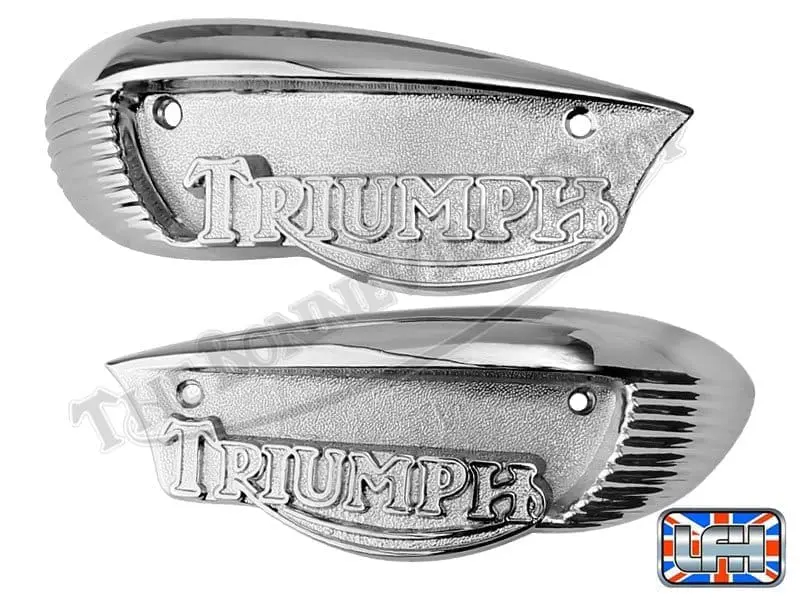


Triumph 650 T120 Bonneville BSA 650 A65 Lightning Air Cleaner(s) PN# 83-1536 T F11536 82-8196 F8196 F11536 68-4635
$69.88 – $132.00Price range: $69.88 through $132.00

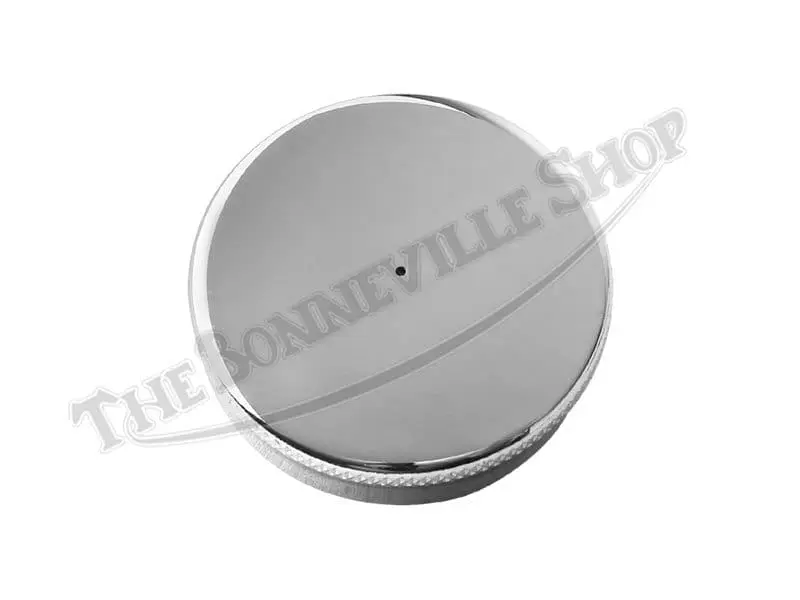



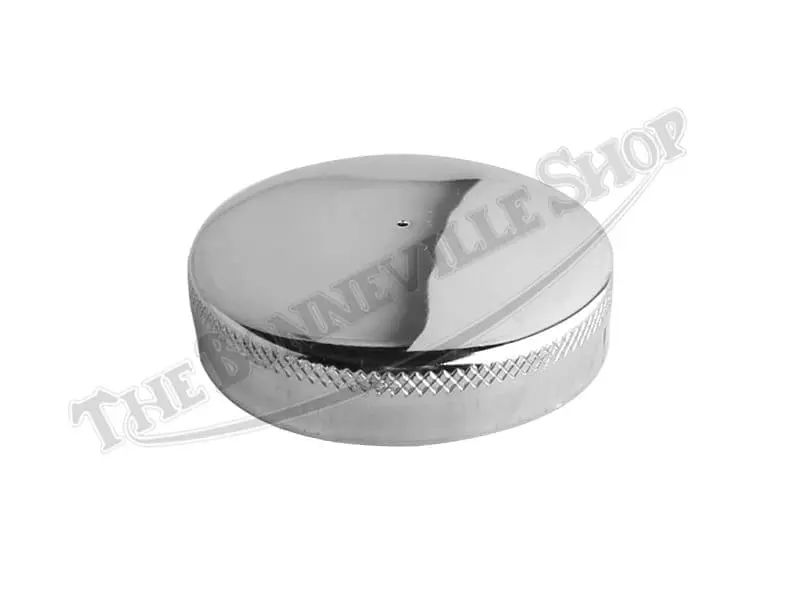

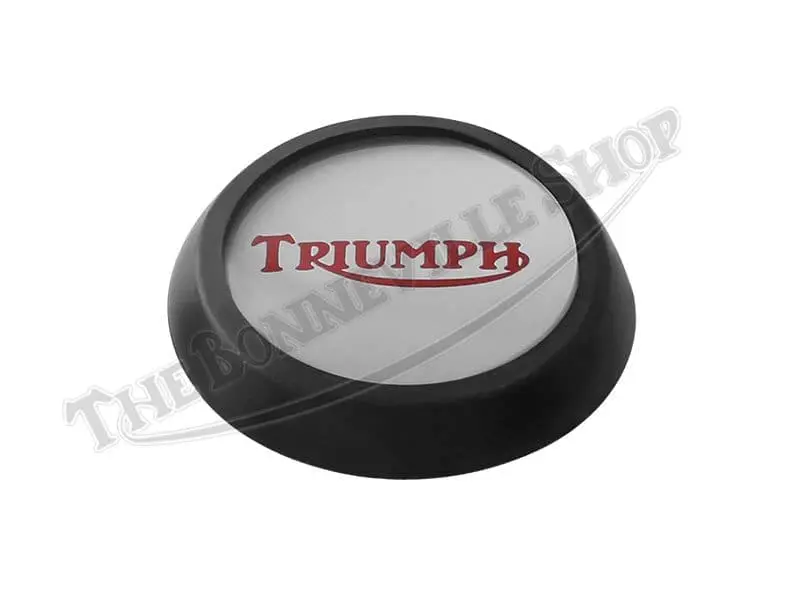
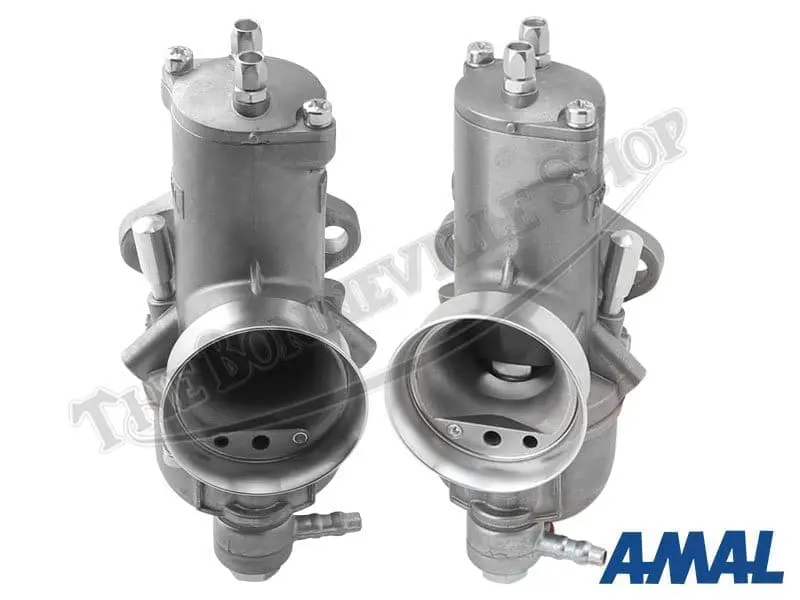


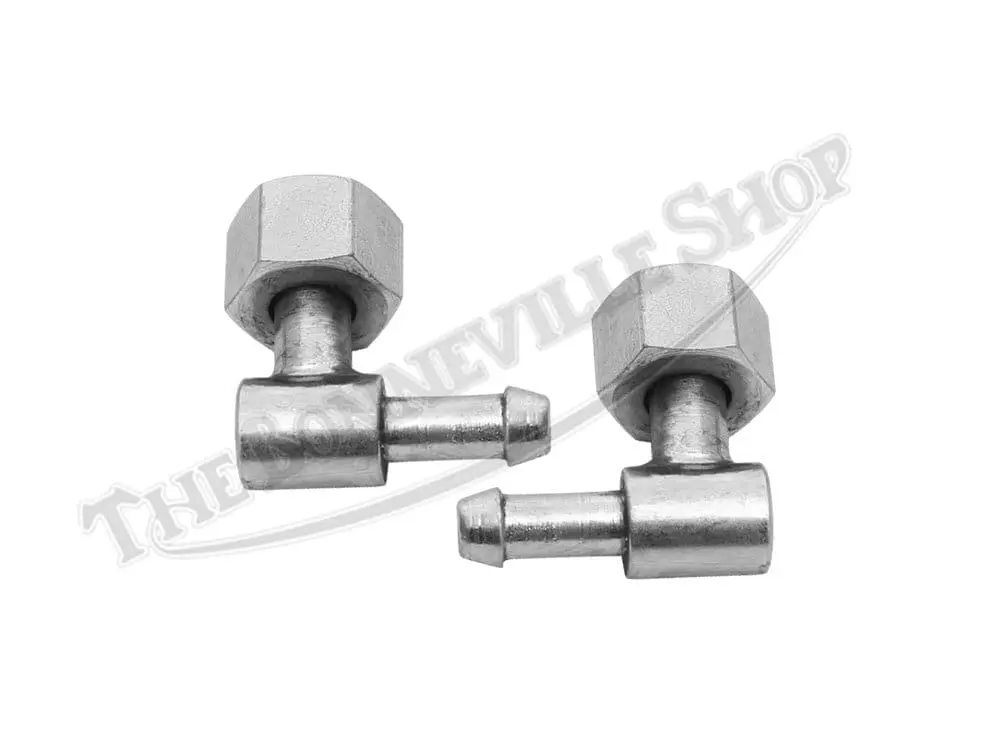
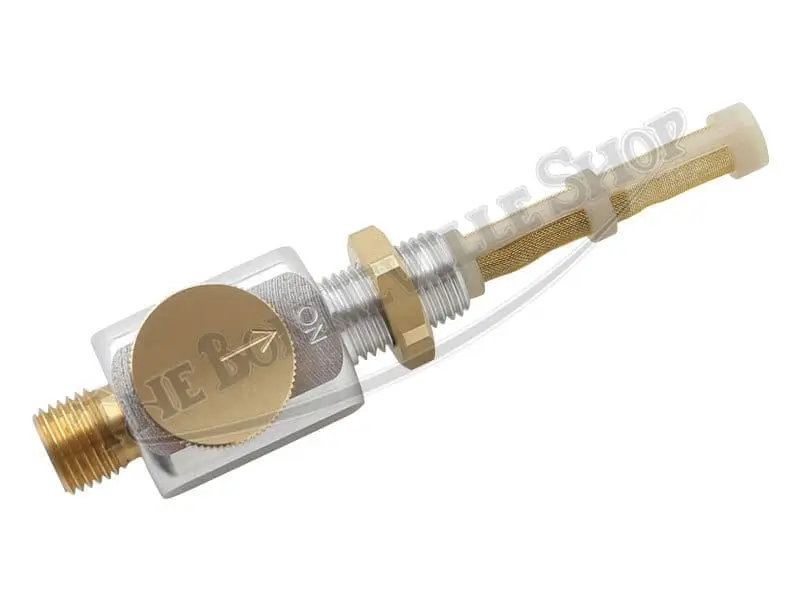
Triumph Norton BSA Custom Billet Petcock Fuel Valve(s) Main/Reserve PN# TBS-065
$100.45 – $199.22Price range: $100.45 through $199.22
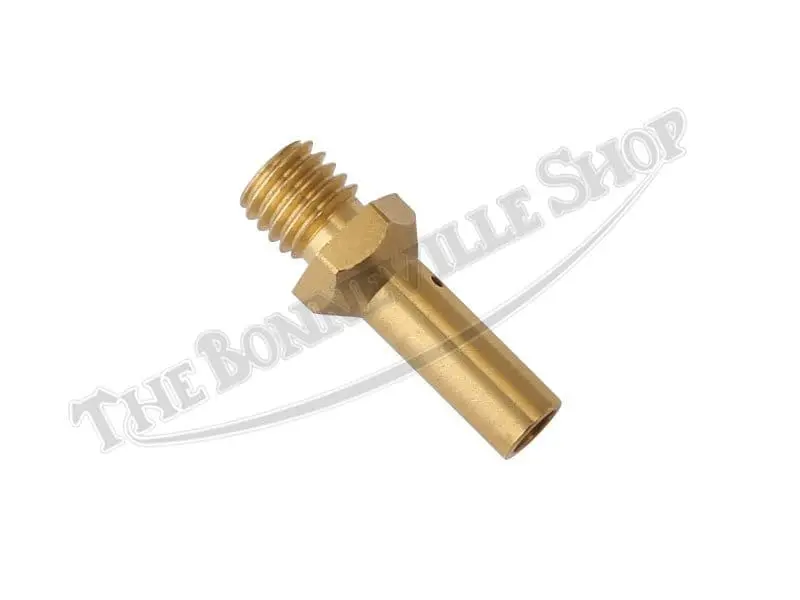
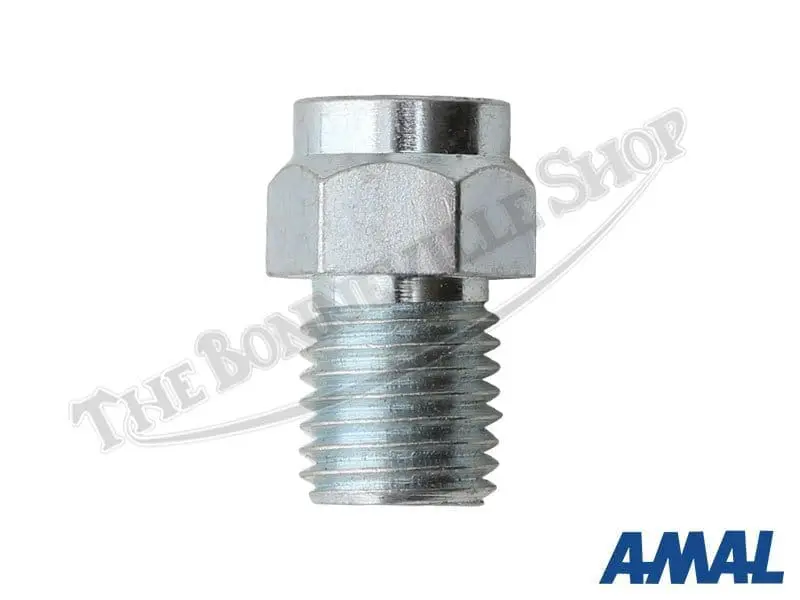
Genuine Amal Concentric Jet Holder(s) Fits All Concentrics PN# 622/128 99-1034
$22.53 – $38.49Price range: $22.53 through $38.49
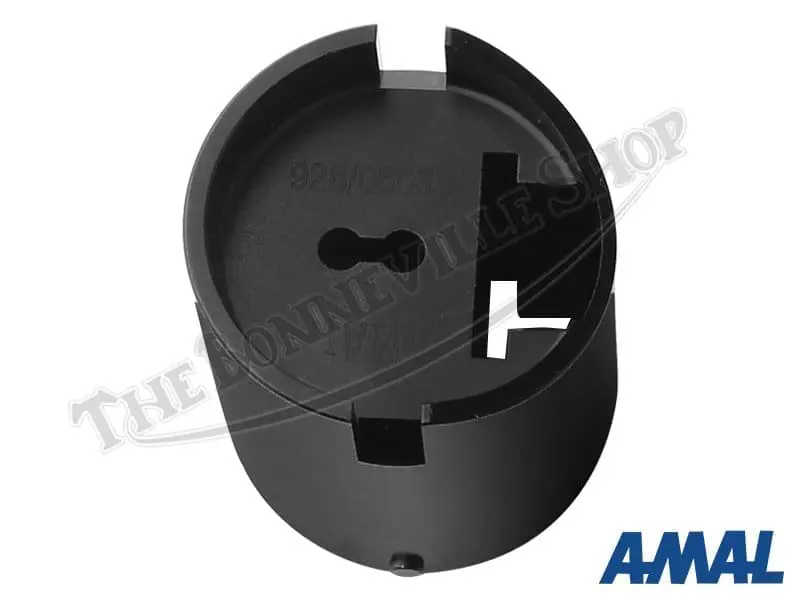
Genuine Amal Throttle Slide Hard Anodized PN# 622/060 HA 928/060 HA
$90.34 – $120.49Price range: $90.34 through $120.49
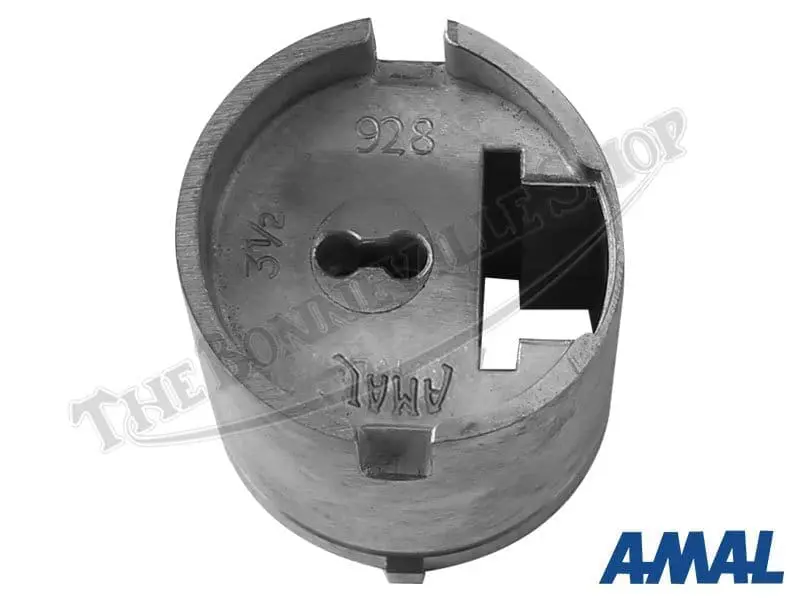
Genuine Amal Throttle Slide Original Zinc Alloy PN# 622/060 928/060
$57.61 – $89.87Price range: $57.61 through $89.87
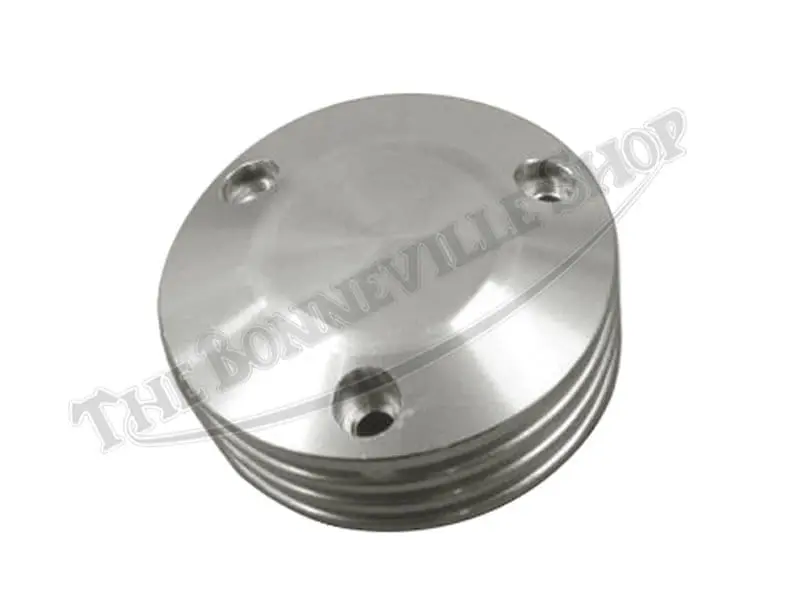
John Tickle / Webco Finned Monobloc Float Bowl Extension(s) PN# TBS-09-0910
$60.16 – $116.78Price range: $60.16 through $116.78
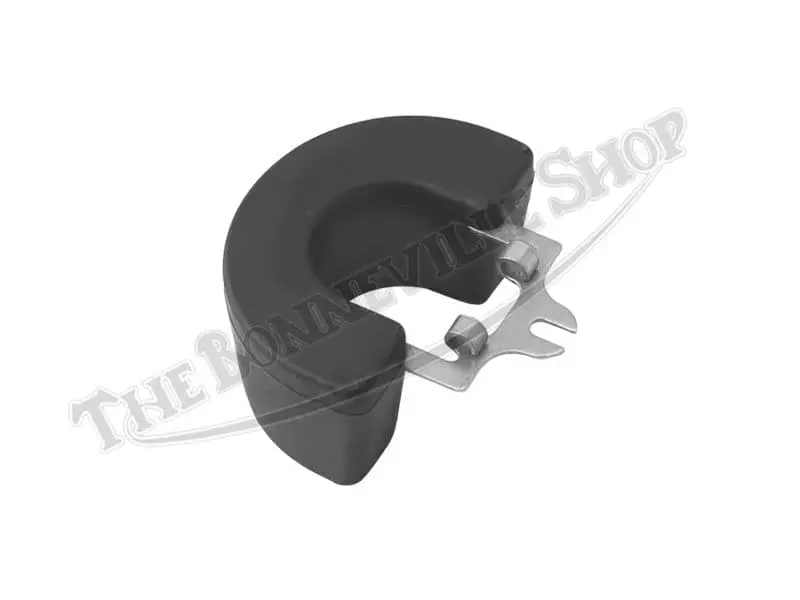
Triumph Norton BSA etc Amal-Type Concentric Stay-Up Float(s) PN# 622/069 W
$19.17 – $32.40Price range: $19.17 through $32.40
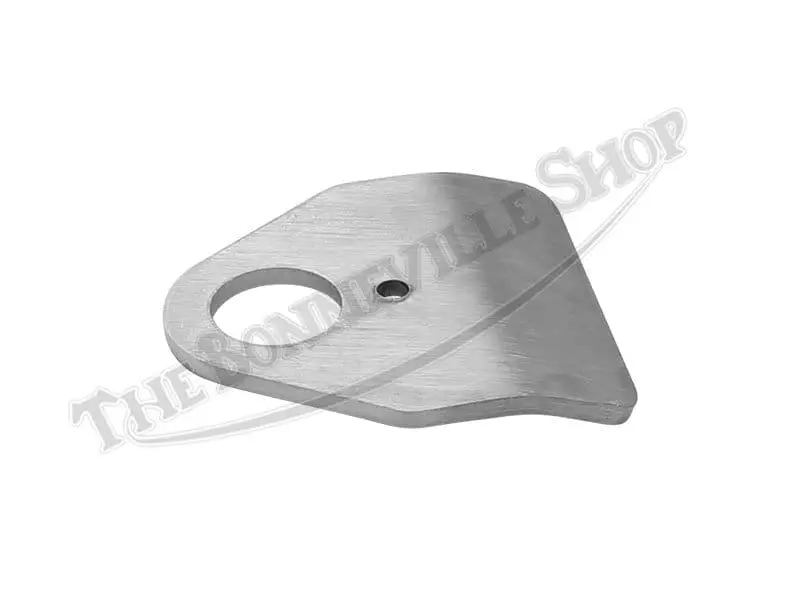

Triumph BSA Amal 900 Series Long Velocity Stack(s) Round Screen PN# TBS-900 AR
$49.68 – $95.19Price range: $49.68 through $95.19
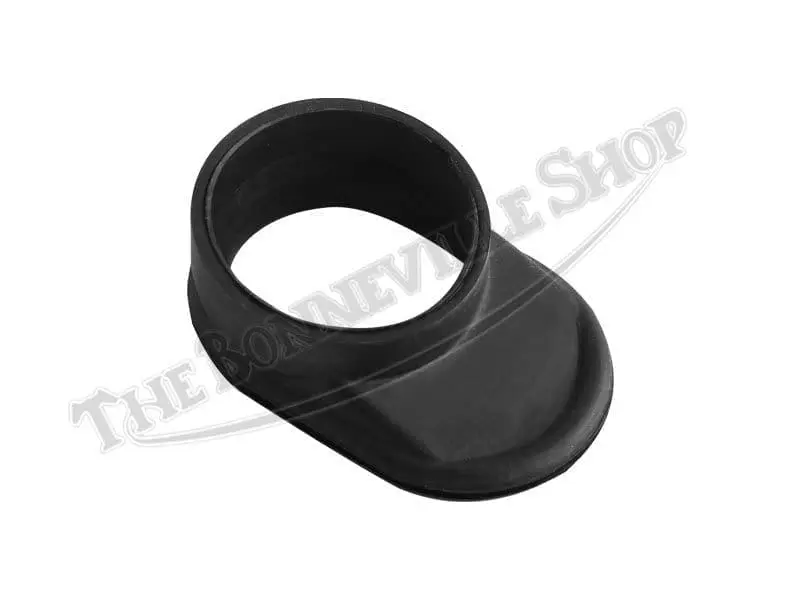
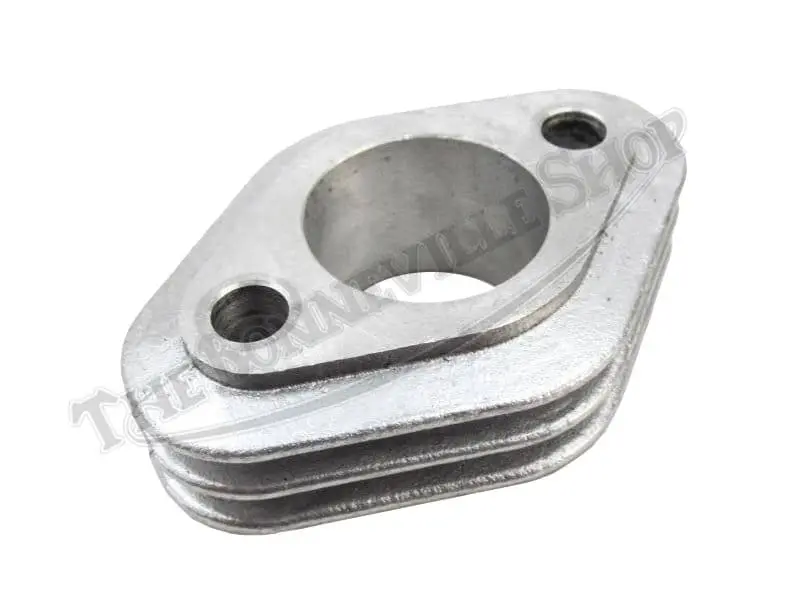
Triumph BSA Norton Webco-Type Custom Cast Finned Inlet Intake Manifold Spacer(s) PN# TBS-0030 F TBS-0032 F
$69.37 – $131.97Price range: $69.37 through $131.97
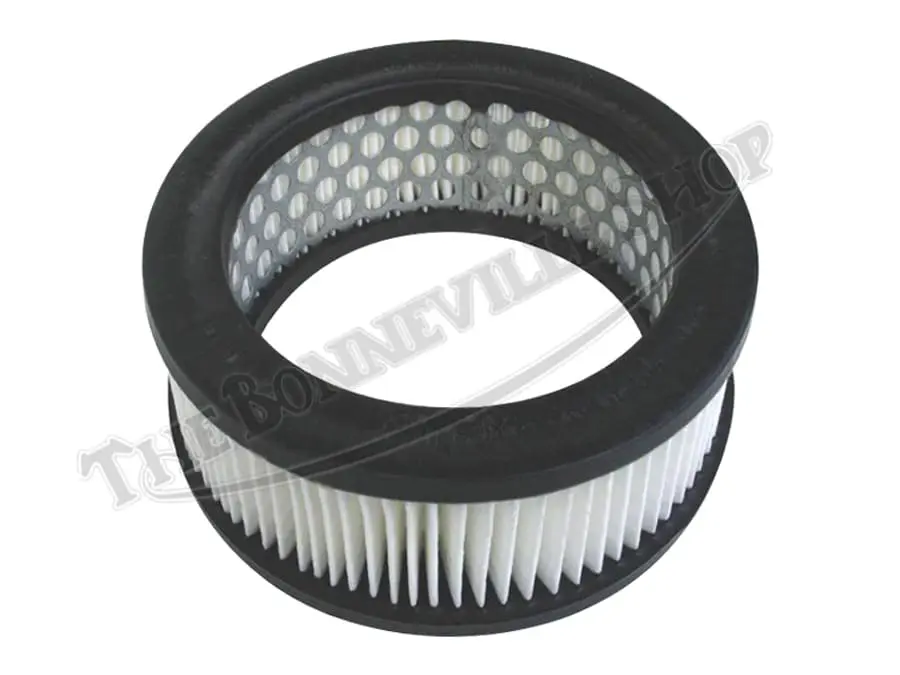
Triumph Norton BSA Air Filter Element(s) PN# 82-4811 82-5694 82-6866 F4811 F5694 F6866
$15.87 – $25.50Price range: $15.87 through $25.50

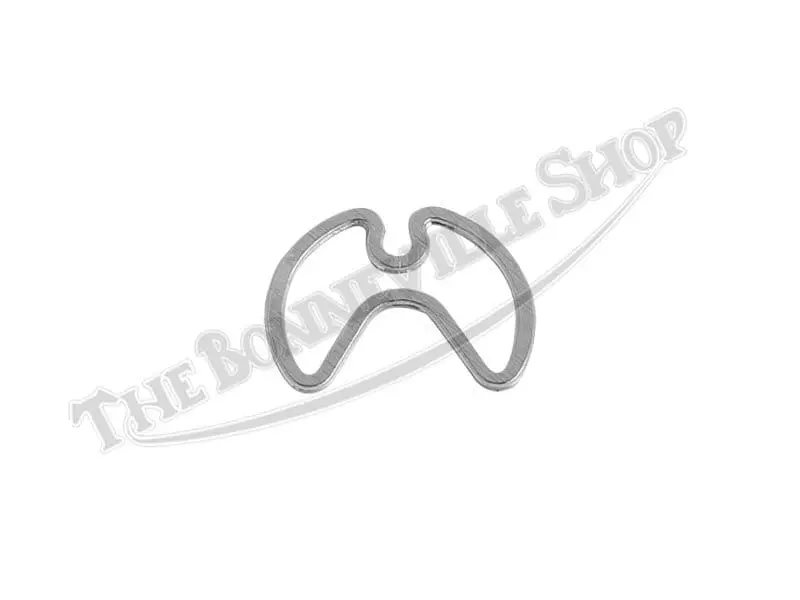
Triumph Norton BSA Amal Matchless AJS Concentric Needle Clip(s) PN# 622/067
$11.56 – $16.26Price range: $11.56 through $16.26

Triumph Norton BSA Amal Concentric Banjo Bolt(s) PN# 622/078 99-0517
$14.80 – $22.75Price range: $14.80 through $22.75

Triumph Norton BSA Genuine Amal Throttle Needle(s) PN# 622/124 99-1036
$34.70 – $63.98Price range: $34.70 through $63.98
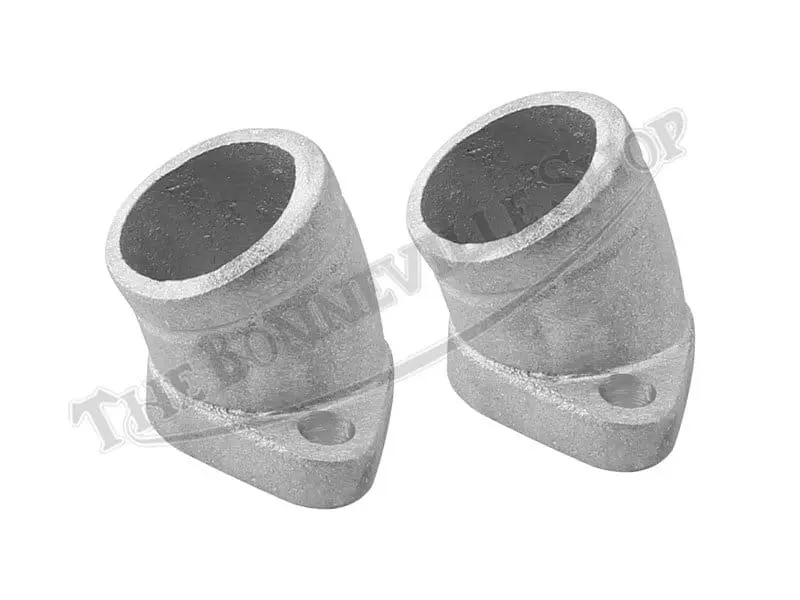
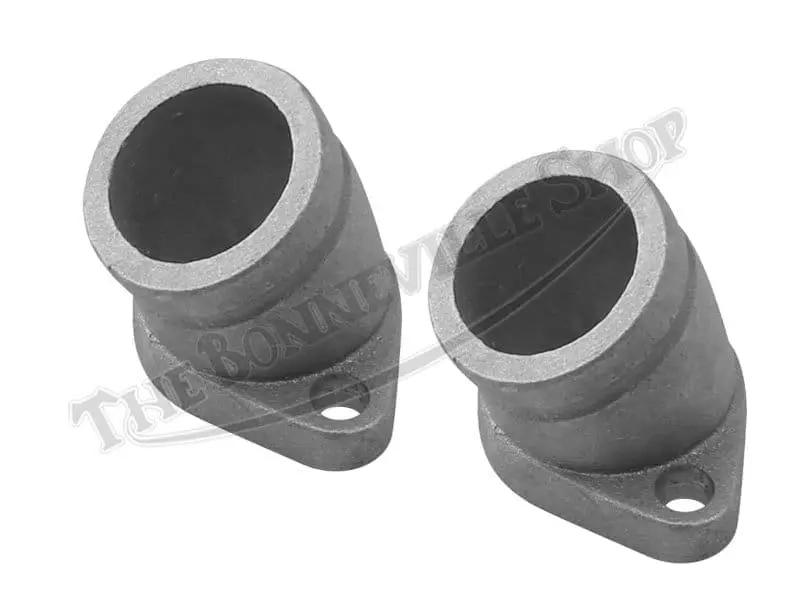

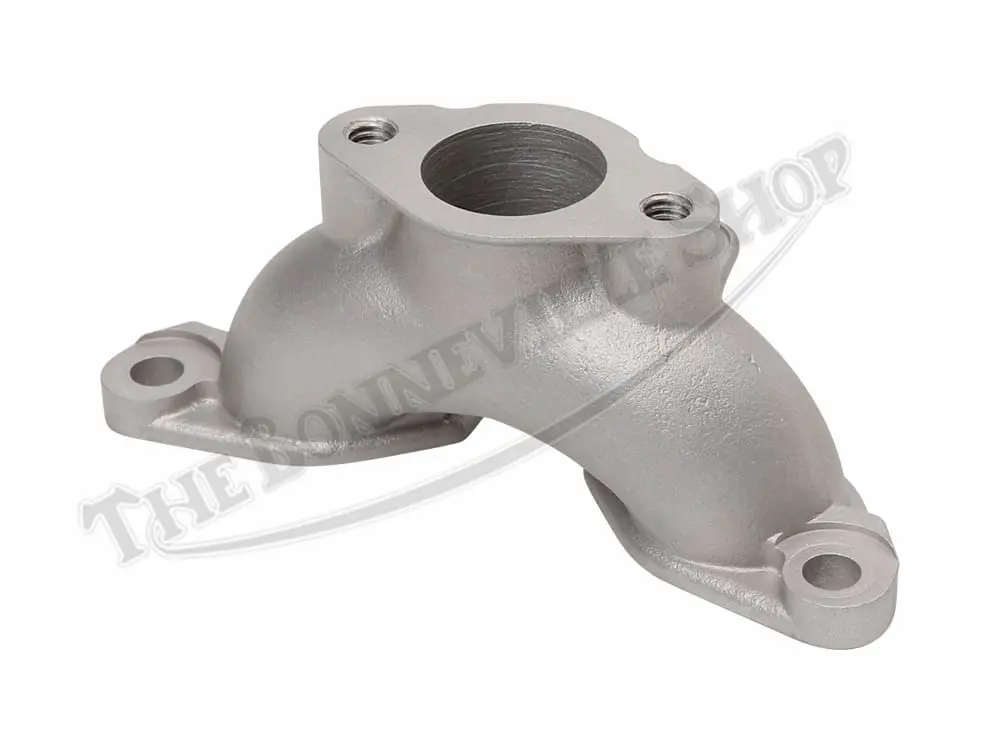
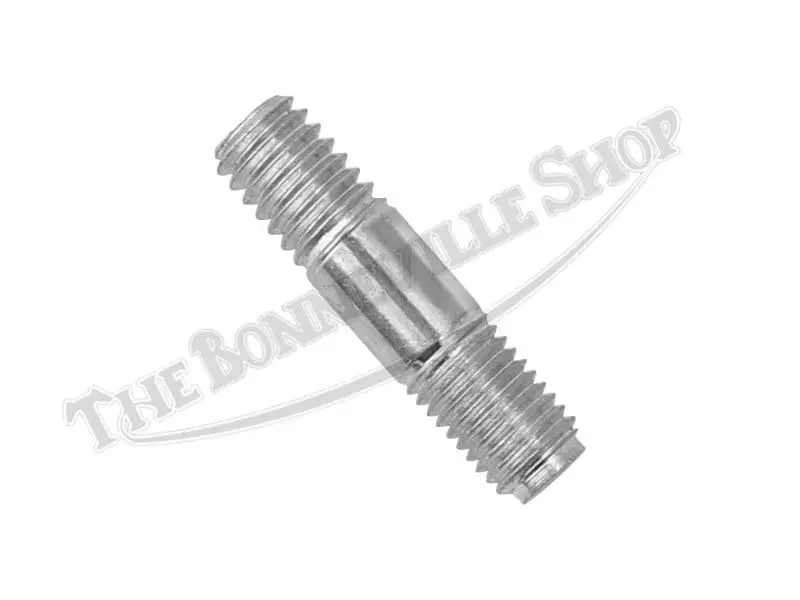
Triumph T100 Inlet Manifold Mounting UNF Stud(s) PN# 21-0582
$12.77 – $29.01Price range: $12.77 through $29.01
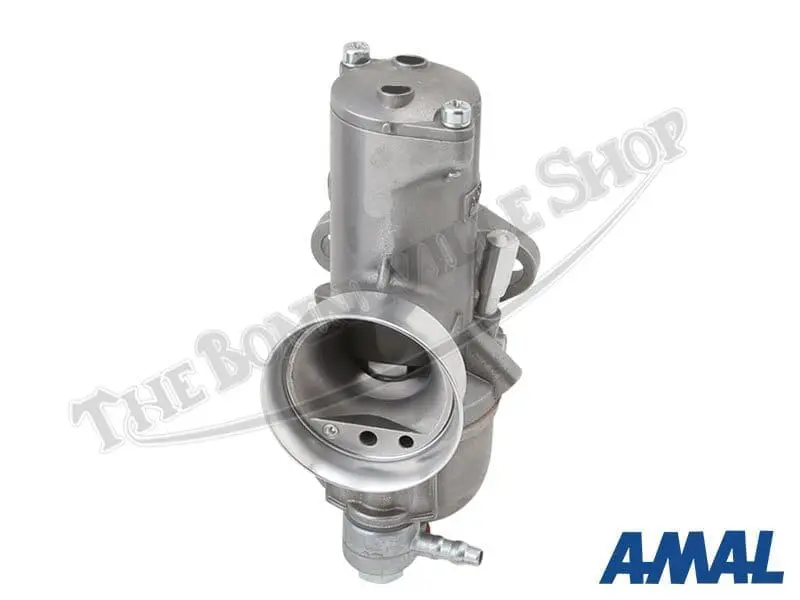
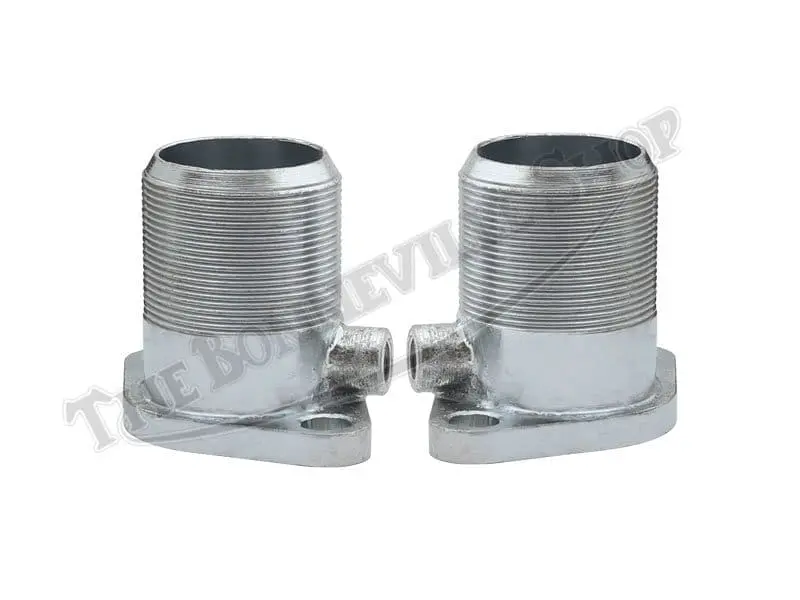

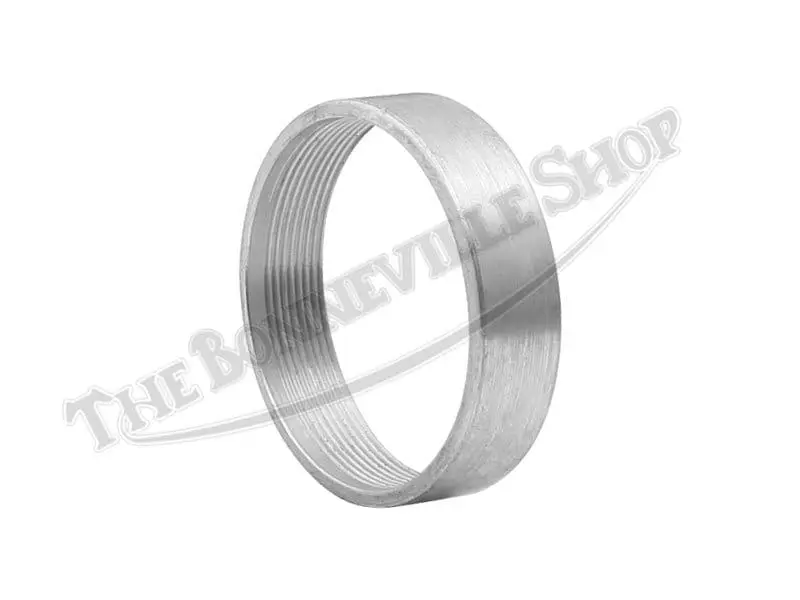
Triumph Norton BSA Amal 389 Series Carb Adapter Ring for Air Filter PN# TBS-3171 E
$15.37 – $26.00Price range: $15.37 through $26.00
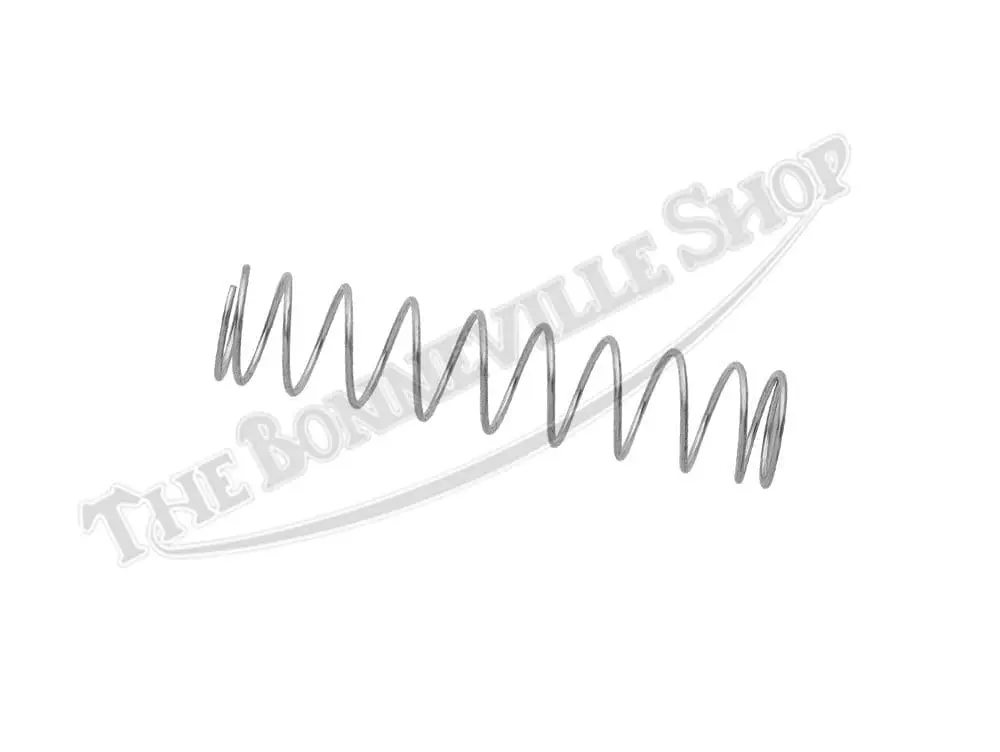
Amal-Type 600 900 Concentric Series Throttle Slide Return Spring(s) PN# 622/131 W
$7.47 – $10.69Price range: $7.47 through $10.69


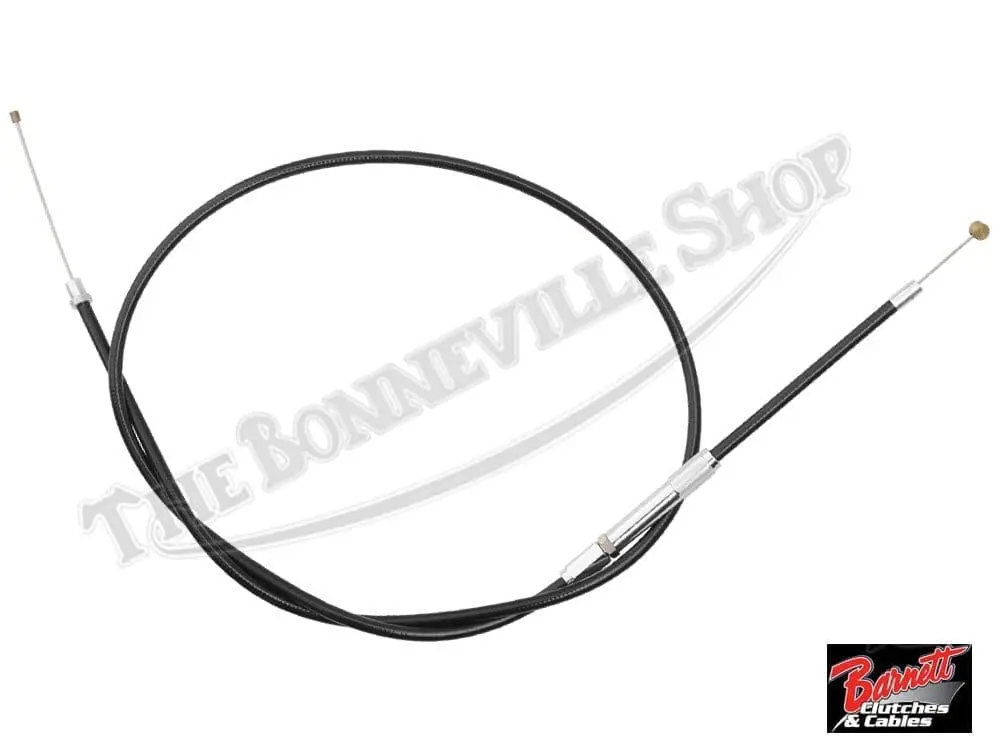

Triumph T100R Throttle Cable(s) 1969-1973 PN# 60-1822 B
$39.40 – $74.41Price range: $39.40 through $74.41
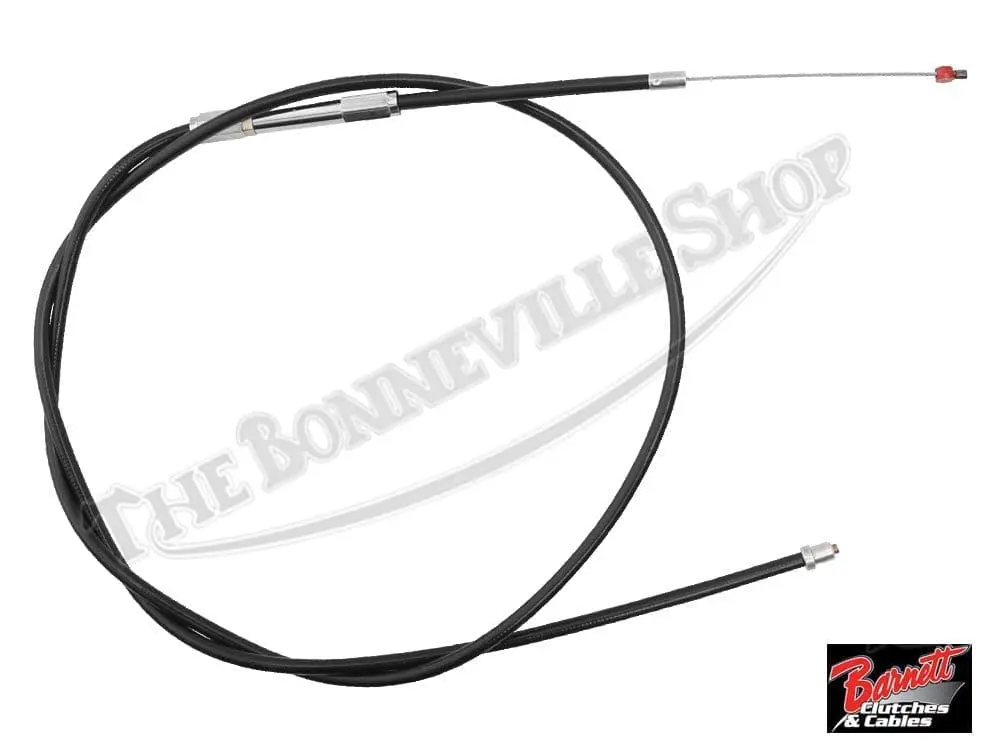

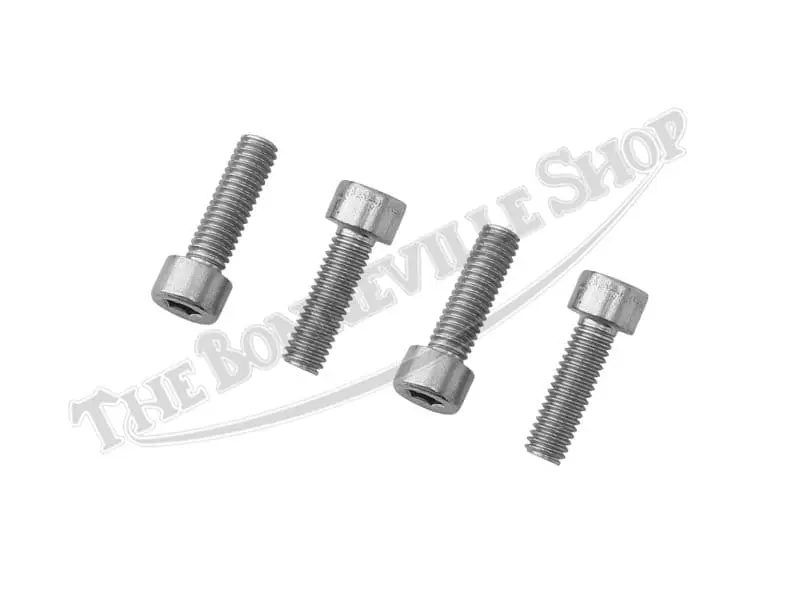

Triumph Norton BSA Throttle Cable Stop Split Ferrule(s) Small Amal-Type PN# 366/2
$6.65 – $11.96Price range: $6.65 through $11.96
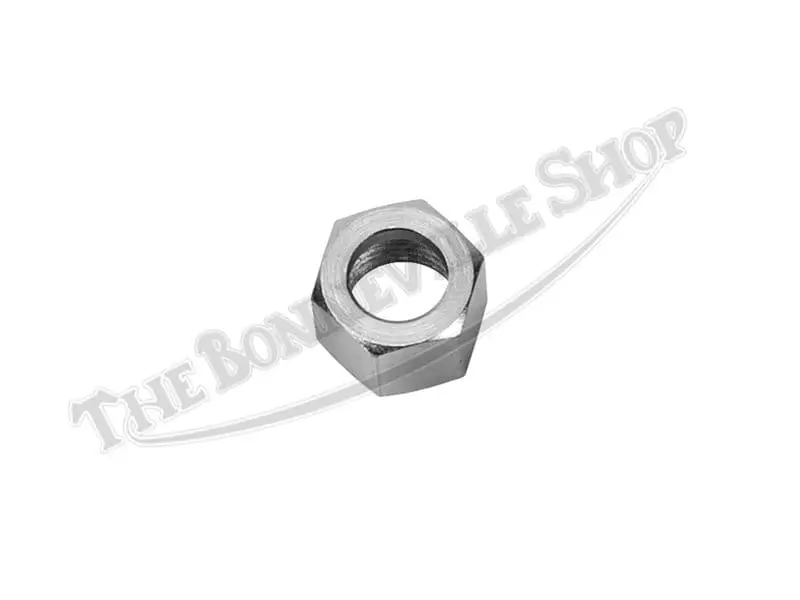
Triumph Norton BSA Fuel Petcock Union Nut(s) PN# 82-3337
$9.75 – $13.41Price range: $9.75 through $13.41
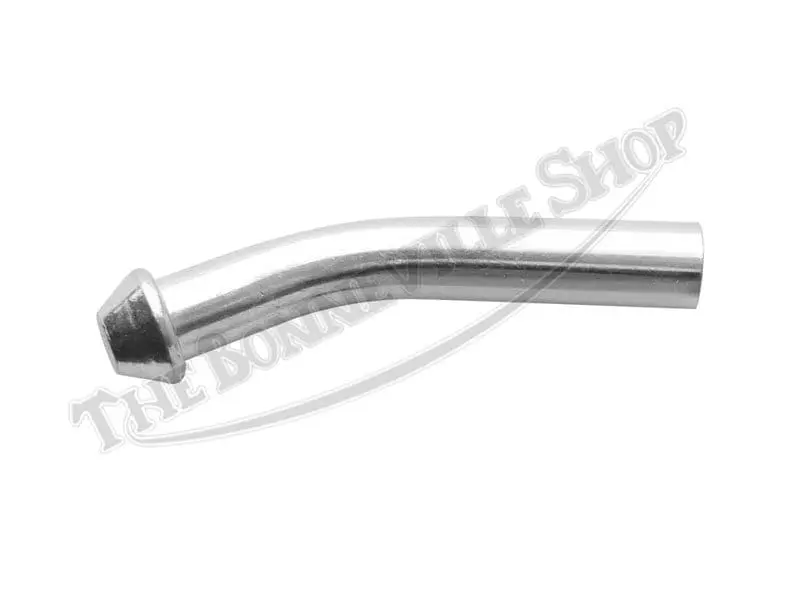
Triumph 500 650 750 Norton BSA 25-Degree Obtuse Fuel Pipe(s) PN# 82-3353 F3353
$12.65 – $21.79Price range: $12.65 through $21.79
Triumph Straight Fuel Pipe Barbed Fitting(s) PN# 82-3334 B
$10.18 – $15.11Price range: $10.18 through $15.11

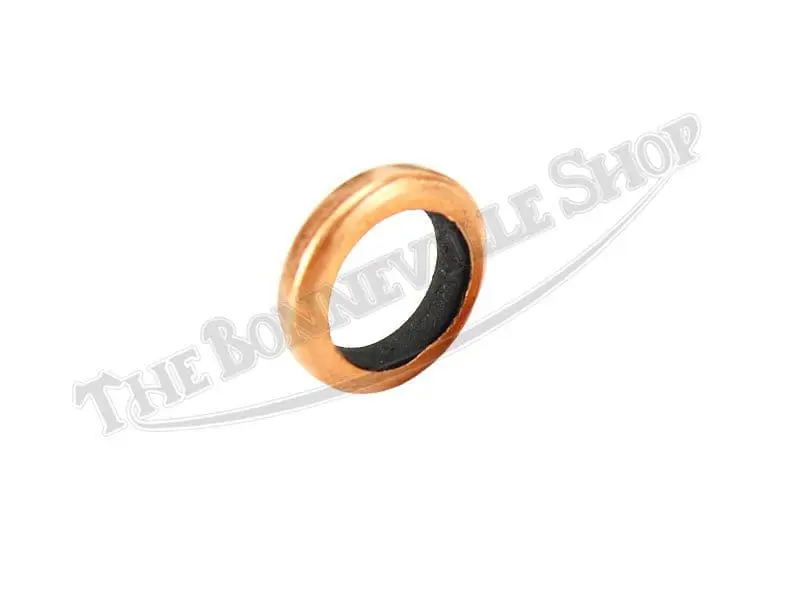
Triumph Norton BSA UK Made Copper Donut-Style Petcock Seal Washer(s) PN# TBS-9000
$9.48 – $18.47Price range: $9.48 through $18.47
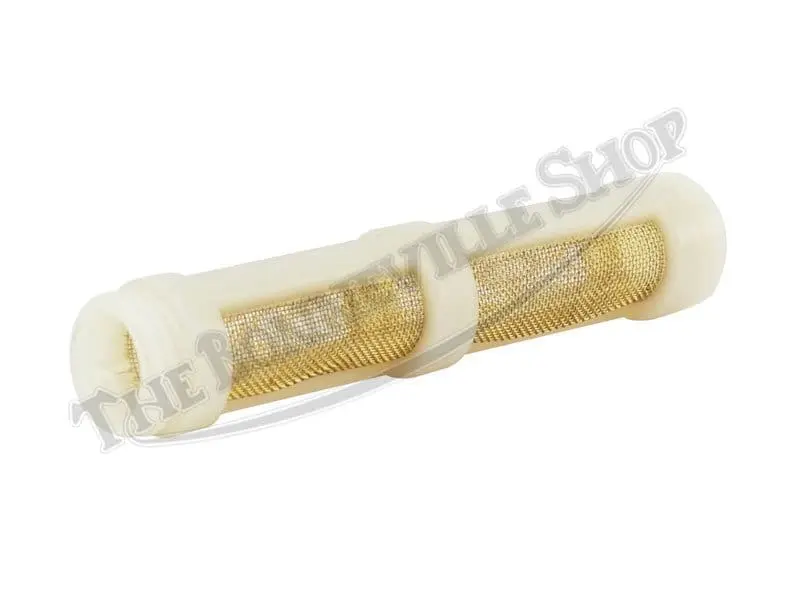
Triumph Norton Fuel Petcock Plastic Gauze Filter(s) PN# 83-2800 S F12800
$14.60 – $22.39Price range: $14.60 through $22.39
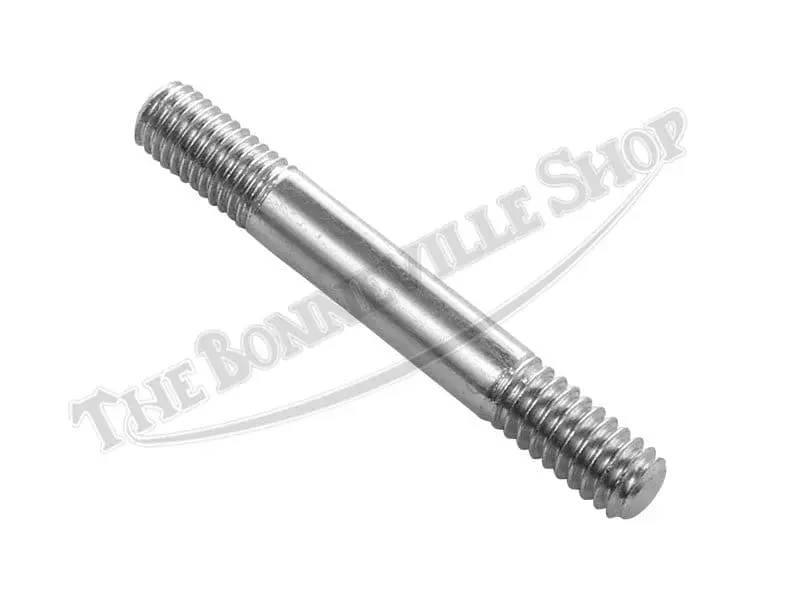
Triumph 500 650 5T TR5 T100 6T TR6 Tiger Inlet Manifold Stud(s) 1951-68 PN# 70-2973 E2973
$10.11 – $14.98Price range: $10.11 through $14.98

Triumph Norton BSA Amal 376 600 Series Carb Adapter Ring(s) for Air Filter PN# TBS-3170
$24.66 – $44.11Price range: $24.66 through $44.11

Triumph 750 T140 T140V Air Control Lower Choke Cable(s) 1973-78 PN# 60-4128 D4128
$19.94 – $34.90Price range: $19.94 through $34.90
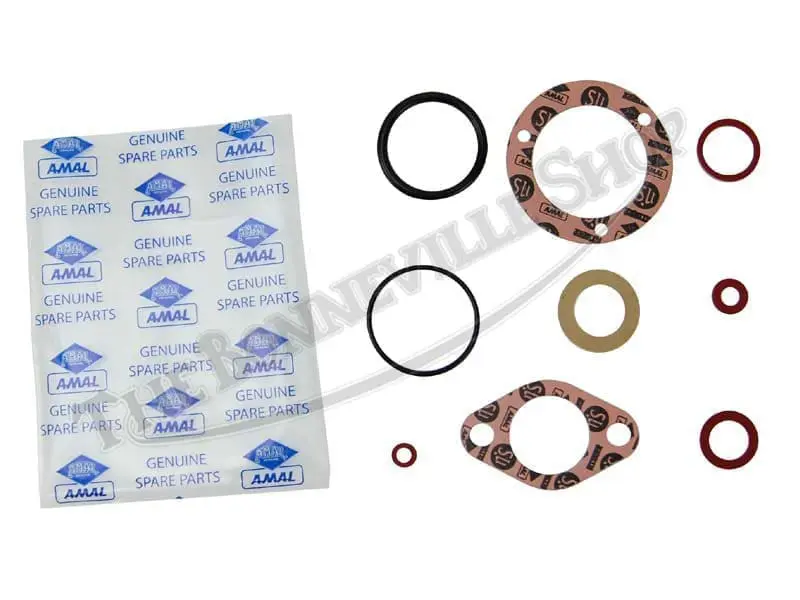
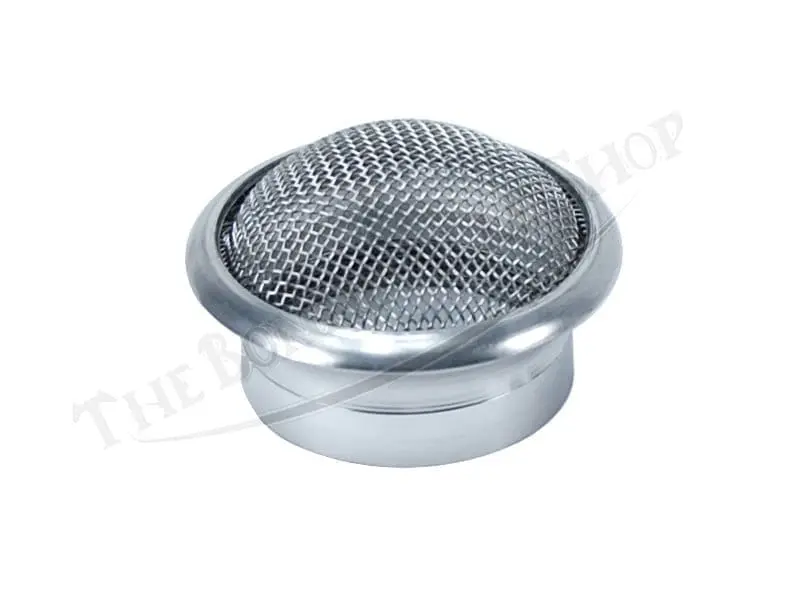
Triumph Norton BSA Amal 376 626 Short Domed Screen Velocity Stack(s) PN# TBS-VS-600 B
$34.17 – $62.70Price range: $34.17 through $62.70


Triumph Norton BSA Genuine Amal Throttle Stop Screw with O-Ring(s) PN# 622/077 622/082 99-0516 99-0520
$10.08 – $16.79Price range: $10.08 through $16.79


Triumph Norton BSA T150 A75 Amal-Type Concentric Float Bowl Drain Plug Washer(s) PN# 622/151
$5.89 – $8.15Price range: $5.89 through $8.15

Triumph Norton BSA Amal Single Sided 1/4-inch Inlet Fuel Pipe Banjo(s) PN# 376/097
$16.50 – $26.75Price range: $16.50 through $26.75
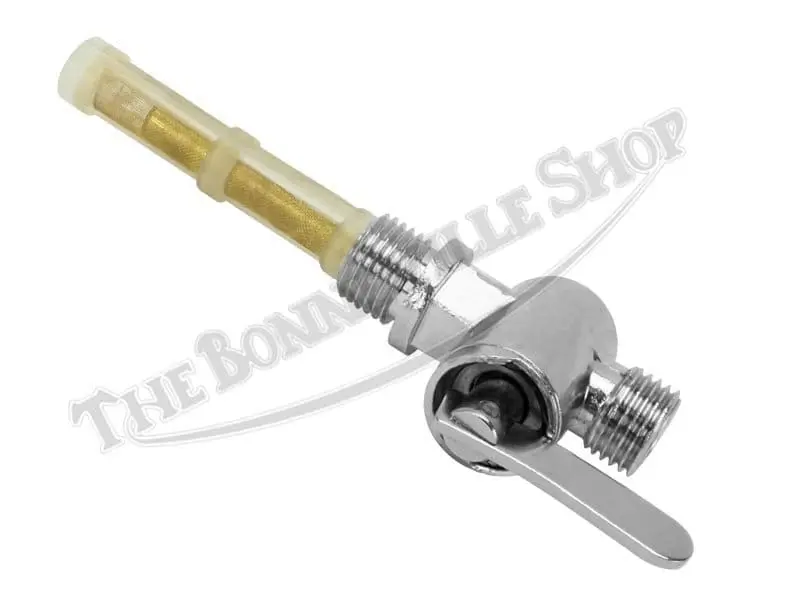
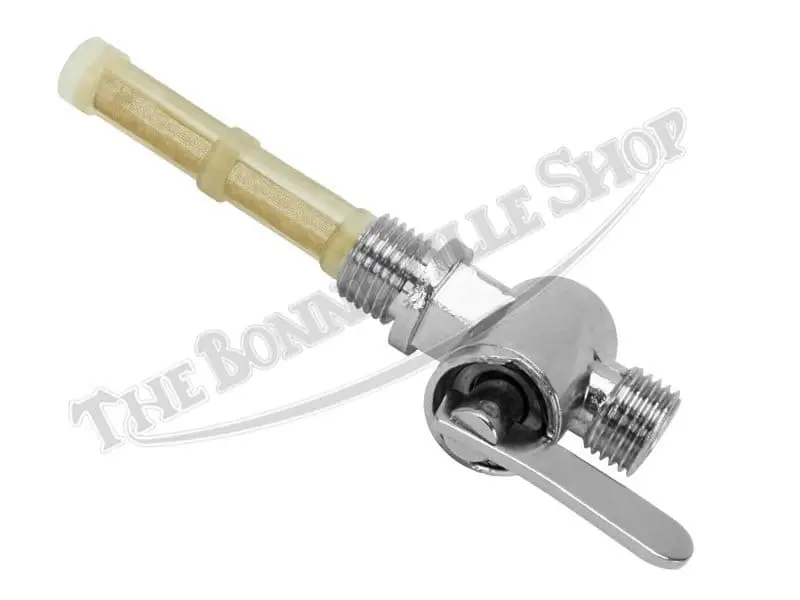
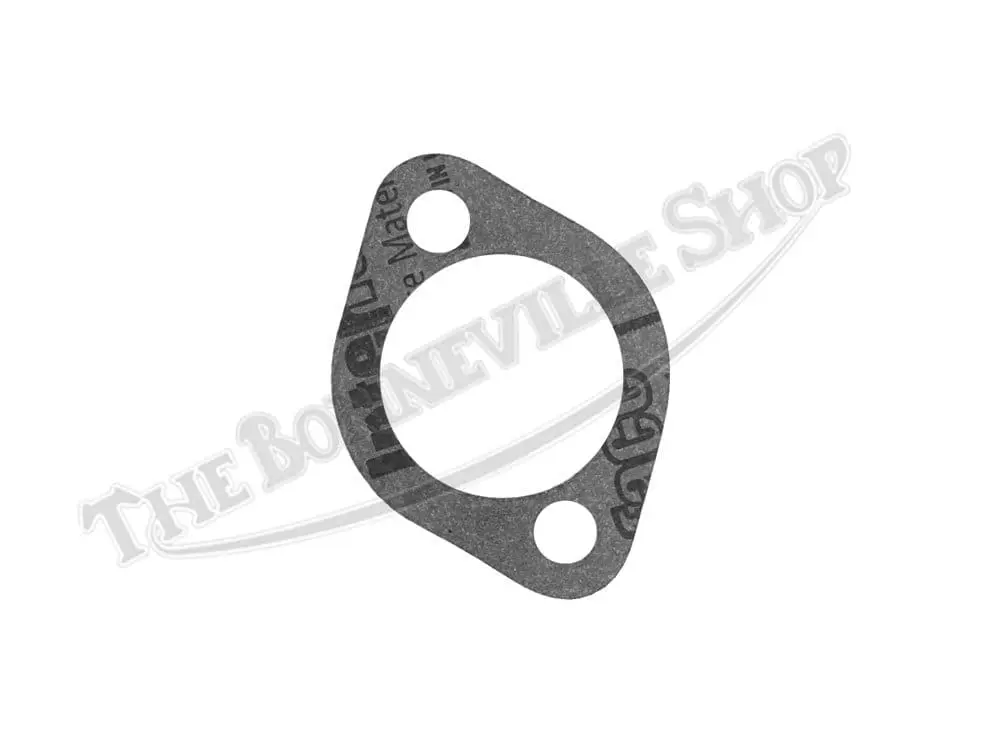
Triumph 650 and 750 Tiger Trophy Inlet Manifold Gasket(s) PN# 70-5660 E5660
$6.47 – $8.53Price range: $6.47 through $8.53
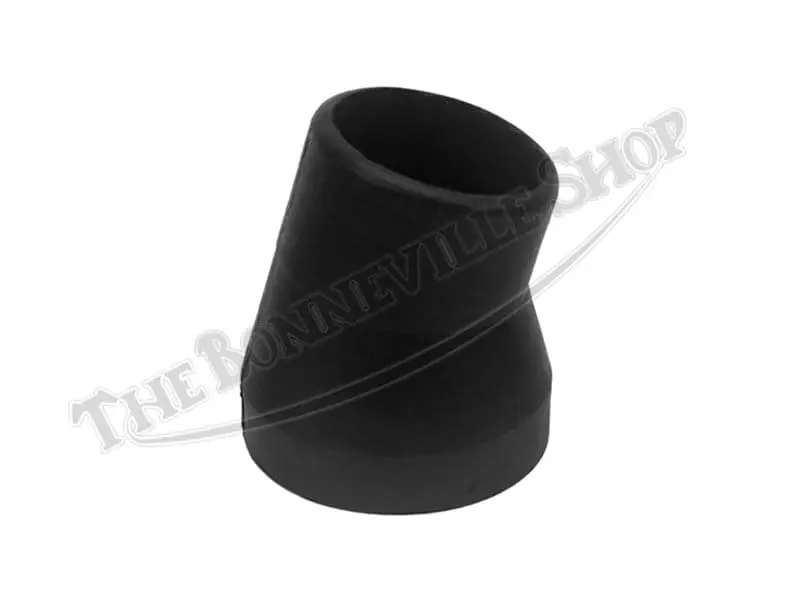
Triumph 750 T140 Bonneville Carb to Airbox Rubber(s) 1977-78.5 PN# 71-7019 E17019
$15.74 – $26.71Price range: $15.74 through $26.71
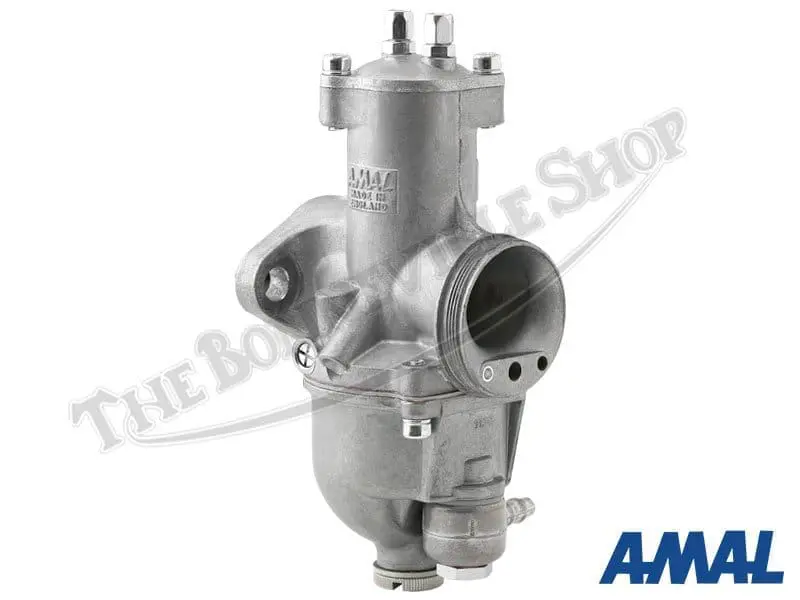
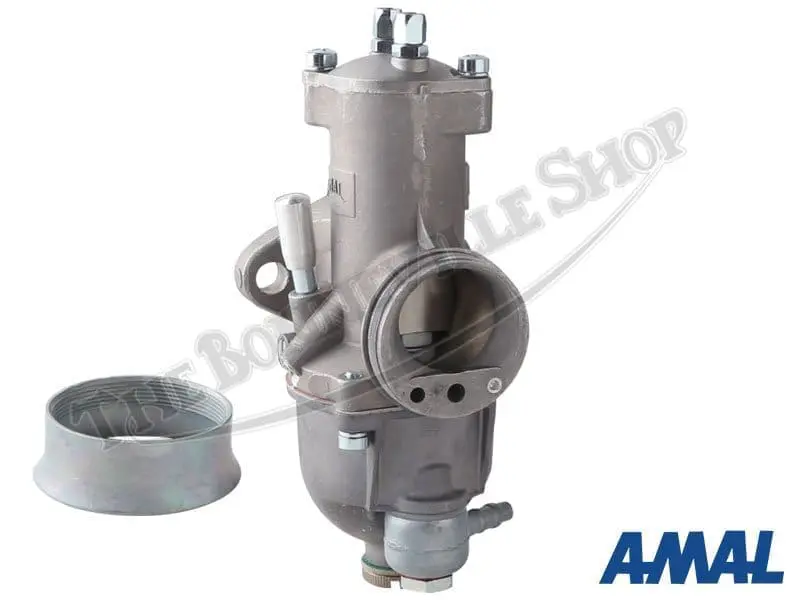
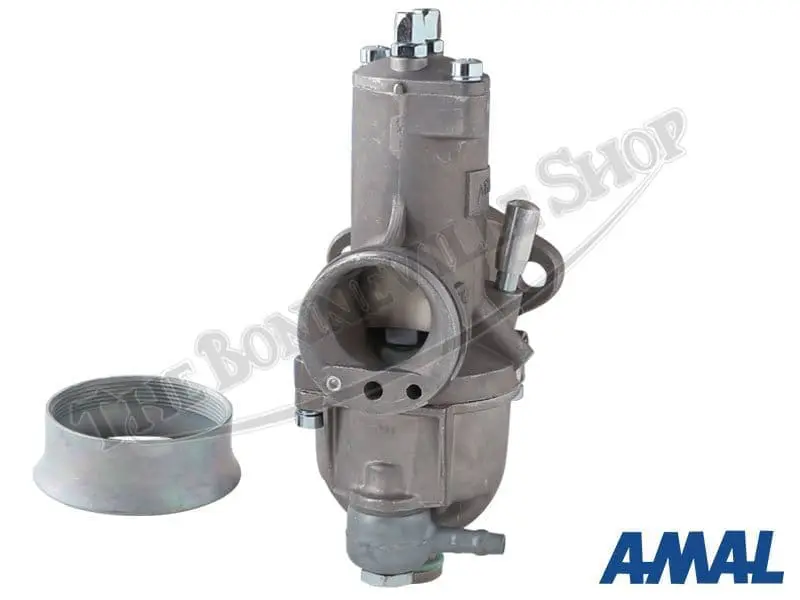
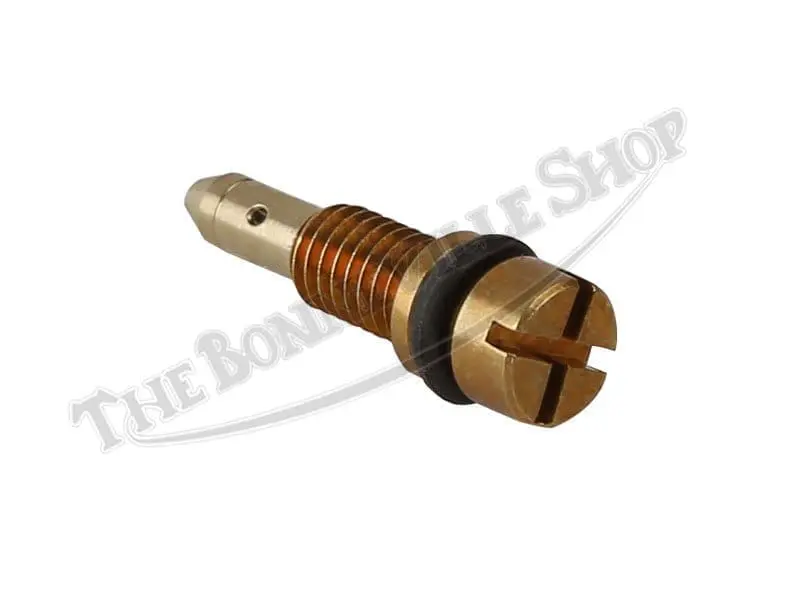
Triumph Norton BSA Wassell Evolution Pilot Jet PN# 622/502 W
$16.47 – $26.67Price range: $16.47 through $26.67

Triumph Norton BSA etc Amal-Type Concentric 928 930 932 Billet Alloy Velocity Stack(s) PN# 928/076
$54.98 – $106.79Price range: $54.98 through $106.79

Triumph Norton BSA Amal 900 Series Carb Threaded Adapter Ring(s) PN# 71-1860 E11860 03-3027
$12.30 – $19.47Price range: $12.30 through $19.47
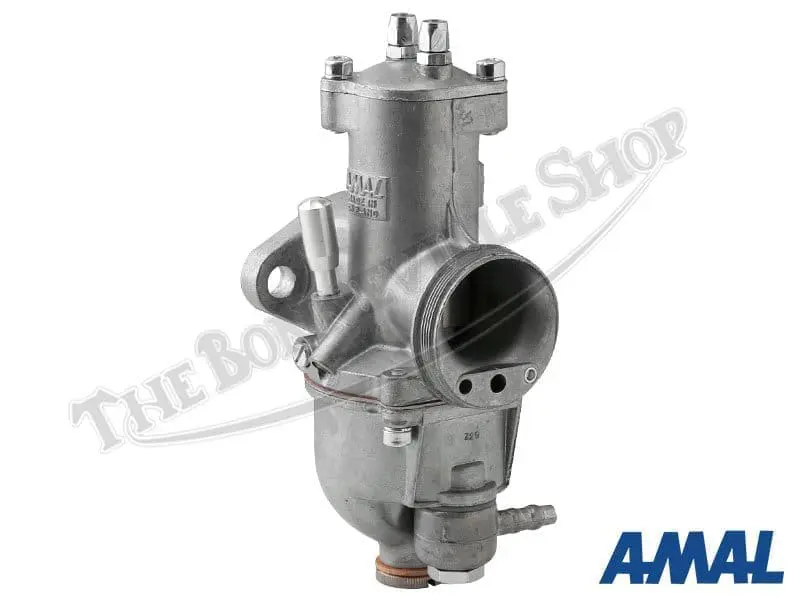
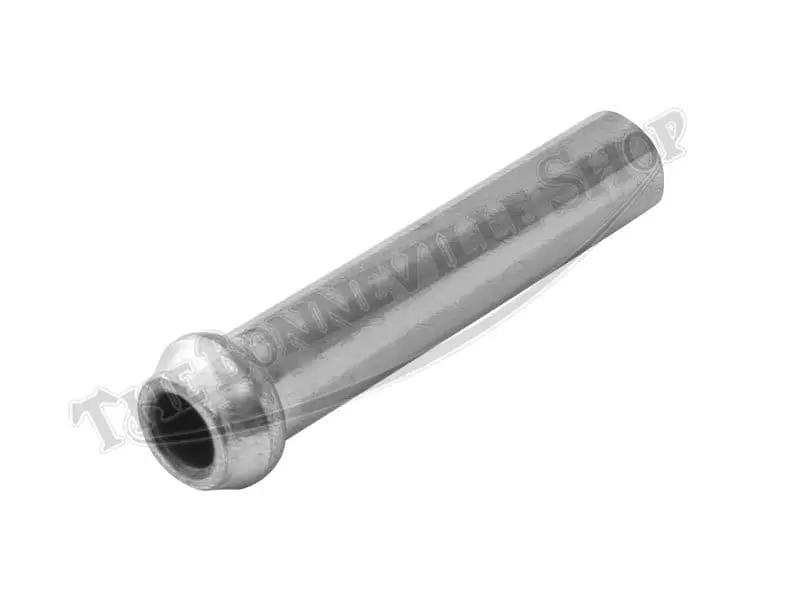
Triumph Norton BSA Straight Fuel Pipe(s) PN# 82-3334 F3334
$12.34 – $18.15Price range: $12.34 through $18.15
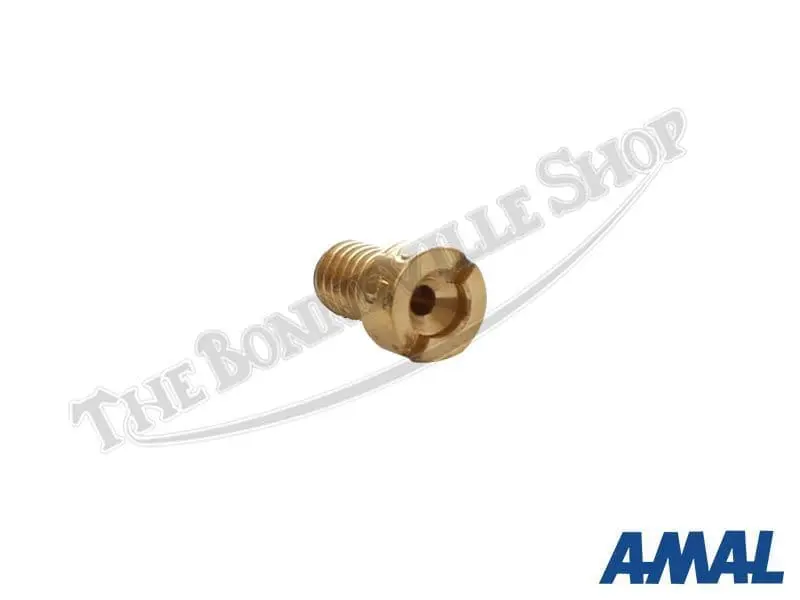
Genuine Early Amal Concentric #25 Pilot/Cold Start Jet(s) Triumph BSA Norton PN# 124/026-25
$15.71 – $24.47Price range: $15.71 through $24.47

Triumph Norton BSA Wassell Main Carburetor Carb Jet(s) Amal-Type PN# 376/100 W
$9.96 – $14.73Price range: $9.96 through $14.73
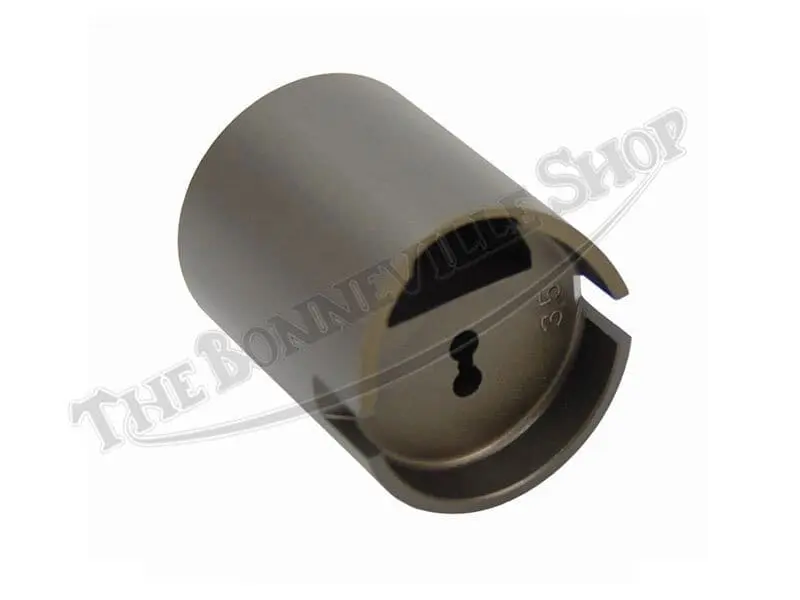

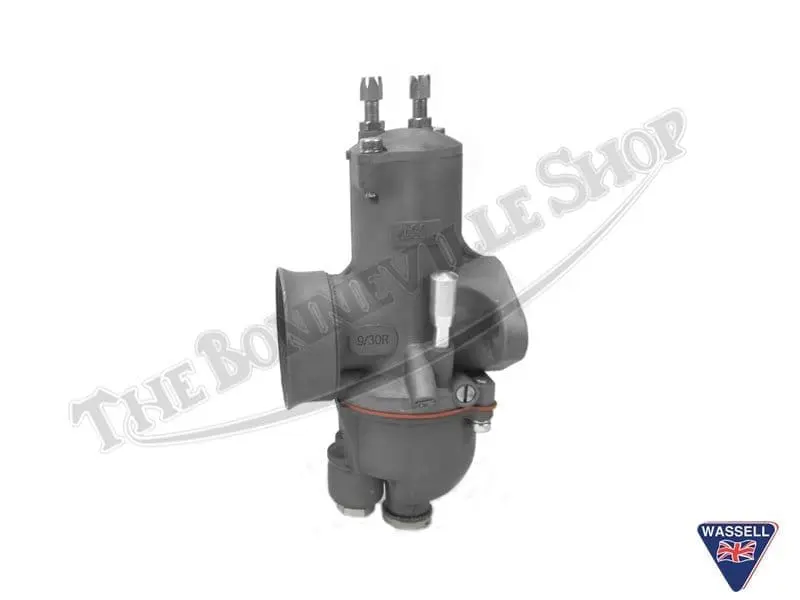
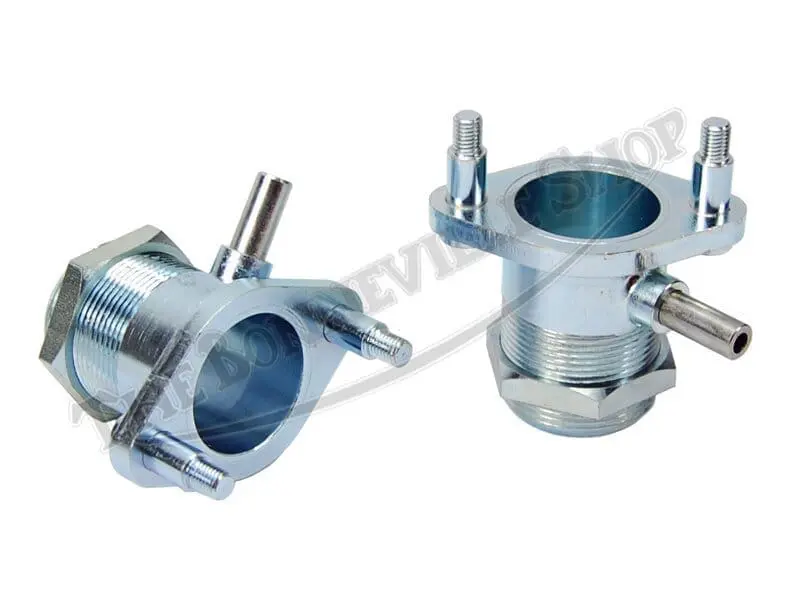
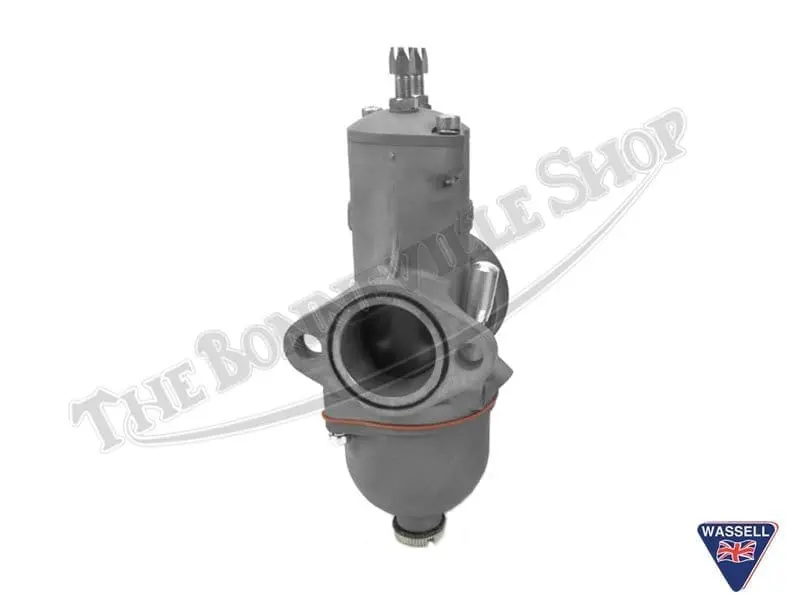
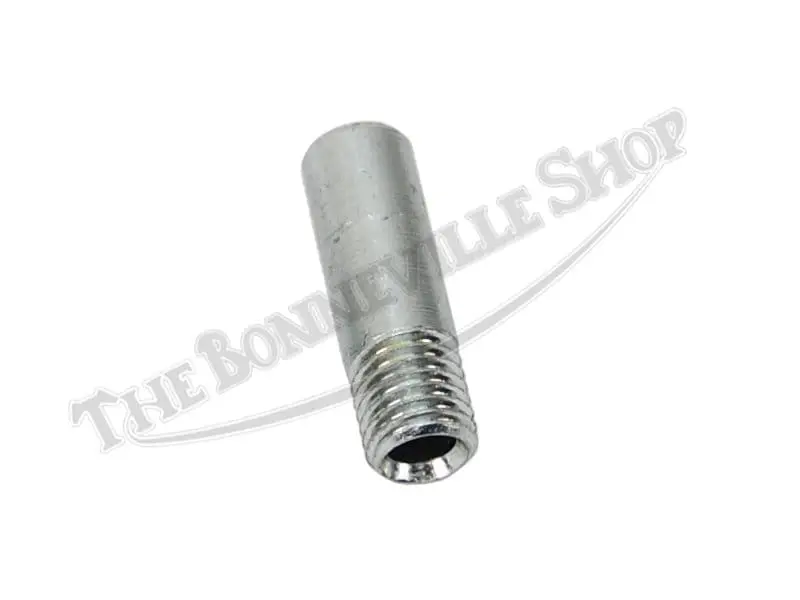
Triumph 650 Inlet Manifold Balance Connector Pipe Stub(s) PN# 70-4791
$8.74 – $12.52Price range: $8.74 through $12.52
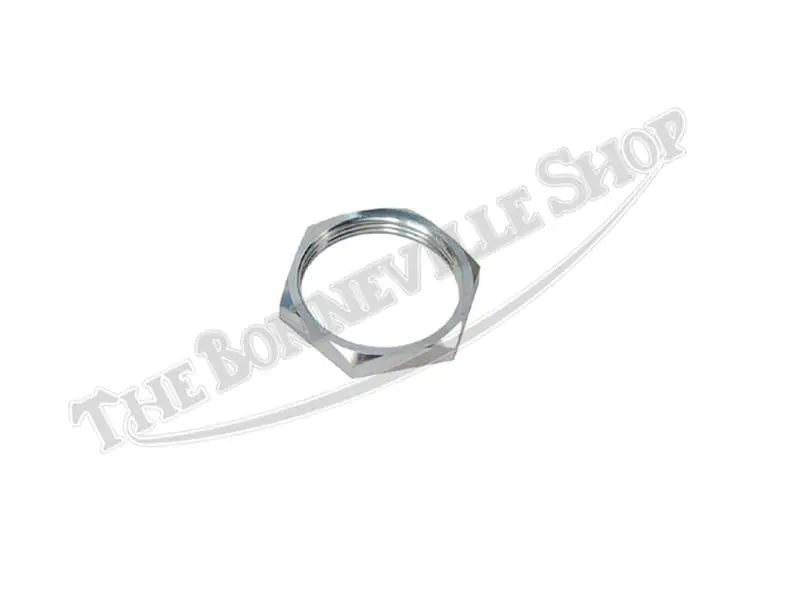
Triumph 650 Bonneville Inlet Manifold Nut(s) 1969-72 PN# 21-1932 S1932
$12.47 – $19.79Price range: $12.47 through $19.79

Triumph 500 650 Inlet Manifold Balance Pipe Stub(s) PN# 70-6916 E6916
$8.11 – $11.96Price range: $8.11 through $11.96
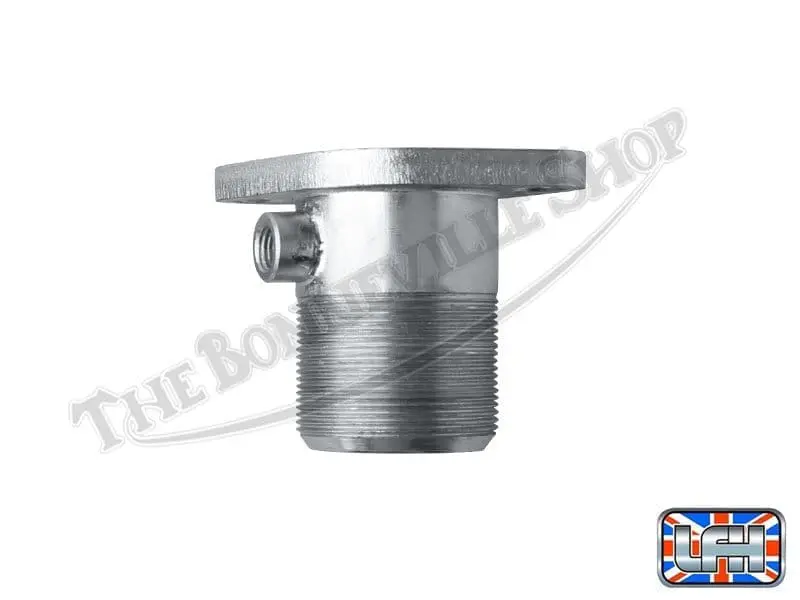
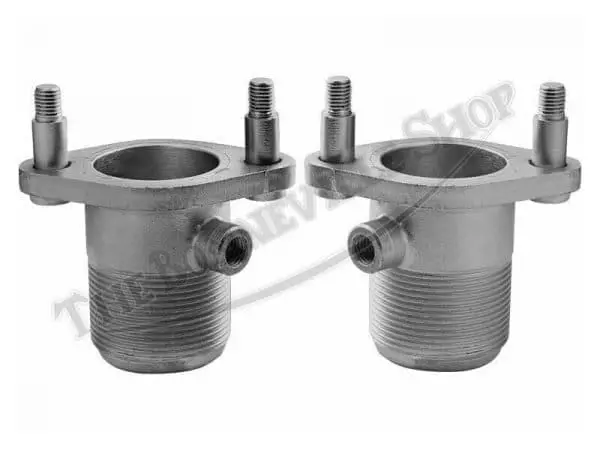
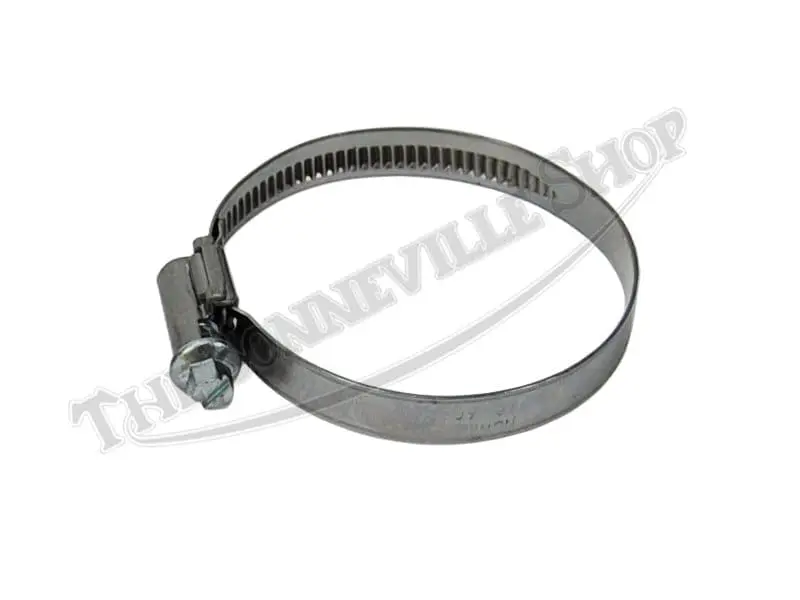
Triumph Amal 2000 Series MKII MK2 Jubilee Clip(s) PN# 60-7077 2036/146
$10.79 – $25.43Price range: $10.79 through $25.43
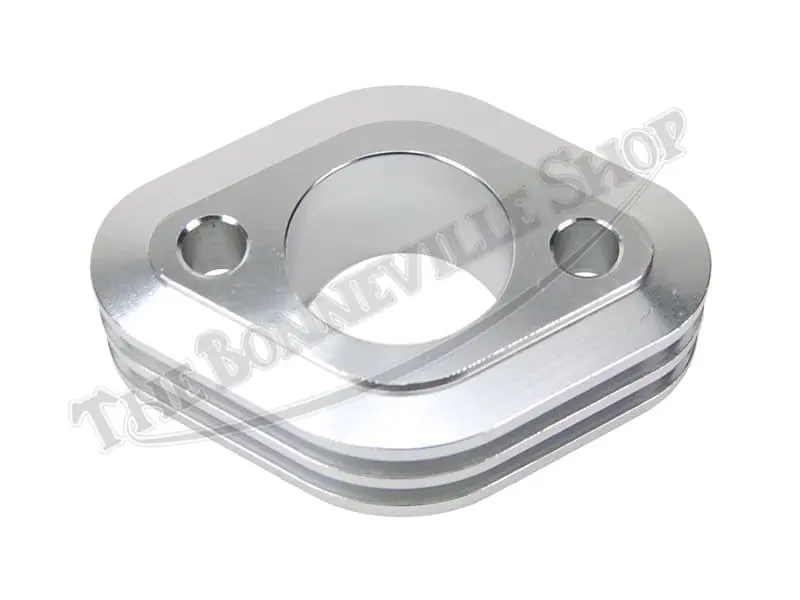
Triumph Norton BSA Webco-Type Billet Finned Inlet Manifold Spacer(s) PN# TBS-0030 B TBS-0032 B
$60.16 – $116.78Price range: $60.16 through $116.78
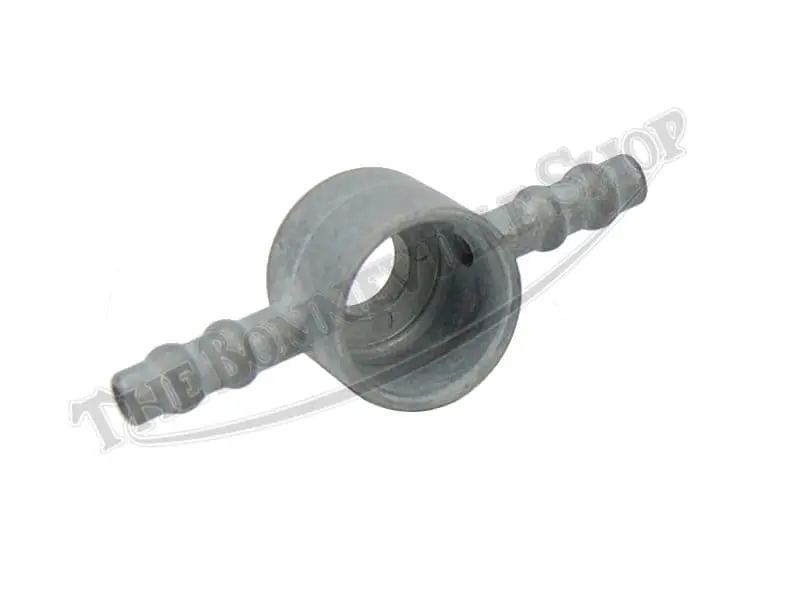
Triumph Norton BSA etc Amal Type 180 Degree 1/4-inch Banjo(s) PN# 376/419 W
$15.36 – $25.96Price range: $15.36 through $25.96

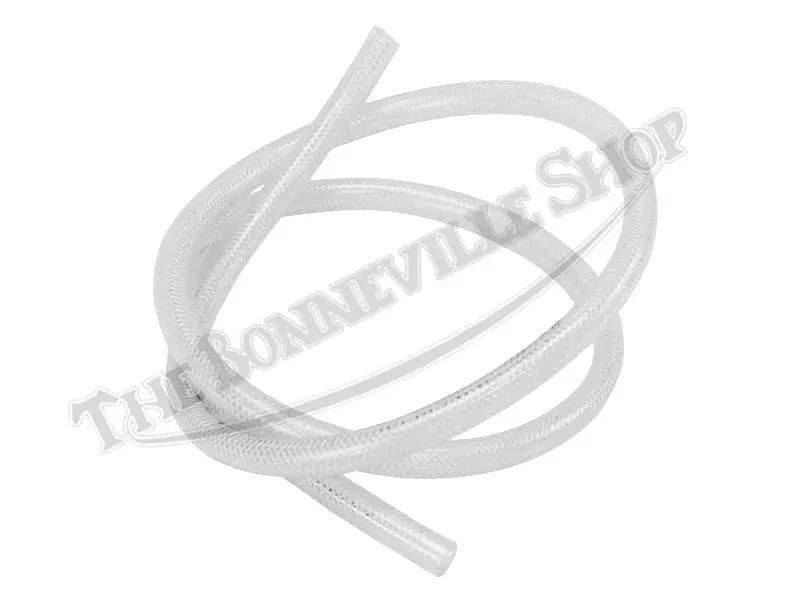
Triumph Norton BSA etc 5/16 inch ID and 5ft Length Clear Braided Fuel Hose Line(s) PN# TBS-51605
$29.39 – $53.37Price range: $29.39 through $53.37

Triumph Norton BSA etc 1/4 inch Fuel Hose Line 5 ft Clear Braided(s) PN# TBS-1405
$20.40 – $35.80Price range: $20.40 through $35.80
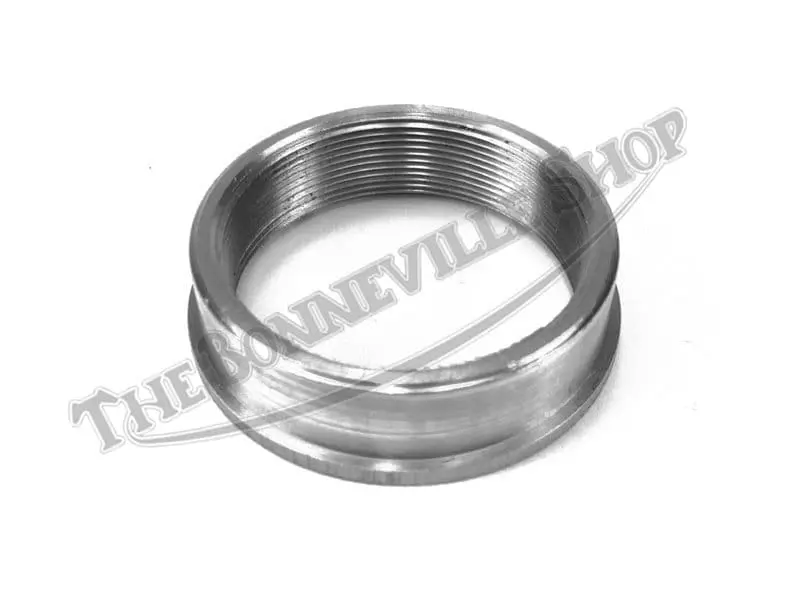
Triumph Norton BSA Amal 389 Series Carb Adapter Ring(s) for Air Filter PN# TBS-3171
$17.12 – $29.40Price range: $17.12 through $29.40
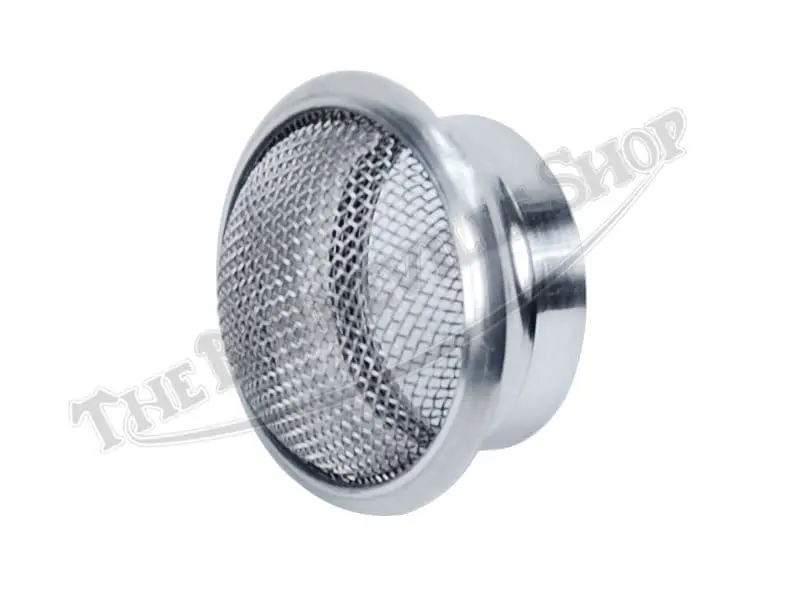
Triumph BSA Amal Concentric Short Velocity Stack(s) Round Screen PN# TBS-900 BR
$45.08 – $86.18Price range: $45.08 through $86.18
Table of Contents
Choosing the Right Carburetor for Your Vintage Triumph
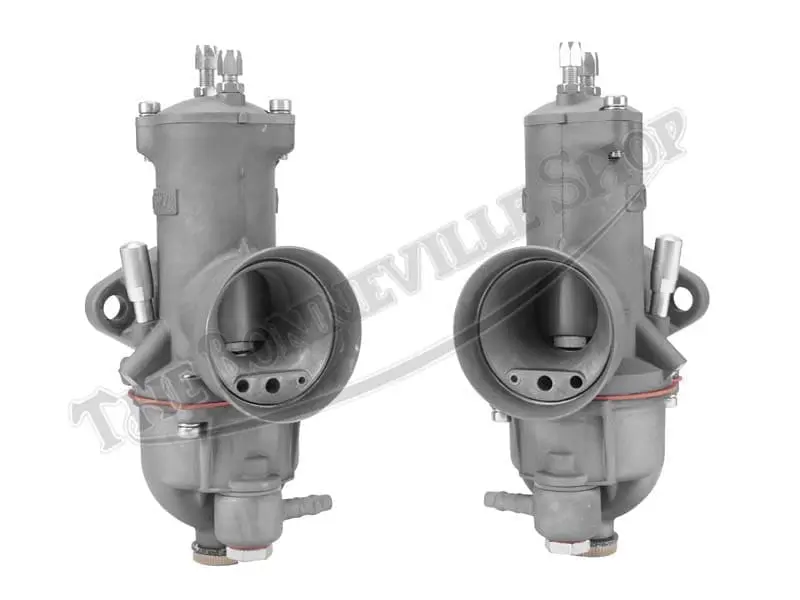
A vintage Triumph carburetor is not a universal replacement part. Two carburetors can share the same bore size while using different jetting, needles, spray tubes, controls or mounting arrangements. The correct choice starts with identifying both the motorcycle and the carburetor—not simply ordering by engine capacity.
Begin with these details:
- Motorcycle model and model year.
- Engine capacity and any known engine modifications.
- Existing carburetor make, series and complete stamped identification.
- Single-, twin- or triple-carburetor arrangement.
- Bore size and left- or right-hand configuration.
- Inlet manifold, mounting hardware and air-filter connections.
- Throttle cables, choke controls and fuel-line routing.
Original specifications provide a starting point, but changes to the engine, exhaust or air filtration can require different settings. A previous owner may also have fitted a carburetor that was not originally specified for the motorcycle.
Browse our wider vintage Triumph parts collection when your fuel-system work also requires related restoration parts.
What Makes Triumph Carburetor Selection Different?
Similar model names do not guarantee the same carburetor
Your Triumph’s full model designation matters. Do not assume that every T100 uses the same arrangement, that a Tiger listing automatically applies to a Bonneville, or that every T140 uses the same carburetor family.
For example, our category includes Amal 626 carburetor sets for specified T100T and T100R Daytona applications alongside later T140 MKII fuel-line assemblies. These are different applications, not interchangeable fuel-system packages. Always read the individual product description and verify your motorcycle’s actual configuration.
Bore size is only part of an Amal’s identity
On an Amal MK1 Concentric, the three-digit body identification describes the series and bore:
| Identification | Series | Bore |
| 626 | 600 Series | 26 mm |
| 928 | 900 Series | 28 mm |
| 930 | 900 Series | 30 mm |
| 932 | 900 Series | 32 mm |
The additional specification number identifies the original application and settings. Left- and right-hand versions also differ in the position of their ticklers and adjusting screws. Match the complete identification rather than stopping at “626” or “930.”
A Trident is not simply a twin with another carburetor
Triumph triple applications require particular attention to internal specifications. Amal identifies a distinctive spray-tube arrangement for Triumph triples and a separate needle specification for the T160. Do not assume that a same-size carburetor or needle intended for a twin is correct for a Trident.
Mounting technique can affect throttle safety
An Amal MK1 Concentric can suffer flange or body distortion if its mounting nuts are overtightened. That distortion can make the throttle slide stick. Clean, flat mounting surfaces, correct seals and careful tightening are therefore part of a safe installation—not finishing details.
Compare Triumph Carburetor Types
Amal Monobloc carburetors
For a restoration requiring a Monobloc, match the exact series, bore, specification and installation layout. Our range includes the Amal 376 Monobloc in 1-1/16-inch bore and Amal 389 Monobloc in 1-1/8-inch bore.
Check the individual listing rather than choosing solely by appearance or the “Monobloc” name.
Amal MK1 Concentric carburetors
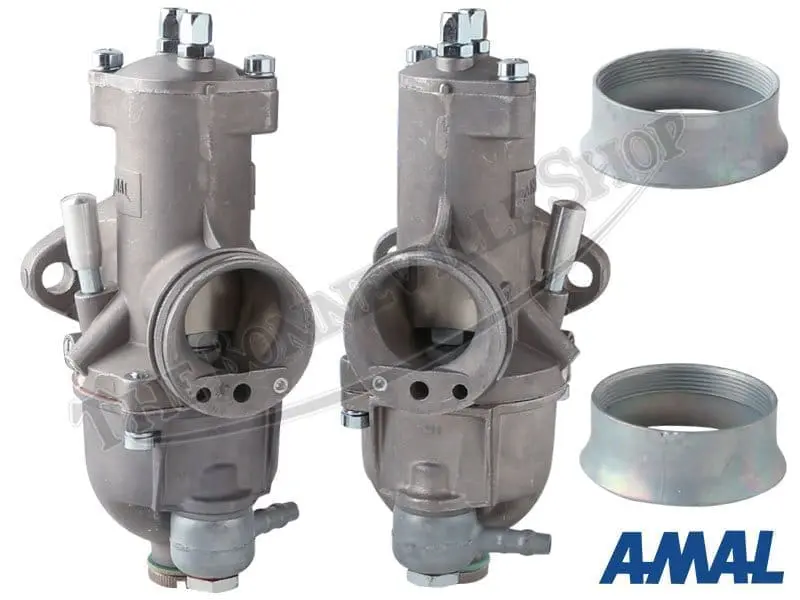
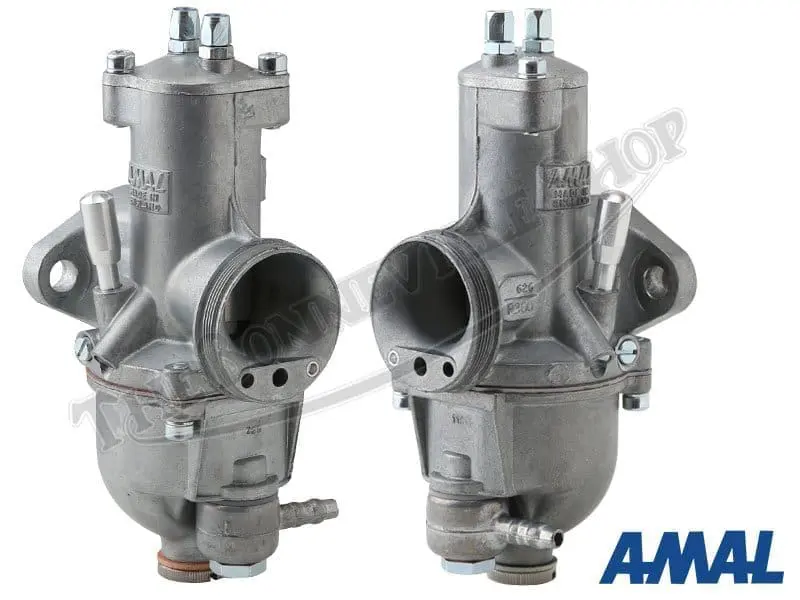
Amal introduced the MK1 Concentric during the 1967 model year. Its compact float-chamber arrangement places the fuel around the main jet to reduce the effects of fuel surge during cornering and changing throttle conditions.
For an existing installation, identify the body, bore and specification before selecting replacement carburetors or service parts. Our range includes standard Amal 626 carburetor sets and Premier Alloy 626 sets for specified Triumph 500 applications.
Amal Premier replacements
When considering a Premier replacement, check the exact product specification, supplied settings and compatible service parts. “Premier” does not make every bore size or jet selection suitable for every Triumph.
For example, the Amal Premier Alloy 930 right-hand carburetor is a specific 30 mm product with a stated supplied main jet—not a universal recommendation for all 650 or 750 Triumphs.
Wassell Evolution carburetors
Our range includes 28 mm Wassell Evolution left- and right-hand sets and 30 mm Wassell Evolution sets.
Check the application, included jetting and required mounting components before ordering. Use the correct Wassell Evolution pilot jets where specified; do not assume a similarly named part automatically substitutes for an Amal component.
Amal MKII systems on later T140 motorcycles
Later T140 applications require particular care when identifying cables, fuel lines, cold-start parts and mounting components. Our category includes MKII-specific parts as well as MK1 components, so the model name alone is not enough to select the correct item.
Compare the appropriate MKII fuel-line assembly and MKII carburetor mounting washer set against the parts actually fitted to your motorcycle.
Rebuild Your Existing Carburetor or Replace It?
A rebuild makes sense when the carburetor body and slide remain serviceable and the problems involve replaceable wear items, seals or contamination. Start with inspection—not a larger jet.
For suitable applications, shop:
- Amal Concentric overhaul kits.
- Amal 389 Monobloc major overhaul kits.
- Concentric float-bowl gaskets.
- Genuine Amal needle jets.
- Genuine Amal throttle needles.
- Hard-anodized Amal throttle slides.
A gasket kit cannot correct a worn mixing-chamber body or restore safe operation to a distorted carburetor. Amal advises replacement when flange distortion causes the slide to jam, or body wear allows enough air leakage to prevent accurate tuning. Consult Amal’s MK1 Concentric rebuilding guide before deciding which parts to buy.
Match the Jet to the Throttle Range
Carburetor circuits overlap, but identifying where the problem occurs helps you select the right adjustment or replacement part.
| Approximate throttle opening | Main area to investigate | Related parts |
| Closed to 1/8 | Pilot circuit and pilot-air adjustment | Genuine Amal pilot jets, where applicable |
| 1/8 to 1/4 | Throttle-slide cutaway | Amal throttle slides |
| 1/4 to 3/4 | Needle jet, needle and clip position | Needle jets and throttle needles |
| 3/4 to fully open | Main-jet selection | Genuine Amal main jets |
These are diagnostic ranges, not rigid boundaries. Before changing jetting, check fuel level, air leaks, ignition timing, valve clearances and engine condition. Read our Triumph carburetor tuning basics for the broader tuning process.
Important Triumph Carburetor Installation Tips
1. Identify the mounting arrangement before tightening anything
Use the installation instructions for the actual carburetor and manifold combination. Do not apply a generic torque figure across Monobloc, MK1, MKII and modified installations.
For Amal MK1 Concentrics, Amal specifies careful, even tightening and warns against pulling the carburetor tightly against the intake flange. Its rebuilding guide states a maximum mounting-nut torque of 4 lb-ft; this is not a universal specification for every Triumph carburetor mounting system.
2. Check the manifold and heat-insulating spacer
The mounting flange and insulating spacer must be clean and flat. Uneven surfaces can distort the carburetor when the nuts are tightened.
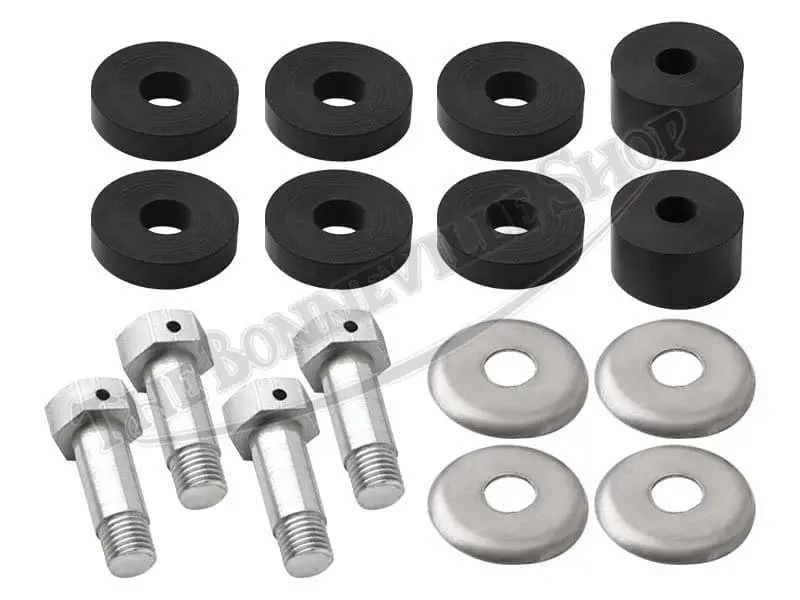
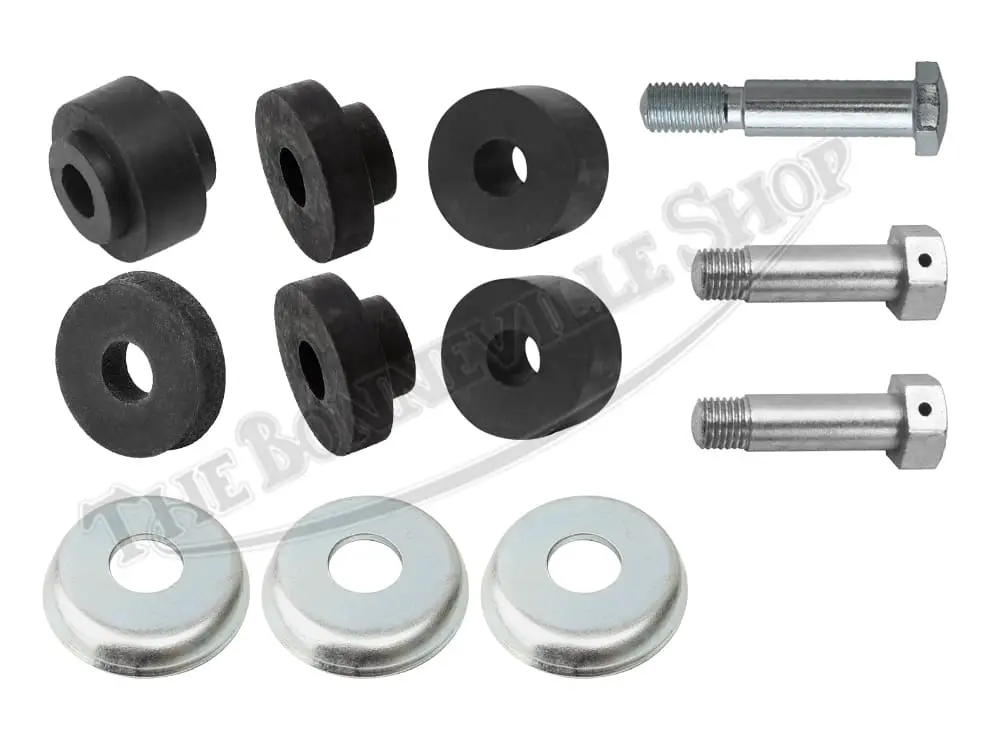
Check the application before replacing phenolic carburetor insulators, mounting cupped washers and O-rings or Bonneville inlet manifolds. These parts are application-dependent, not one universal mounting stack.
3. Install MK1 Concentrics as assembled units
Amal recommends fitting the carburetor with the float chamber, mixing-chamber top, slide and cable components assembled. This helps maintain rigidity and reduces the risk of distortion during installation.
4. Check throttle return after fitting the tank
Before starting the engine, confirm that the throttle opens smoothly and closes sharply. Repeat the check with the tank fitted and the handlebars turned fully in both directions.
If the slide binds or cable tension changes with steering movement, correct the problem before running the motorcycle. Use the specified cable, such as the T140V throttle-cable assembly for its listed application, rather than selecting by approximate length alone.
5. Confirm fuel supply and float operation
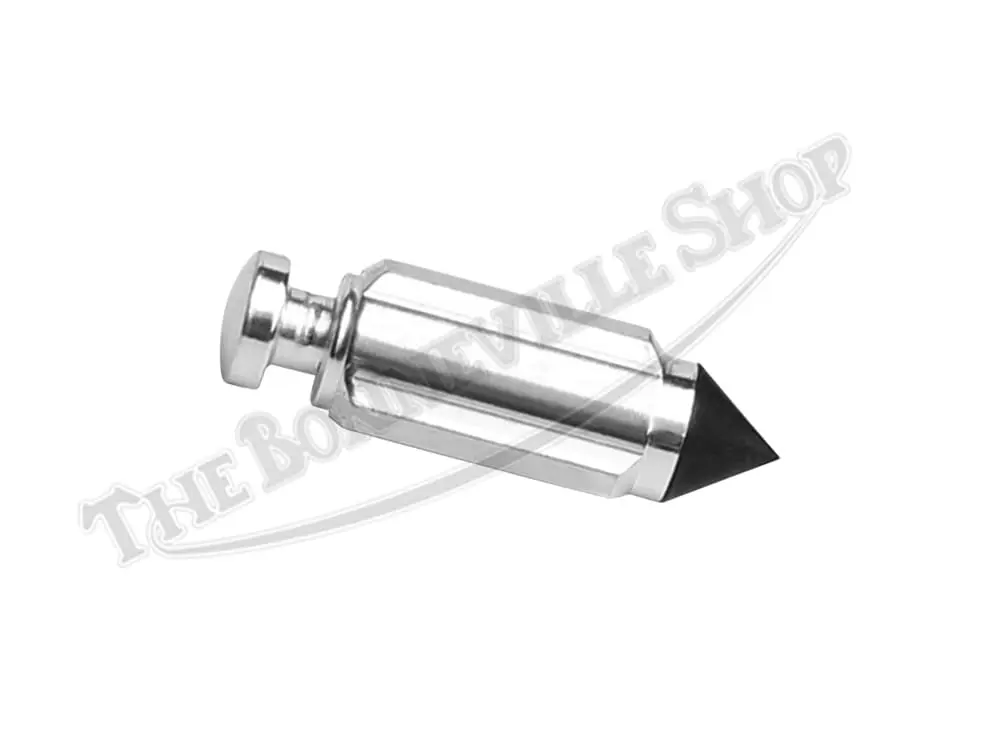
A restricted fuel supply, contaminated float valve or incorrect fuel level can resemble a jetting problem. Inspect the tank, taps, filters, lines and float components before adjusting the mixture.
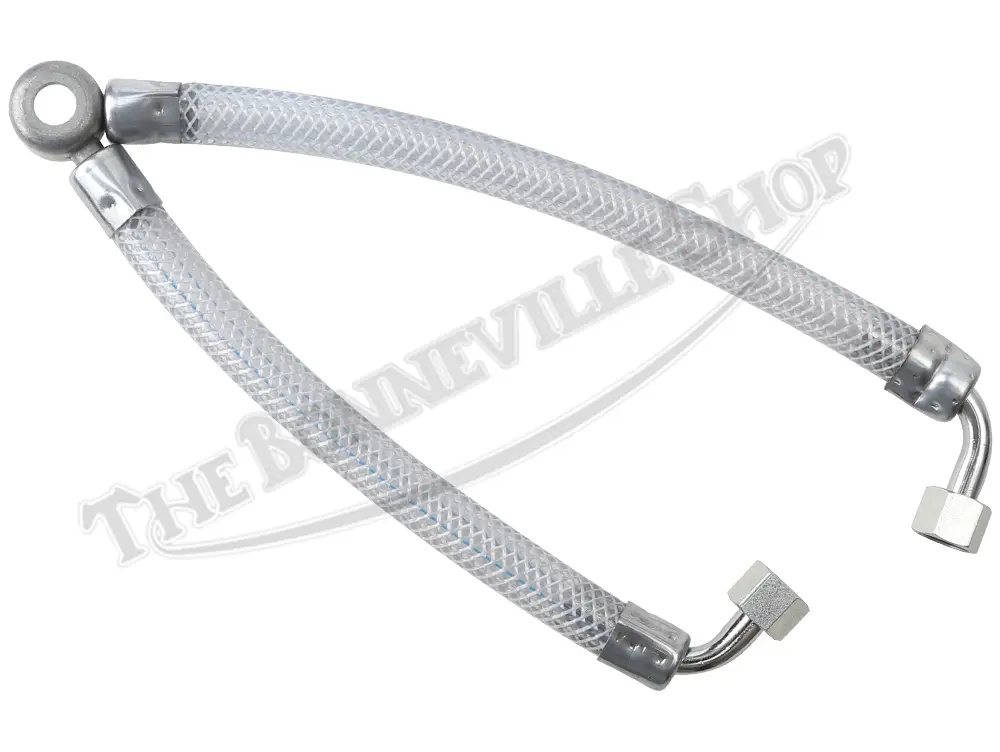
Use a fuel-line assembly appropriate to the installation, such as the listed T120/T140 fuel-line assembly or the separate MKII arrangement. Work on a cool motorcycle in a ventilated area away from ignition sources, and check for leaks before starting.
6. Tune with the intended air filters and exhaust fitted
Changes to air filtration or exhaust can alter the required carburetor settings. Complete the installation in the configuration you intend to ride.
Check the correct replacement air-filter elements, 376/600 Series filter adapters or 900 Series threaded adapter rings for your setup.
7. Synchronize multiple carburetors
On a multi-carburetor Triumph, each carburetor needs the correct settings and the carburetors must work together. Synchronization checks help ensure that throttle operation and cylinder contribution remain balanced.
Do not use synchronization adjustments to compensate for an air leak, sticking slide, blocked pilot circuit or ignition fault.
For manufacturer guidance, consult Amal’s installation instructions and Amal’s technical library.
Need Help Identifying Your Triumph Carburetor?
Before ordering, gather your motorcycle’s model, year, engine capacity and the complete identification stamped on the carburetor. Include clear photographs of the carburetor, manifold and air-filter connection when using our contact page.
That information provides a more useful starting point than engine size alone. Review our shipping and returns information before purchasing parts for an uncertain or modified application.
Triumph Carburetor FAQs
How do I know which carburetor fits my Triumph?
Identify the motorcycle’s model and year, then match the carburetor series, bore, full specification number, handedness and mounting arrangement. Check what is actually fitted: previous owners may have changed the carburetor, engine, manifold or air filters.
What do Amal 626, 928 and 930 mean?
For MK1 Concentrics, these identify the body series and bore. A 626 is a 600 Series carburetor with a 26 mm bore, a 928 is a 900 Series with a 28 mm bore, and a 930 is a 900 Series with a 30 mm bore. The additional specification number identifies the original application and settings.
Can I choose a carburetor using engine size alone?
No. Engine capacity does not establish the required mounting arrangement, internal specification, carburetor count or jetting. Start with the correct application and account for engine, intake and exhaust modifications.
Does every Triumph T100 use the same carburetor?
No single T100 carburetor listing should be treated as universal. Check the full model designation, year and installed arrangement. Our listings distinguish individual right-hand carburetors from paired sets for specified applications.
What is the difference between left- and right-hand Amal carburetors?
On MK1 Concentrics, handedness relates to the position of the tickler and adjusting screws. Choose the specified handed version so the controls suit the installation and remain accessible.
Is a larger carburetor automatically an upgrade?
No. A larger bore is not evidence of compatibility or better performance on a particular motorcycle. Match the engine’s requirements and complete intake arrangement rather than selecting the largest available size.
Should I rebuild or replace my old Amal carburetor?
Rebuild it when inspection shows that the body and slide remain serviceable and the faults involve replaceable components or contamination. Replacement may be necessary when body wear prevents accurate tuning or distortion makes the slide stick. A gasket kit cannot correct those structural problems.
Will a rebuild kit include everything I need?
Not necessarily. Kit contents vary by carburetor family and product. Check whether you also need jets, needles, a slide, float components or mounting seals. Inspect the carburetor before choosing an Amal overhaul kit.
Why does my Triumph start but refuse to idle?
A restricted pilot circuit is one possible cause, particularly after storage, but air leaks, incorrect fuel level, ignition faults and valve-clearance problems can produce similar symptoms. Diagnose the cause before changing jets.
Should I fit a larger main jet to cure poor idling?
The main jet principally affects larger throttle openings, so it is not the first place to look for an idle-only problem. Inspect the pilot circuit, fuel level, intake sealing and engine tune first.
How tight should Amal MK1 Concentric mounting nuts be?
Follow Amal’s instructions for your exact installation. Its MK1 rebuilding guide specifies no more than 4 lb-ft and warns that overtightening can distort the flange or body. Do not transfer this figure to other carburetor types or mounting systems.
Why does my throttle stick after the carburetor is installed?
Possible causes include mounting distortion, slide or assembly problems, and cable routing or interference. Amal warns that excessive mounting pressure can make the slide stick. Do not ride the motorcycle until the throttle returns freely with the tank installed and the handlebars turned both ways.
What is the difference between an Amal tickler and a choke?
A tickler temporarily raises the fuel level to enrich the starting mixture. A choke air slide restricts air to enrich the mixture. They are different devices, and later carburetor systems can use different cold-start arrangements. Follow the starting procedure for the carburetor fitted to your motorcycle.
Do twin or triple carburetors need synchronization?
Yes. Multi-carburetor motorcycles need coordinated throttle operation and balanced settings. Synchronization is part of tuning a sound installation; it cannot correct worn components, intake leaks or ignition faults.
Can I interchange all Amal and Wassell jets?
Can air filters, exhaust changes or altitude affect jetting?
Yes. Changes to the intake or exhaust can require carburetor adjustments, and altitude changes air density and mixture behavior. Tune for the motorcycle’s actual equipment and riding conditions rather than applying one universal jet recommendation. See our Triumph carburetor tuning guide.