

The Bonneville Shop stocks electrical parts for classic Triumph motorcycles, covering pre-unit twins through unit 650 and 750 Bonneville, Trophy, Tiger, and Trident models. Find ignition, charging, wiring, lighting, and switch components for stock restorations or reliability upgrades.
Most vintage Triumphs used Lucas positive-earth systems (6-volt on earlier bikes, 12-volt on later models). Confirm your year, model, voltage, and earth polarity before ordering. Many owners convert 6-volt systems to 12-volt or replace points with electronic ignition.
Review our Vintage Triumph Electrical Topics
Table of Contents
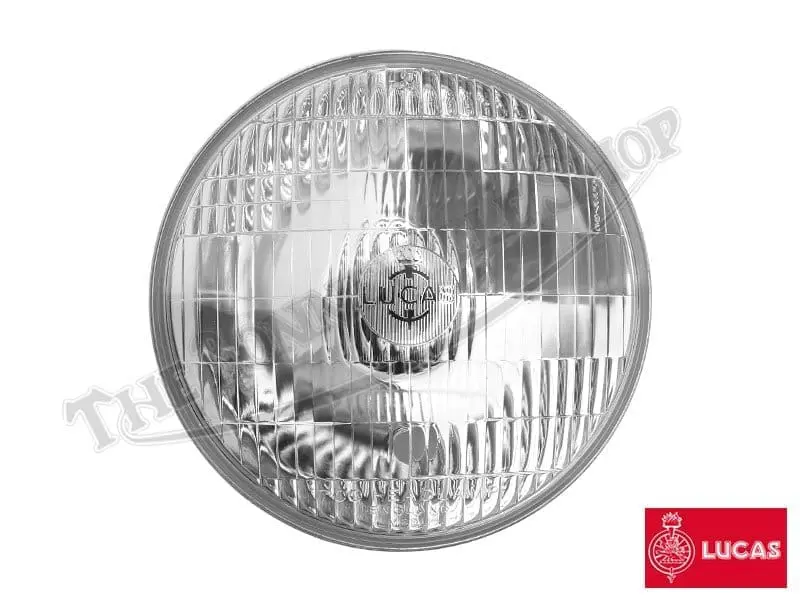
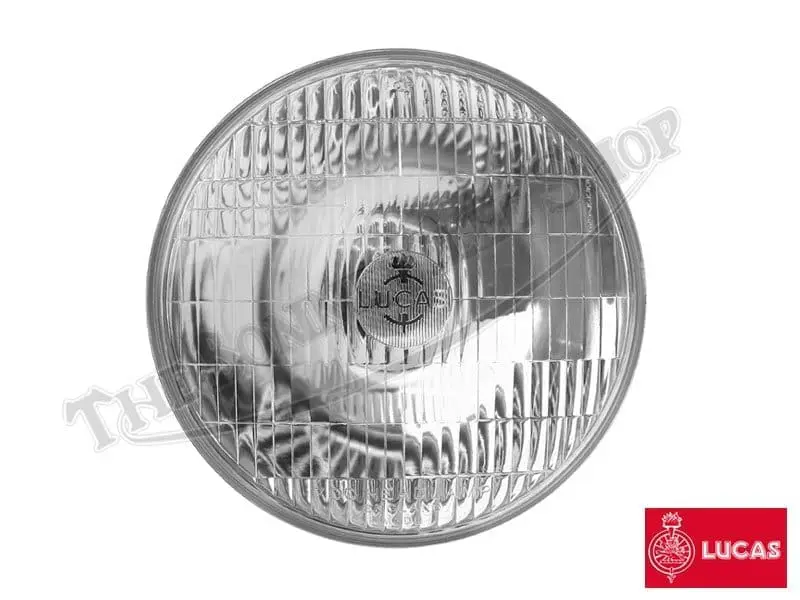

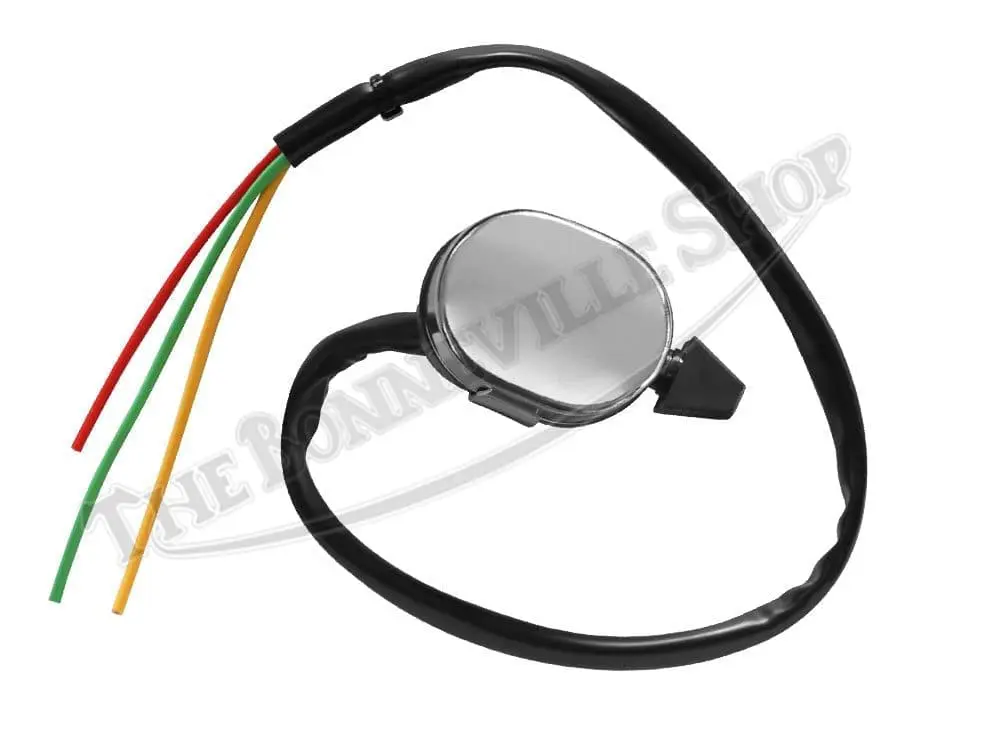
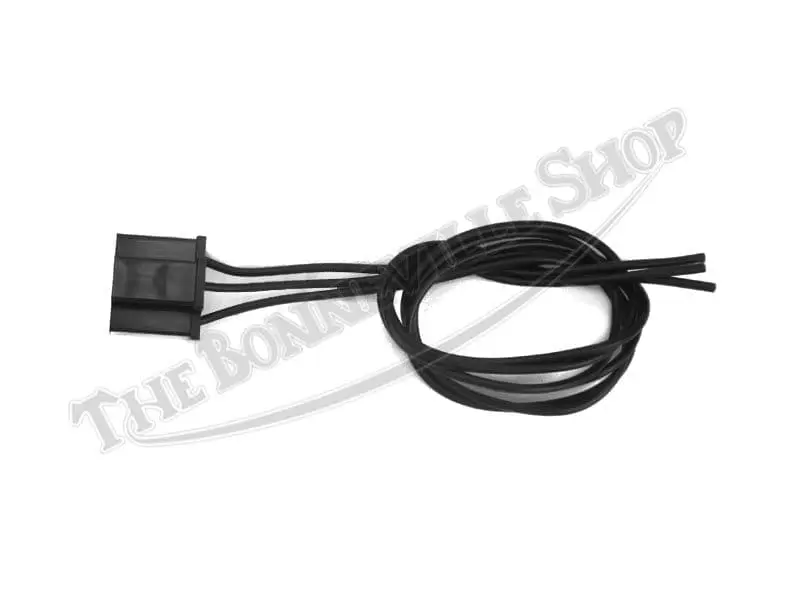
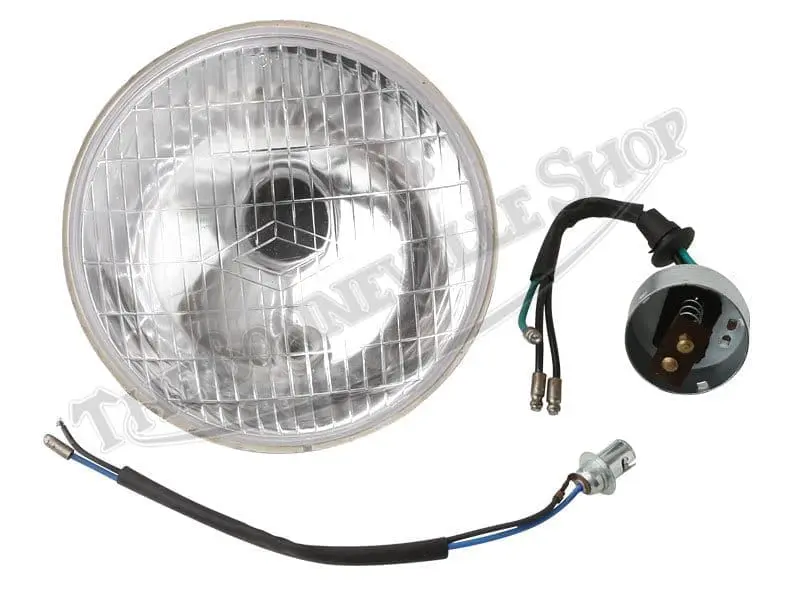
Universal 3 Prong H4 Headlight Bulb Socket(s) EMGO PN# TBS-5407 T
$8.27 – $12.29Price range: $8.27 through $12.29

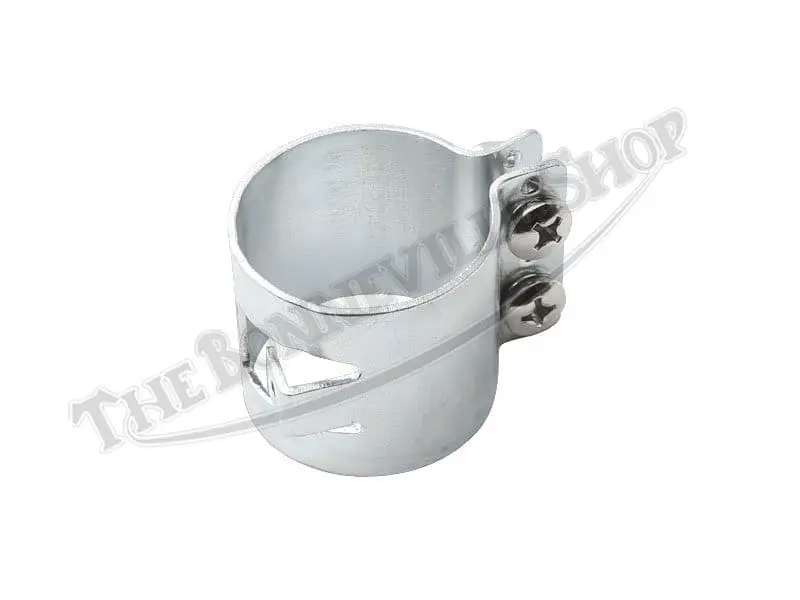
Triumph, Norton, BSA Coil Bracket with Condenser Mount(s) 40mm Lucas-type PN# 54419974
$11.87 – $18.67Price range: $11.87 through $18.67

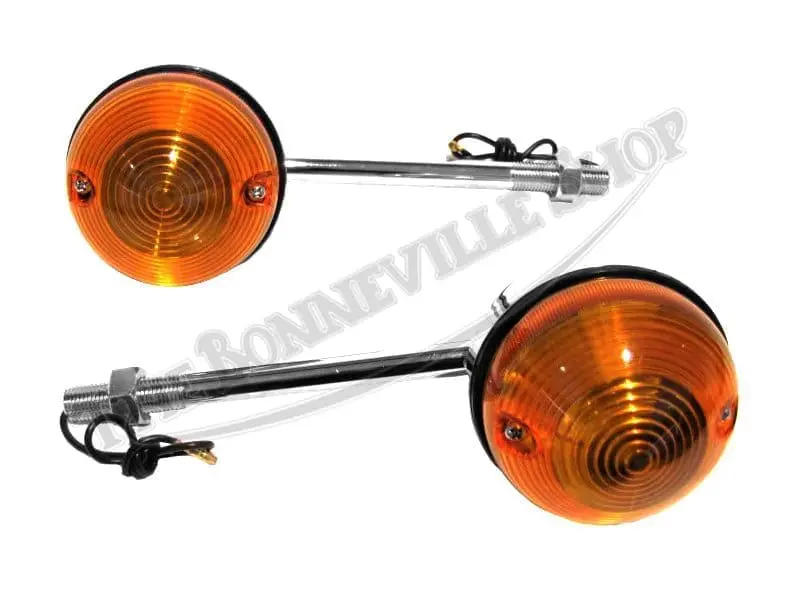
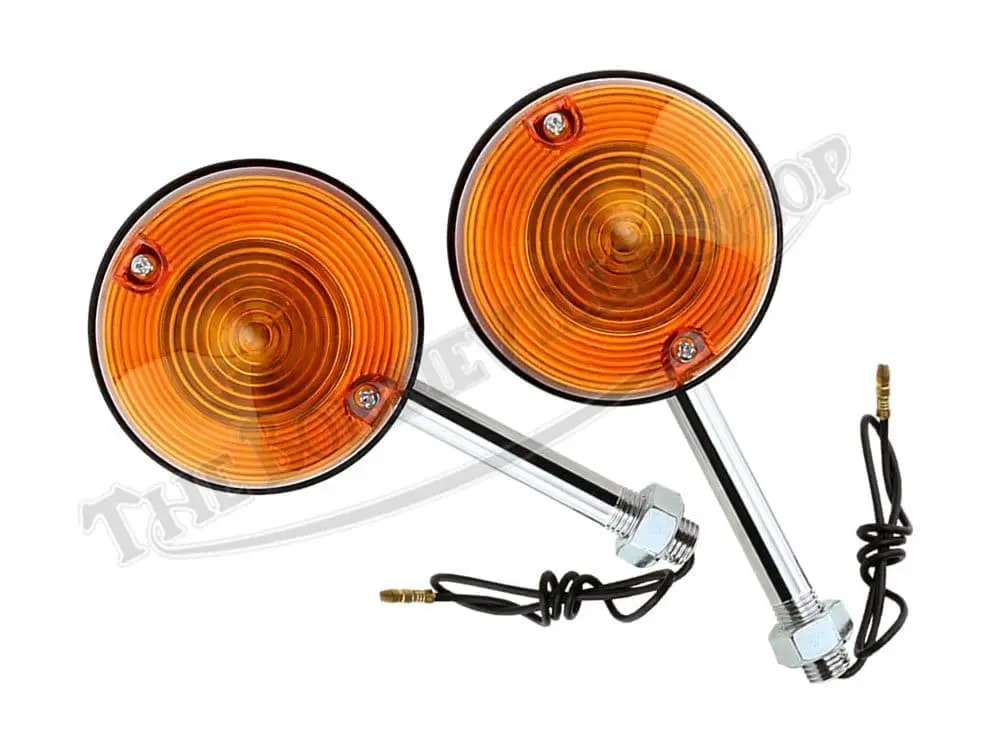
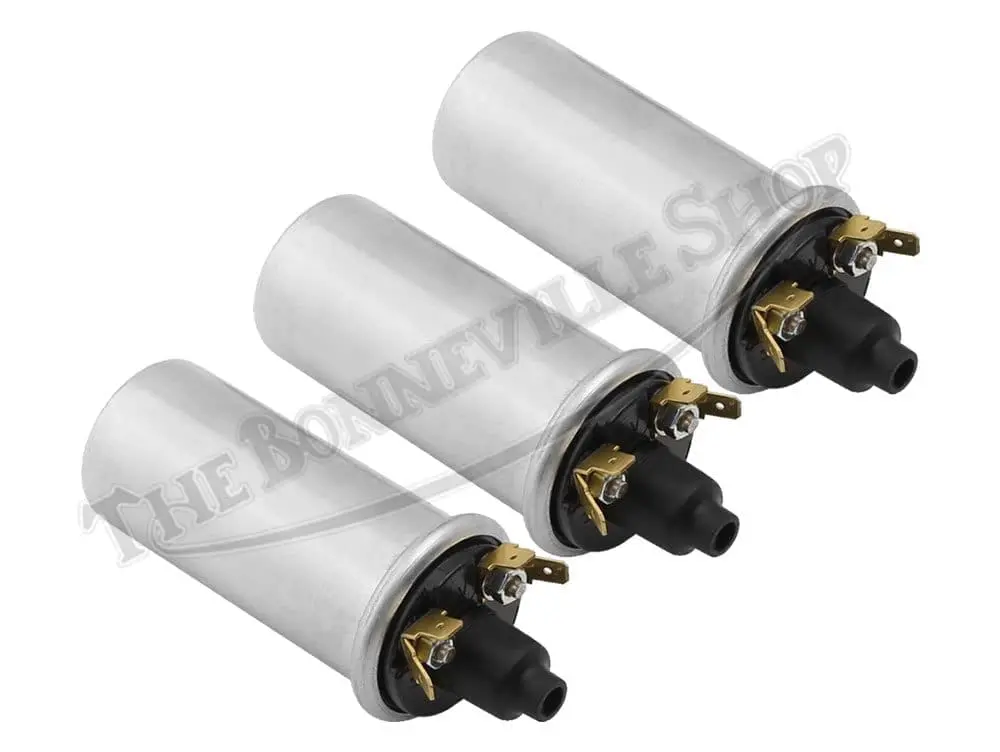



Triumph TR25 250 TR7 T140 750 BSA B44 B50 B25 Genuine Lucas Condenser(s) PN# 54441582 G 60-0995 99-0776
$34.02 – $61.70Price range: $34.02 through $61.70
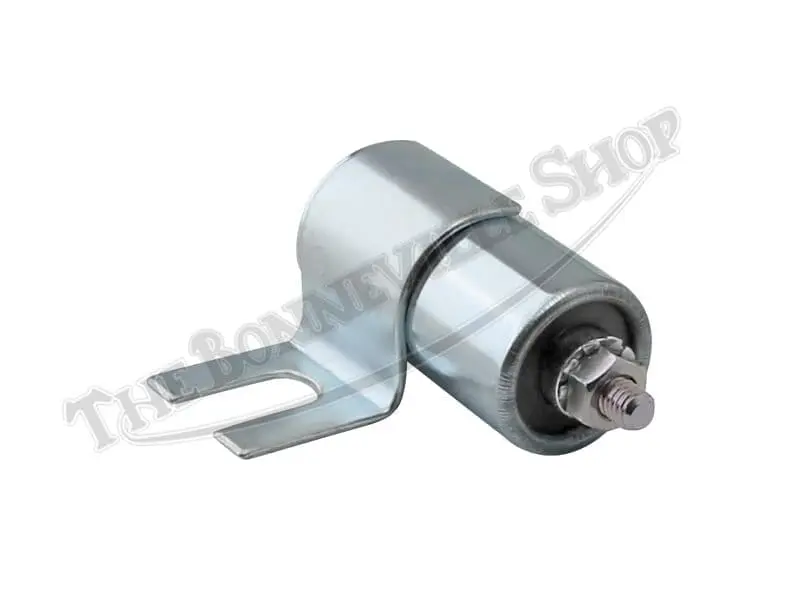
Triumph TR25 250 BSA B44 B50 B25 Lucas-Type Condenser(s) PN# 54441582 J 60-0995
$28.80 – $52.98Price range: $28.80 through $52.98
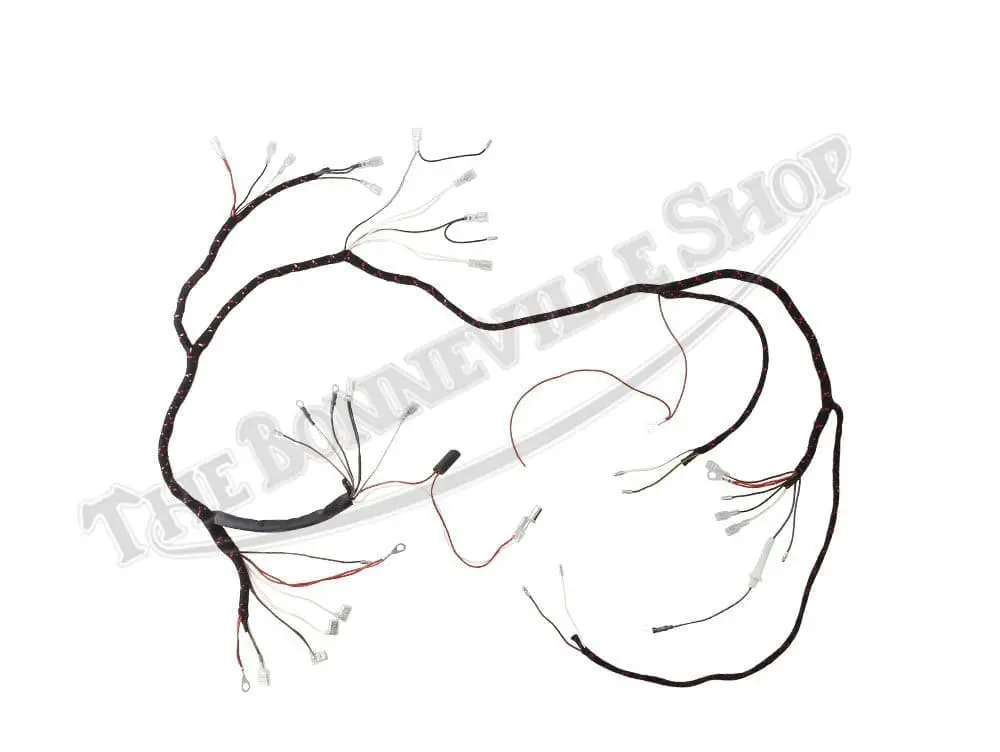
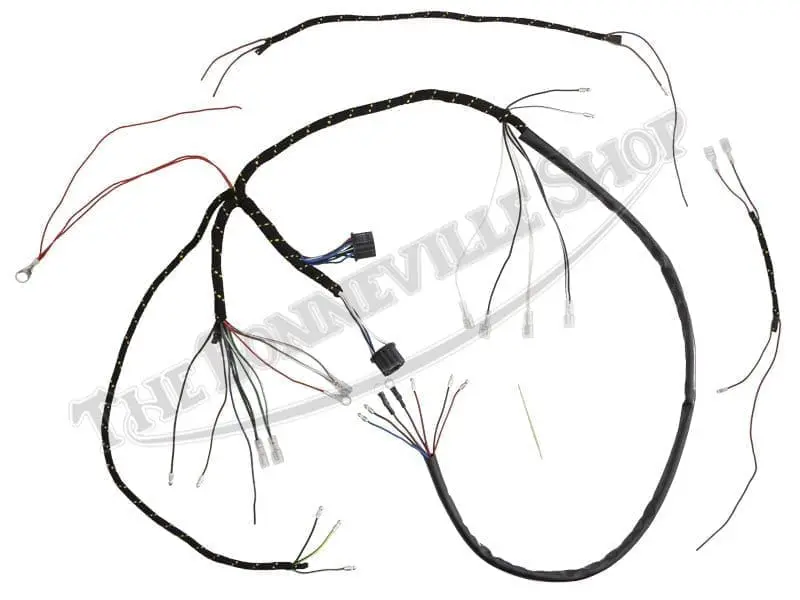
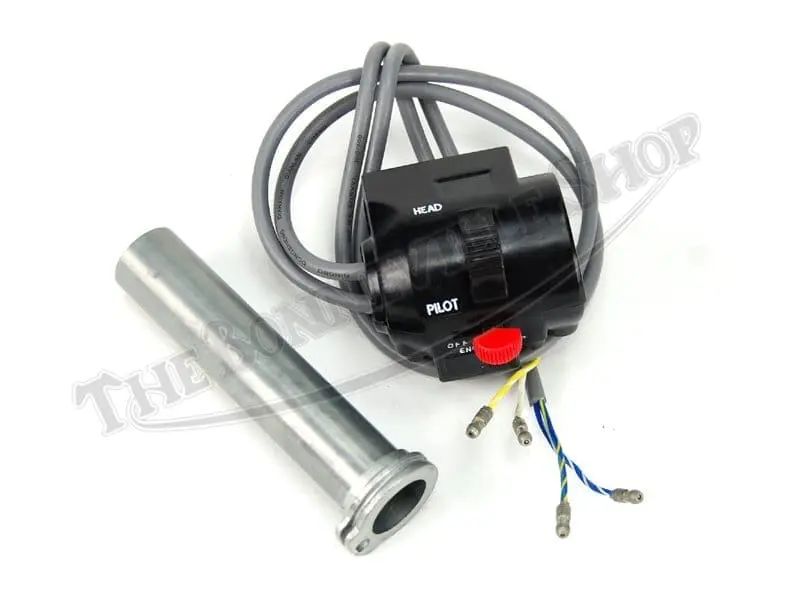
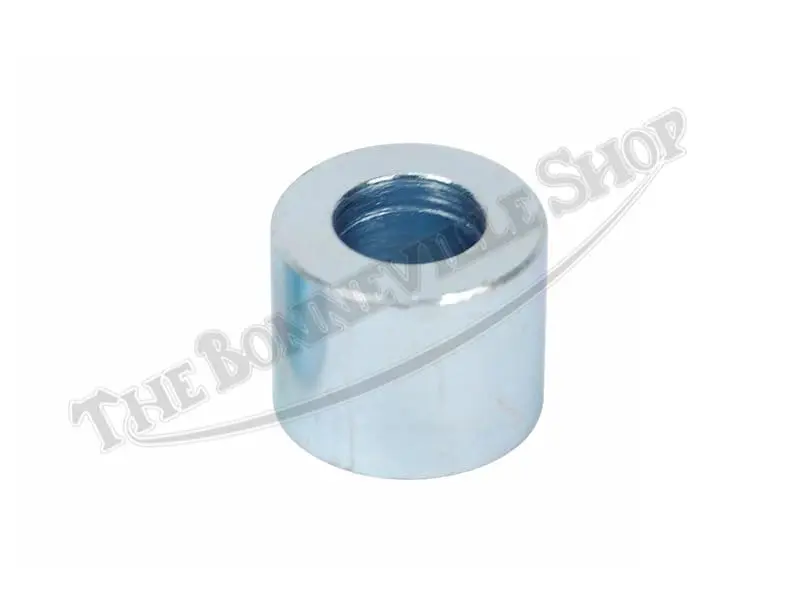
Triumph T140 TR7 T150 T160 Bonneville Trident Headlamp Spacer(s) PN# 97-4125
$12.15 – $19.19Price range: $12.15 through $19.19

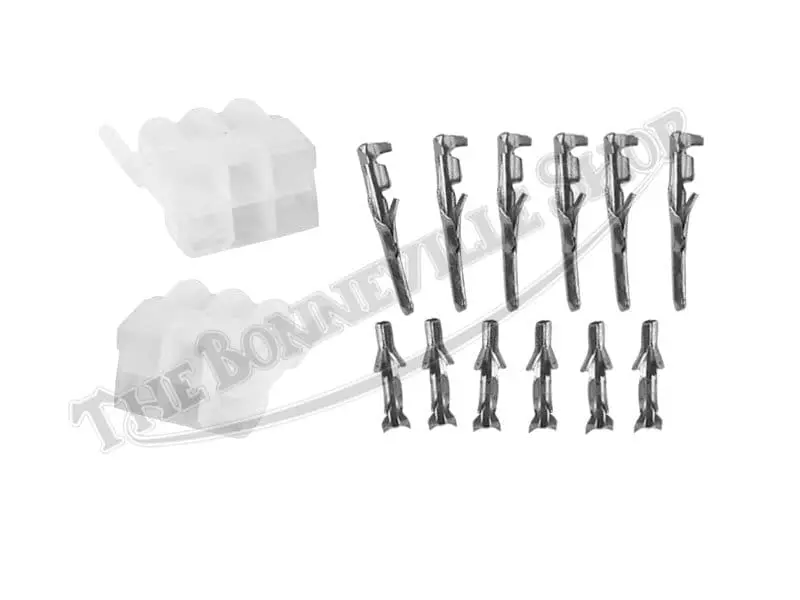
Triumph T140 Bonneville Tiger Lucas-Type 6 Pin Multi-Pin Connector(s) PN# TBS-0333
$13.30 – $21.35Price range: $13.30 through $21.35
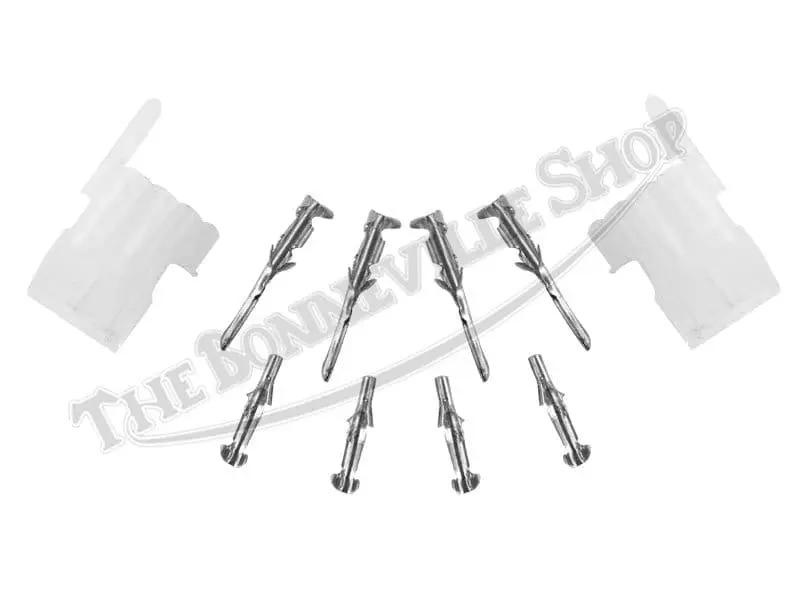
Triumph T140 Bonneville Tiger Lucas 4 Pin Multi-Pin Connector(s) PN# TBS-0320
$12.47 – $19.79Price range: $12.47 through $19.79
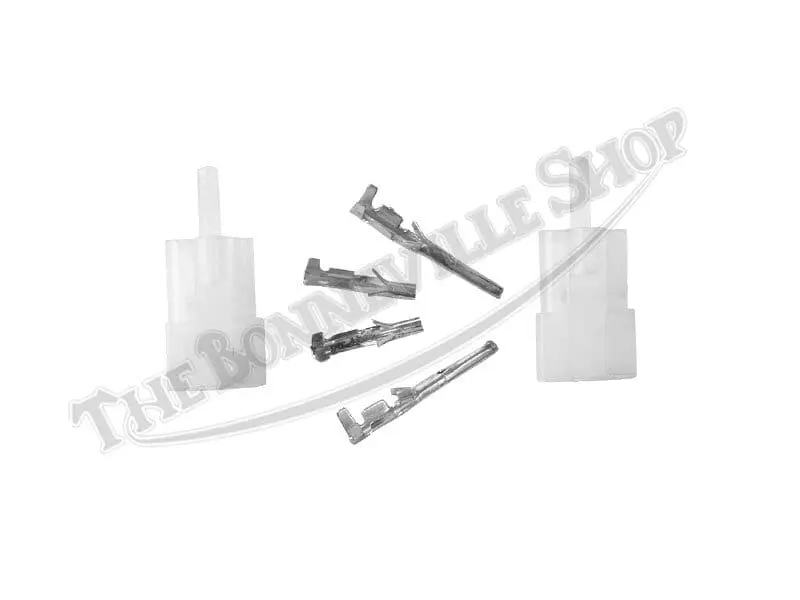
Triumph T140 Bonneville Tiger Lucas 2 Pin Multi-Pin Connector(s) PN# TBS-0310
$9.26 – $13.45Price range: $9.26 through $13.45

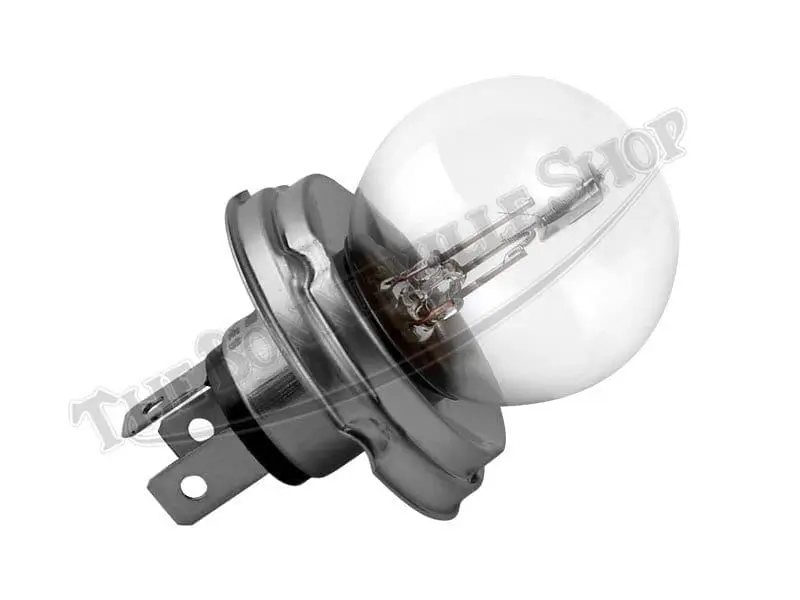

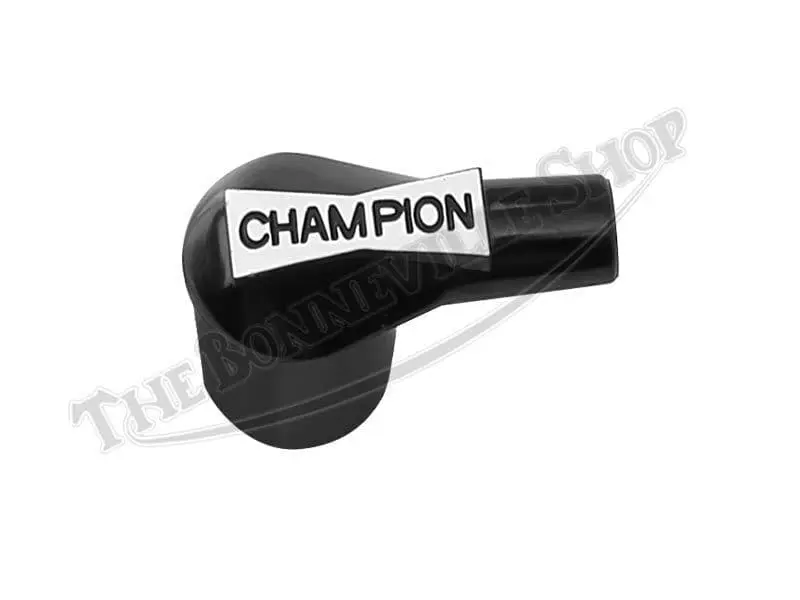
Triumph Norton Jaguar Champion 10 Ohm Resistor Plug Cap(s) PN# WCX600 WCX180
$20.80 – $36.58Price range: $20.80 through $36.58

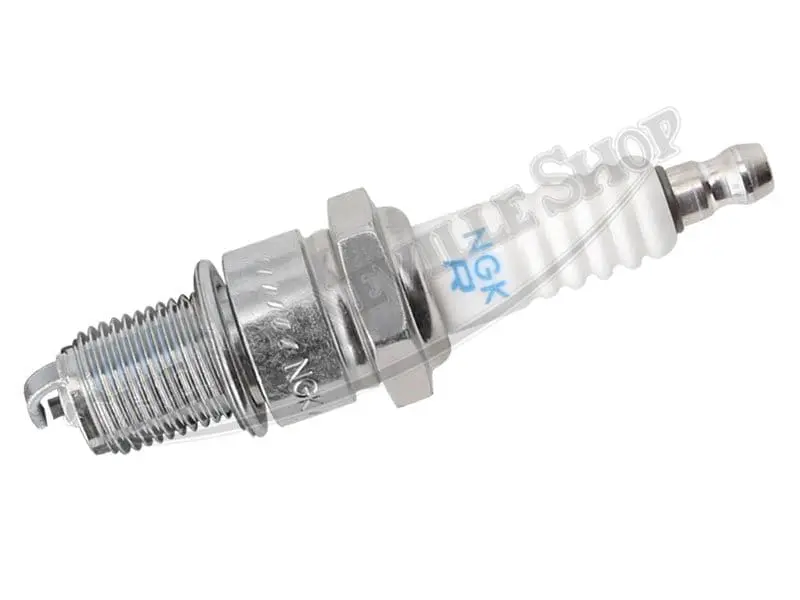
Triumph Norton Champion N9YC (NGK BP6ES Equivalent) Spark Plug(s) PN# TBS-N9YC
$11.68 – $30.26Price range: $11.68 through $30.26
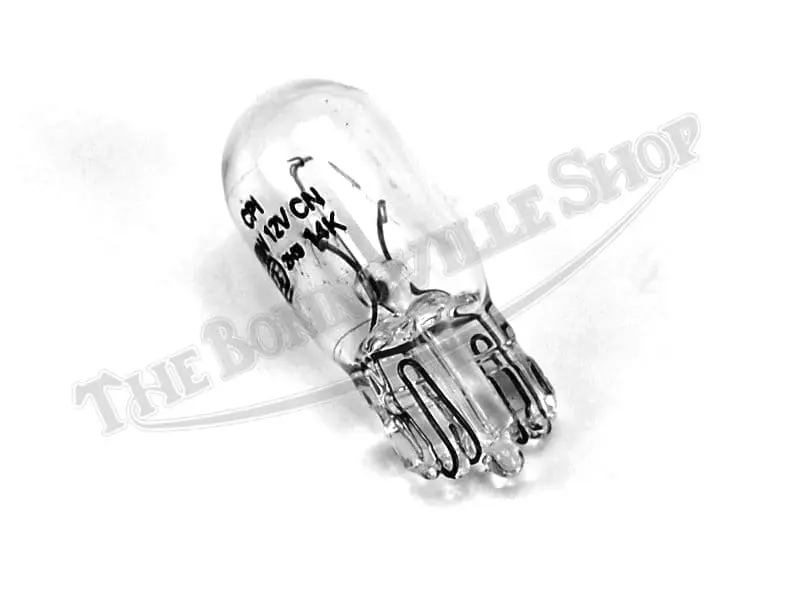
Triumph Norton BSA Wedge Base Instrument Bulb(s) Lucas 12V 3W PN# LU504 504 W3W
$5.47 – $6.70Price range: $5.47 through $6.70
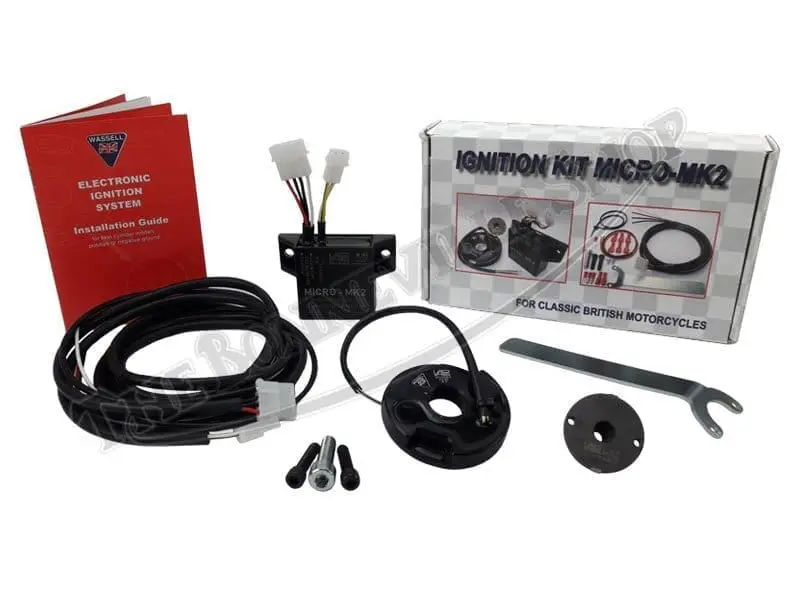




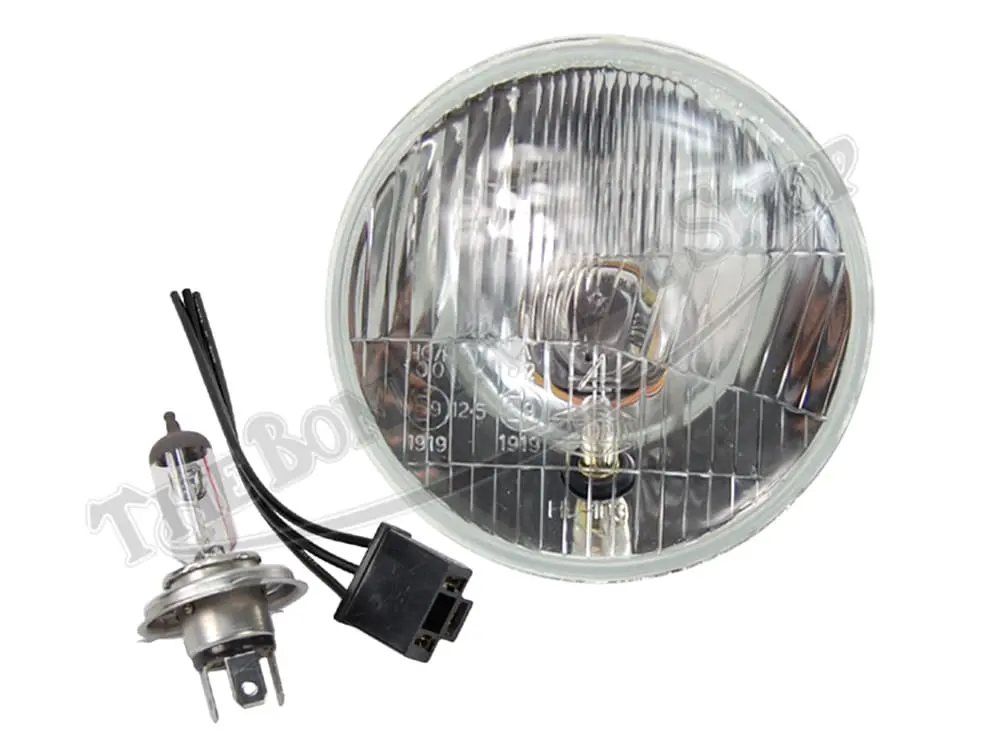
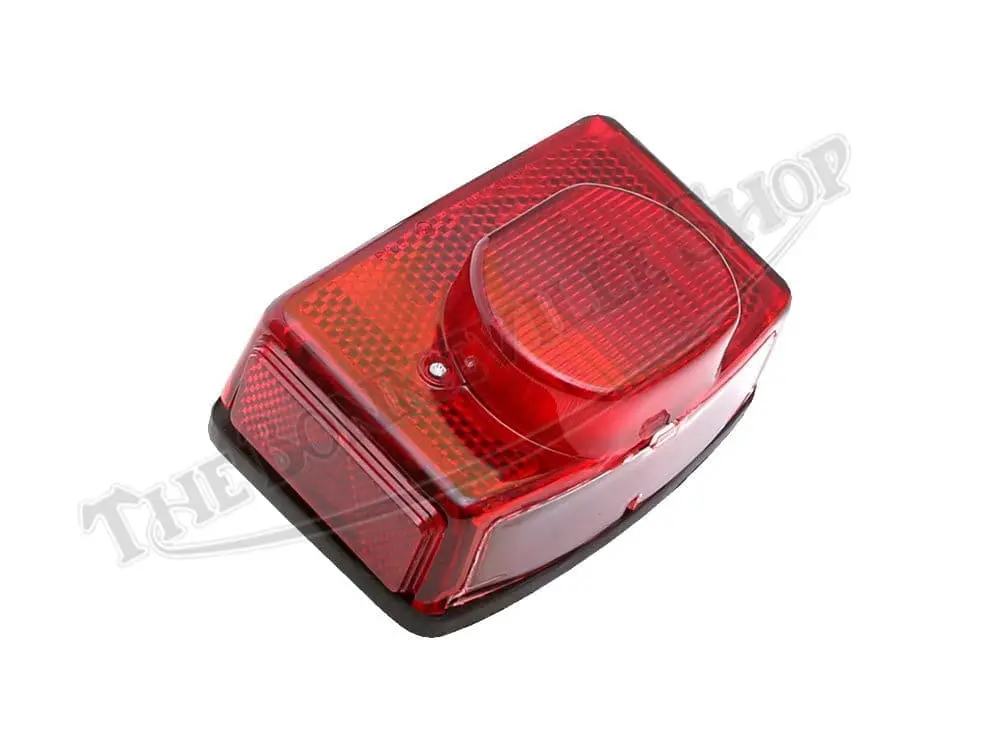
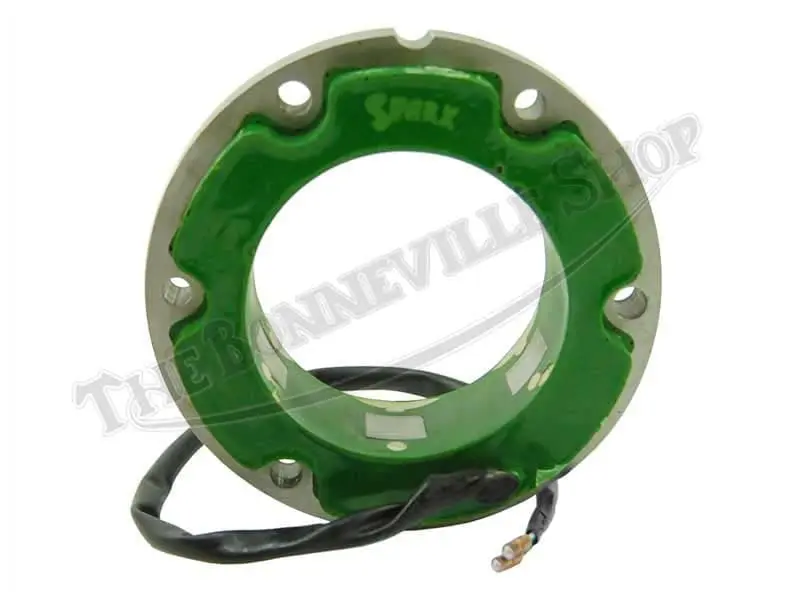
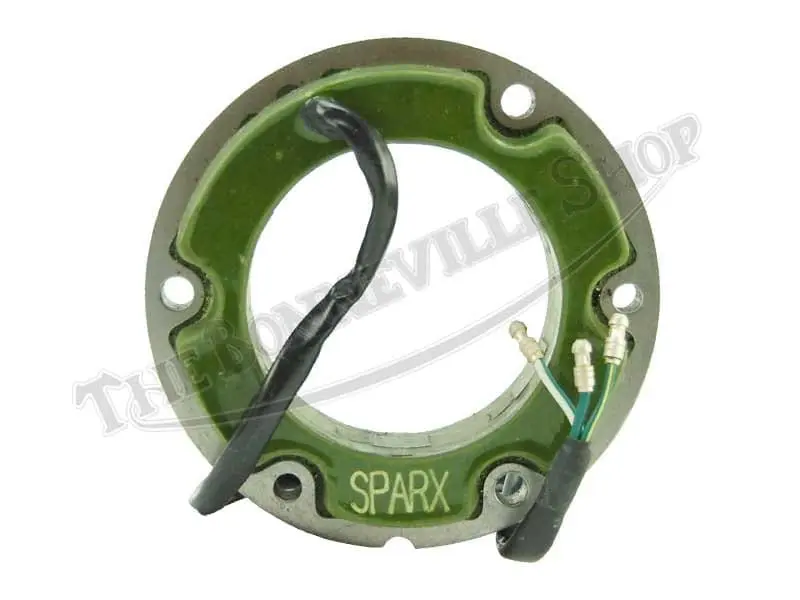
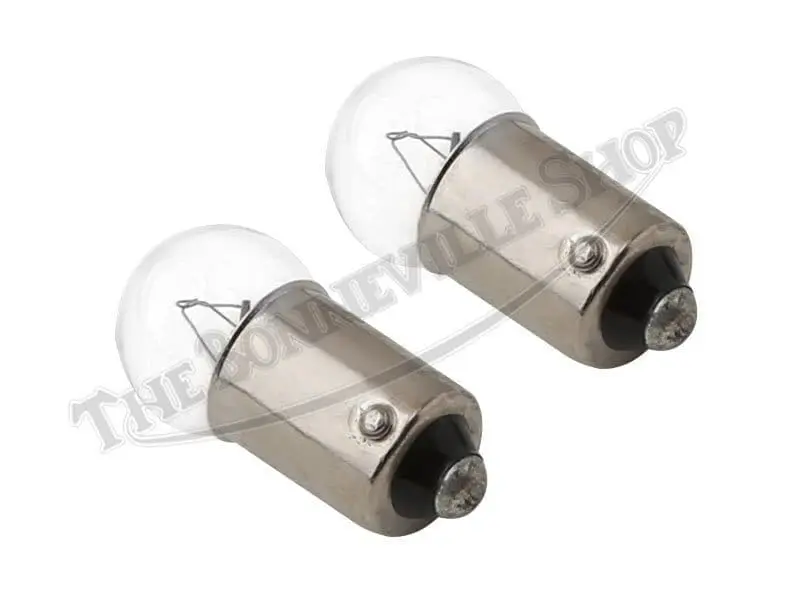
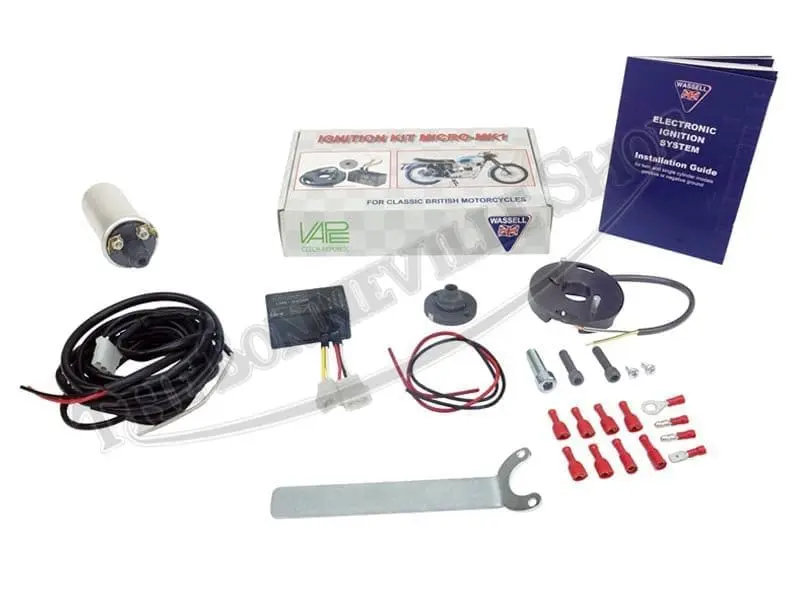
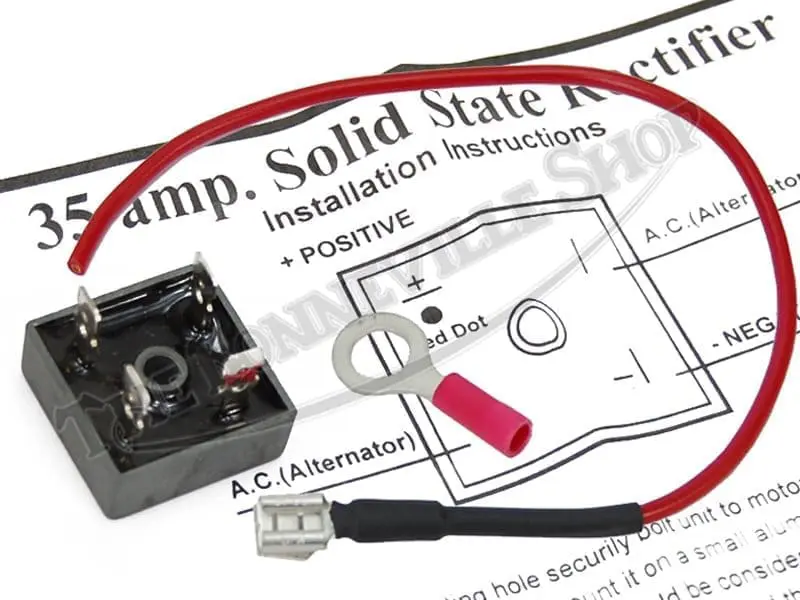
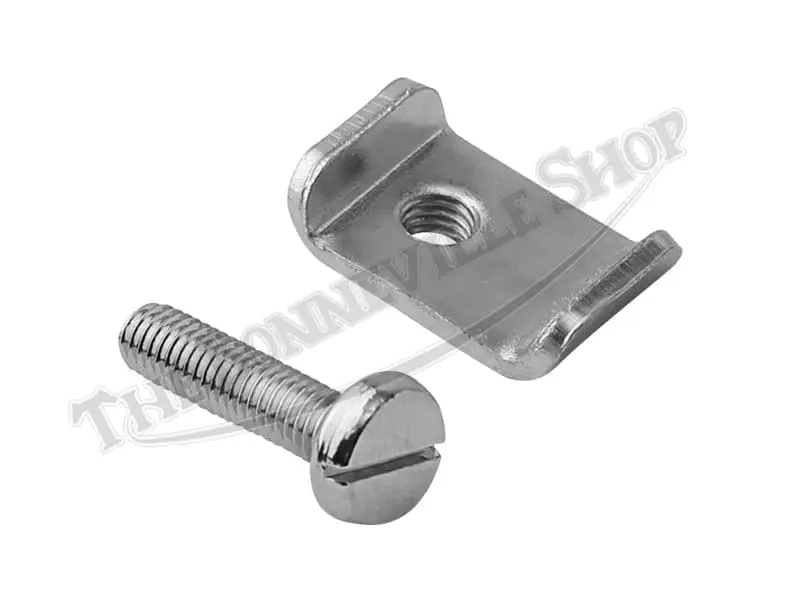
Triumph Norton BSA Replacement Headlight Fixing Clip(s) and Screw(s) PN# 534296 T
$7.88 – $9.99Price range: $7.88 through $9.99
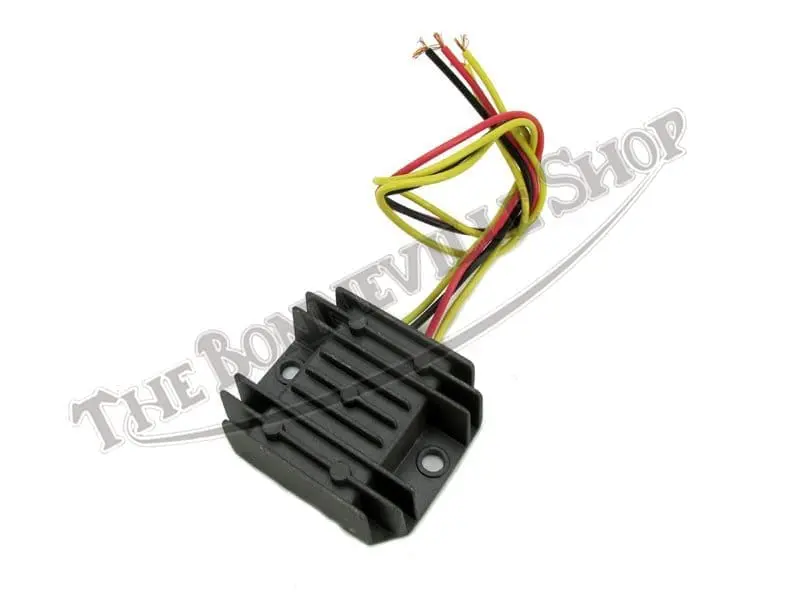
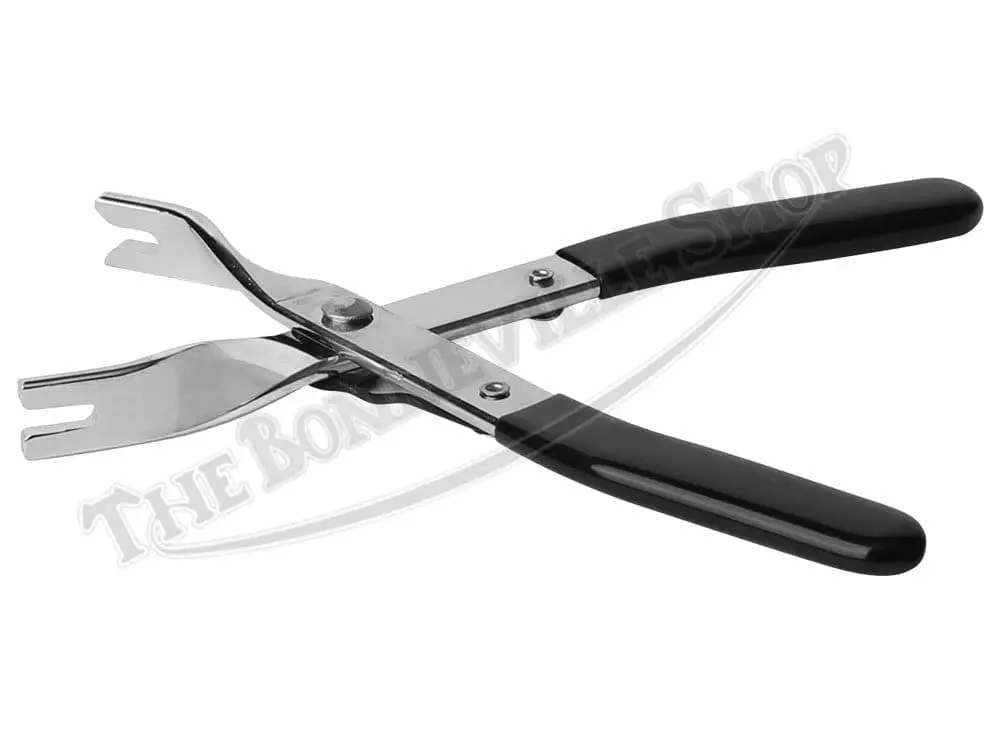

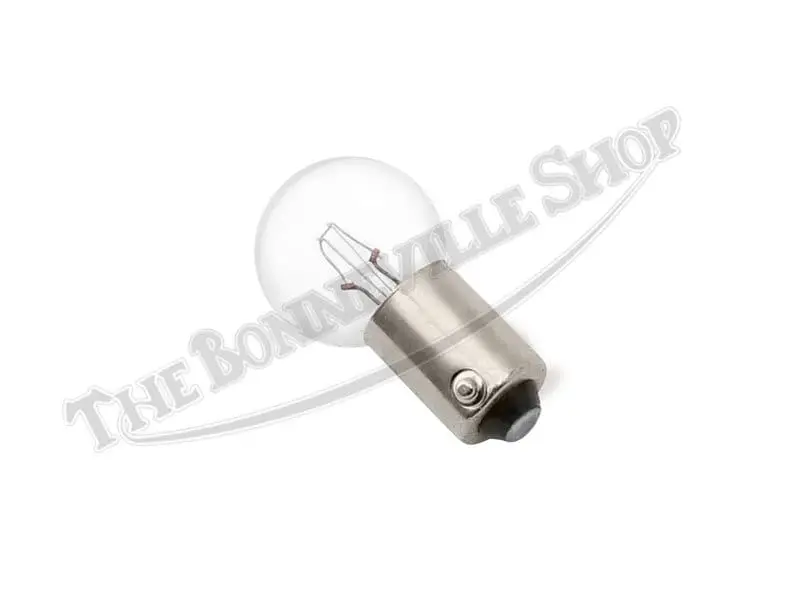
Triumph Norton BSA Pilot / Instrument Bulb(s) 12V 3W PN# 99-0548 LU989 643 222
$5.87 – $12.77Price range: $5.87 through $12.77


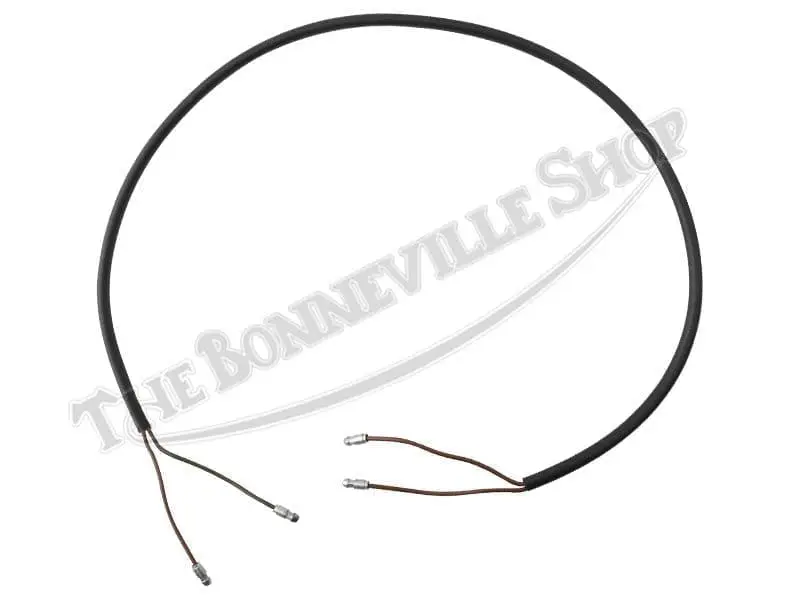
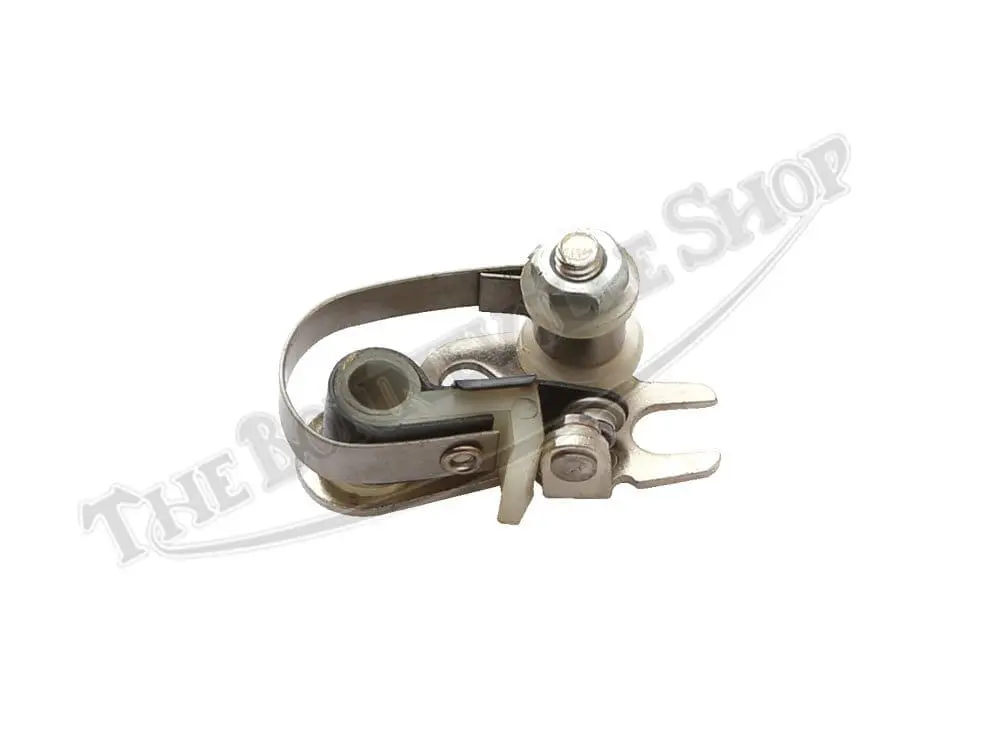
Triumph Norton BSA Lucas-Type 6CA Contact Breaker Points Set PN# 54419827 TBS-4022
$25.14 – $44.86Price range: $25.14 through $44.86
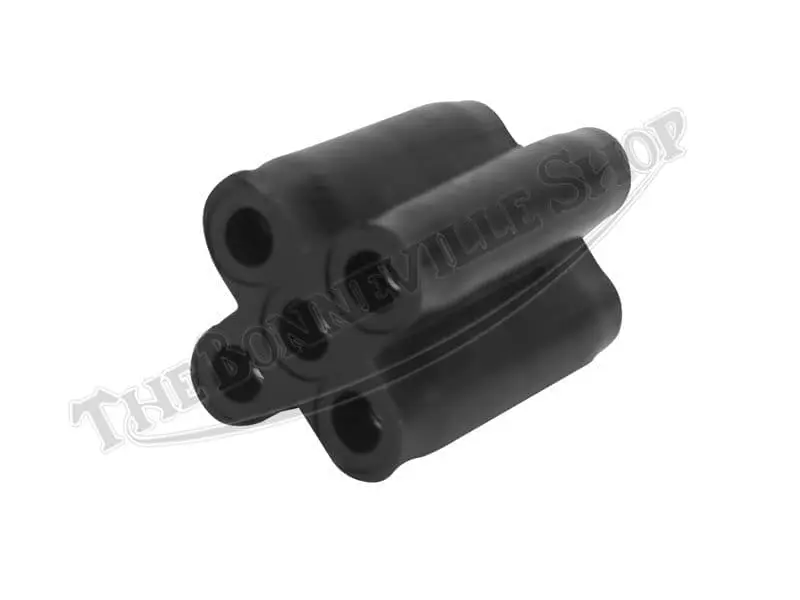

Triumph Norton BSA Lucas-Type 40mm 6V Ignition Coil(s) PN# 45275 T 60-7131
$36.98 – $69.77Price range: $36.98 through $69.77
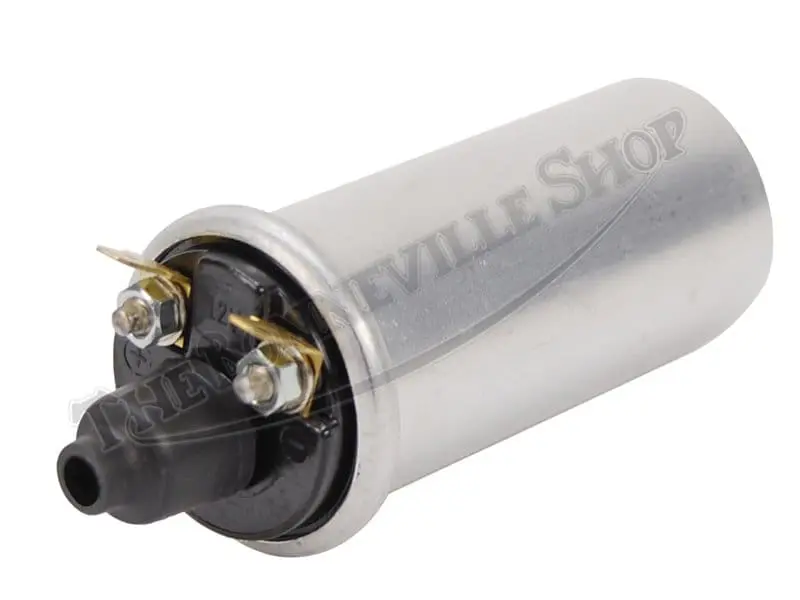
Triumph Norton BSA Lucas-Type 40mm 12V Ignition Coil(s) PN# 45276T 45276 T 45223 60-2203 17M12
$36.98 – $100.41Price range: $36.98 through $100.41
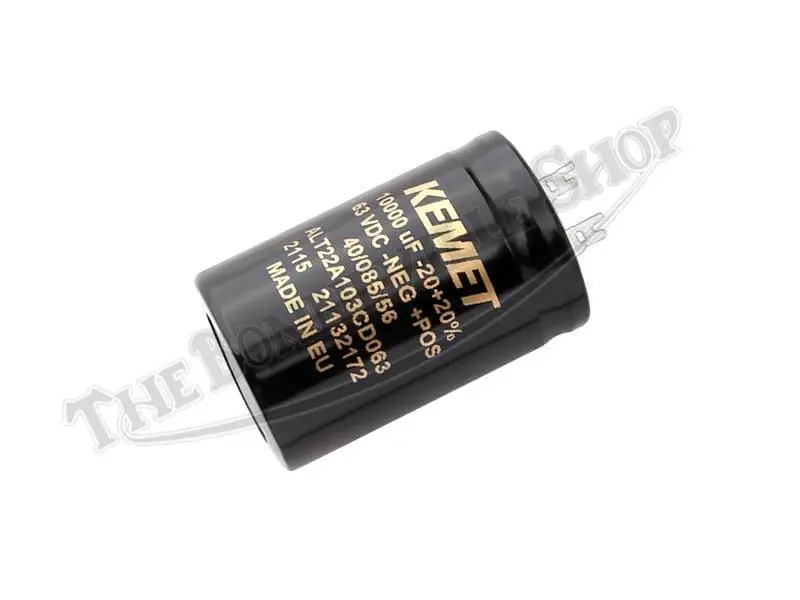


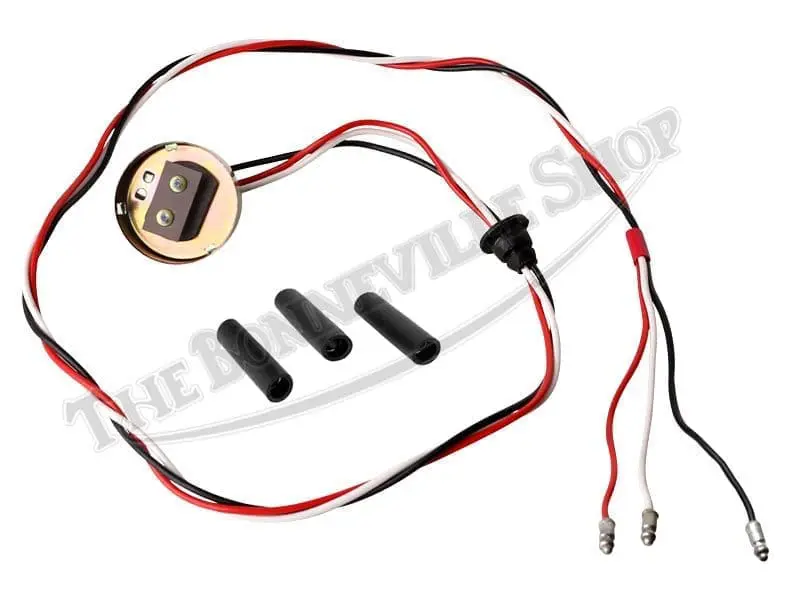

Triumph Norton BSA Lucas Triple Female Bullet Sleeve Connector(s) PN# 850844
$18.48 – $57.85Price range: $18.48 through $57.85
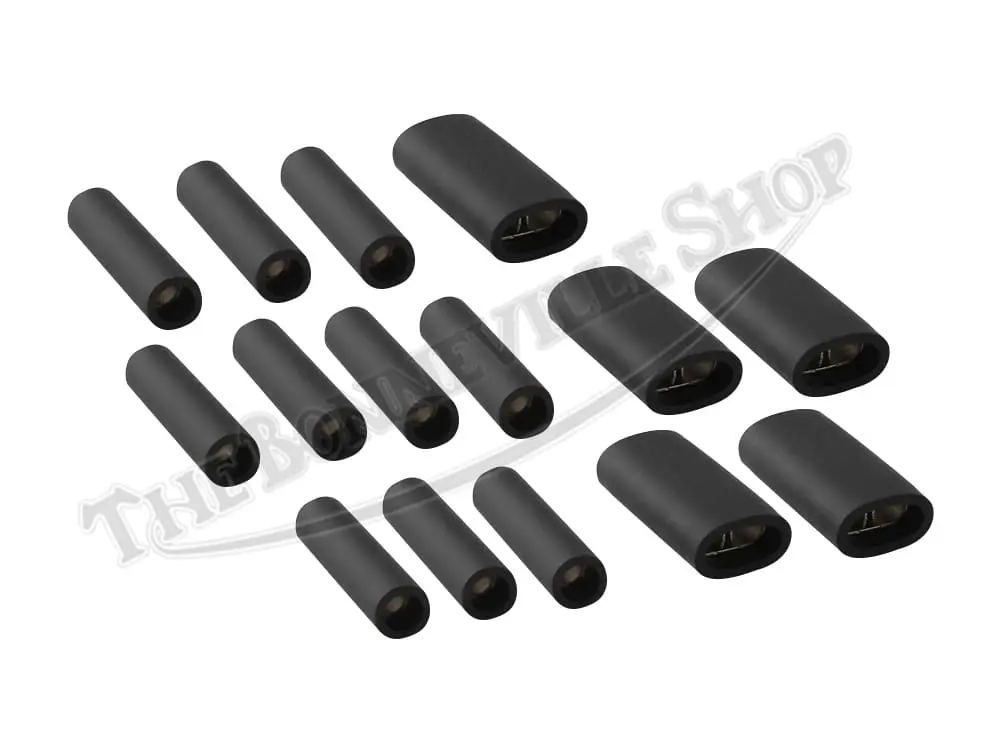
Triumph Norton BSA Lucas Single and Double Female Sleeve Connectors Set(s) PN# 850641 900288
$14.35 – $34.85Price range: $14.35 through $34.85
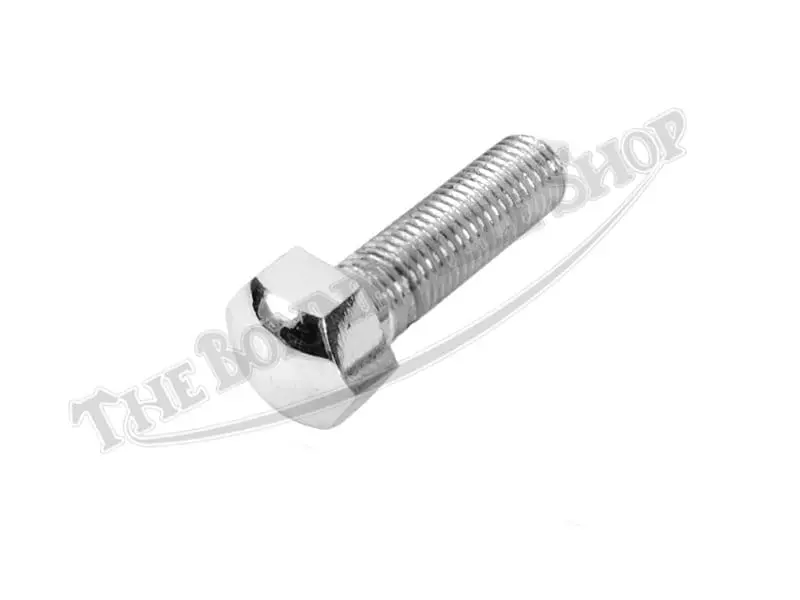
Triumph Norton BSA Lucas Pre-Unit 5/16-inch CEI Domed Headlight Bolt(s) 1932-60 PN# 11-2201 112201 99-1004 CEI
$10.46 – $24.31Price range: $10.46 through $24.31
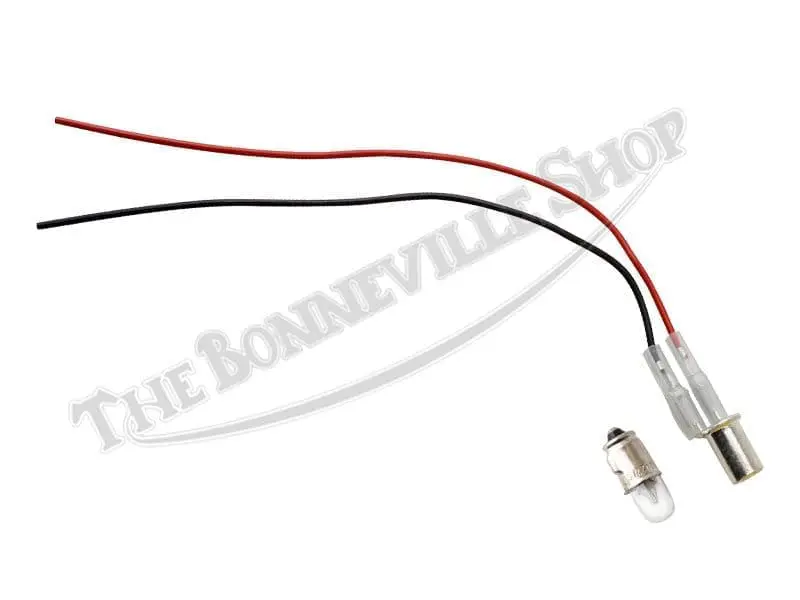
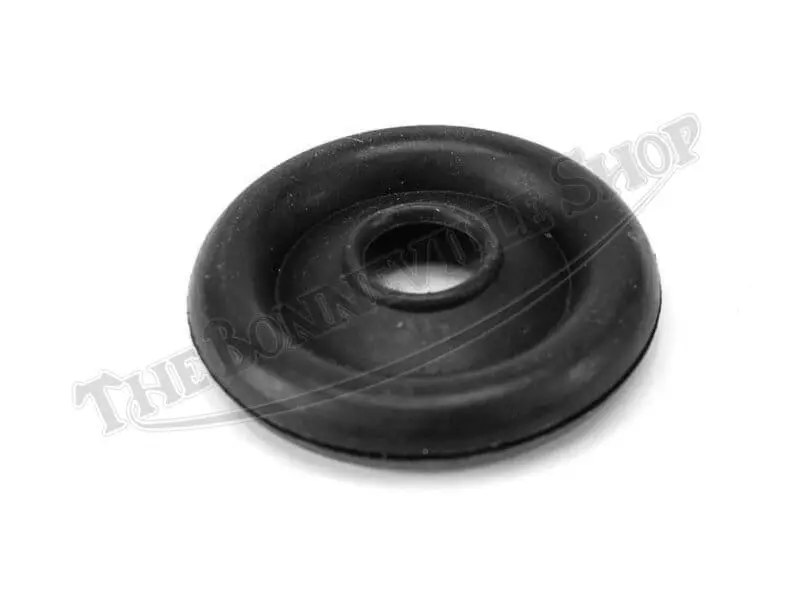
Triumph Norton BSA Lucas Frame and Headlight Wiring Grommet(s) PN# 862217
$11.19 – $21.53Price range: $11.19 through $21.53
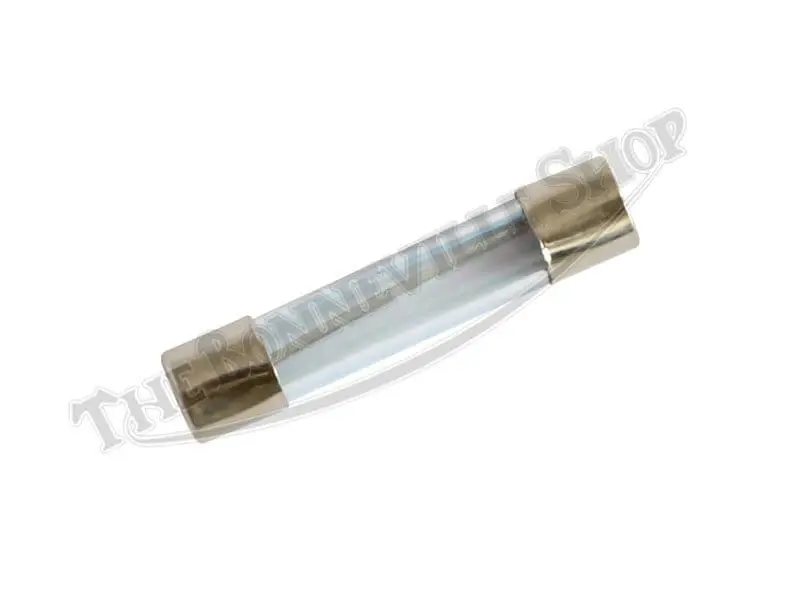
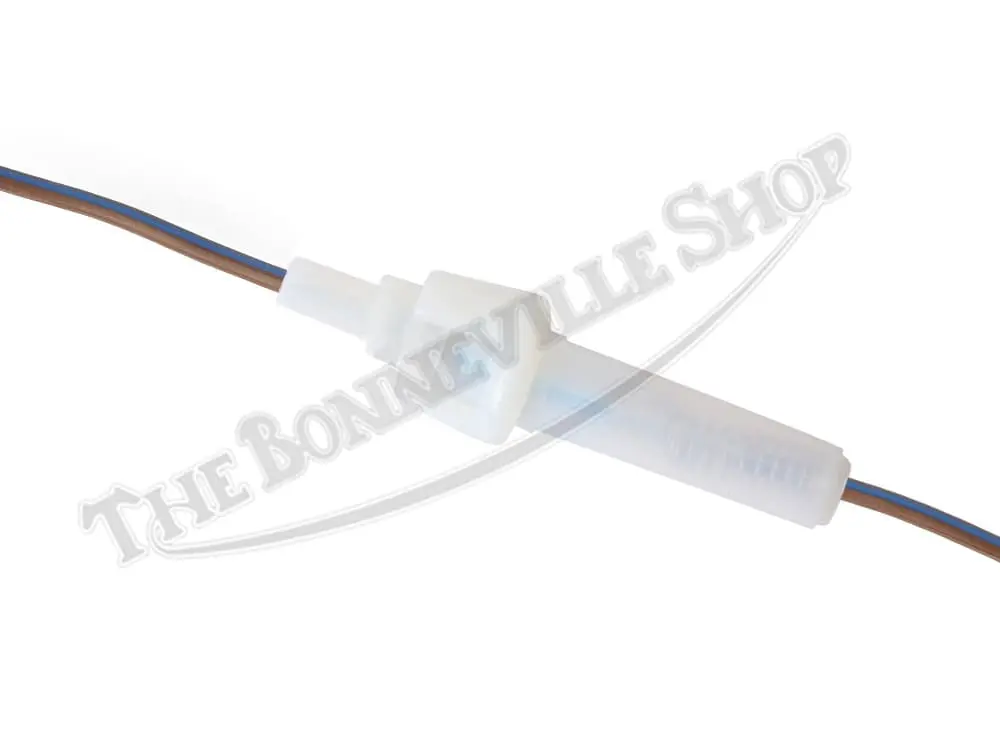
Triumph Norton BSA Lucas Correct UK Rated 35 Amp Glass Fuse(s) 35A 17/35 PN# 188218
$9.03 – $20.75Price range: $9.03 through $20.75

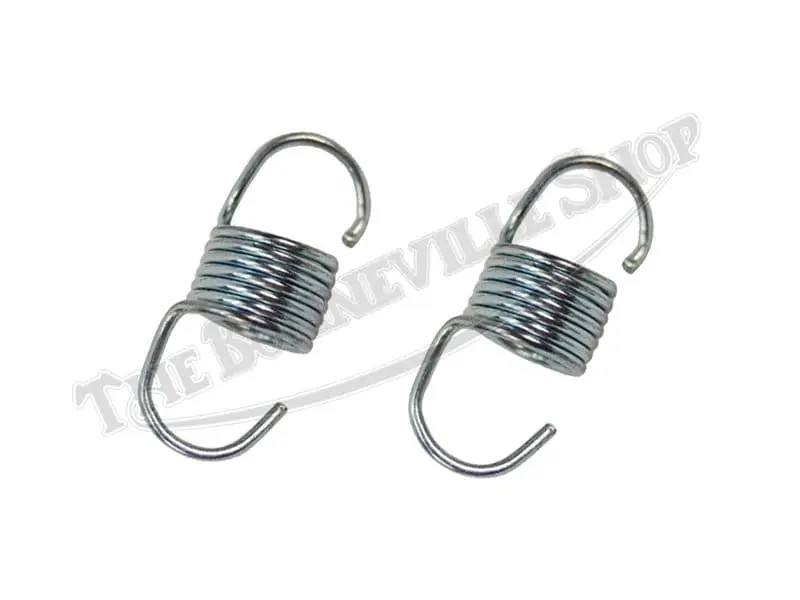
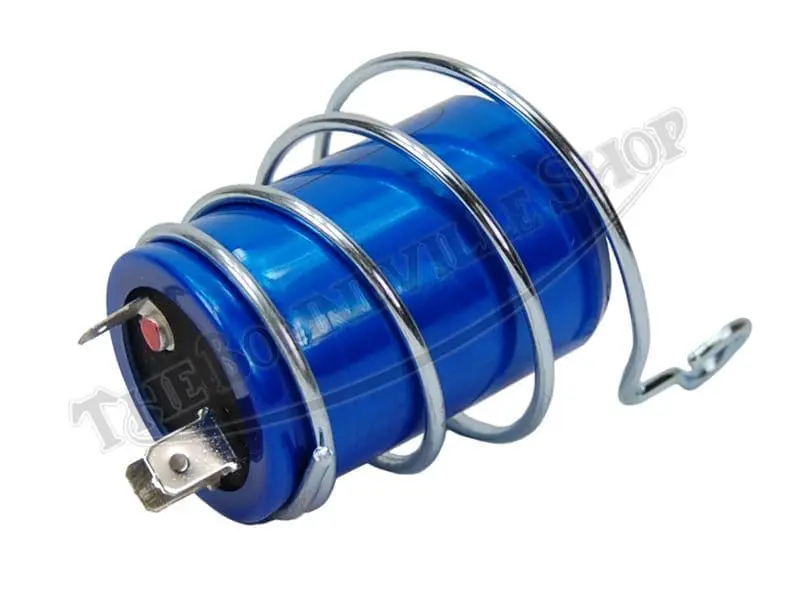
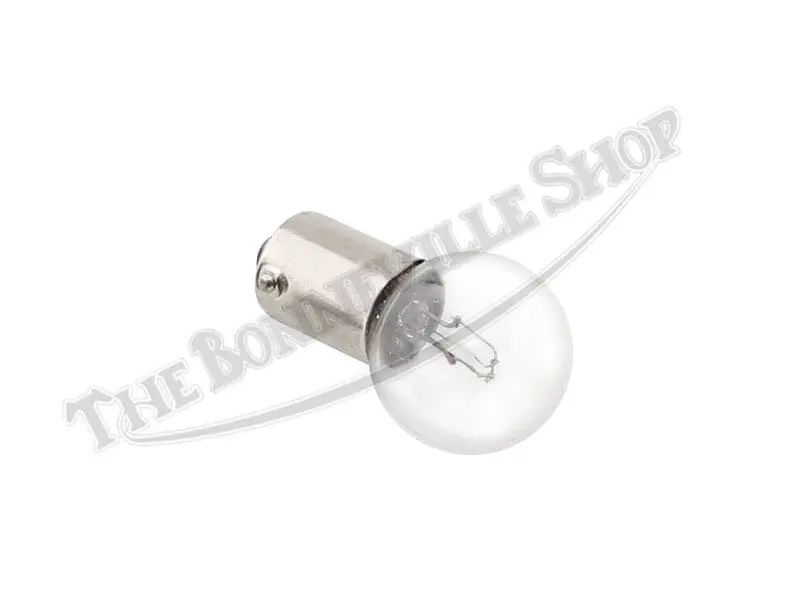
Triumph Norton BSA Large Pilot / Instrument Bulb(s) 12V 3W PN# 99-0548 A 989 643 222
$8.34 – $12.43Price range: $8.34 through $12.43
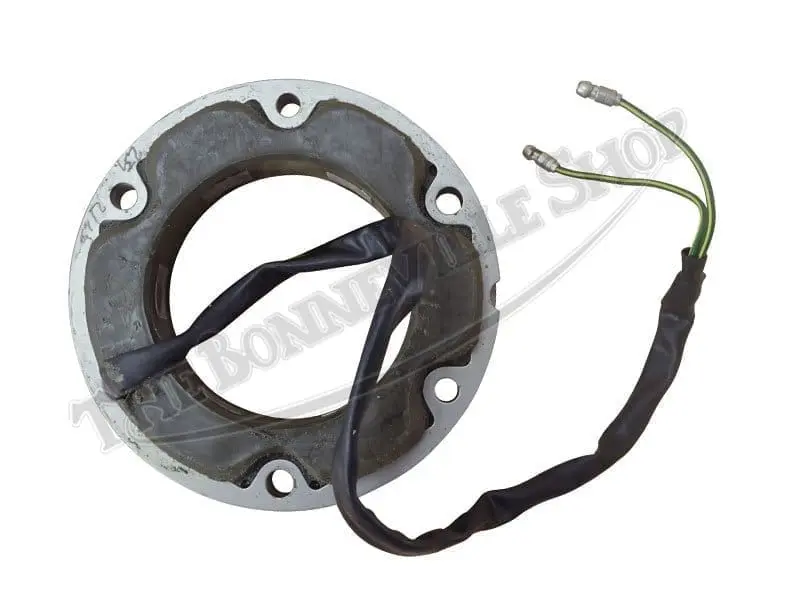
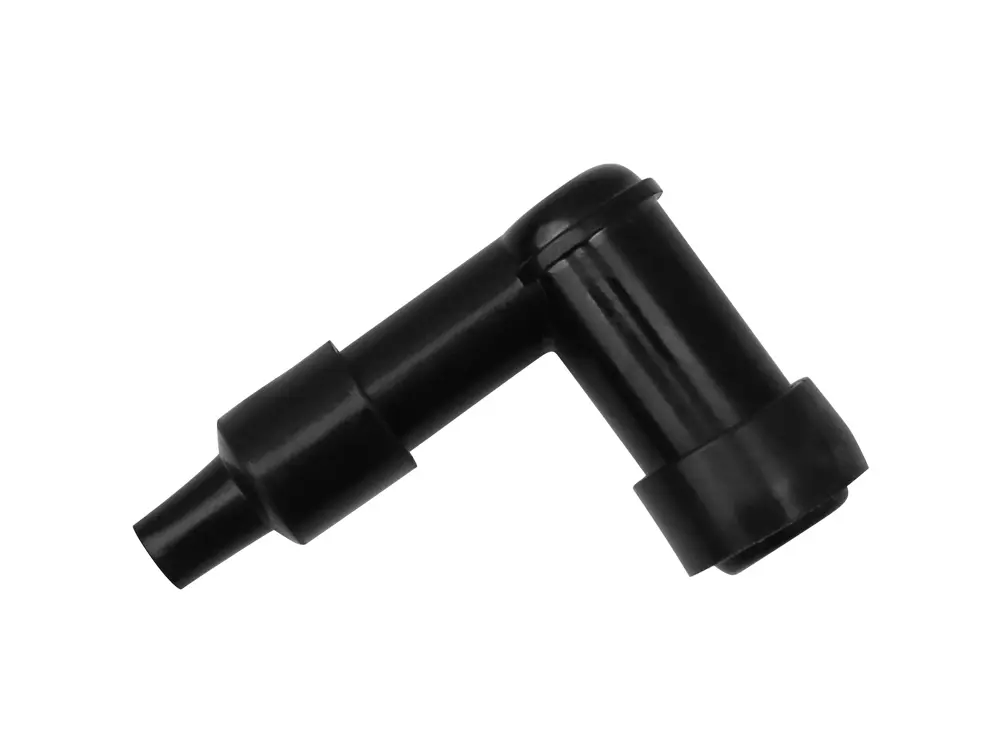
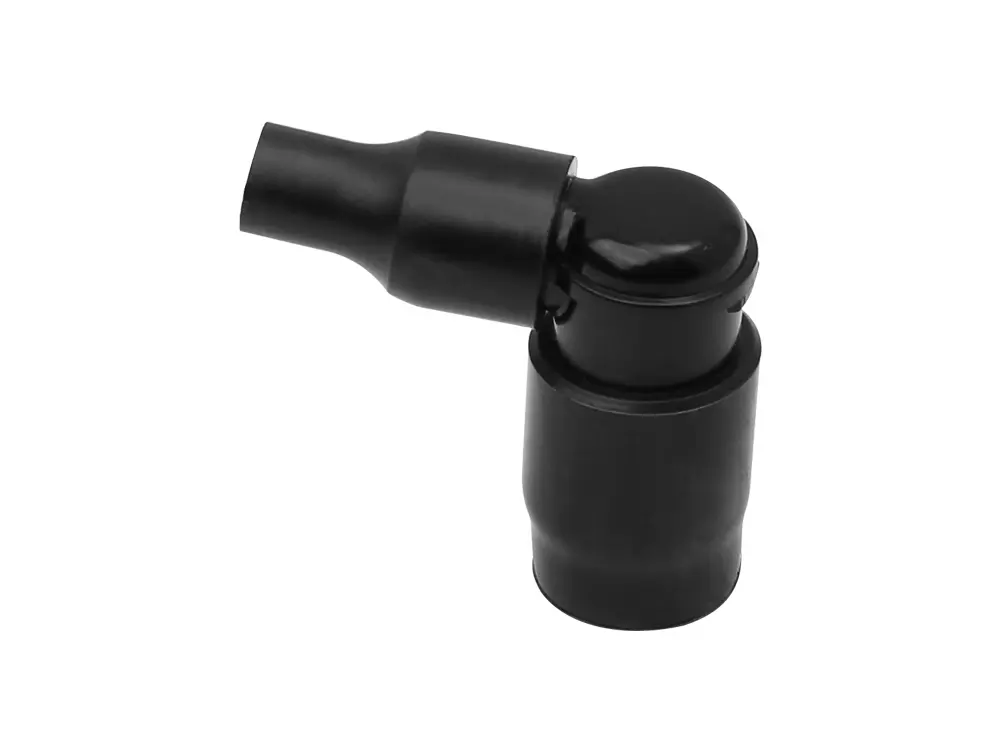
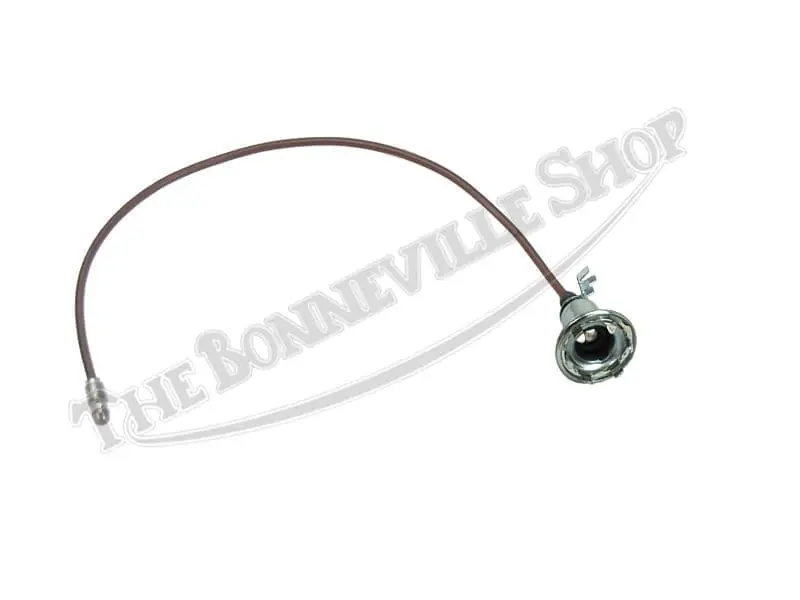
Triumph Norton BSA Instrument And Sidelight Bulb Holder(s) Lucas-Type PN# 54573590 54957702
$23.81 – $40.99Price range: $23.81 through $40.99
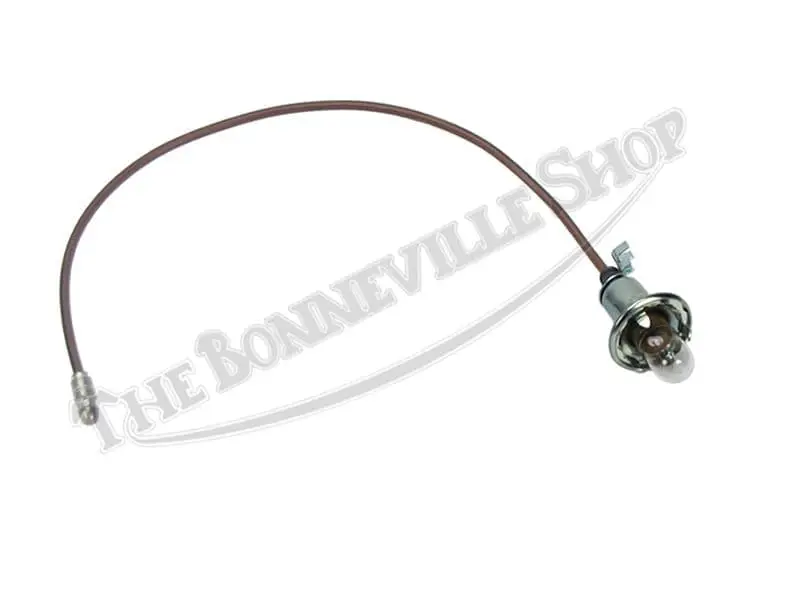
Triumph Norton BSA Instrument and Sidelight Bulb Holder With Bulb Lucas-Type PN# 54573590 54957702 987 989 990
$24.47 – $42.28Price range: $24.47 through $42.28
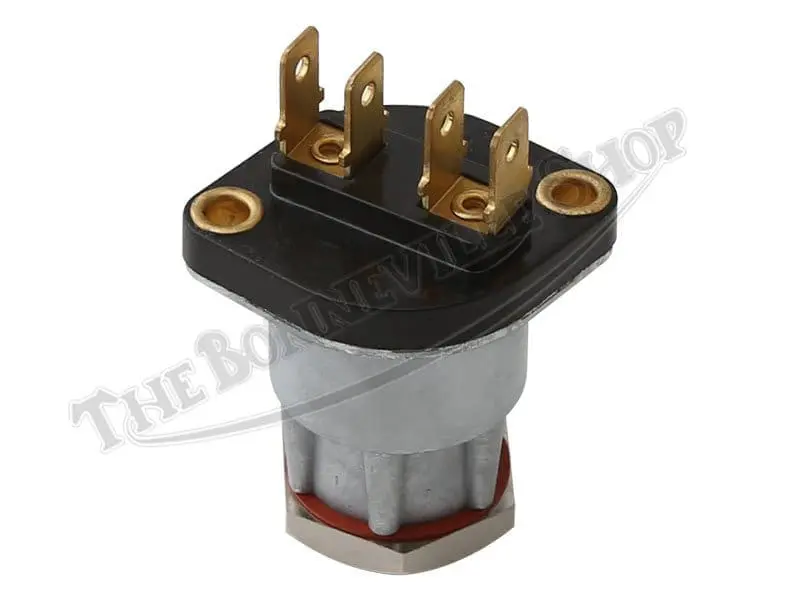
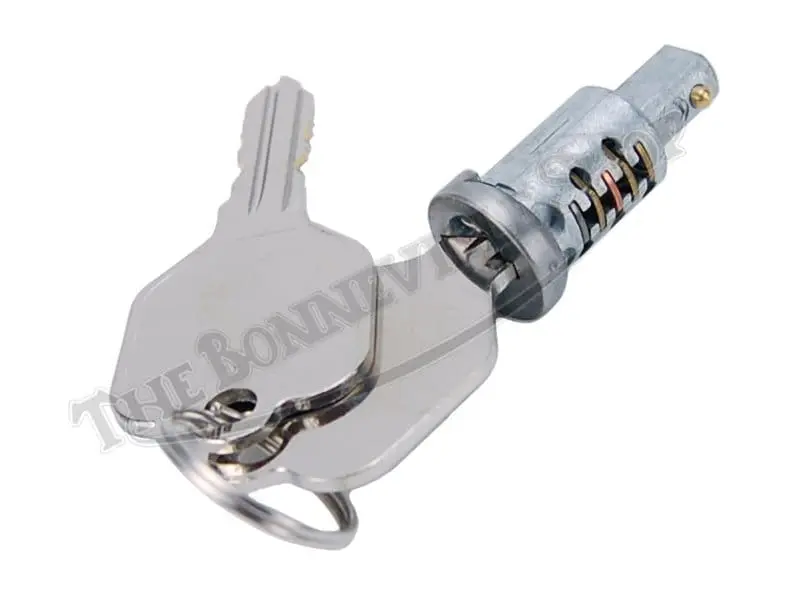

Triumph Norton BSA Ignition Coil Bracket(s) with Hardware 40mm PN# 70-6389 E6389
$15.35 – $25.96Price range: $15.35 through $25.96
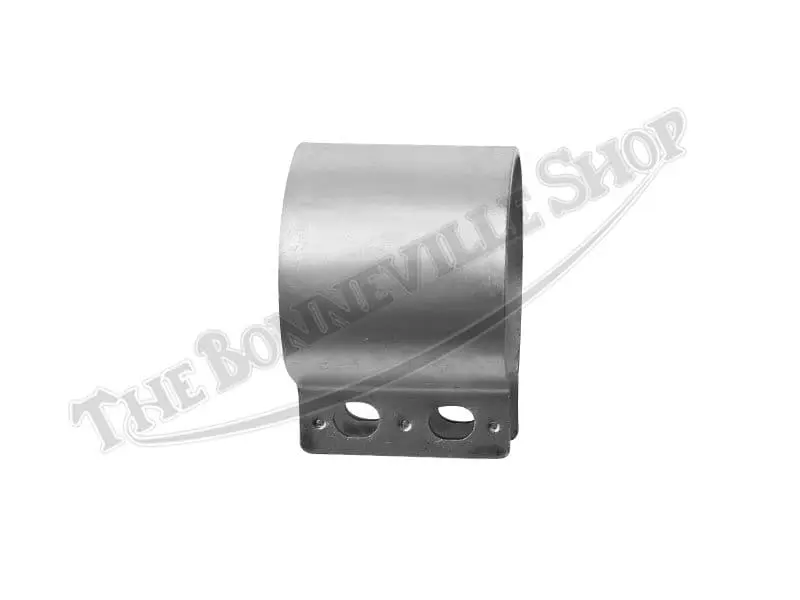
Triumph Norton BSA Ignition Coil Bracket(s) 40mm Lucas PN# 70-6389 W E6389
$15.57 – $25.63Price range: $15.57 through $25.63
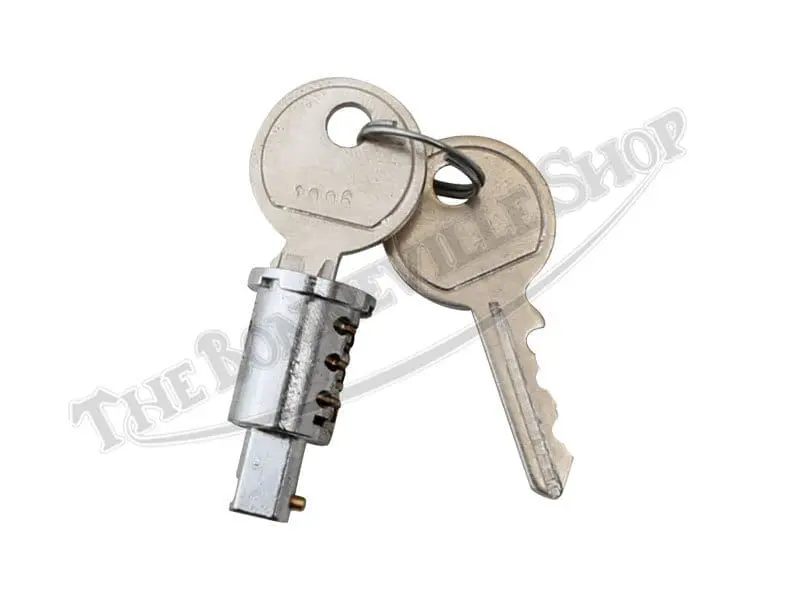


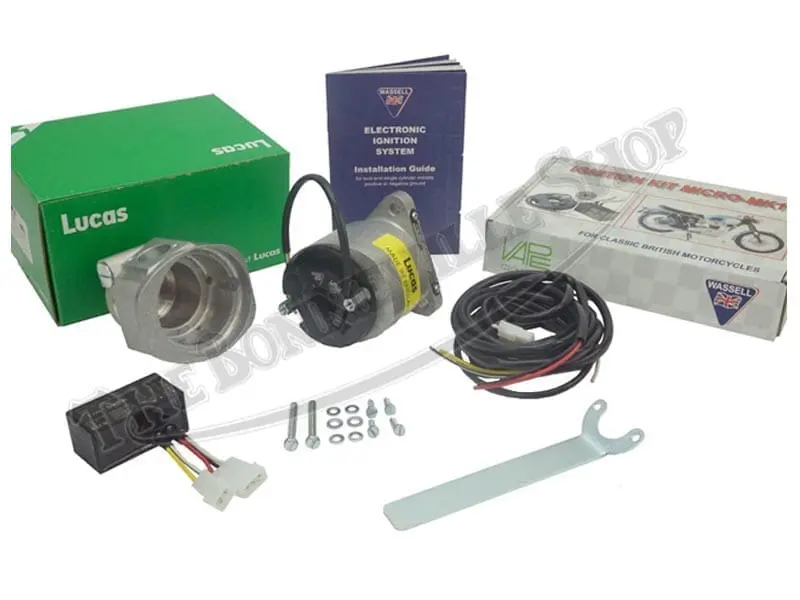
Triumph Norton BSA Genuine Lucas K2F Magneto Housing With Vape Electronic Ignition Kit PN# TBS-K2F-Vape
$869.22 – $878.59Price range: $869.22 through $878.59


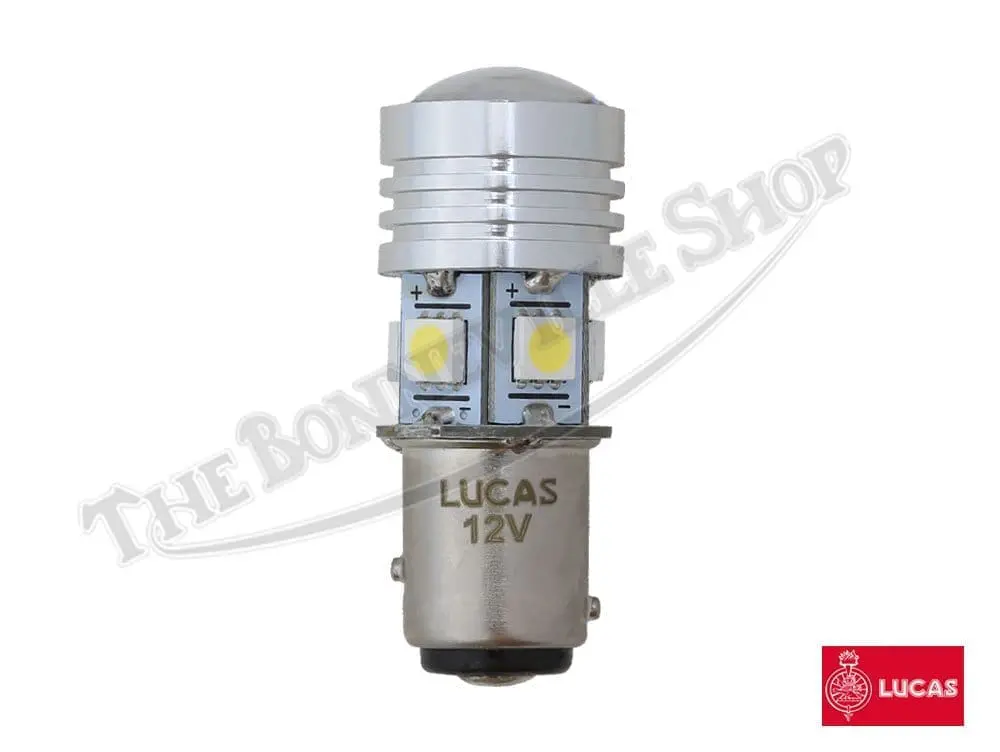
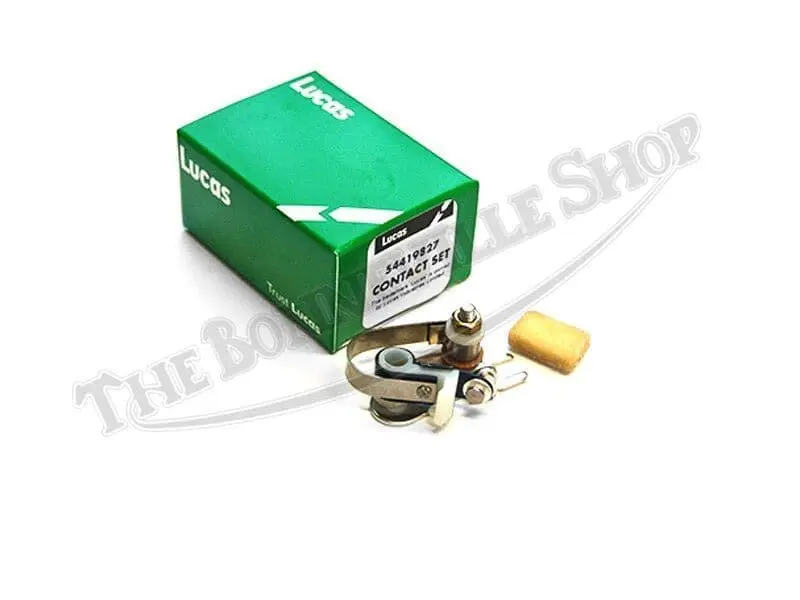
Triumph Norton BSA Genuine Lucas Contact Breaker Points Set(s) PN# 54419827 G
$32.72 – $59.64Price range: $32.72 through $59.64
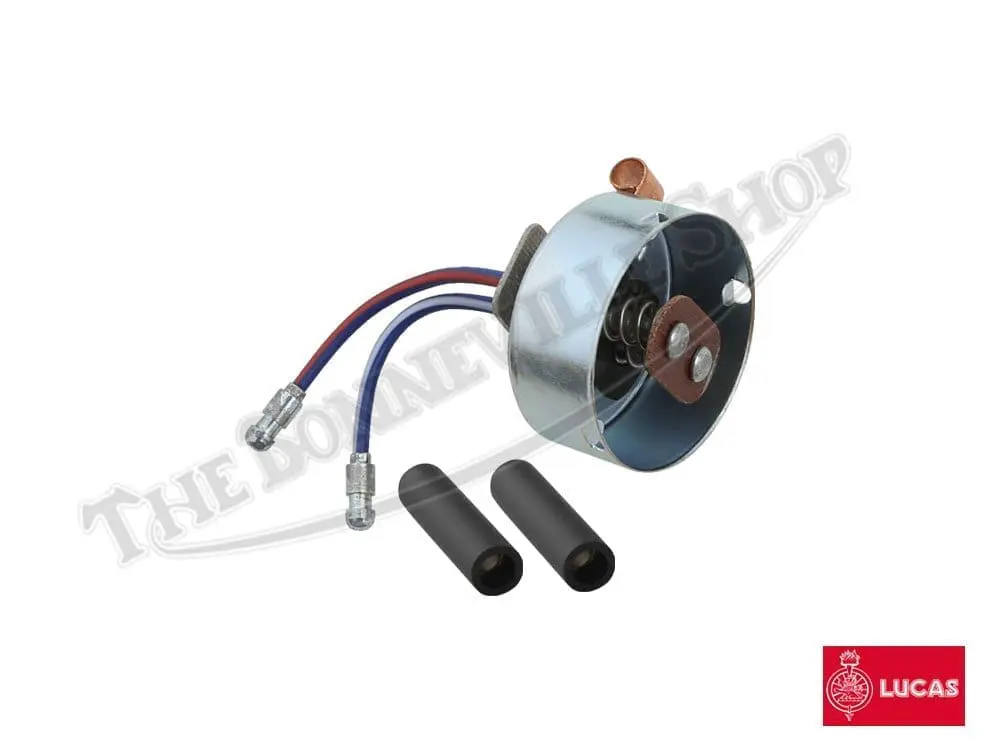

Triumph Norton BSA Genuine Lucas 6V 21W with 5W Taillight Stoplight Bulb(s) PN# 384 G LLB384
$6.33 – $8.24Price range: $6.33 through $8.24
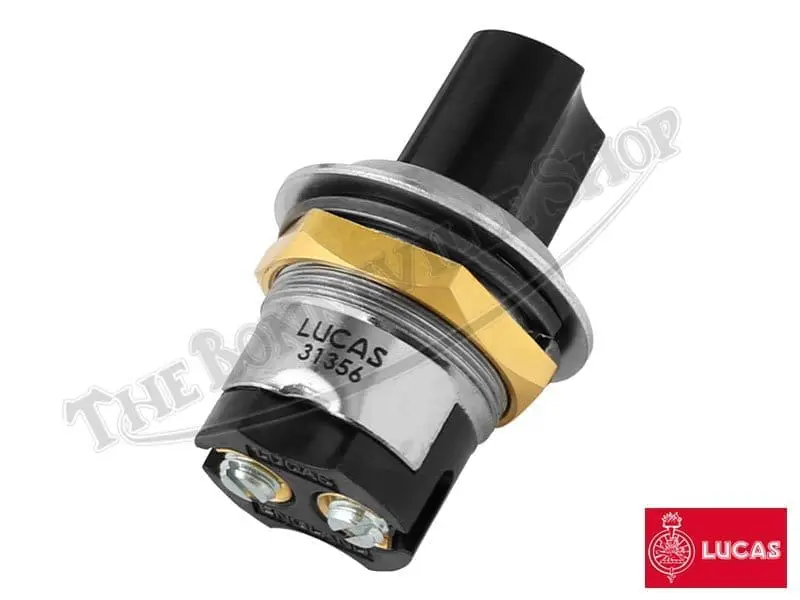


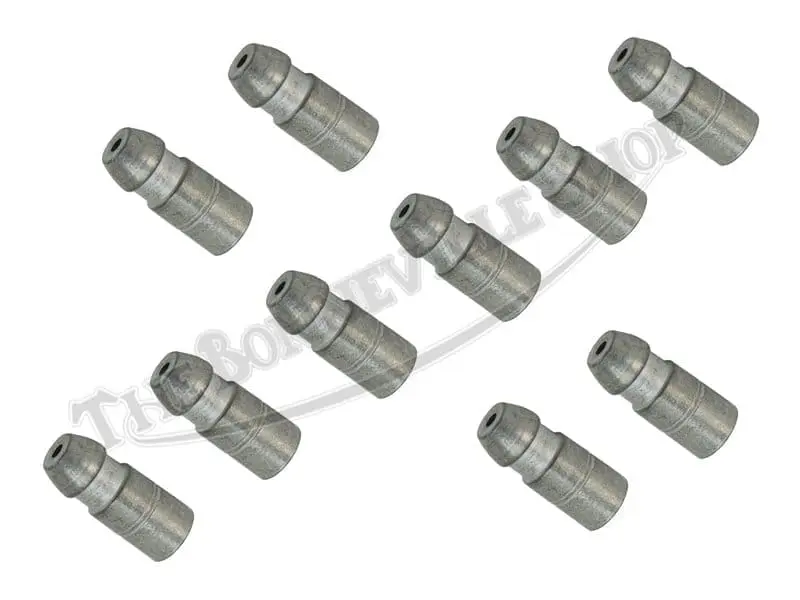
Triumph Norton BSA etc Lucas Bullet Connector(s) 1mm Crimp Solder Tinned PN# 900269 C
$10.22 – $16.95Price range: $10.22 through $16.95
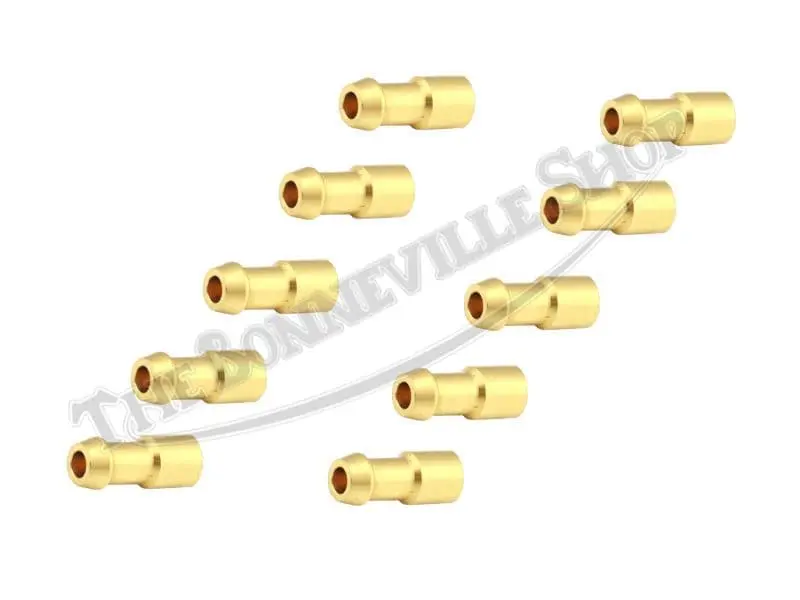
Triumph Norton BSA etc Lucas 2mm Brass Bullet Connector(s) PN# 900269 B
$8.53 – $12.95Price range: $8.53 through $12.95
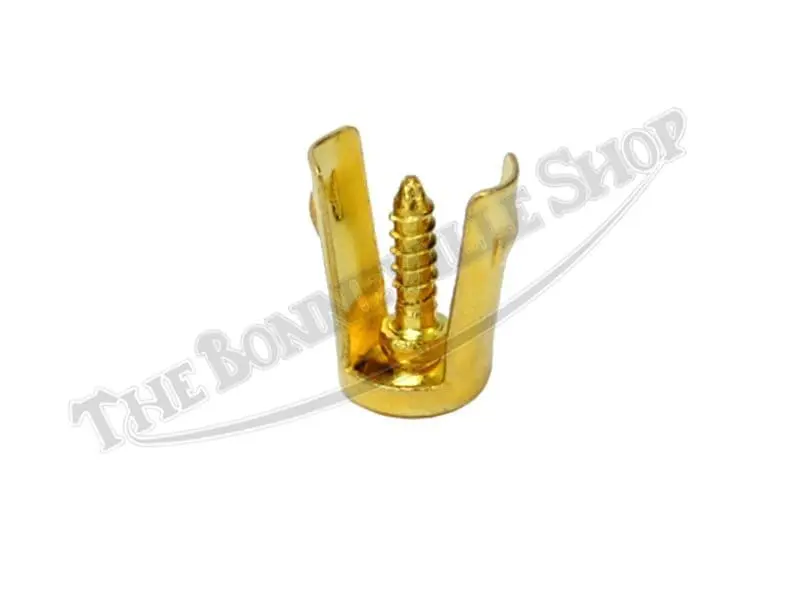
Triumph Norton BSA etc High Tension Lead Spark Plug Wire(s) Terminal Screw Type PN# TBS-01-0440
$7.47 – $14.69Price range: $7.47 through $14.69

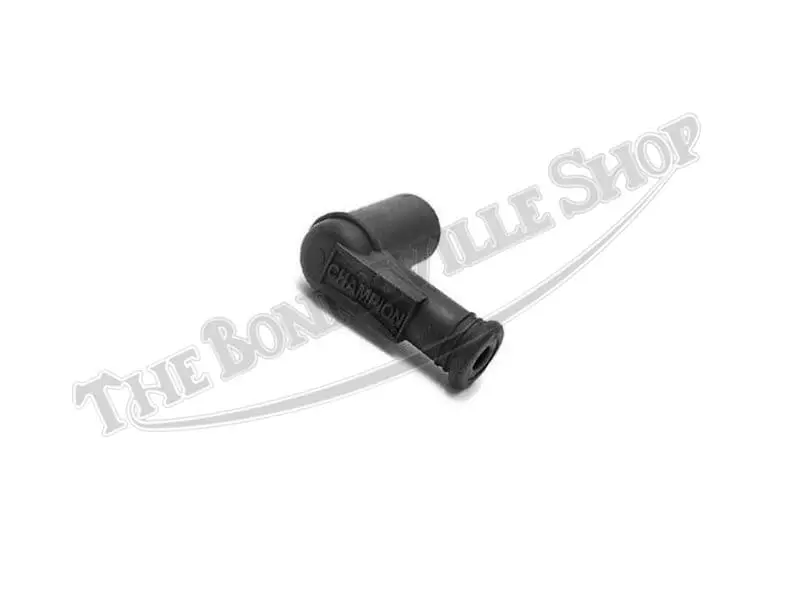
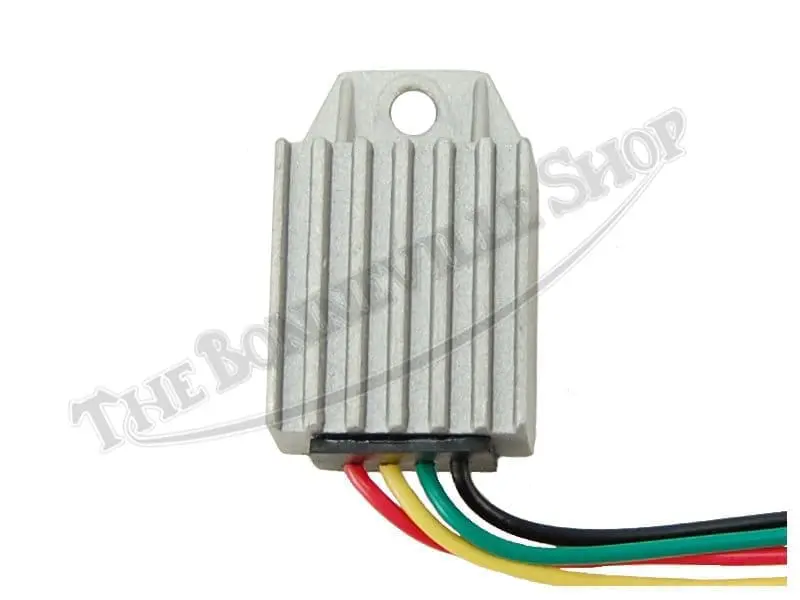
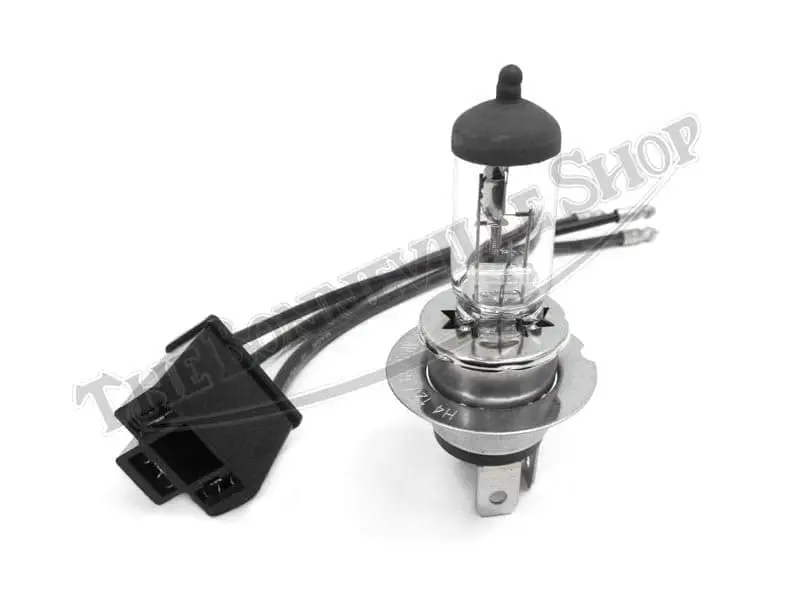


Triumph Norton BSA Cloth Covered High Tension Lead Spark Plug Wire(s) 2 FT Length Yellow with Black PN# TBS-01-0457
$10.73 – $16.63Price range: $10.73 through $16.63

Triumph Norton BSA Cloth Covered High Tension Lead Spark Plug Wire 2′ Length(s) Red with Black PN# TBS-01-0455
$9.75 – $16.61Price range: $9.75 through $16.61
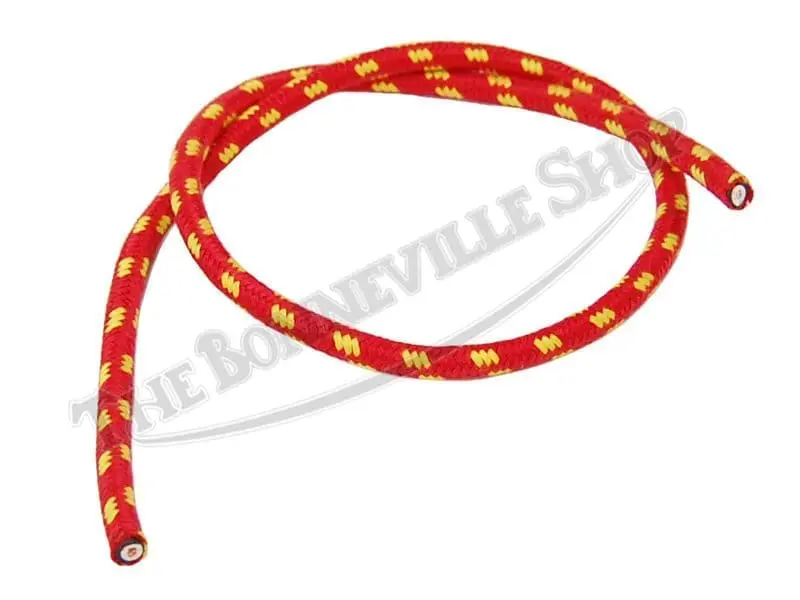
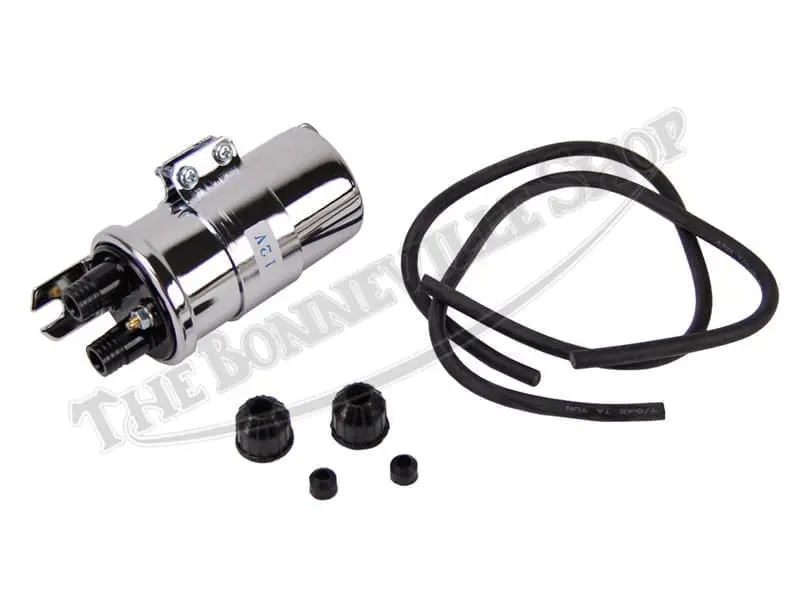
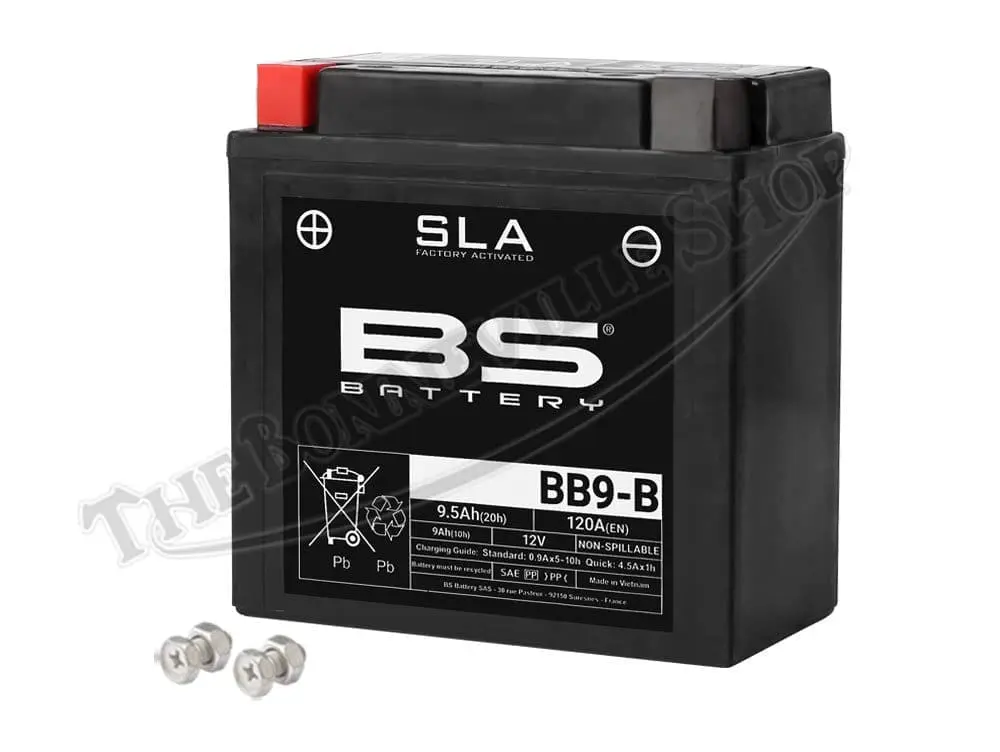
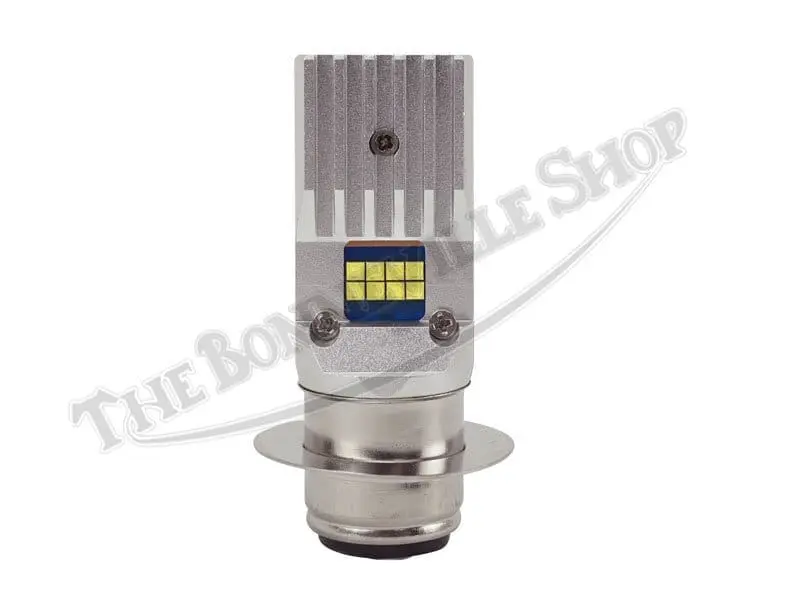


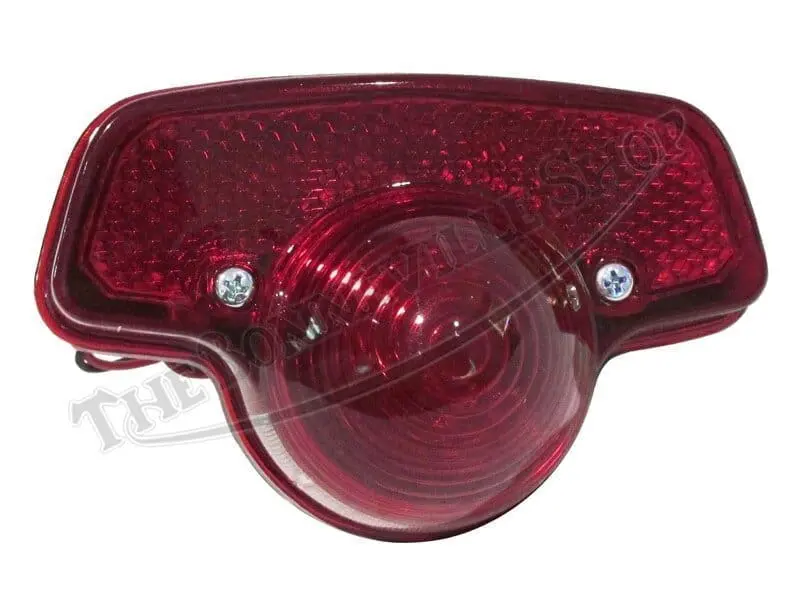
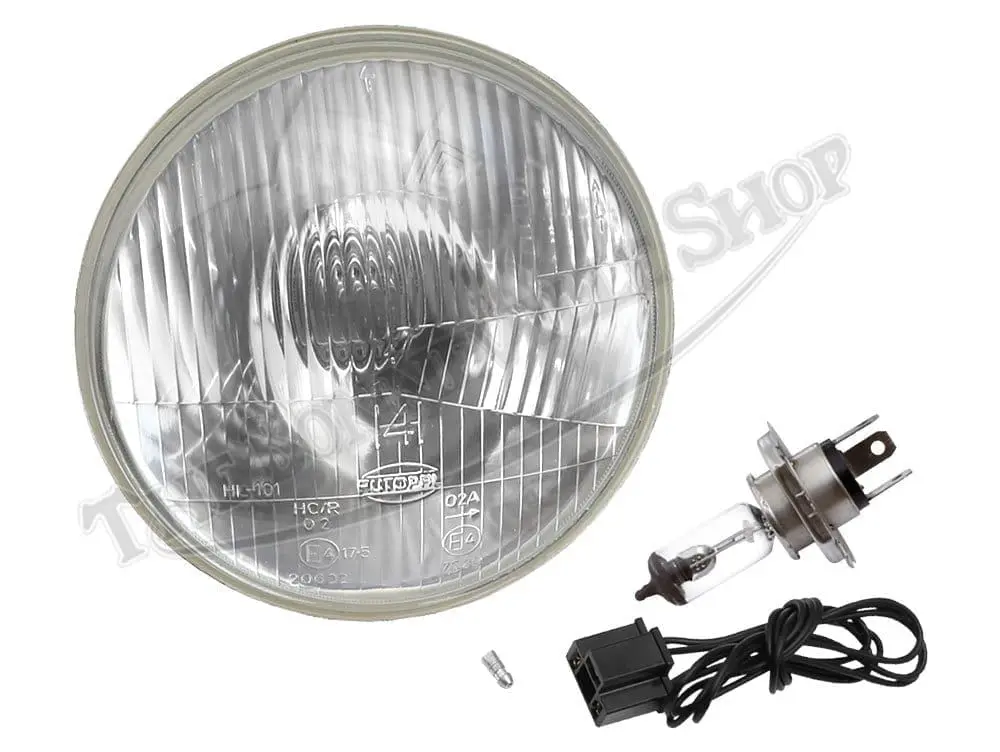
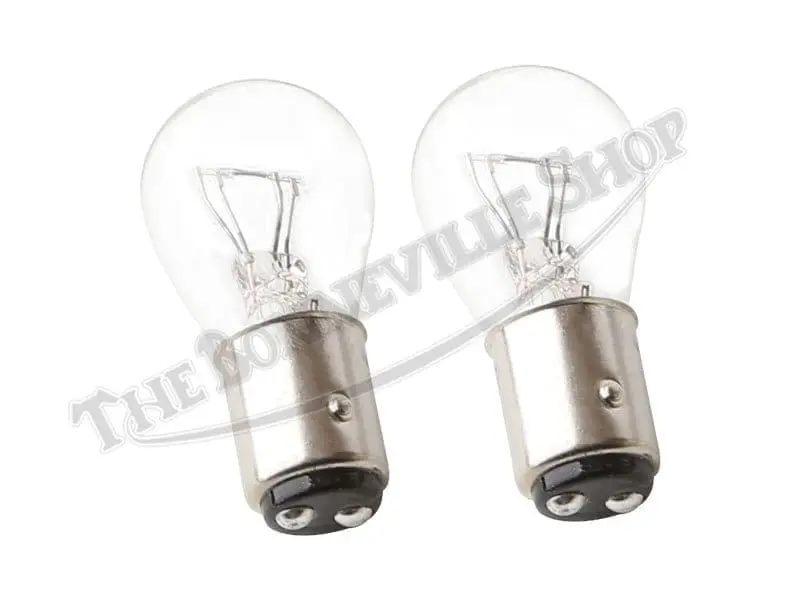

Triumph Norton BSA 50W/40W 12V Genuine Lucas 446 414 Headlight Bulb 1966-77 PN# 446 G LLB414
$18.46 – $24.95Price range: $18.46 through $24.95
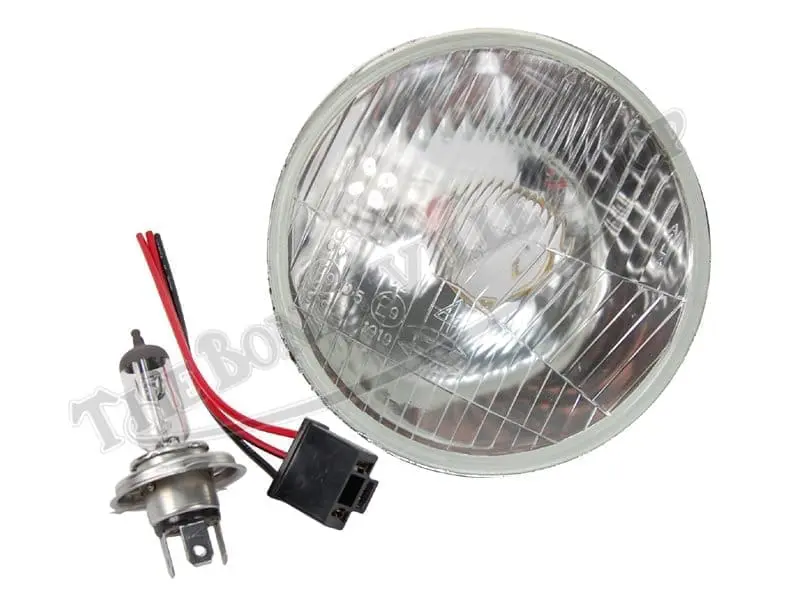
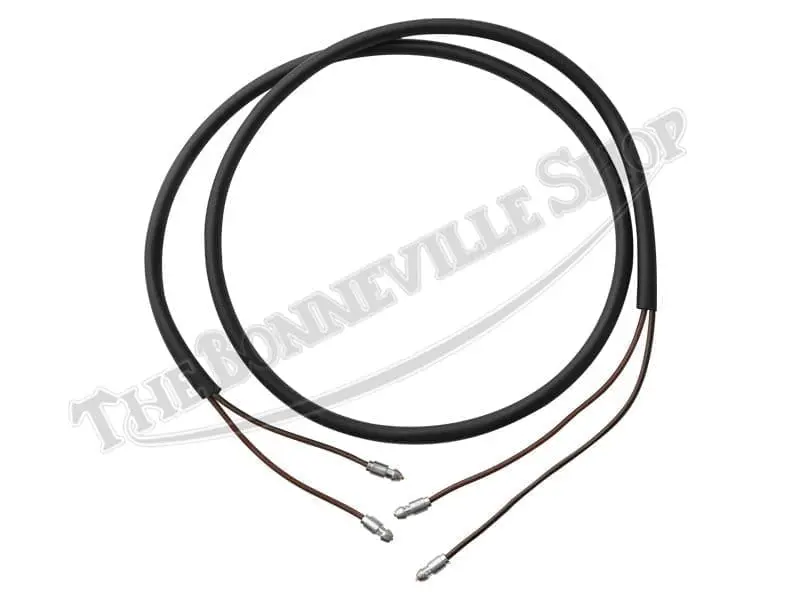
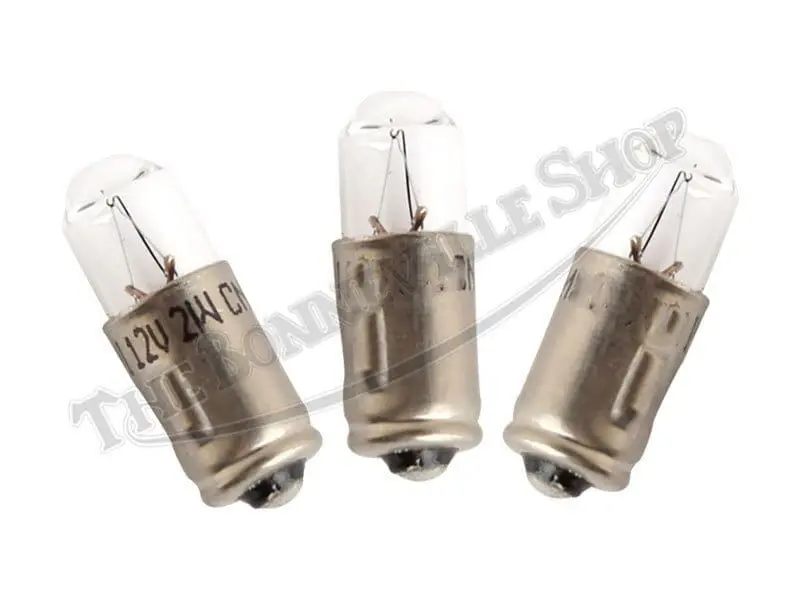
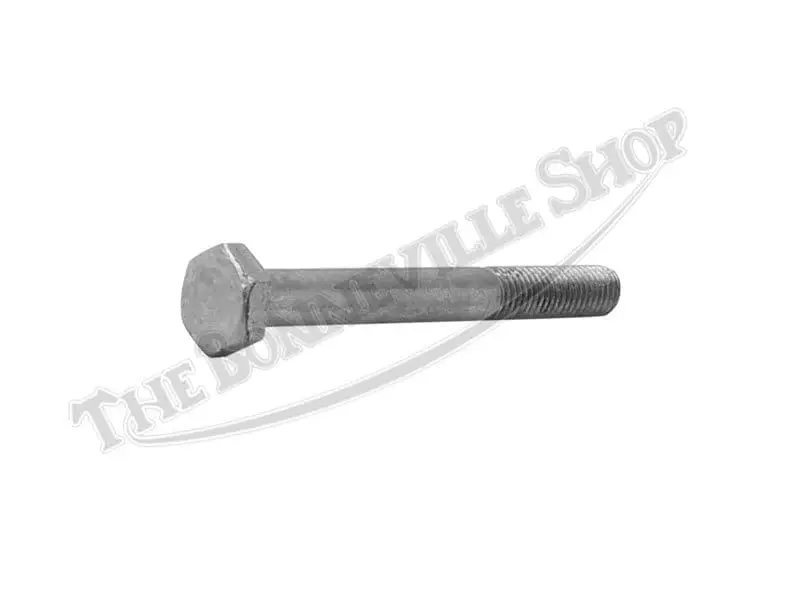
Triumph Norton BSA 250 500 650 750 Lucas Ignition Auto Advance Fixing Bolt(s) UNF 1970 On PN# 14-0208
$5.71 – $7.10Price range: $5.71 through $7.10
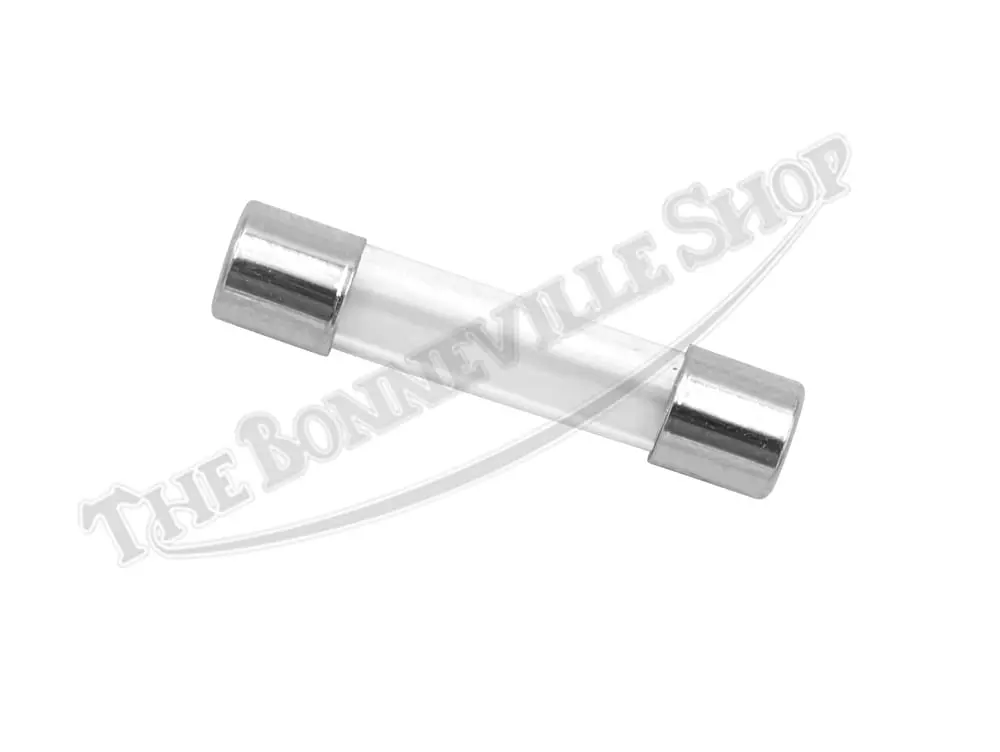
Triumph Norton BSA 20 Amp Glass Fuse PN# 188218R
$7.38 – $15.85Price range: $7.38 through $15.85
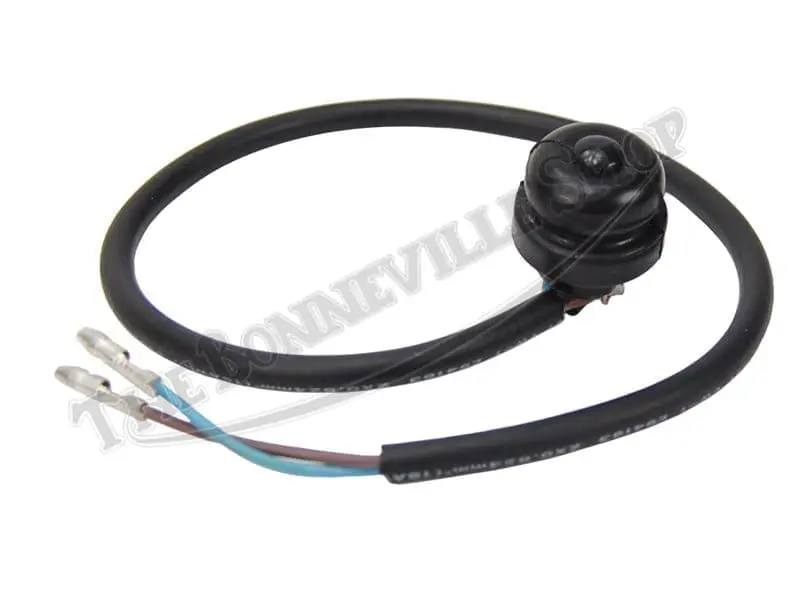


Triumph N5C Champion Spark Plug(s) PN# TBS-N5C
$11.85 – $30.88Price range: $11.85 through $30.88
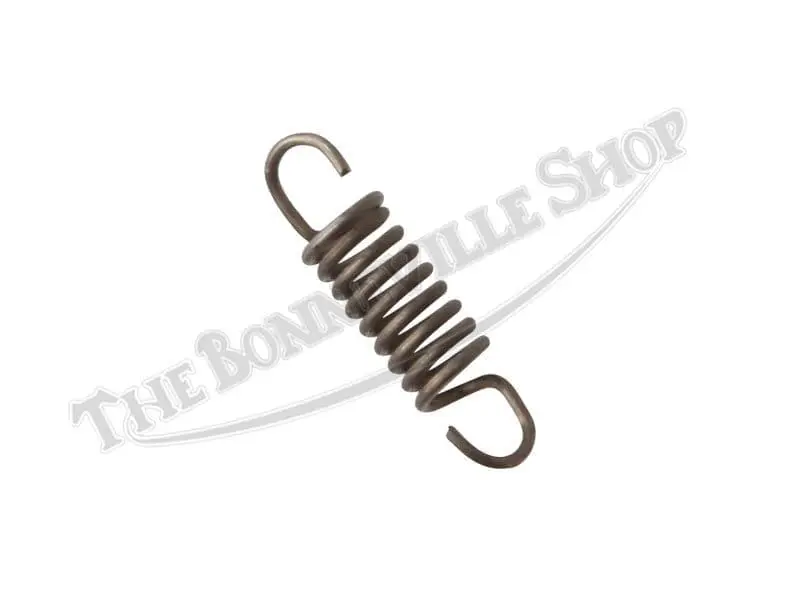
Triumph Magneto Advance and Retard Spring(s) PN# 498157 06-8032
$7.20 – $9.89Price range: $7.20 through $9.89

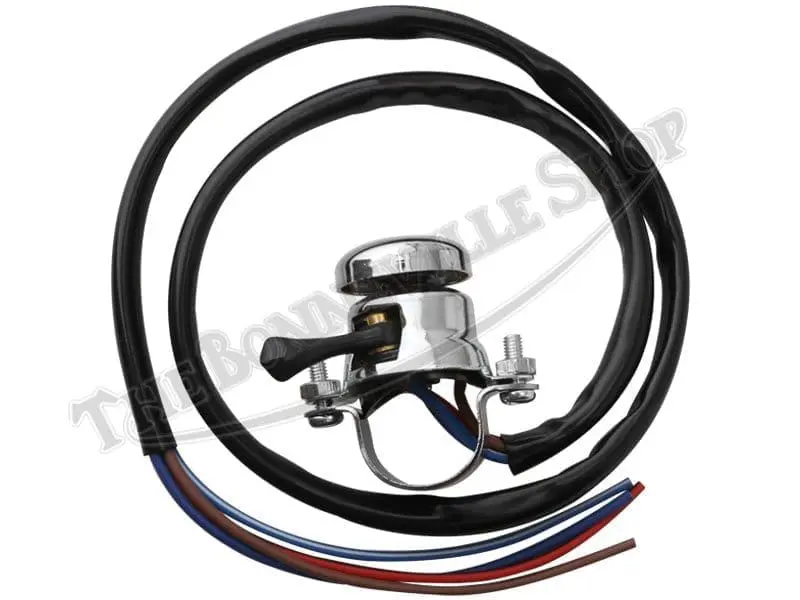

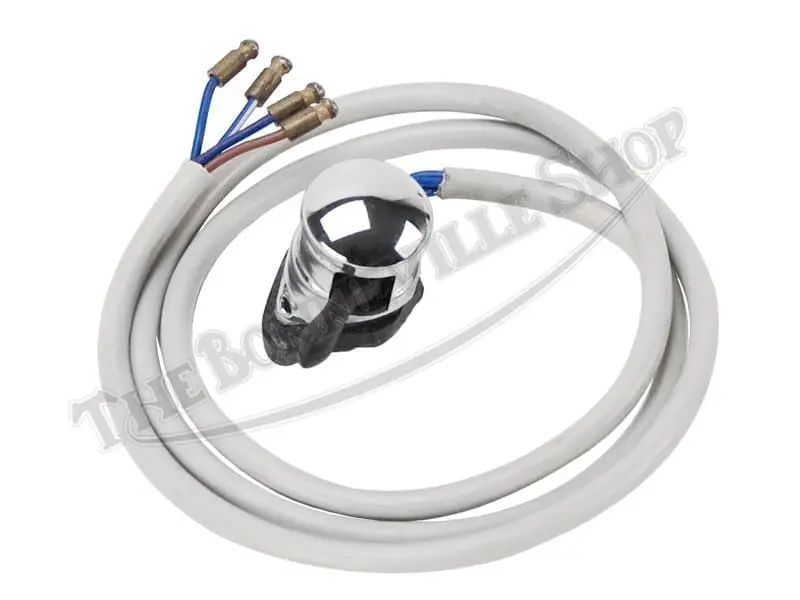

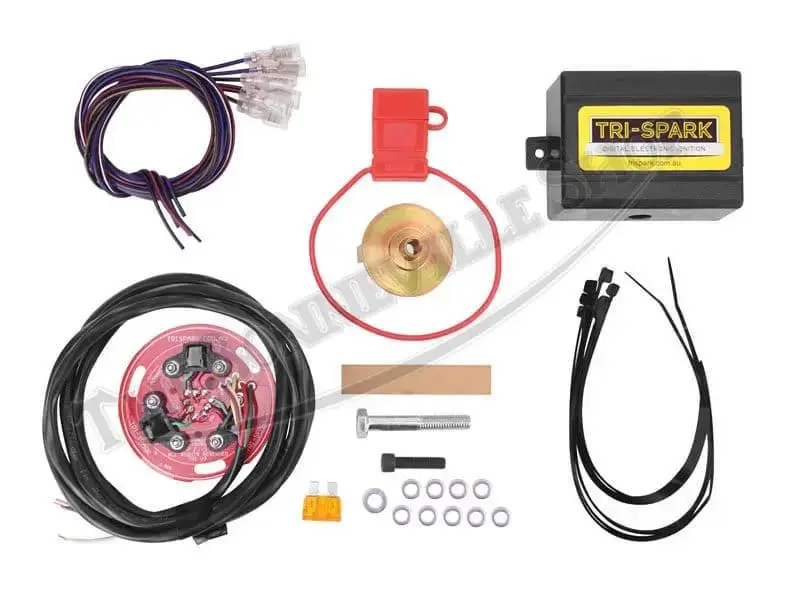
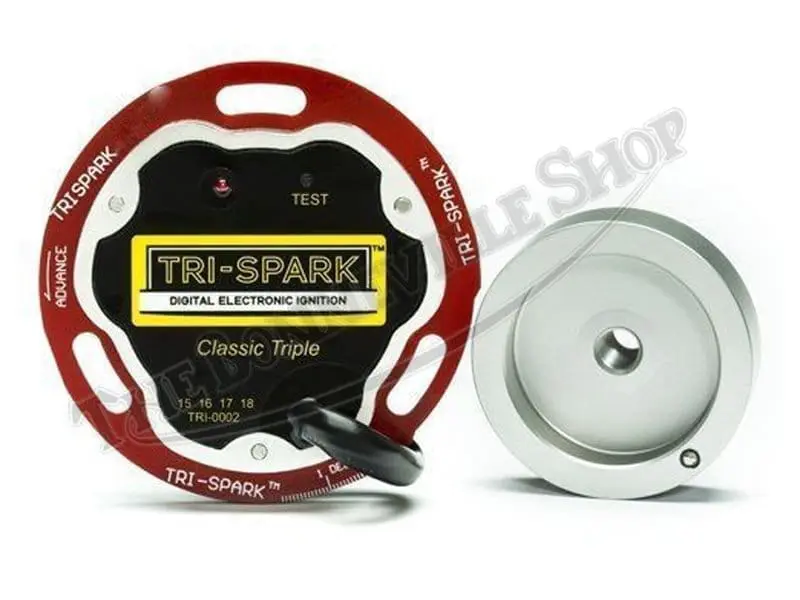
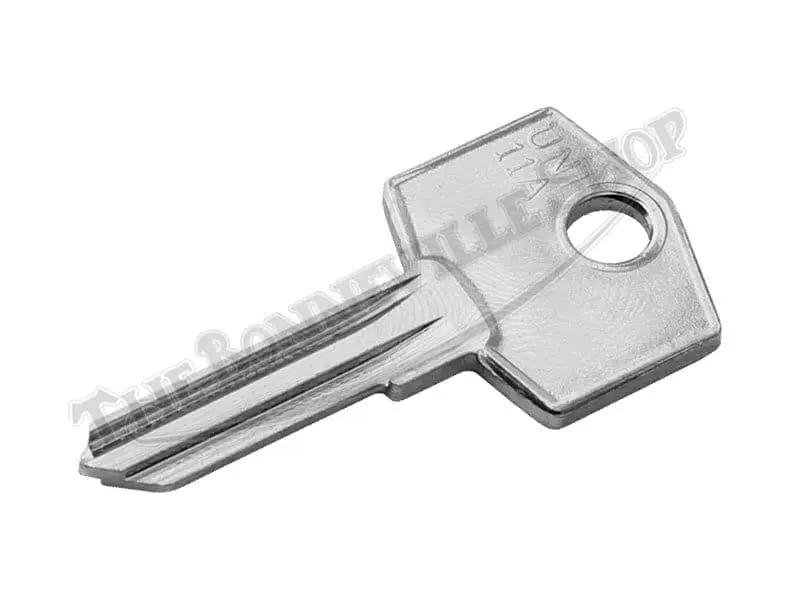
Triumph BSA Norton Wilmot Breeden-Type FS Key Blank(s) PN# 62FS TBS-0027
$16.80 – $27.29Price range: $16.80 through $27.29
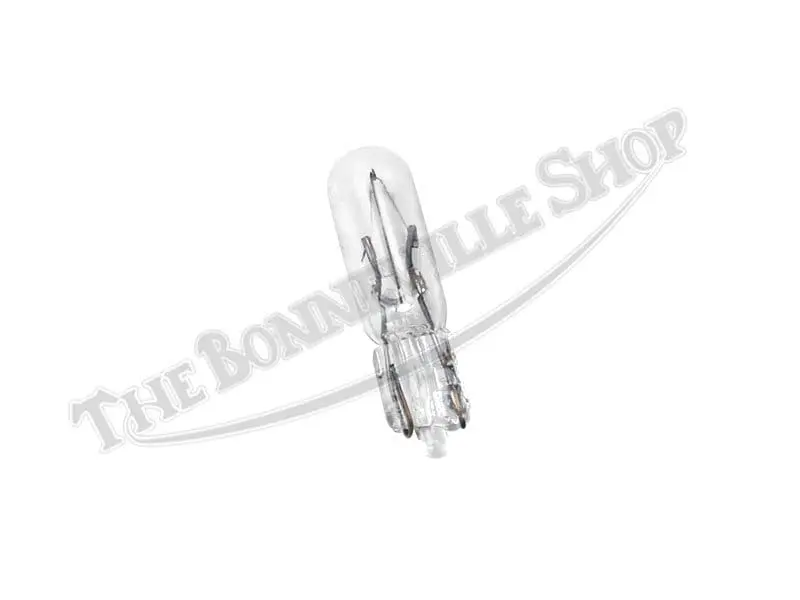
Triumph BSA Norton Warning Light Wedge Base Bulb(s) for Repro Harness PN# 281 W
$5.47 – $7.10Price range: $5.47 through $7.10
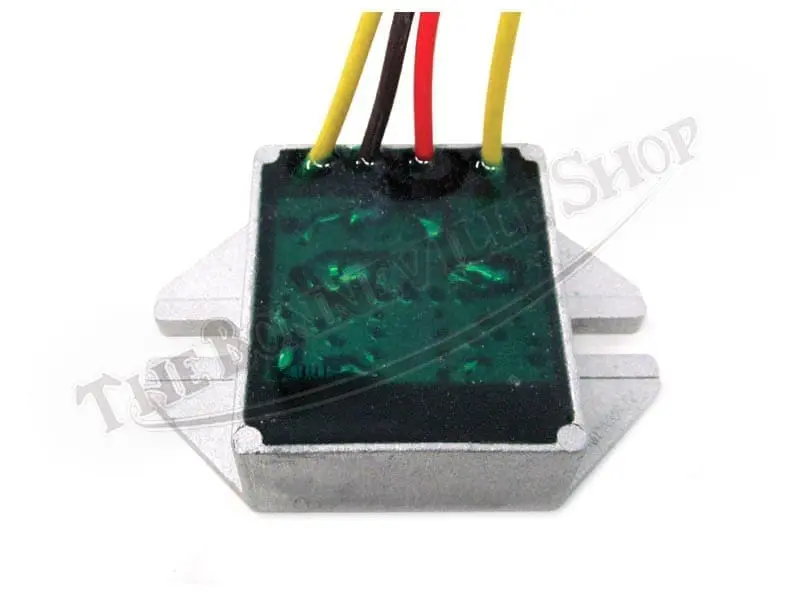
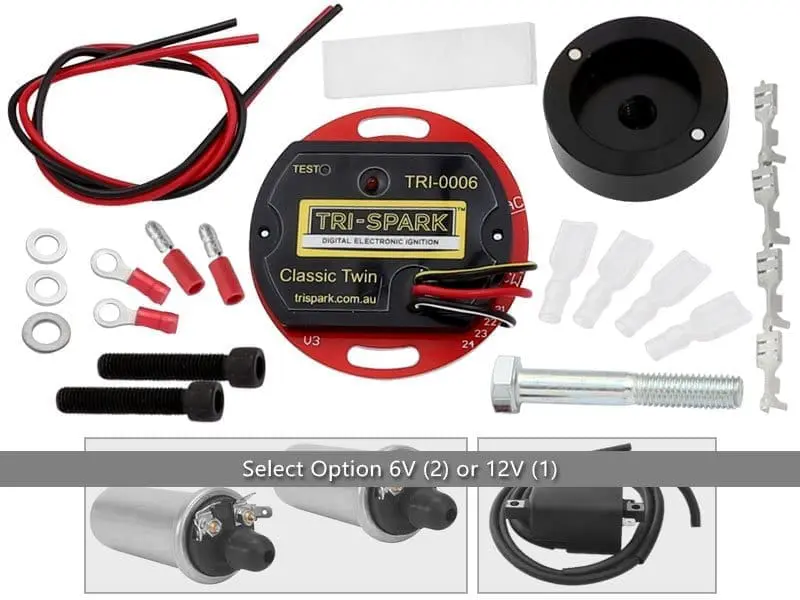
Triumph BSA Norton Tri-Spark Electronic Ignition Kit W/Coils Option PN# TBS-1006 TBS-3586 A 45275 A
$478.23 – $536.68Price range: $478.23 through $536.68
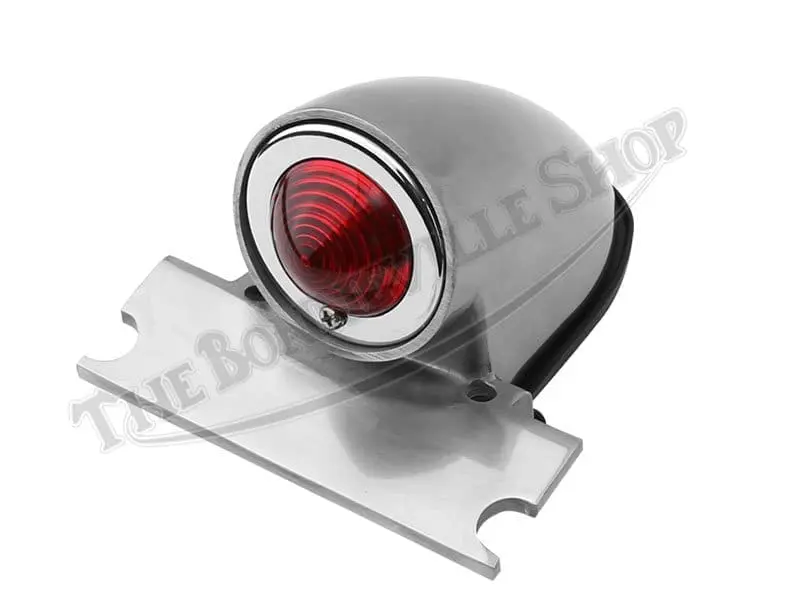
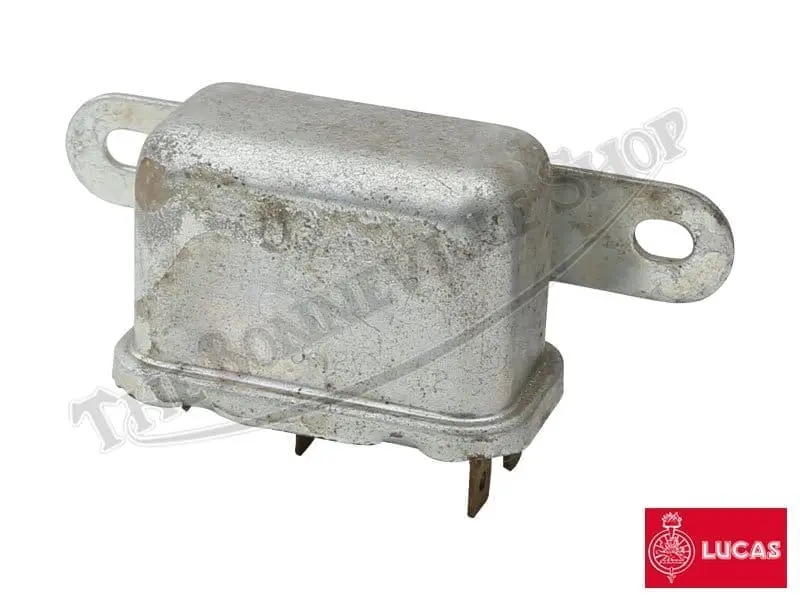
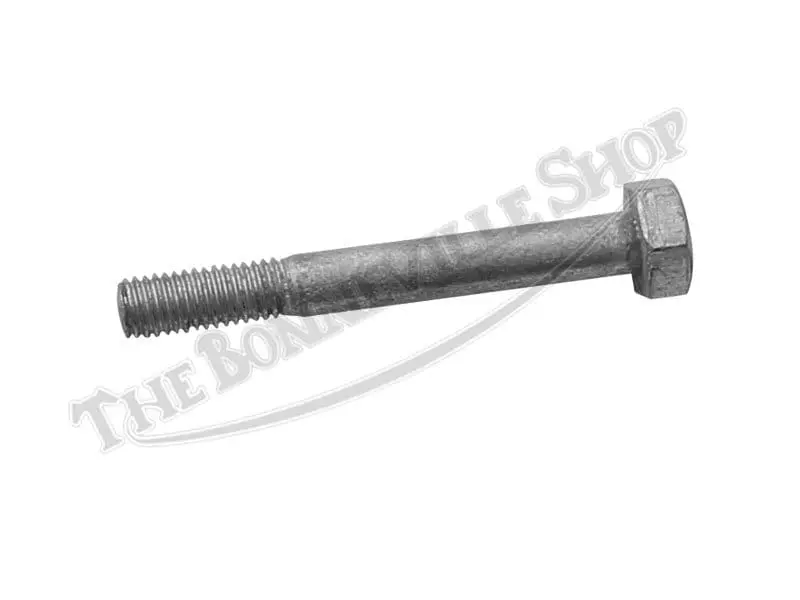
Triumph BSA Norton Lucas Points Advance Bolt(s) 1/4 inch X 26 TPI CEI PN# 70-5451 E5451
$8.93 – $12.86Price range: $8.93 through $12.86

Triumph BSA Norton Lucas Condenser(s) 1968-1978 PN# 54420128 G
$32.22 – $59.64Price range: $32.22 through $59.64

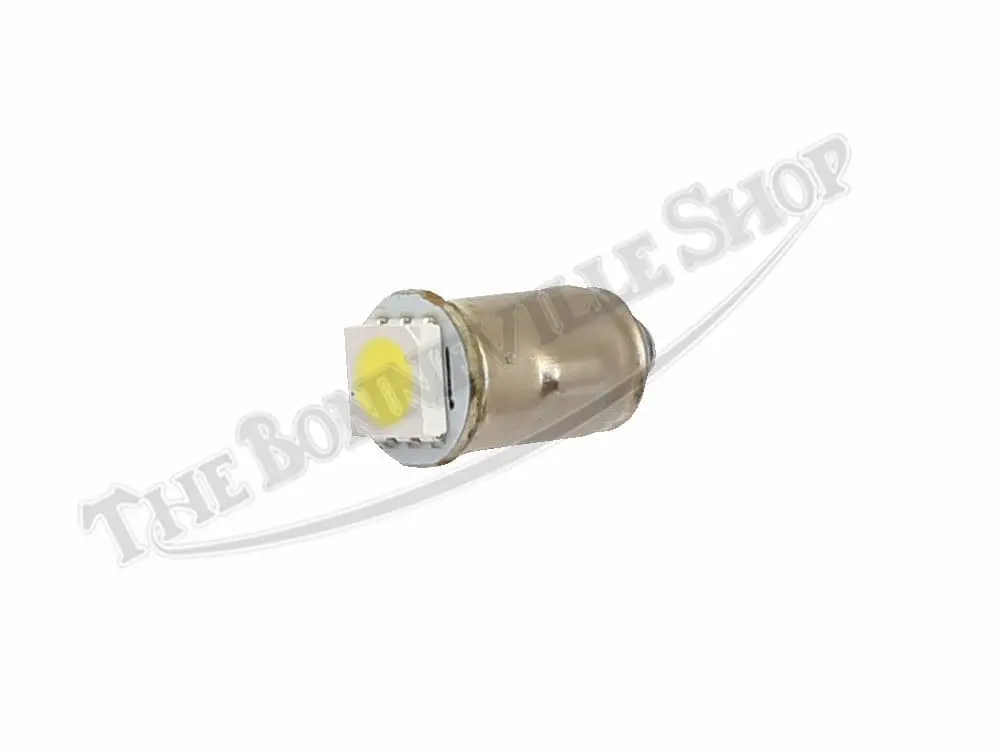
Triumph BSA Norton Lucas 12V Warning Light LED Bulb(s) PN# 281 LED G
$10.02 – $13.45Price range: $10.02 through $13.45
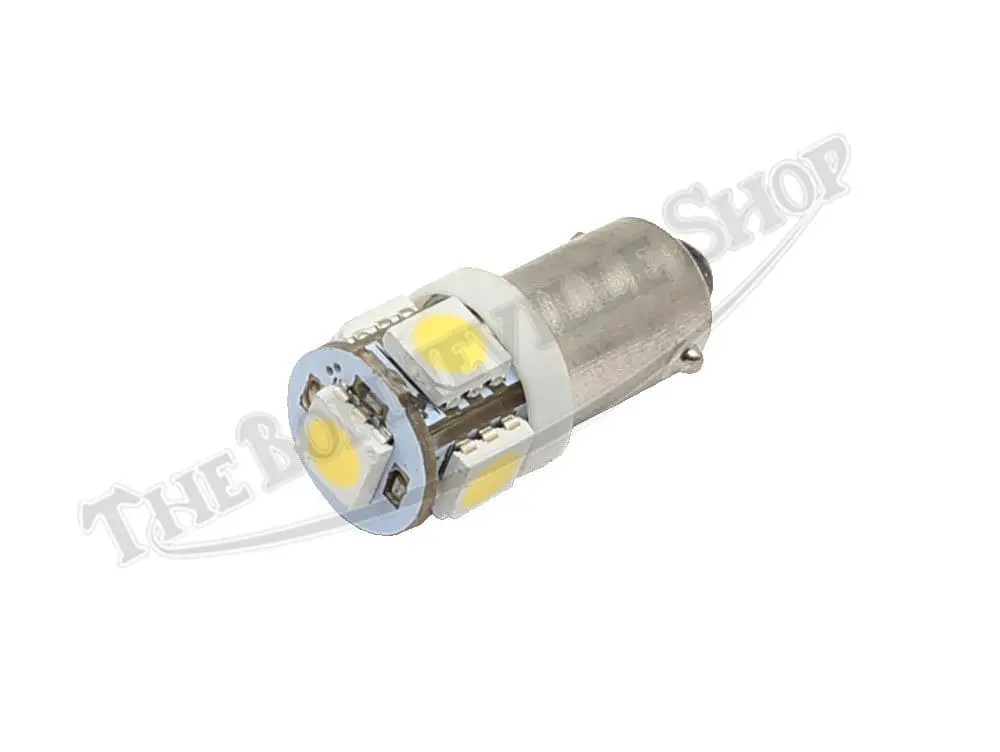
Triumph BSA Norton Lucas 12V Pilot/Instrument LED Bulb(s) PN# 989 LED G
$12.16 – $16.63Price range: $12.16 through $16.63
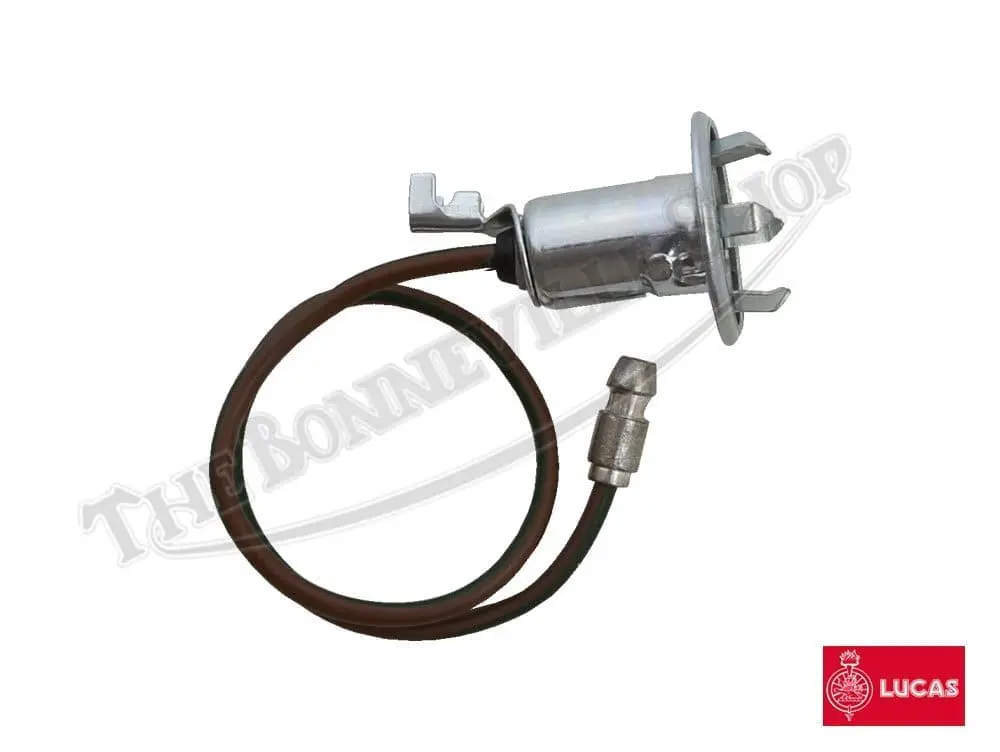
Triumph BSA Norton Genuine Lucas Instrument and Pilot Bulb Holder(s) PN# 54573590 L
$23.79 – $43.06Price range: $23.79 through $43.06
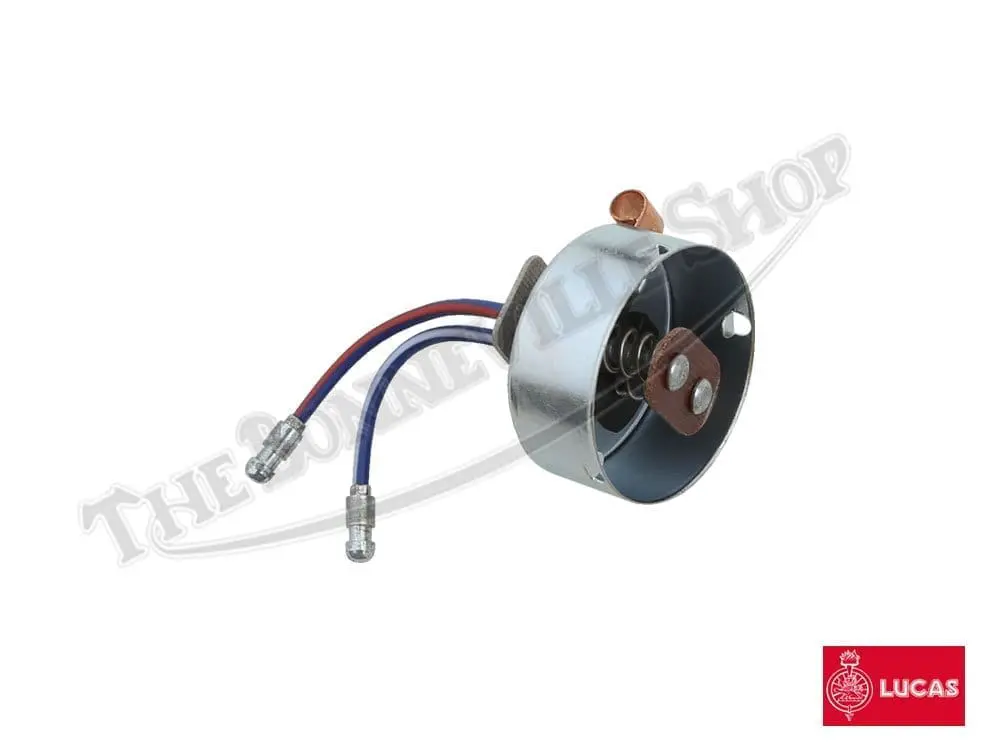
Triumph BSA Norton Genuine Lucas Dual Filament 12V Taillight Bulb(s) PN# 380G 380L LLB380
$6.33 – $8.24Price range: $6.33 through $8.24
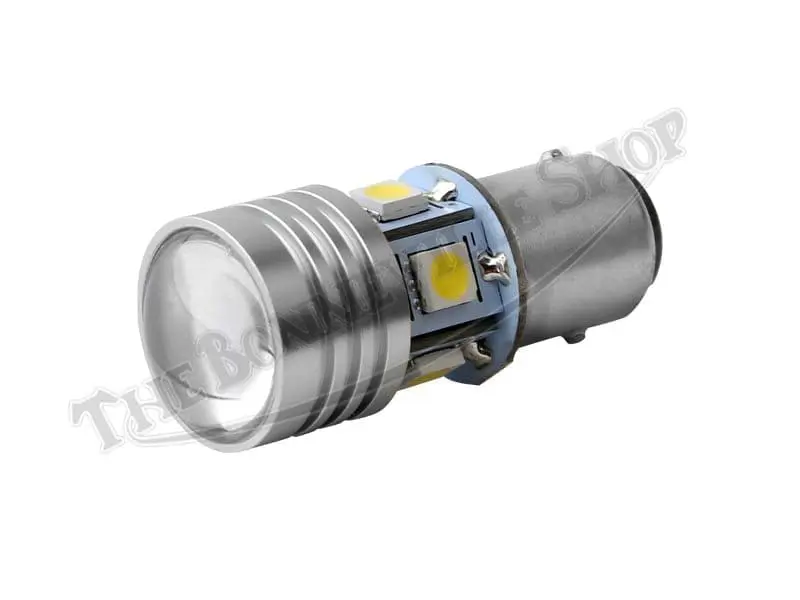
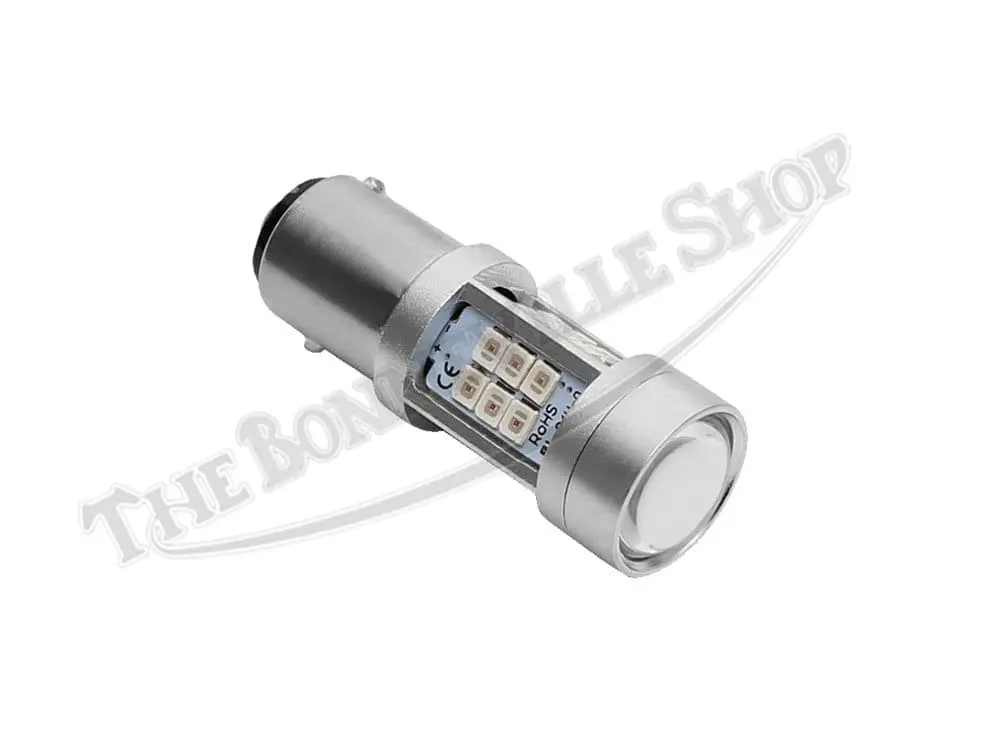
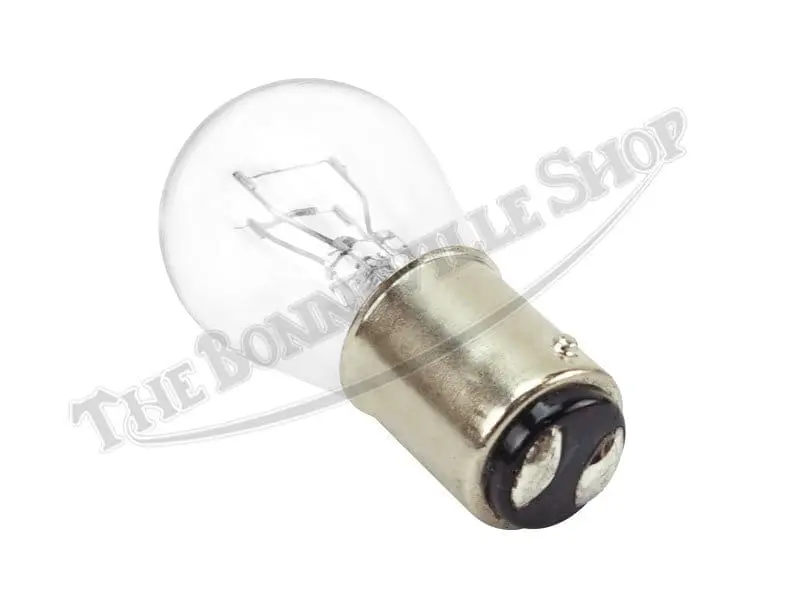
Triumph BSA Norton Dual Filament 12V Taillight Bulb(s) Pattern PN# 380 LLB380
$5.50 – $6.75Price range: $5.50 through $6.75

Triumph BSA Norton Champion N6YC (NGK BP8ES Equivalent) Spark Plug(s) PN# TBS-N6YC
$11.87 – $28.54Price range: $11.87 through $28.54
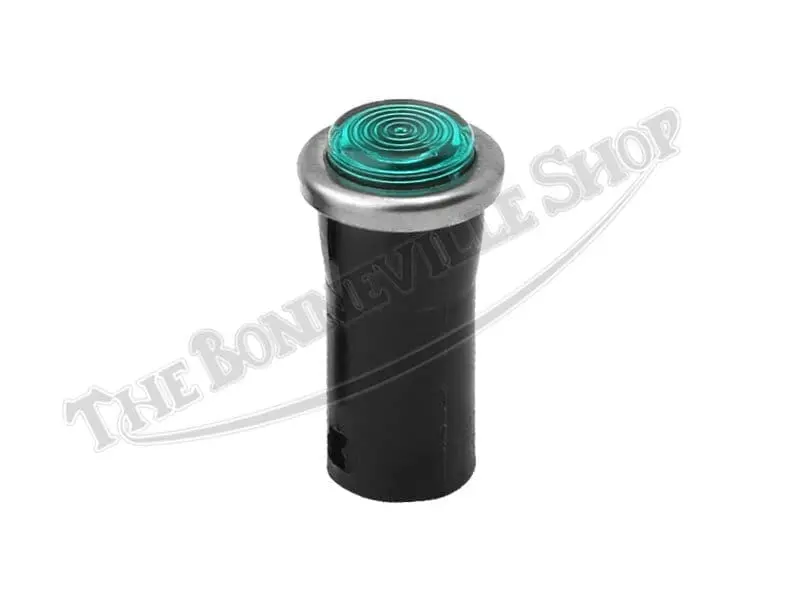


Triumph BSA Norton 281/BA7S 1W LED Warning Light Bulb(s) PN# 281 LED
$6.87 – $12.13Price range: $6.87 through $12.13
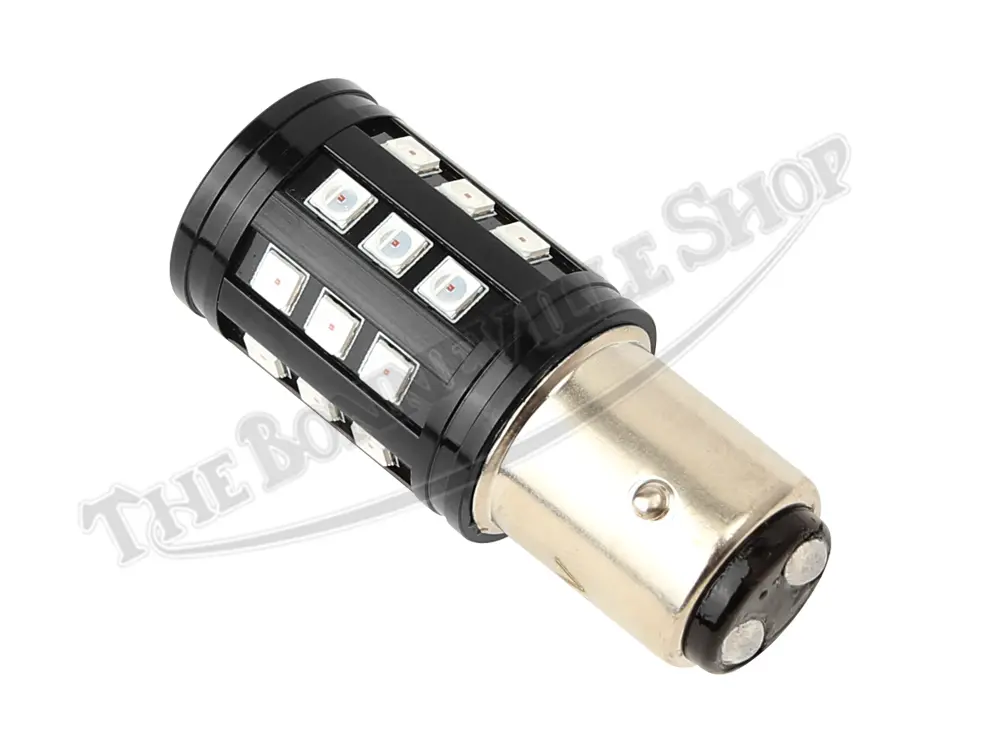

Triumph BSA N4C Champion Spark Plug(s) PN# TBS-N4C
$11.66 – $30.18Price range: $11.66 through $30.18
Triumph BSA N3C Champion Spark Plug(s) PN# TBS-N3C
$12.62 – $33.69Price range: $12.62 through $33.69
Triumph BSA N2C Champion Spark Plug(s) PN# TBS-N2C
$12.15 – $31.97Price range: $12.15 through $31.97


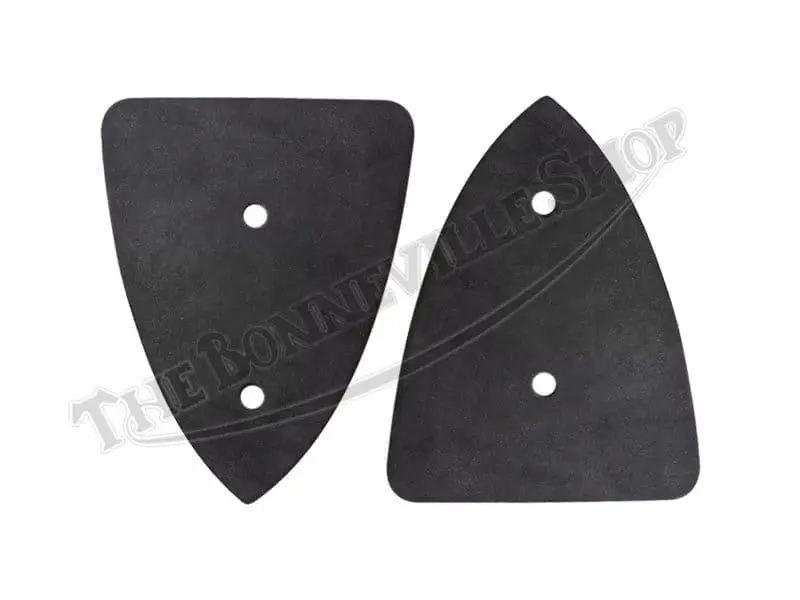
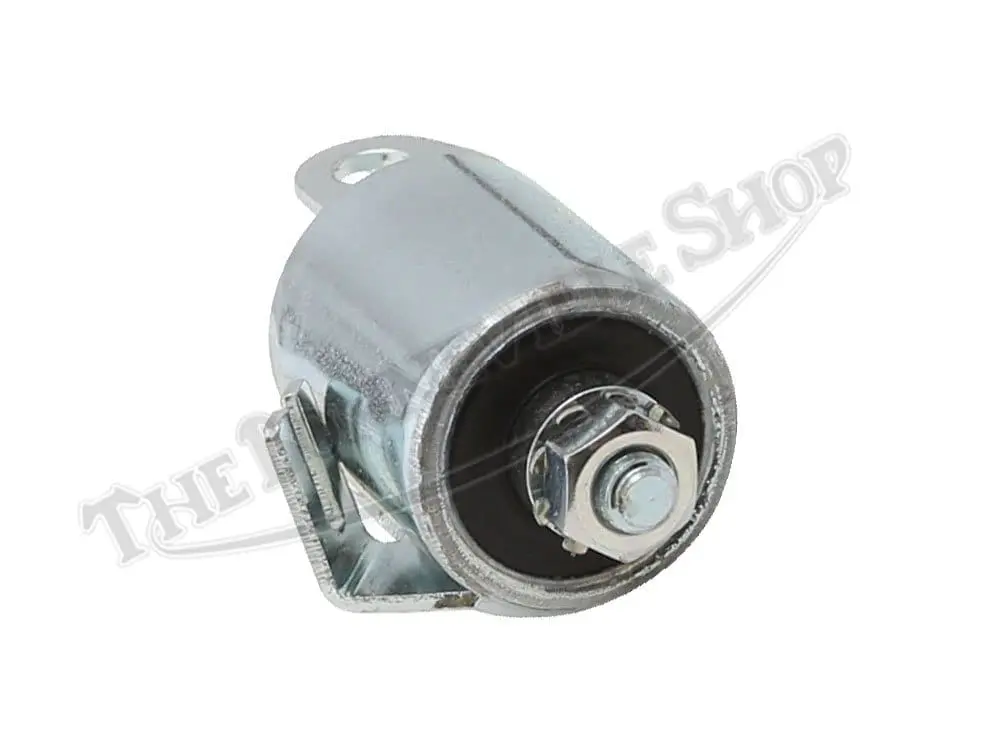
Triumph BSA Lucas-Type Condenser(s) 1963-67 PN# 425377 D TBS-4027
$28.98 – $53.32Price range: $28.98 through $53.32

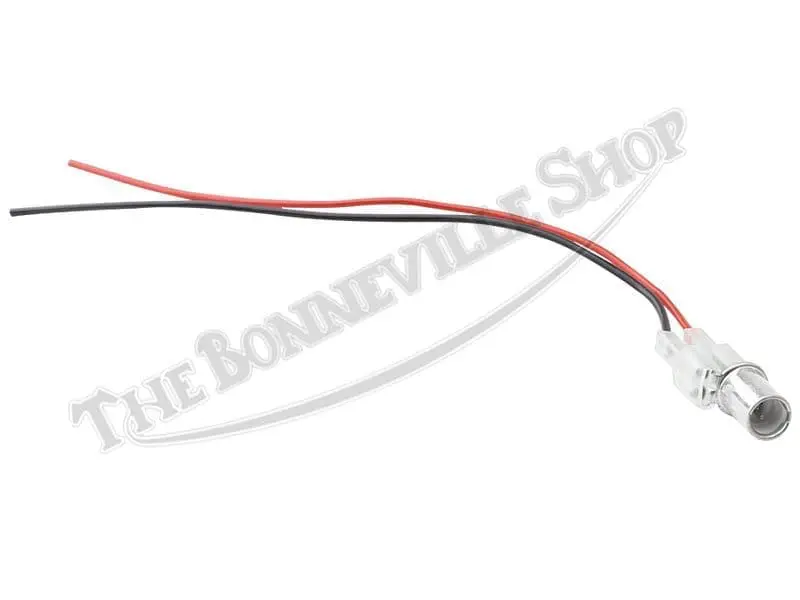
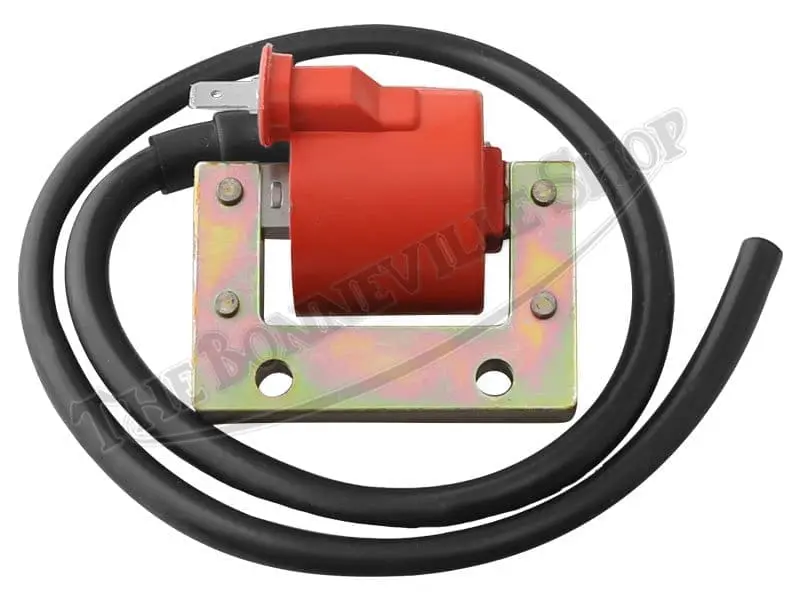
Triumph BSA Lucas 3ET-Type Energy Transfer Coil(s) PN# LU 45149
$38.74 – $73.14Price range: $38.74 through $73.14
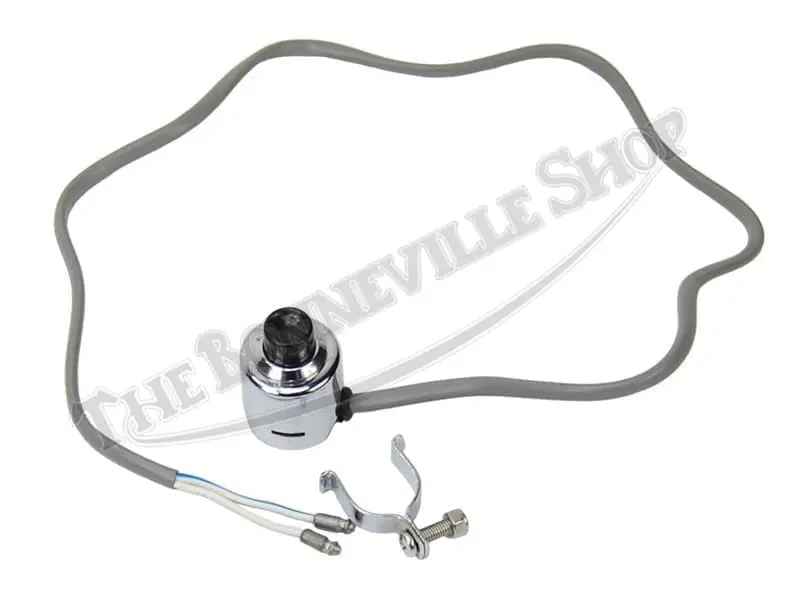
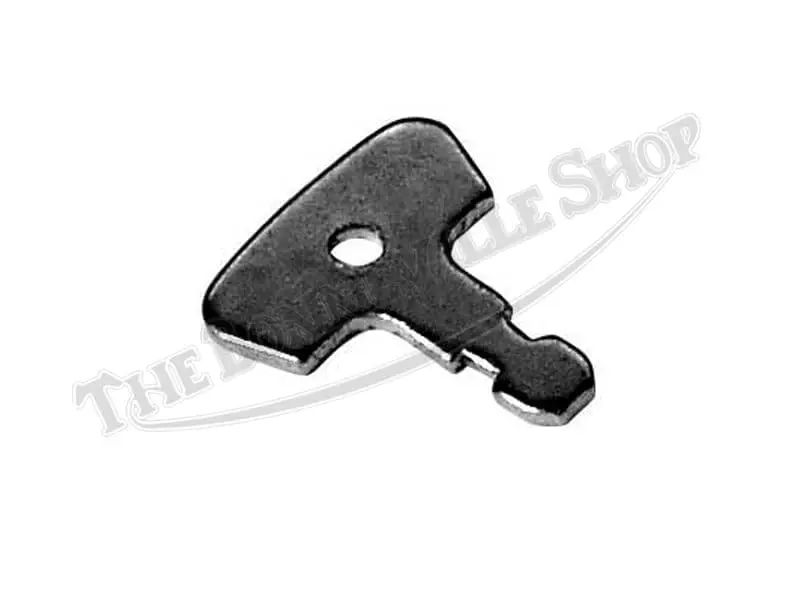
Triumph BSA Key for Lucas 34427 88SA Type Switch(s) UK Made PN# 54336176
$10.36 – $15.45Price range: $10.36 through $15.45
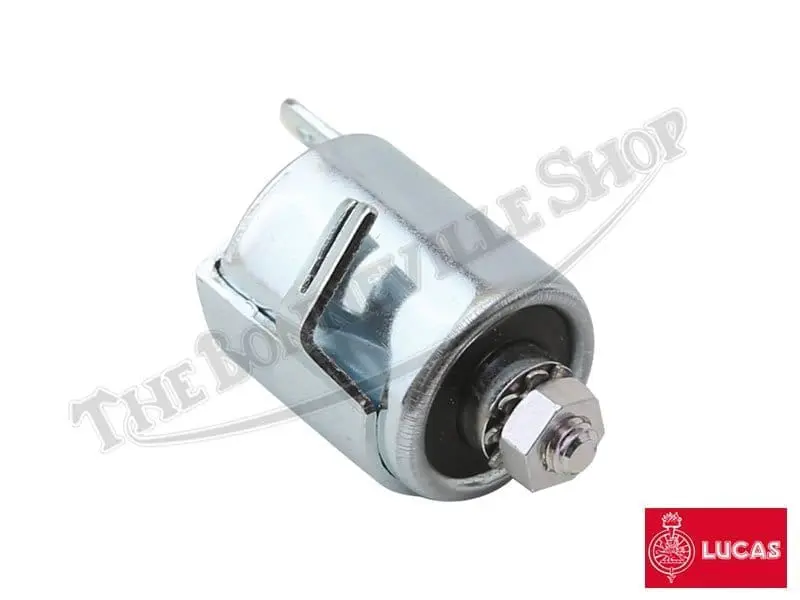
Triumph BSA Genuine Lucas Condenser(s) 1963-67 PN# 425377
$34.02 – $61.70Price range: $34.02 through $61.70
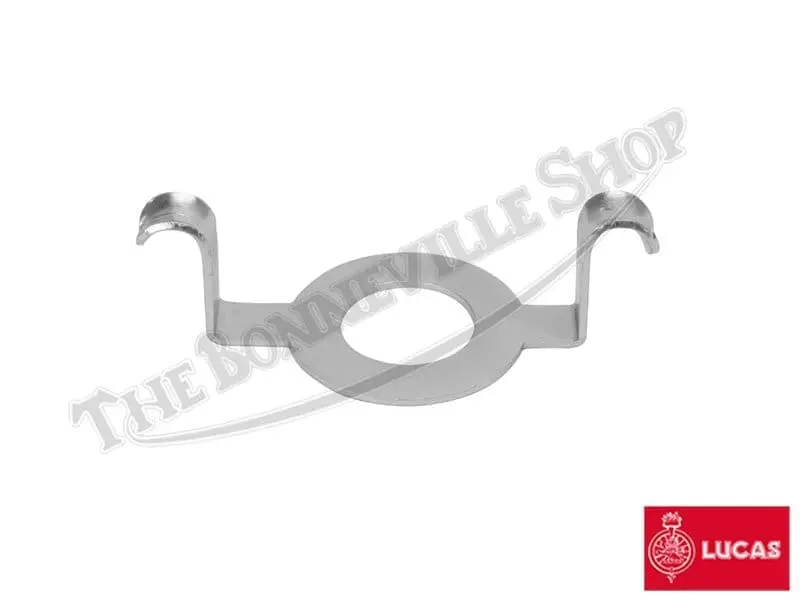
Triumph BSA Genuine Lucas 88SA Wiring Socket Retainer Clip Bracket(s) PN# 82-5983 88SSRC F5983 S254 68-9167
$10.18 – $15.11Price range: $10.18 through $15.11
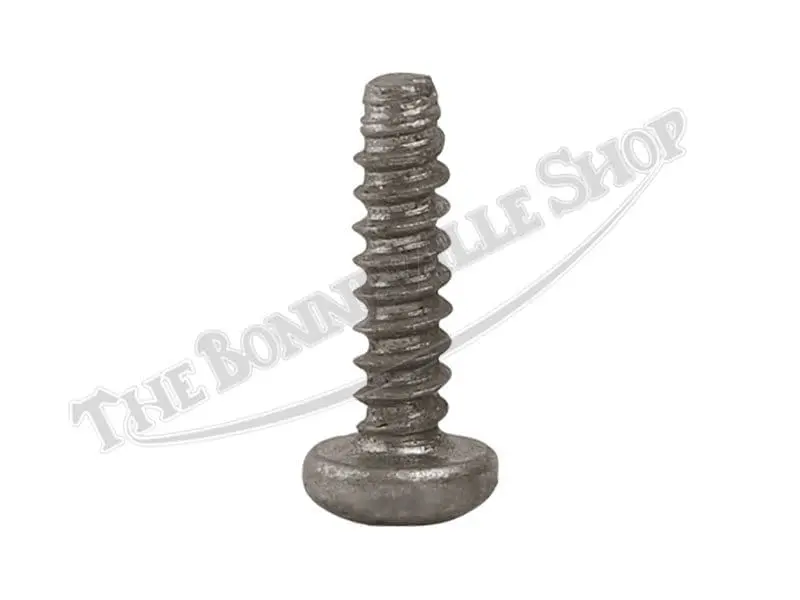
Triumph BSA 650 750 Rear Brake Light Switch Screw(s) 1971-75 PN# 60-3550 D3550
$6.14 – $7.25Price range: $6.14 through $7.25


Triumph BSA 650 750 Ignition Coil Mounting Grommet(s) 1971-83 PN# 82-9561
$11.55 – $24.23Price range: $11.55 through $24.23
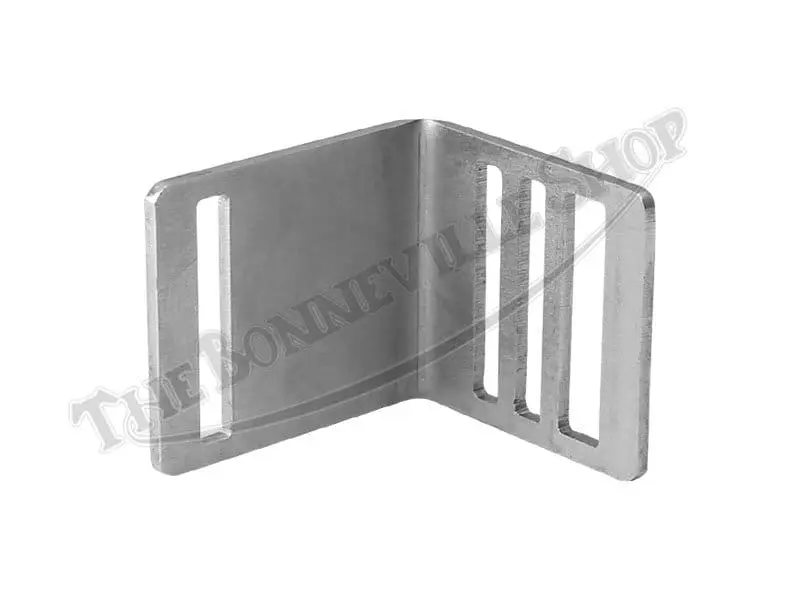
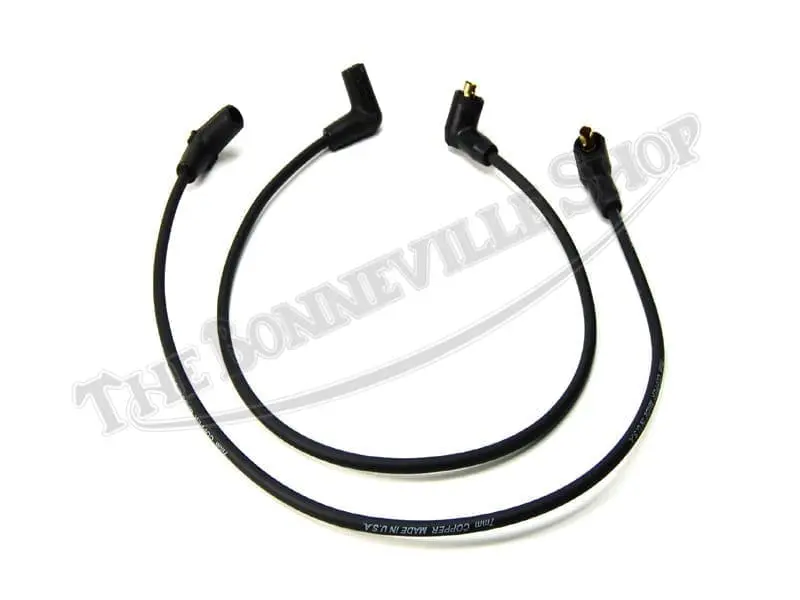
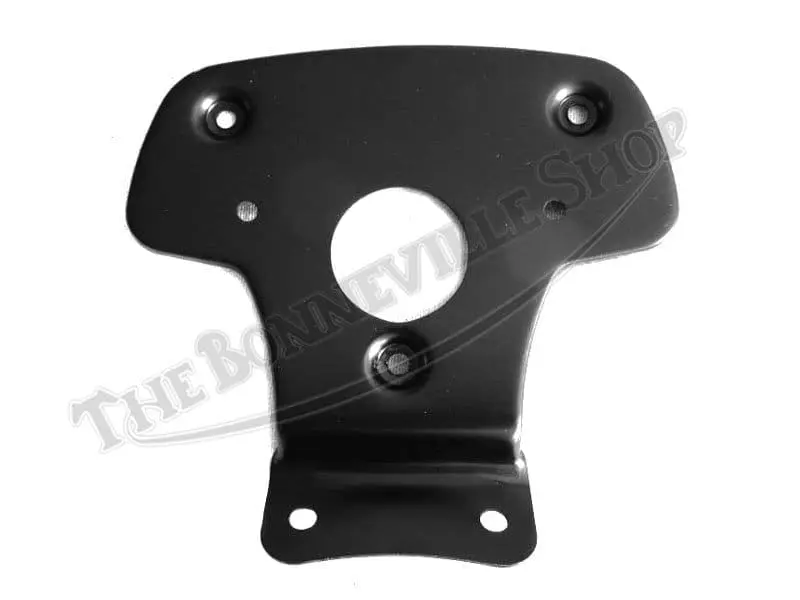
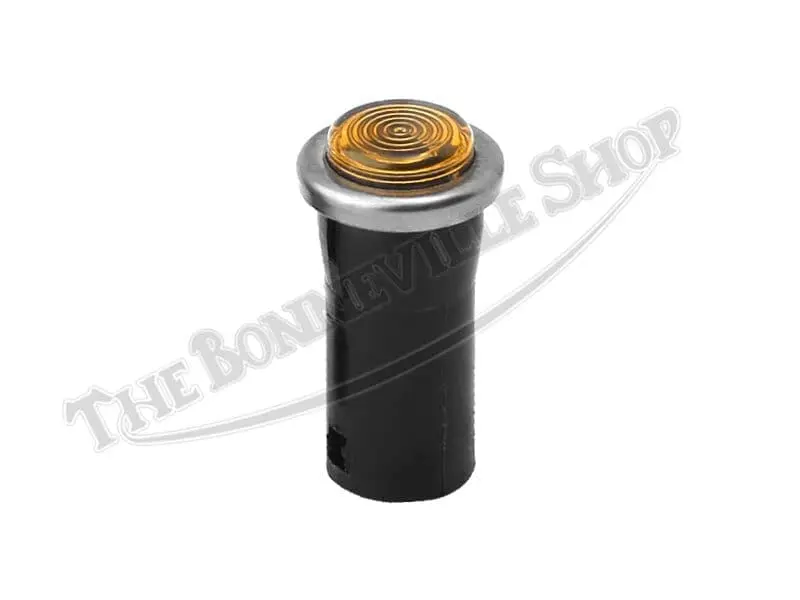
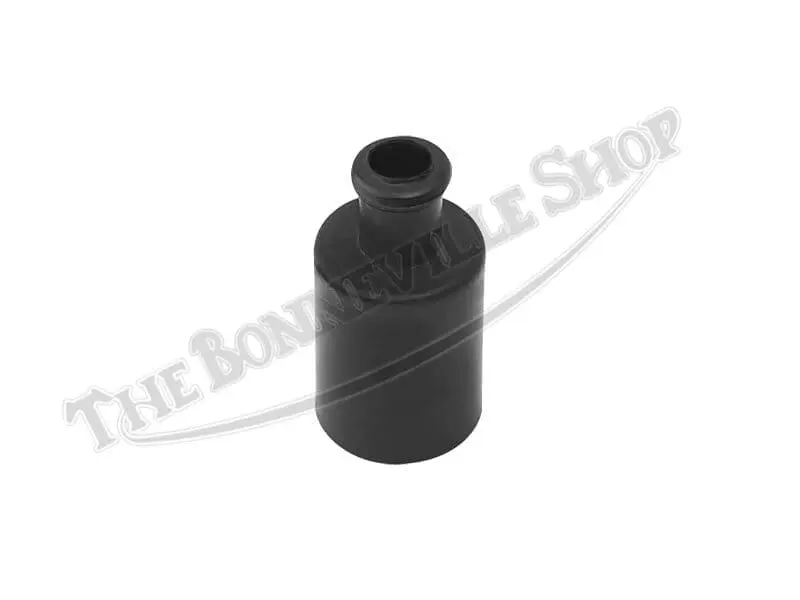
Triumph BSA 500 650 750 etc Alternator Lead Grommet(s) PN# 70-4144 68-0209
$8.29 – $12.34Price range: $8.29 through $12.34



What Makes Vintage Triumph Electrics Different
Triumph changed its electrics in clear stages
| Change | What changed | Why it matters when buying parts |
|---|---|---|
| Pre-unit to 1962 (650) | ||
| 1963–65 unit twins | 6V alternator and coil ignition with 4CA points. | Use 6V bulbs, coils and battery, and 1963–67 condensers. |
| 1966 | Changed to 12V, with a Zener diode, a new rectifier, MA12 coils and two 6V batteries in series (Ride a Bonnie; Cycle World, Jan. 1966). | 6V and 12V parts don’t mix. |
| 1968 | The 6CA points plate replaced the 4CA, with each cylinder’s points independently adjustable (Classic British Spares). The triples used the 7CA (Classic British Spares). | Condensers and points sets differ from earlier bikes. Use the 1968–78 condenser. |
| 1971 | Oil-in-frame models introduced Lucas 169SA console switchgear (39595/39596). It was revised for the 1973 disc-brake models (our Lucas console switchgear history). | Switchgear, harness and headlight shell must all be from the same era. |
| 1975–78 | The 181SA left-hand “clamshell” switch (30707) arrived with the T160, along with a revised right-hand switch carrying a starter button (our switchgear history). The T160 had electric start (Motorcycle Specs). | Use the 181SA-type left switch and the right-hand kill switch. |
| 1979 (T140E/T140D) | Negative earth, a three-phase alternator and Lucas Rita electronic ignition (webBikeWorld). New switchgear (Wikipedia – T140), and electric start from 1980. | A three-phase regulator, the 1979–80 harness and 187SA-type right switchgear. |
Positive earth until 1978
Lucas systems were positive earth, meaning the frame connects to the battery’s positive terminal (Lucas Technical Service (PDF)). Triumph switched to negative earth for 1979 (webBikeWorld). Polarity affects the following parts:
- Zener diode
- rectifier connections
- ammeter reading
- electronic ignition
- capacitor
- some LED bulbs, such as the negative-ground-only 380 LED vs. the either-polarity 380 LED
Twins and triples use different ignition hardware
- Twins use two sets of points and two coils.
- Tridents fire each cylinder separately, with three sets of points (7CA), three coils and three condensers.
- Coils for electronic ignition: the coils must suit the ignition kit. For example, Tri-Spark specifies two 6V coils or one dual-output 12V coil for a unit twin, and three 12V coils, or 6V coils with a ballast resistor, for a triple (Tri-Spark – coils). Our 4V coil set for Boyer on triples shows that each kit has its own requirement.
Zener regulation and the Triumph load budget
The 1966–78 Zener diode clips voltage at about 14.3 V, needs its heat sink, and handles about 100 W (BritSpark). A standard RM21 stator gives about 120 W, mostly at higher rpm (Rex’s Speed Shop (PDF)). Halogen headlights and modern accessories use up that margin quickly. Common upgrades are a high-output RM23 stator with a Podtronics single-phase regulator, or the 200 W stator and Podtronics kit.
British fuse ratings aren’t American
The Lucas “35 amp” fuse carries 17 A continuously and blows at 35 A. A US-rated 35 A fuse is far too large and won’t protect the harness (MGA Guru; Access Norton). Use the UK-rated 17/35 fuse or the fuse holder with 17/35 fuse.
Competition models ran without batteries
Energy-transfer (ET) ignition ran straight from the alternator, with no battery. Lucas ended it after 1967 for Triumph and BSA (Access Norton – 2MC article). ET bikes need 3ET-type energy-transfer coils. Battery/coil bikes can run without a battery using a 2MC-type capacitor or a Podtronics battery eliminator.
Making Triumph Electrics Work Together: The Key Checks
- Year and model. Use the engine and frame numbers, and get the Triumph manual and wiring diagram for that exact year. Triumph’s 1963, 1966, 1968, 1971 and 1979 changes all affect parts choices.
- Earth polarity. Positive earth to 1978, negative earth from 1979, unless a previous owner converted the bike. Every polarity-sensitive part must match: Zener, regulator, ignition kit, LEDs, ammeter and capacitor.
- System voltage. Unit twins were 6V before 1966 and 12V from 1966. Bulbs, coils, battery, horn, flasher and regulator must all be the same voltage.
- Alternator type vs. regulator. A 6V three-wire stator (such as the Sparx 47204 type), a 12V two-wire single-phase stator (such as the 47205 type), and the 1979-on three-phase stator each need their own regulator. Pair single-phase stators with a single-phase Podtronics or Lucas SPR120W, and three-phase stators with the 3-phase Podtronics. If you fit a combined regulator/rectifier, disconnect the Zener.
- Output vs. load. Add up the headlight, taillight and accessory loads, and compare the total to the stator’s output.
- Ignition, coils and condensers.
- Points: match the plate (4CA, 6CA, 7CA or 10CA) and the condenser to the year.
- Electronic: use the coil voltage and resistance the kit maker specifies. Don’t keep the old coils unless the instructions allow it.
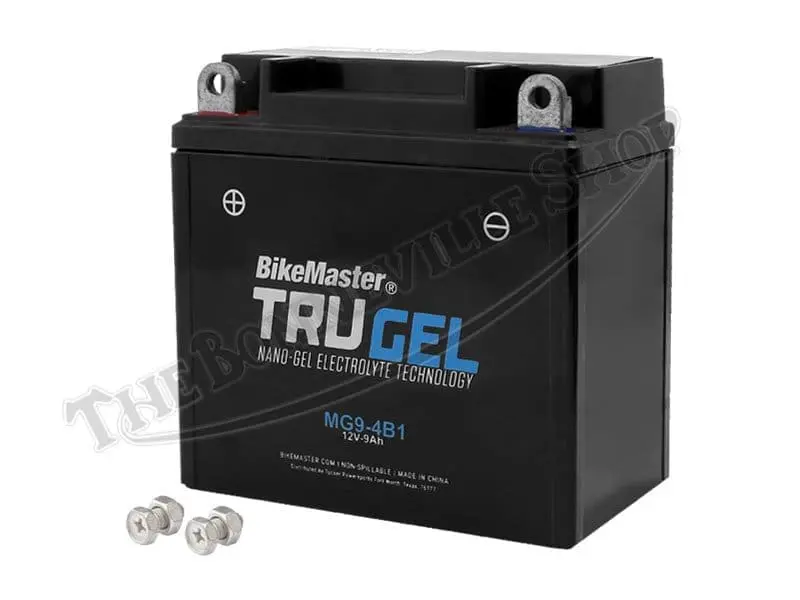
- Battery vs. charging. A sealed AGM or gel battery, such as the Trugel MG9-4B1 or BS AGM, needs a properly regulated charging voltage. Check it with a meter after any change. A capacitor only replaces the battery if your ignition and regulator support it.
- Switchgear vs. harness. The 88SA switches (mid-1960s), 169SA consoles (1971–74), 181SA (1975–78) and 187SA-type switchgear (1979–82) each use different wiring. Buy the harness for your exact year, for example 1963–64, 1968, 1971–72 or 1979–80.
- Connectors. Use Lucas-type bullets, sleeves and T140 multi-pin plugs, so the new parts plug into the original harness.
- Fuse, bulbs and gauges.
- Fuse: use the 17/35 British rating.
- Bulbs: match the base, voltage and polarity, such as BPF, BA15d, BA9s or BA7s.
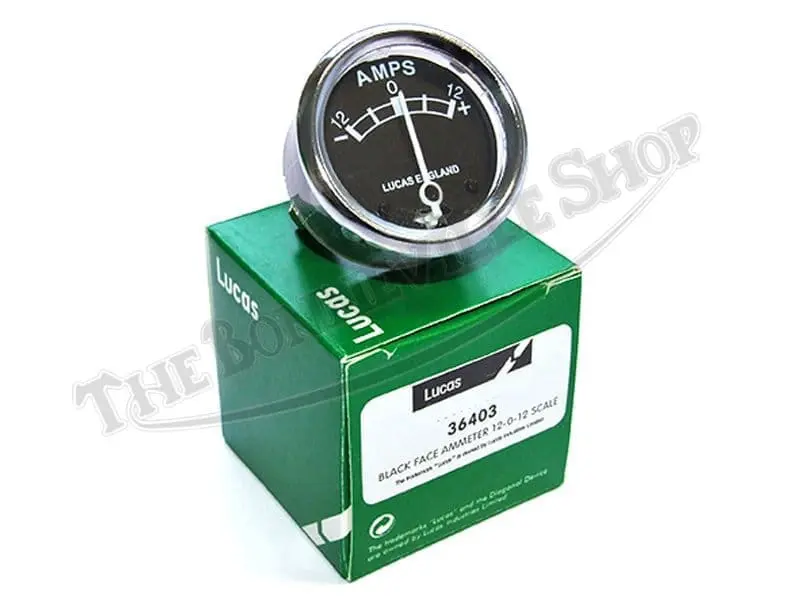
- Ammeter: match the range to the system, 8-0-8 or 12-0-12.
- Flasher: fit an LED-compatible relay if you switch to LED indicators.
Shop by System
Ignition: points, coils and condensers
- Points: genuine Lucas 6CA-type points, Lucas-type points and 1973–78 points (60600271)
- Advance parts: auto-advance springs, the UNF advance bolt (1970 on) and the CEI advance bolt
- Condensers: 1963–67 and 1968–78
- Coils: 6V 40 mm coil, 12V 40 mm coil and 12V dual-lead coil
- Coil mounting: coil bracket, T140/TR7 coil tray 1976–79 and coil grommets 1971–83
Electronic ignition
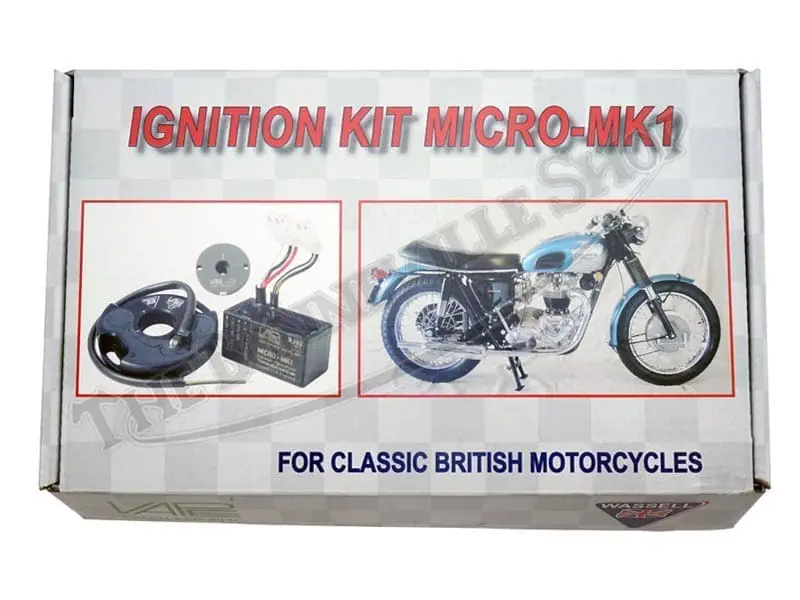
- Twins: Tri-Spark for twins and singles, Tri-Spark with coils, Pazon Sure-Fire PA2, Sparx and Wassell Vape with coils
- Triples: Tri-Spark for T150/T160
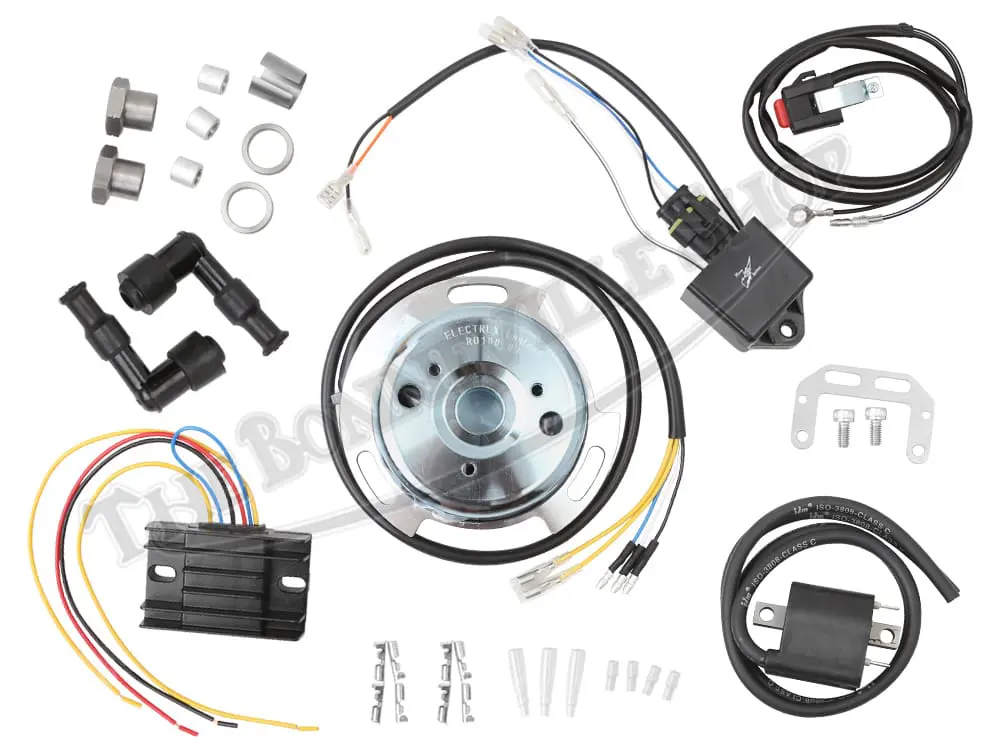
- Ignition with charging: Electrex World CDI/alternator kit, replacing ignition and charging together
- Magneto conversion: Lucas K2F housing for electronic conversion
- Shop all electronic ignitions, and see our ignition diagnostics guide and Tri-Spark timing guide.
Charging, regulators and batteries
- Stators: RM23 high-output, Sparx 12V 47205-type and Sparx 6V 47204-type
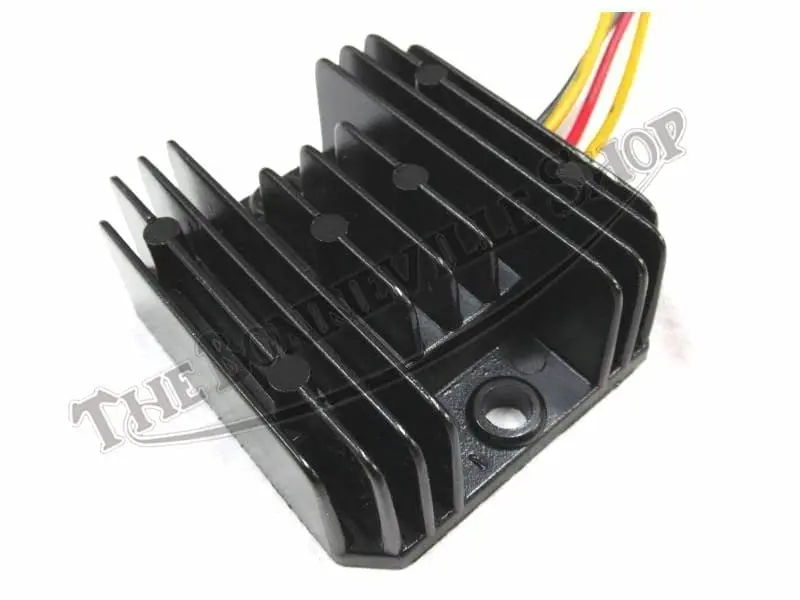
- Zener and rectifier: Zener-type regulator/rectifier on heat sink and solid-state rectifier
- Combined regulator/rectifiers:
- Podtronics: single-phase, 16 A / 200 W and 3-phase
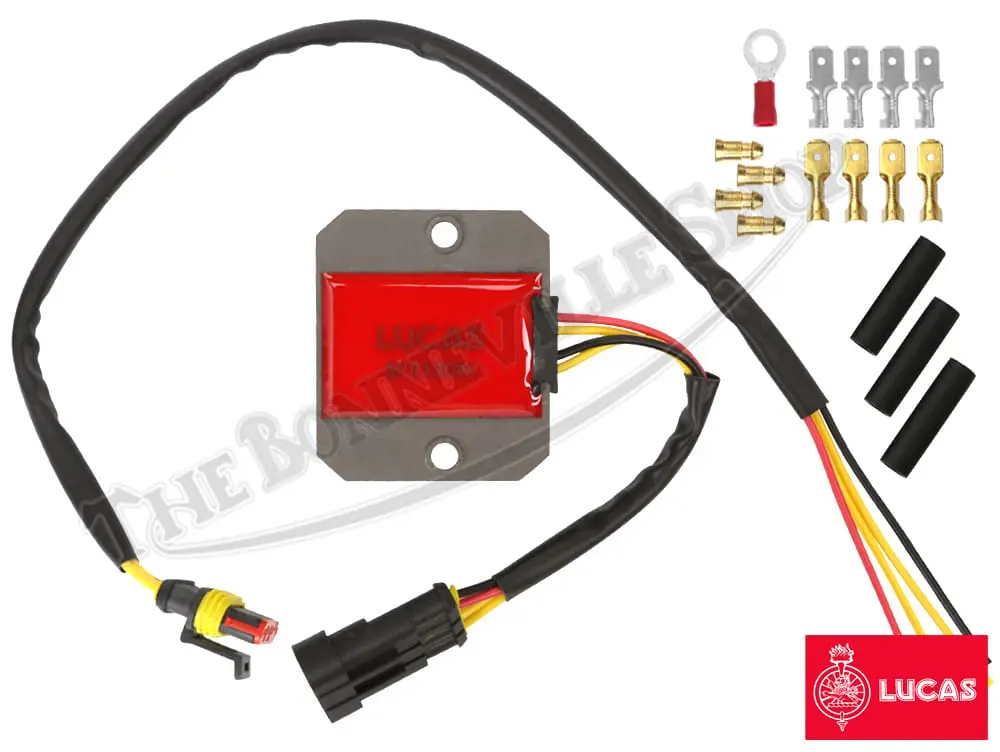
- Others: Tri-Spark MOSFET 20 A, Tympanium, Lucas SPR120W and Boyer Power Box
- 6V positive earth: 6V regulator
- Batteries and battery eliminators: Trugel MG9-4B1, BS AGM, the 2MC-type capacitor and the 1971–76 battery strap
- Shop all charging system parts and regulators & rectifiers.
Switches and keys
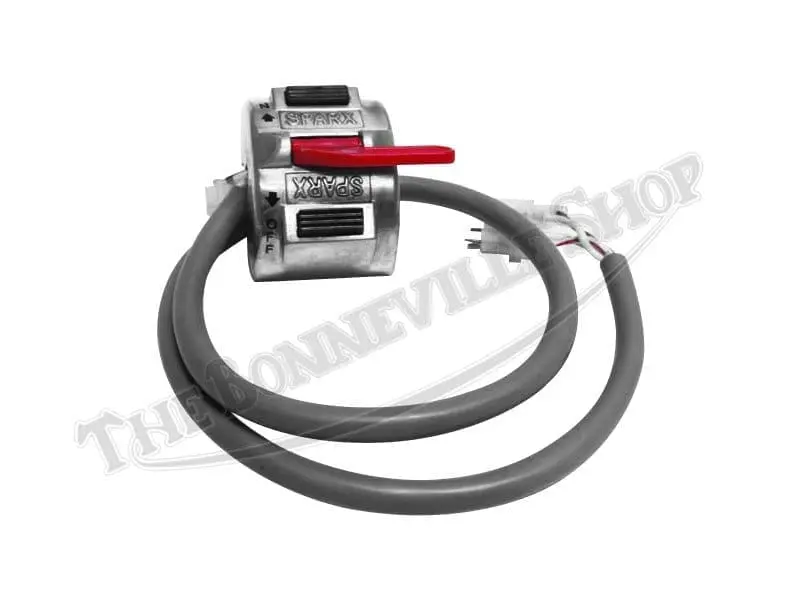
- Console switchgear: 169SA left, 169SA right, 181SA left 1976–78, right-hand kill switch and T140E/T140D right switchgear 1979–82
- Handlebar dip/horn switches: Lucas 31563 premium UK, 31563 with clip and Miller-type dip and horn
- Mid-1960s 88SA: lighting switch, ignition switch, 88SA key and 88SA retainer clip
- Ignition and lighting switches: ignition switch 30608, barrel and keys, FS key blanks, Lucas 41SA light switch and Lucas 31788 headlight switch
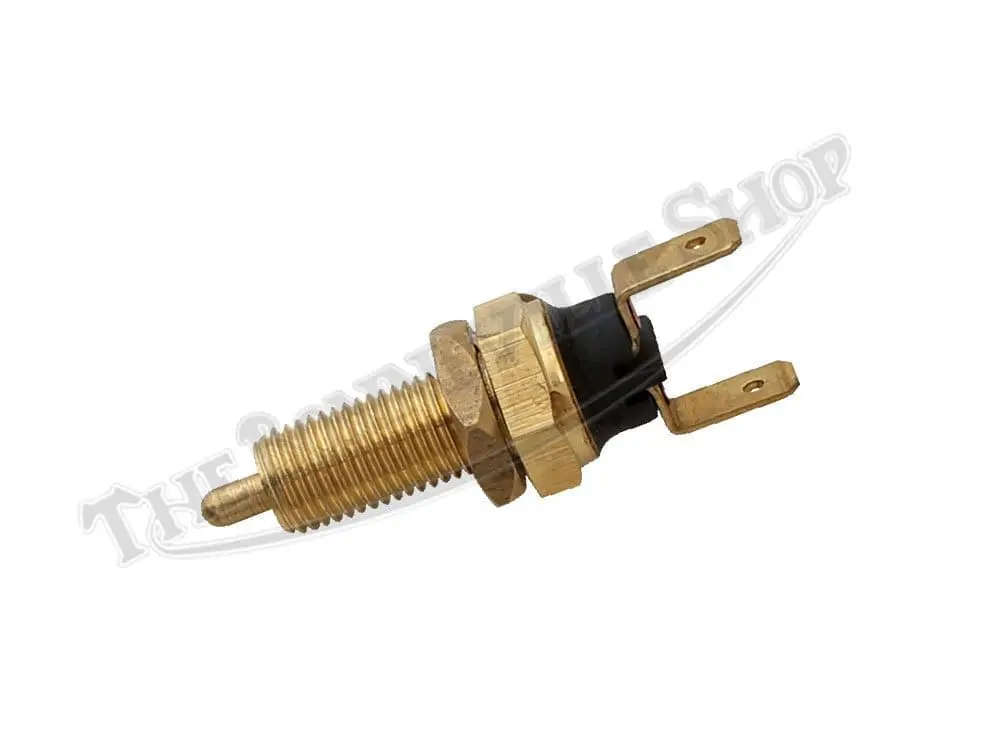
- Brake light and neutral switches: rear brake light switch kit, pre-unit brake switch, front hydraulic brake switch and neutral switch 147SA
- Shop all switches.
Wiring harnesses and connectors
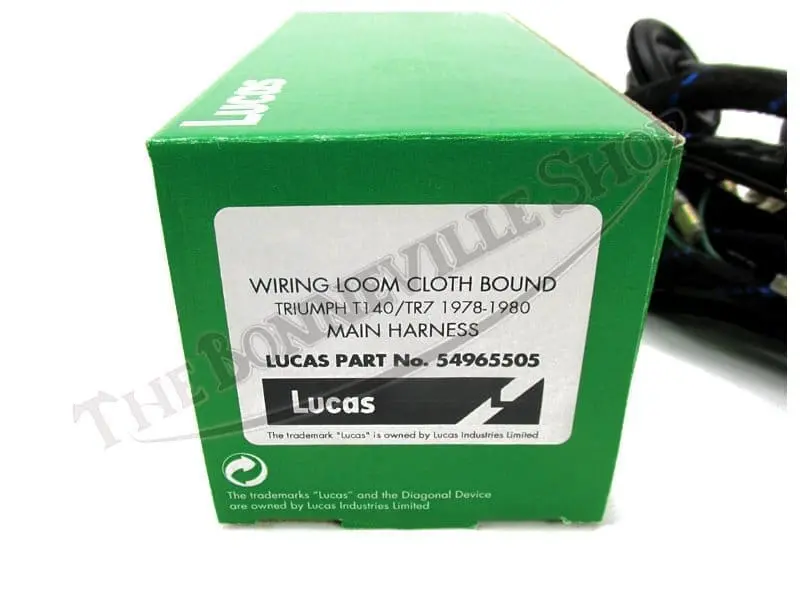
- Cloth harnesses: 1963–64, 1966–67 competition, 1968, 1971–72, 1979–80 T140E and genuine Lucas 1979–80
- Tail light harnesses: 30-inch and 36-inch
- Connectors: bullet connectors, triple sleeve, 5-way sleeve, and multi-pin plugs (2-pin, 4-pin and 6-pin)
- Grommets: alternator lead grommet and frame and headlight grommet
- Tools: bullet closing tool and ratcheting crimper
- Shop all wiring harnesses, connectors and British Wiring products.
Headlights, tail lights, indicators and bulbs
- Headlight shells and assemblies: 1968–70 genuine Lucas shell and rim, 1971–72 flat-back shell, Trident 1968–70 flat-back shell, SSU700 replica with ammeter and T140/T160 headlamp spacer
- Headlight units and halogen kits: 7-inch halogen kit, 5-3/4-inch halogen kit for TR6C/T100C, 5-3/4-inch with pilot light, 446 QH halogen upgrade and 5-3/4-inch trim ring
- Headlight bulbs: genuine Lucas 446 50/40 W, genuine Lucas BPF LED and BPF LED, either polarity
- Tail lights: L917 (T140/T150/T160), genuine Lucas L917 lens, 750 tail lamp housing 1973–82, Lucas 679 “beehive”, L564 and 1967–70 tail light bracket
- Indicators and warning lights: genuine Lucas turn signals, Lucas-type turn signals, green and amber warning lights
- Bulbs: 380 stop/tail for L917, genuine Lucas 380, 6V 384, 281 BA7S warning bulbs and 989 LED instrument bulb
- Shop all lighting, LED bulbs, halogen bulbs and incandescent bulbs, and see our LED troubleshooting guide.
Ammeters, fuses, plugs and leads
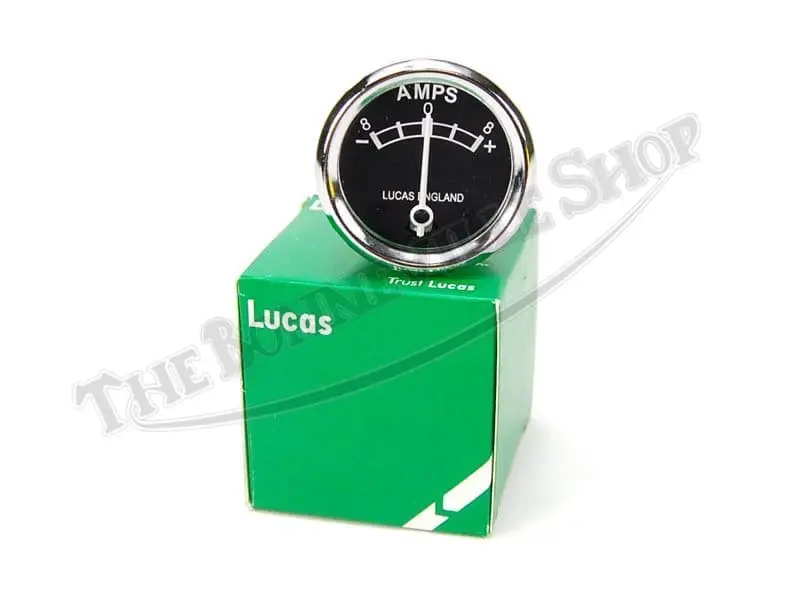
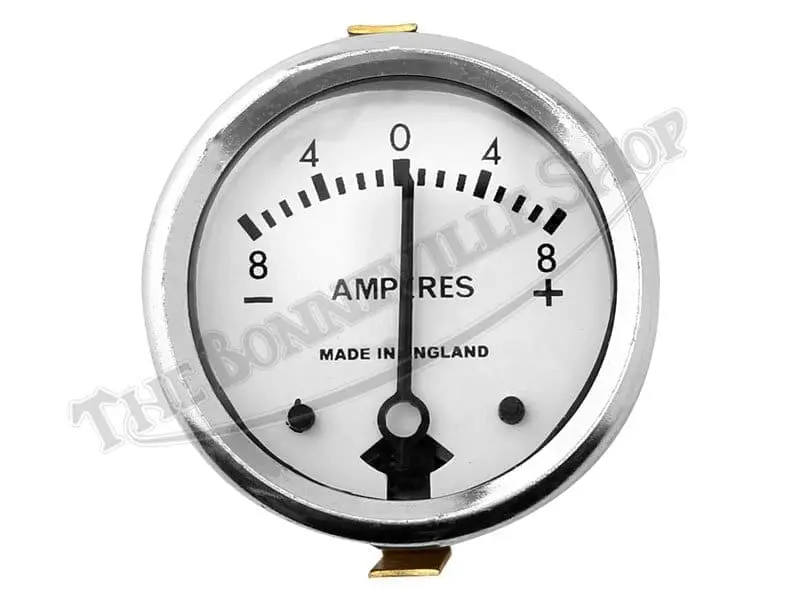
- Ammeters: genuine Lucas 12-0-12 and genuine Lucas 8-0-8
- Fuses: 17/35 fuse and fuse holder
- Spark plugs: Champion N3C, N4C and NGK BPR6ES
- Plug caps and leads: Champion 10-ohm resistor caps, OIF 24-inch plug leads and cloth HT leads
- Shop all spark plugs & leads and Triumph instruments.
Installation and Usage Tips
- Before you start. Note the polarity and disconnect the earth terminal first. On positive-earth bikes, that’s the positive terminal. Reconnect it last.
- Zener diode. Mount it on a clean, bare heat sink in the airflow, with a good earth to the frame. If you fit a combined regulator/rectifier, disconnect the Zener (Access Norton).
- Points. Set the gap, then the static timing, and then check with a strobe. 6CA and 7CA plates allow each cylinder to be timed separately. Replace the condenser whenever you replace the points.
- Electronic ignition. Follow the kit maker’s instructions for coil choice, wiring and timing. Keep wiring clear of the HT leads, and use the plug caps or leads the kit maker recommends.
- Harness. Lay the old harness next to the new one before removing anything, and transfer wires one at a time. Clean every earth point to bare metal.
- Switchgear. 169SA switches aren’t waterproof, and their kill-switch contacts corrode, so clean and grease them (our switchgear history).
- Charging check. After any change, measure battery voltage at idle and at about 3,000 rpm with the lights on. It should rise above the resting voltage without going above the regulator’s set point.
- Lighting upgrades. Check polarity before fitting LEDs, and fit an LED-compatible flasher relay when switching indicators to LED.
- Fuses. Fit a fuse in the main battery lead and use the British 17/35 rating.
- Tools. Use a proper bullet closing tool and ratcheting crimper. Browse more electrical tools.
Related Categories
Electrical Parts hub · Electronic ignitions · Points ignitions · Ignition coils · Charging system · Regulators & rectifiers · Batteries · Wiring harnesses · Switches · Lighting · Triumph instruments · Triumph engine · Triumph manuals · Vintage Triumph parts · BSA electrical · Norton electrical
Brands: Lucas · Boyer Bransden · Tri-Spark · Podtronics · Sparx · Wassell · Electrex World · Champion · Tricor · British Wiring
Further Reading (external)
- Ride a Bonnie – 1966 Bonneville 12V changes
- Classic British Spares – Lucas 6CA points upgrade
- webBikeWorld – 1979 Bonneville negative earth and 3-phase alternator
- BritSpark – regulators, rectifiers and alternators
- BritSpark – Lucas wiring
- Tri-Spark – choosing coils
- MGA Guru – Lucas slow-blow fuse ratings
- Classic British Spares – Lucas wiring color key
Vintage Triumph Electrical FAQs
Is my Triumph positive or negative earth?
Triumphs were positive earth through the 1978 models and negative earth from 1979 (T140E/T140D). Check which battery terminal connects to the frame, since some bikes have been converted.
Is my Triumph 6V or 12V?
Unit-construction twins were 6V through 1965 and changed to 12V for 1966. Pre-unit dynamo bikes are 6V. Check the battery, the bulb markings and the coils.
What changed in Triumph electrics in 1979?
The T140E and T140D moved to negative earth, a three-phase alternator and Lucas Rita electronic ignition, with new switchgear. Electric start followed in 1980.
Which points plate does my Triumph use?
Twins used the 4CA plate from 1963 to 1967, then the 6CA from 1968, and the 10CA on 1973–78 750s. Trident triples used the 7CA. The 6CA can upgrade 1963–67 twins.
Which condenser do I need?
Condensers for 1963–67 (425377) differ from those for 1968 on (54420128). Match the condenser to your points plate.
Which electronic ignition is best for my Triumph twin?
Boyer, Pazon, Tri-Spark, Sparx and Wassell Vape all fit unit twins. Triples need a three-cylinder kit, such as the Tri-Spark T150/T160 kit. Choose by polarity, voltage, coil requirements and whether you want features such as a rev limiter or battery-less running.
Can I keep my original coils with electronic ignition?
Only if the kit maker allows it. Each kit specifies coil voltage and resistance, for example two 6V coils, one dual-output 12V coil, or three coils for a triple.
Do I still need the Zener diode?
Yes, unless you fit a combined regulator/rectifier such as Podtronics or the Tri-Spark MOSFET, which replaces both the Zener and the rectifier. Disconnect the Zener when you fit one.
Single-phase or three-phase regulator?
Match it to the stator. 1966–78 two-wire stators are single phase, and 1979-on T140 stators are three phase. A single-phase regulator won’t regulate a three-phase stator correctly.
Will an upgraded stator help my lights?
Yes, if your loads exceed what the standard stator delivers at low rpm. A high-output RM23 or a 200 W stator-and-regulator kit gives more margin, especially with halogen lights.
Which switchgear fits my Triumph?
Mid-1960s bikes used 88SA ignition and lighting switches. 1971–74 oil-in-frame models used 169SA consoles, and 1975–78 models used the 181SA left switch. 1979–82 T140s used 187SA-type switchgear. The harness must match.
What fuse should I use?
Use a British 17/35 fuse, which carries 17 A continuously and blows at 35 A. A US 35 A fuse is far too large to protect the harness.
Do LED bulbs work on positive-earth Triumphs?
Some do. Choose LEDs labeled for positive or either polarity, and fit an LED-compatible flasher relay if you change the indicators.
Which battery should I use?
A sealed AGM or gel battery of the original size, such as a 12N9-4B-1 replacement, suits most 12V Triumphs. It needs regulated charging. Lithium batteries need especially tight voltage control, so check your charging system first.
Can I run my Triumph without a battery?
Competition ET models were built without one. Battery/coil bikes can use a 2MC-type capacitor or a battery eliminator, if your ignition and regulator support it.