
By Mike Grage, Technical and Customer Support at The Bonneville Shop and British Iron.
Table of Contents
The Chrome of Before – Real Chrome
Where’s the real chrome? I remember a line in the movie Mad Max: Fury Road “…You shall ride eternal. Shiny, and chrome!”, and then the silver paint is sprayed into the guy’s mouth. That silver paint might be the near future for motorcyclists and gearheads (petrolheads) like me thanks to government bans.
When I started riding motorcycles on the street in 1983 just about every exhaust pipe for American and British motorcycles on the market was triple chrome plated (aka-show chrome), meaning it was plated in copper and then nickel before the chrome was applied. These pipes would experience “bluing” by the exhaust port that turned into a rainbow discoloration in the first few inches after the exhaust port. Some complained about the bluing, some of us accepted it.
At that time, manufacturers of budget parts used duplex nickel chrome plating (aka-street chrome). It cost less and the difference can be seen in the finish and the bluing. The bluing on duplex nickel chromed exhaust pipes tends to have a more burnt appearance, these were the pipes I used for high performance applications because triple chrome plated pipes were too pretty to butcher to the correct tuned length. Duplex nickel chrome plating was also commonly used in aluminum cylinder bores (with low drag piston rings) in place of iron sleeves by some of Japanese and European engine manufacturers.
Legislative Changes
“Then in 2021, California put a ban on new hexavalent chroming facilities and existing hexavalent chromium plating will be banned by 2023.”
Both of those chrome plating methods are hexavalent chromium methods. The European Union placed a ban on the chemicals used in hexavalent processes September 21, 2017 and forced the plating companies to stop hexavalent chroming by January 2019. Then in 2021, California put a ban on new hexavalent chroming facilities and existing hexavalent chromium plating will be banned by 2023. Those and other bans and regulations on protective coating materials in both places lead me to believe both locations will look like barn find motorcycles that have been under a tarp since the 1960s within the next couple of decades.
Many of us have noticed the decline in chrome quality when many vehicle manufacturers opted for duplex nickel on chrome plated parts in the 1970s and 1980s to keep costs down. It turns out that wasn’t so bad compared to trivalent chroming. The supposedly environmentally friendly process of trivalent chroming produces a much duller appearance and does not have a bluing effect like real chrome.
Trivalent Chrome
Another problem is that trivalent chromium is softer, so it doesn’t last as long. People who have bought motorcycle head pipes manufactured after 2017 (or a new motorcycle) will notice the pipes turn a brown/gold color up by the exhaust ports instead of blue like hexavalent chromium. The only advantage is the variety of colors, like black chrome.
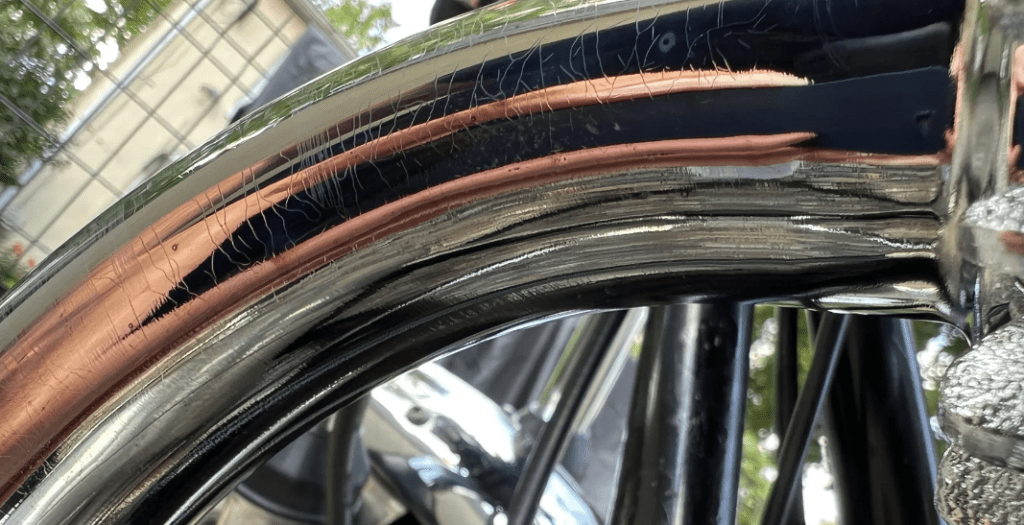
“Many of us have noticed the decline in chrome quality when many vehicle manufacturers opted for duplex nickel on chrome plated parts in the 1970s and 1980s to keep costs down. It turns out that wasn’t so bad compared to trivalent chroming.”
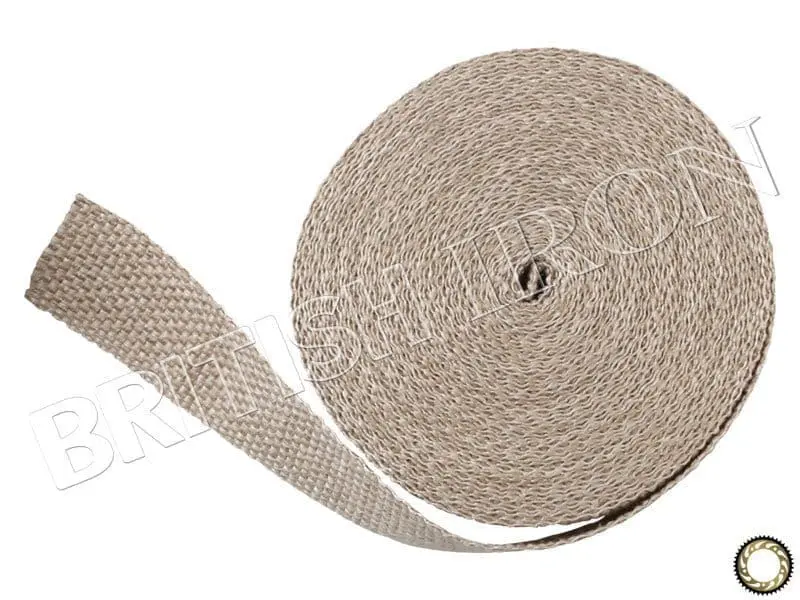
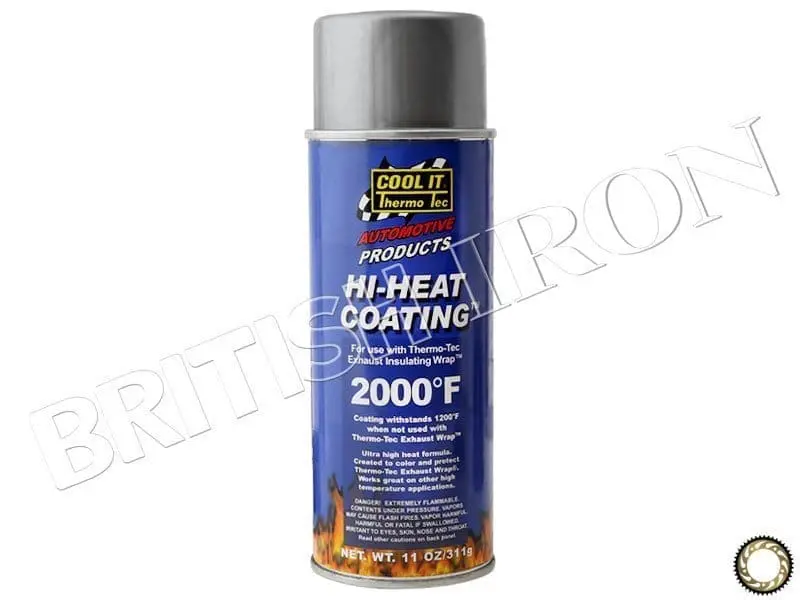
The fact is trivalent chromium will never have the look and durability of hexavalent chromium and the deep luster we love is lost to history. It is sad that we must bid farewell to real chrome thanks to various environmental groups and government agencies. Looks like using exhaust tape and sealant (Modern British Iron PN# MBI-530674 & MBI-12002) and polishing side covers will be the new normal. We all know chrome won’t get you home, but it makes the world look so much better.
Frequently Asked Questions
What is “real chrome” on motorcycle parts?
Real chrome refers to traditional hexavalent chromium plating, which produces the deep, clear blue-sheen luster classic British bikes are known for. Both hard chrome and decorative chrome processes historically used hexavalent methods. Modern trivalent chromium lacks that same look and durability.
Why is real chrome disappearing?
The European Union banned the chemicals used in hexavalent processes in September 2017 and required plating companies to stop by January 2019. California banned new hexavalent chroming facilities in 2021 and existing ones by 2023. These environmental regulations effectively ended traditional real chrome plating in those regions.
What is the difference between hexavalent and trivalent chrome?
Hexavalent chromium delivers the classic deep luster and superior durability. Trivalent chromium is more grayish and smoky in appearance and does not match the look or longevity of traditional hexavalent plating. Many modern reproduction parts now use trivalent processes due to the bans.
How does the chrome ban affect vintage Triumph, Norton, and BSA parts?
Reproduction chrome parts (exhaust, fenders, rims, hardware, pushrod tubes, etc.) increasingly use trivalent plating and will not match original hexavalent finishes in color or longevity. Product listings on The Bonneville Shop often note this variation. Browse chrome parts in our shop.
Can I still get hexavalent chrome plating?
In the EU and California, traditional hexavalent plating is banned or severely restricted. Availability is limited elsewhere and continues to decline due to environmental regulations. Many owners are turning to remaining original parts or accepting trivalent finishes.
Why did chrome quality decline even before the bans?
In the 1970s and 1980s many manufacturers switched to duplex nickel under chrome plating to reduce costs. This already produced thinner, less durable chrome compared with earlier processes, contributing to earlier crazing and rust on many bikes.
What does chrome crazing look like?
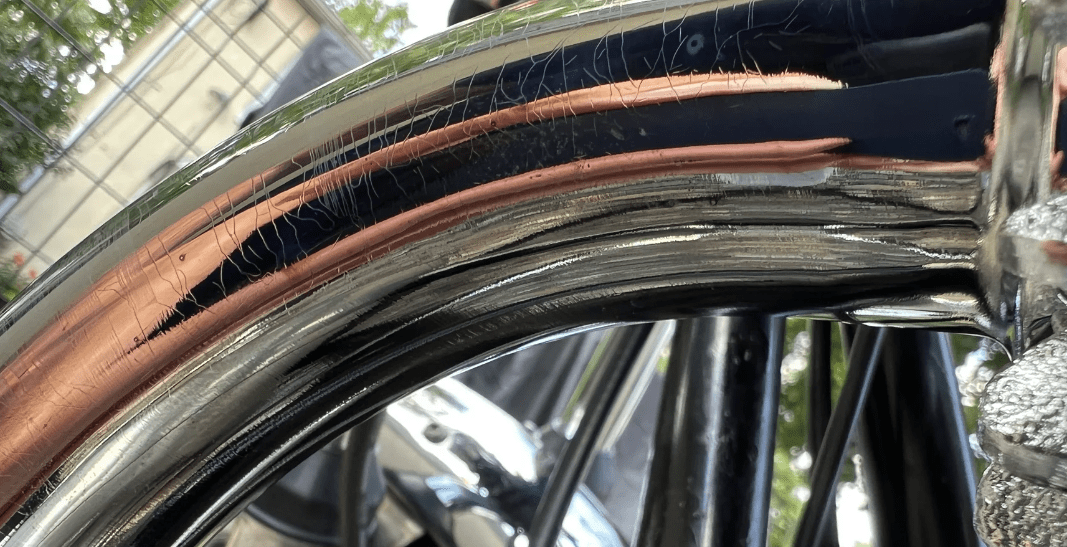
Crazing appears as a network of fine cracks in the chrome plating, often visible on older exhaust, rims, or brightwork. It is a common failure mode of chrome plating over time, especially when the underlying nickel or copper layers are thin or compromised. The article features images of this condition.
Are there alternatives to traditional chrome for restorations?
Options include polishing original remaining chrome, using stainless steel components where available, powder coating, or accepting modern trivalent chrome. Some owners carefully preserve original hexavalent parts. Related brightwork care tips appear in our tech blog.
Does The Bonneville Shop still sell chrome parts?
Yes. We stock a wide range of chrome-plated components for Triumph, Norton, and BSA models, including exhaust, lighting shells, hardware, and engine parts. Listings note when modern trivalent processes may affect appearance. Search our full catalog or specific categories such as Triumph exhaust.
Will trivalent chrome last as long as hexavalent chrome?
No. The article states that trivalent chromium will never match the look or durability of hexavalent chromium. Expect different appearance and potentially shorter service life compared with original-spec real chrome.
How can I protect remaining original chrome on my classic bike?
Keep it clean and dry, apply light protective coatings (such as WD-40 or dedicated chrome protectants) during storage, and avoid abrasive cleaners. Winterizing tips that include chrome protection are covered in our winterizing checklist.
Where can I learn more about chrome and brightwork on British bikes?
Read the full article on A Farewell to Real Chrome and explore related posts in the Chrome tech blog category. For parts, visit The Bonneville Shop’s hardware and exhaust sections.