

The Bonneville Shop supplies new replacement parts for Meriden-built Triumph motorcycles, from pre-unit twins and the Tiger Cub to the 650 Bonneville and TR6, the T140 and TR7 750s, and the T150 and T160 Trident triples. Shop by system below: engine, electrical, carburetor and fuel, brakes, suspension and more. Orders ship free to the lower 48 states, and orders placed by noon Mountain Time on weekdays ship the same day.


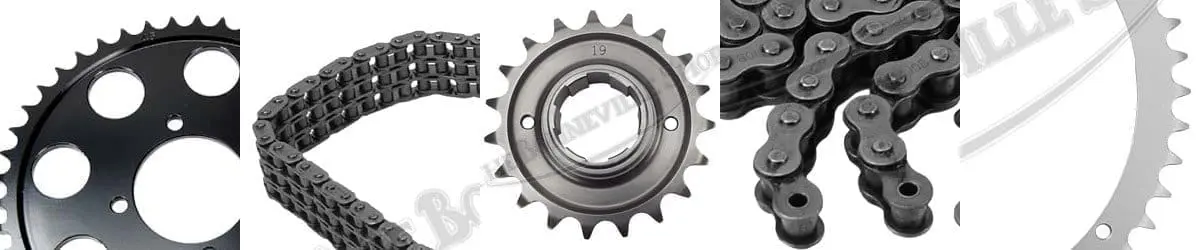

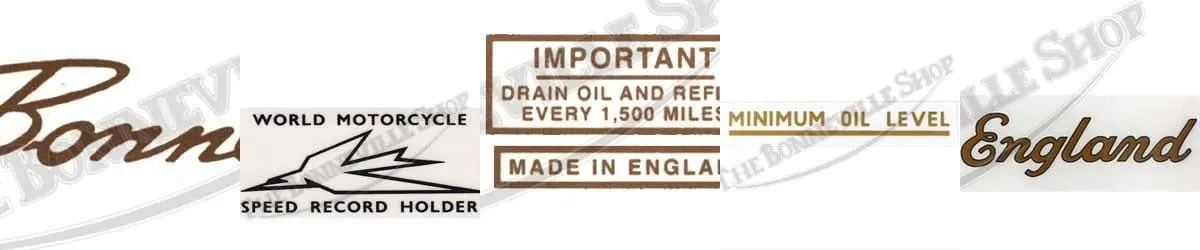


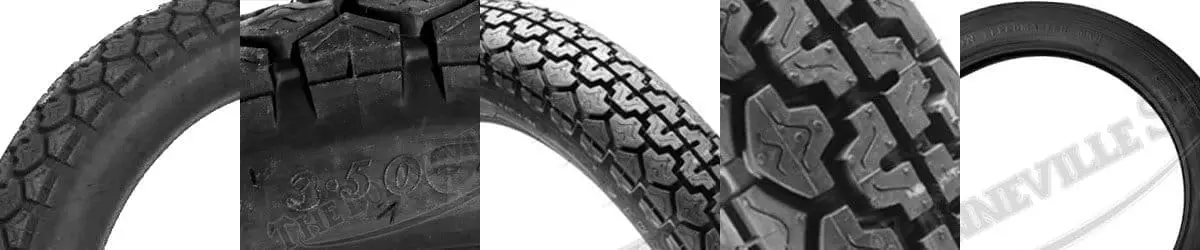

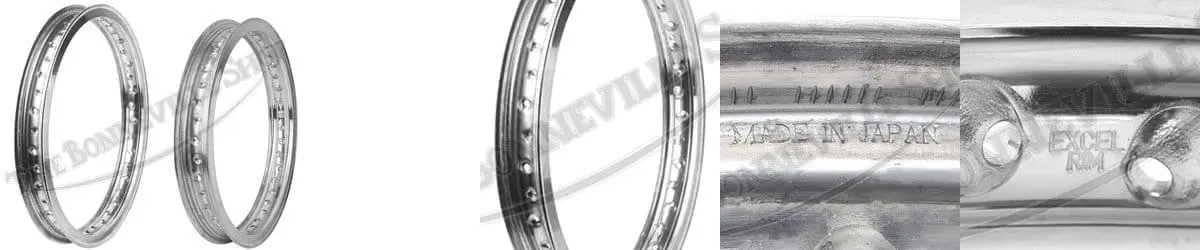
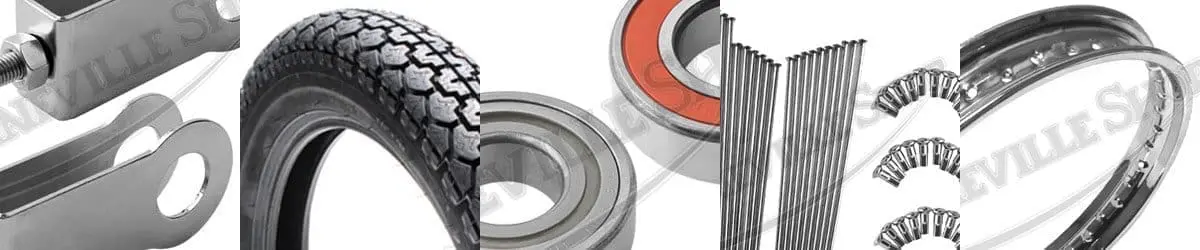


Table of Contents
Shop Vintage Triumph Parts by Category
Find the right part faster by starting with the system you’re working on.
Engine and drivetrain
- Triumph Engine Parts: pistons, rings, valves, guides, camshafts, bearings and top-end parts
- Triumph Gaskets and Seals: engine, primary and gearbox gasket sets and oil seals
- Triumph Clutch and Primary: clutch plates, springs, shock absorber rubbers and primary chains
- Triumph Transmission and Gearbox: gears, shafts, bushes and selector parts for 4- and 5-speed boxes
- Triumph Chains and Sprockets: final-drive chains and gearbox and rear sprockets
- Triumph Oil and Air: oil filters, air filters, oil lines and fittings
- Triumph Exhausts: header pipes, silencers, clamps and mounting hardware
Fuel and electrical
- Triumph Carburetor and Fuel: Amal carburetor parts, manifolds, petrol taps and fuel lines
- Complete Carburetors: ready-to-fit carburetors
- Triumph Electrical: ignition, charging, switches, lighting and wiring harnesses
- Triumph Instruments: speedometers, tachometers, drives and cables
Chassis and running gear
- Triumph Brakes: drum brake shoes, disc calipers, master cylinders, rotors and hoses
- Triumph Suspension, Forks and Shocks: fork stanchions, fork seals, dampers and rear shocks
- Triumph Frame, Body and Trim: frame fittings, side panels, stands and trim
- Triumph Wheels and Tires, Wheel Rims, Alloy Rims, Spoke Sets and Tires
- Triumph Handlebars and Controls: bars, levers, grips, mirrors and switch gear
- Triumph Cables: throttle, clutch, brake and instrument cables
Bodywork and finishing
- Triumph Tanks and Badges: fuel tanks, tank badges, knee grips and fittings
- Triumph Fenders and Mudguards: front and rear fenders and stays
- Triumph Seats: seats, covers and seat hardware
- Triumph Decals: tank, panel and frame decals
- Triumph Rubber Parts: footrest rubbers, grommets, gaiters and mounts
- Triumph Hardware: bolts, studs, nuts and washers in the correct British thread forms
Tools and documentation
- Triumph Service Tools: pullers, holding tools and timing tools
- Triumph Parts Books: factory part numbers and exploded diagrams
- Triumph Manuals: workshop and owner’s manuals
- See also our workshop tools, shop supplies, accessories and clearance
Shop by Triumph Model and Era
Triumph parts often changed with engine construction, frame design and model year, so knowing your bike’s era narrows your search quickly.
| Era | Typical models | Key changes | Helpful links |
| Pre-unit twins, 1938–1962 | 5T Speed Twin, T100 Tiger, 6T Thunderbird, TR6, T110, T120 Bonneville | Separate engine and gearbox. Edward Turner’s 498cc Speed Twin debuted in 1937 (Triumph Motorcycles) | G&S valves, Girling shocks |
| Unit 350/500 twins, 1957–1974 | 3TA, 5TA, T90, T100 Tiger, Daytona | Unit construction arrived in 1957 for the 350 and 1959 for the 500 (webBikeWorld) | How the Tiger 100 became the Daytona, C-range top-end compatibility |
| Unit 650 twins, 1963–1970 | T120 Bonneville, TR6, 6T | Engine and gearbox share one case from 1963 (Wikipedia: Bonneville T120) | Triumph 650 parts diagram, 1970 TR6R build |
| Oil-in-frame 650s, 1971–1973 | T120R, TR6R, TR6C | Frame tubes carry the engine oil in place of a separate tank (Wikipedia: Bonneville T120) | TR6R build, part 2 |
| 750 twins, 1973–1983 | T140V, T140E, T140ES, TR7 Tiger | 750cc engine, five-speed gearbox and front disc brake from 1973 (Wikipedia: Bonneville) | Triumph T140 parts, What is a 1978 Bonneville?, T140 rear rim |
| Triples, 1968–1976 | T150 Trident, T150V, T160 | Launched in 1968 alongside the BSA Rocket 3 (Triumph Owners MCC). The T160 added electric start in 1975 (Motorcycle Classics) | Tri-Spark triples ignition guide, BSA parts |
Many Triumph and BSA parts are shared, especially from 1971 onward, so it’s worth checking our BSA motorcycle parts as well. For Norton owners, see Norton Commando parts.
Shop by Brand
We stock British-made, original-specification and quality reproduction parts from established suppliers, including:
- Carburetors and fuel: Amal
- Electrical and ignition: Lucas, Boyer Bransden, Tri-Spark, Podtronics, Sparx, Electrex World, British Wiring, Champion
- Engine: G&S Valves, Kibblewhite, Hepolite
- Brakes and suspension: Girling, Hagon, Ferodo
- Cables and controls: Venhill, Doherty, Barnett
- Chains: Renold, D.I.D
- Wheels and tires: Central Wheel Components, Excel, Devon Rim Company, Dunlop
- General spares: LF Harris, Wassell, Emgo
Browse all brands.
A Short History of Meriden Triumph Motorcycles
The first production Triumph motorcycle went on sale in Coventry in April 1902 (Triumph Motorcycles). In 1936 Jack Sangster bought the motorcycle business and hired Edward Turner as chief designer. Turner’s 498cc Speed Twin, launched in 1937, set the pattern for Triumph twins for more than 40 years (Triumph Motorcycles timeline; Wikipedia: Edward Turner).
German bombing destroyed the Coventry works in 1940, and production moved to a new factory at Meriden, Warwickshire, in 1942 (Wikipedia: Triumph Engineering). Sangster sold Triumph to BSA in 1951, which made the BSA group the world’s largest motorcycle producer at the time (Wikipedia: BSA).
In 1956 Johnny Allen set a world motorcycle speed record of about 214 mph at Utah’s Bonneville Salt Flats in a Triumph 650-powered streamliner (Motorcycle Classics). Triumph named its new twin-carburetor T120 after the salt flats, and the Bonneville went on sale for 1959 (Triumph Motorcycles). Doug Hele and Bert Hopwood’s three-cylinder Trident followed in 1968 (Triumph Motorcycles; Trident & Rocket 3 Owners Club).
After Norton Villiers Triumph announced Meriden’s closure in 1973, the workers occupied the factory. They restarted production as the Meriden Motorcycle Co-operative in 1975, building T140 Bonnevilles and Tigers until it was liquidated in 1983 (Grace’s Guide; Encyclopedia.com). John Bloor then bought the Triumph name, and the new Hinckley-built Triumphs were launched in 1990 (Grace’s Guide).
How to Order the Correct Triumph Part
- Find your engine and frame numbers. The engine number is stamped on the left side of the crankcase below the cylinder barrel. Its prefix identifies the model and, from 1969, the month and model year of manufacture (Triumph Owners MCC). Our guide Year, Make, Model – What Are You Working On? explains where to look.
- Confirm the model year. Model-year production usually began partway through the previous calendar year (Triumph Owners MCC). The club’s machine record search covers machines built from 1973.
- Use the parts book. Factory part numbers end the guesswork. See why the parts catalog is your most important tool and shop Triumph parts books.
- Check for earlier modifications. Engines, wheels and controls are often swapped over the decades. Read Pattern Parts and Fettling to Perfection before fitting reproduction parts.
- Ask us. Contact our team with your model, year, and engine and frame numbers.
For UK registration and dating certificates, see the Triumph Owners Motor Cycle Club dating service or the Vintage Motor Cycle Club library.
Triumph Tech Library
Written by our technical support team, Dave Porter and Mike Grage. Review our specific vintage Triumph technical blogs.
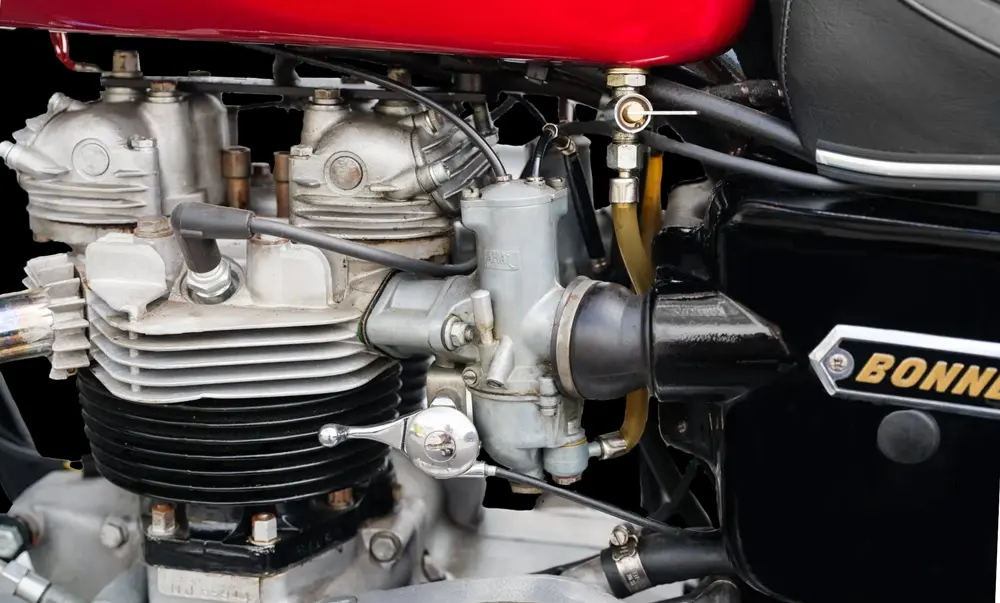
Understanding the Choke on Amal Concentric MK1 Series Carburetors
Amal Concentric MK1 Choke Dave Porter, Customer and Technical Support at the Bonneville Shop Occasionally, the…
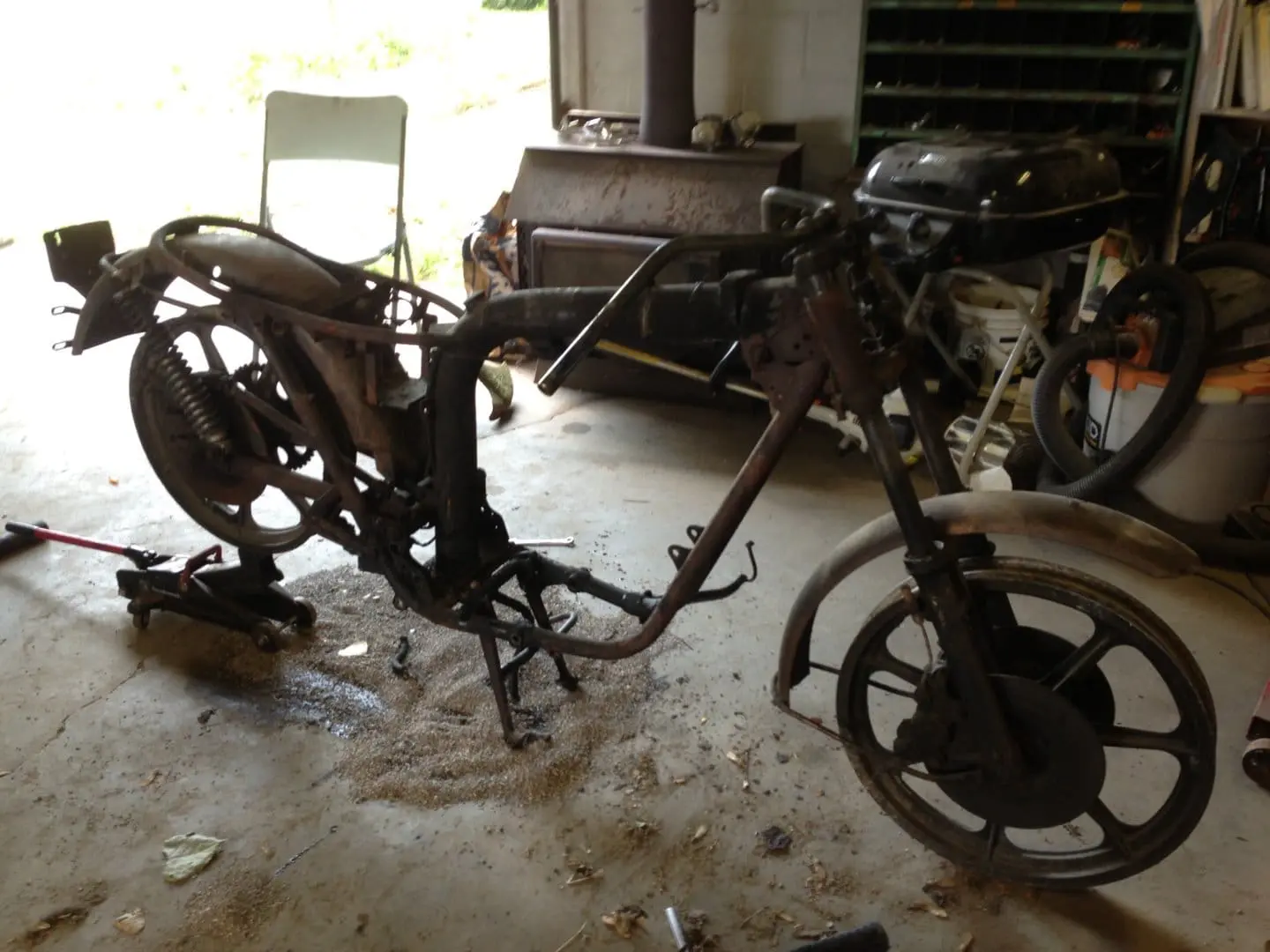
A Guide to British Motorcycle Basket Case Projects
A Guide to Motorcycle Basket Case Dave Porter, Technical and Customer Support at The Bonneville Shop The opportunity to acquire a…
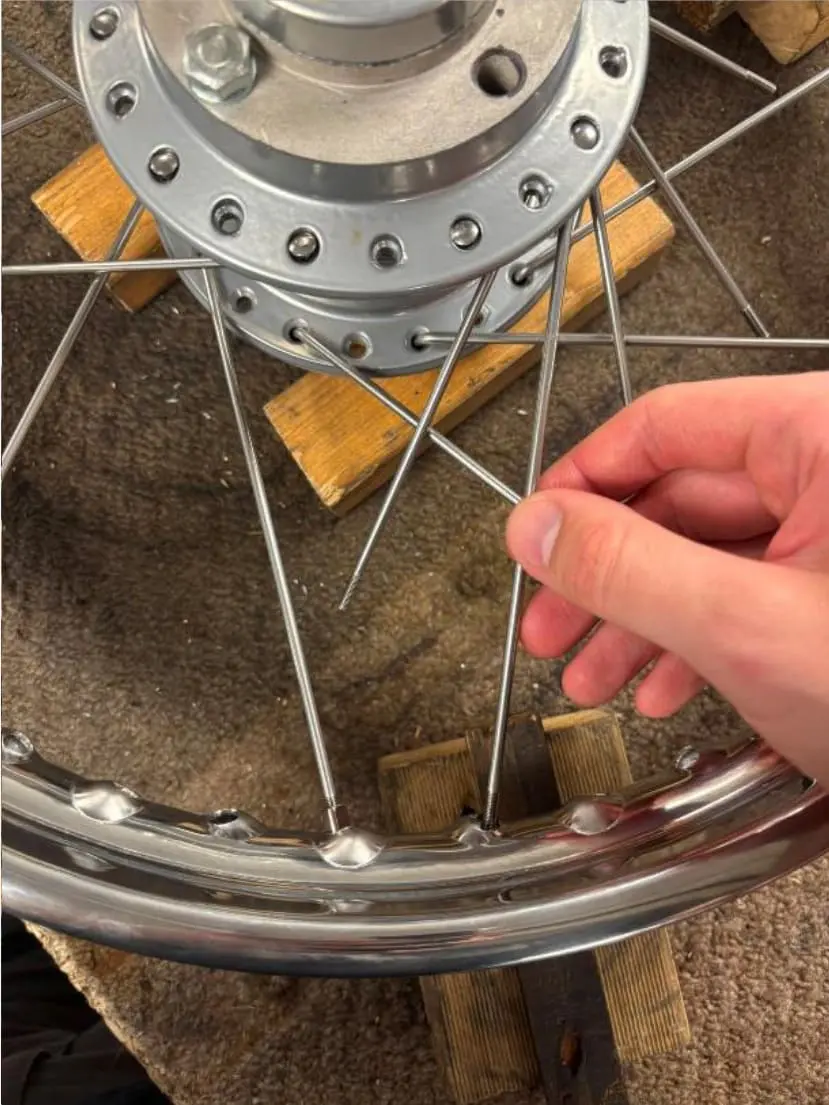
Process Guide: Lacing a Cross 3 Pattern Rear Disc Wheel
Lacing a Cross 3 Pattern Rear Disc Wheel A note about Lacing a Cross 3 Pattern Rear Disc Wheel: Your new…
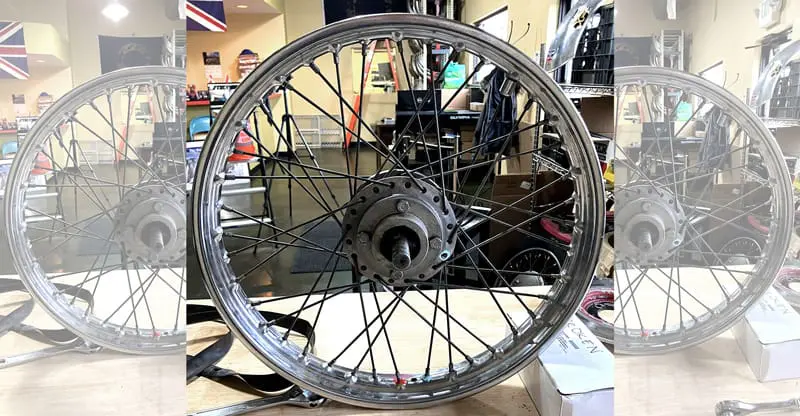
Wheel Building – Starting For Success
Dave Porter, Technical and Customer Support at The Bonneville Shop. Motorcycle Wheel Building One of the more satisfying elements of the…
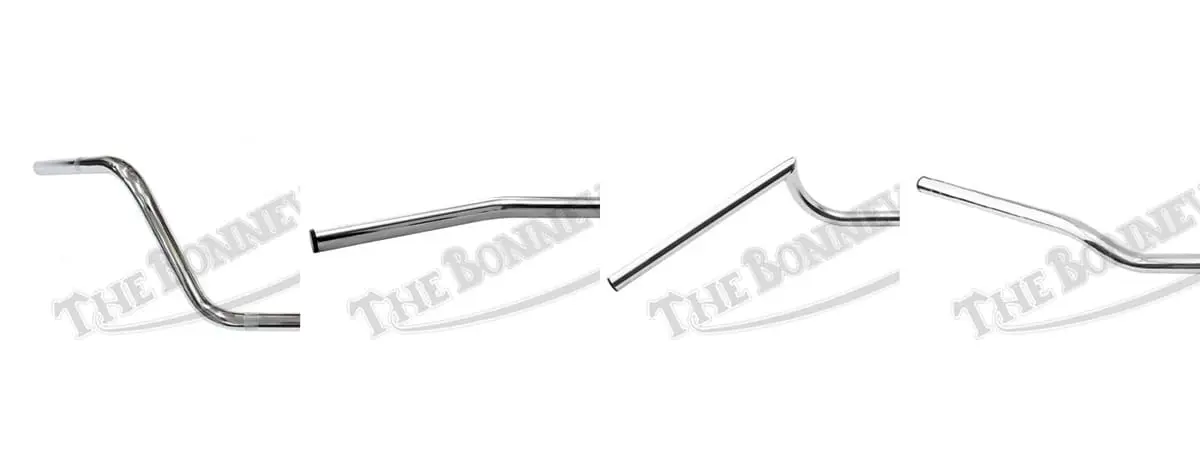
Handlebar Changes and cables
Considerations for Handlebar Changes By Mike Grage, Technical and Customer Support at The Bonneville Shop and British Iron. Most people…

An Overview of the Smith’s BG5330 Speedometer Drive Units
An Overview of the Smith’s BG5330 Speedometer Drive Units By Dave Porter, Technical and Customer Support at The Bonneville Shop …
Engine and top end
- Triumph Top-End Sealing and What the Workshop Manual Doesn’t Explain
- The Conundrum of Triumph C-Range Top-End Compatibility
- Triumph Service Bulletin Twin 9-70: Rotor/Rotor Nut
- Triumph Exhaust System Design
- How to Install New Clutch Rubbers
- Gearbox Sprocket: Tips for a Grooved High Gear Spline
Carburetors and ignition
- Amal Carb Fitment: An Everyman’s Guide
- Understanding the Choke on Amal Concentric MK1 Carburetors
- A Look at the Amal Concentric Floats
- Setting Up Dual Carbs
- Timing Tri-Spark Ignition on Classic Twins
- Electronic Ignition System Diagnostics
Electrical
- Converting Your 6-Volt British Motorcycle to 12 Volts
- Video: About Solid-State Regulators
- A Look at the Lucas 149SA and 47SA Ignition Switches
- Fitting the Lucas 36403 Ammeter
- Using LEDs with Traditional Turn Signal and High Beam Indicators
- BSA and Triumph Oil Pressure Switch Identification
- A Guide to Triumph Headlamp Shells
- An Overview of the Smiths BG5330 Speedometer Drive
Chassis, wheels and controls
- Triumph Service Bulletin 64/1: Eliminating 1964 Fork Oil Leaks
- Fork Damper Sleeve Install: Which Way Do They Go?
- Tips on Fitting the Girling Stainless Floating Brake Disc
- Wheel Building: Starting for Success
- Lacing a Cross 3 Pattern Rear Disc Wheel
- A Brief Guide to Cables
- Considerations for Handlebar Changes
- Classic Triumph Fenders: OEM and Custom Mudguards
Restoration projects
- A Guide to British Motorcycle Basket Case Projects
- The Nuts and Bolts of Hardware
- Application Techniques for Waterslide Decals
- Winterizing Your Classic Brit Bike Checklist
Browse the full Tech Blog or watch our videos on The Bonneville Shop YouTube channel.
Why Buy Vintage Triumph Parts from The Bonneville Shop
- Triumph roots since 2008. Roger Tedds, a British ex-pat, founded The Bonneville Shop in Ventura, California, in 2008. He had learned his trade fixing Triumphs as they came off the Meriden production line (About Us).
- Experienced technical support. Dave Porter and Mike Grage have more than 60 years of combined experience with classic British motorcycles (About Us).
- Free shipping to the lower 48 states, with no minimum order. Standard orders ship by USPS, and expedited shipping is available (Shipping and Returns).
- Same-day shipping for orders received Monday to Friday before noon Mountain Time (Shipping and Returns).
- International orders, including to Canada. Email your parts list and address to orders@thebonnevilleshop.com for a shipping quote.
- 30-day returns on most products. Bearings, service tools, electrical items and clearance “2nd’s” are not returnable (Shipping and Returns).
- Rewards on every order through Frequent Spanner Points.
Vintage Triumph Parts FAQ
Which vintage Triumph models do you sell parts for?
We sell parts for Meriden-built Triumphs, including pre-unit twins such as the Speed Twin, Thunderbird and early T120 Bonneville; unit 350 and 500 twins such as the T100 Tiger and Daytona; unit and oil-in-frame 650s such as the T120 and TR6; the T140 Bonneville and TR7 Tiger 750s; the T150 and T160 Trident triples; and the Tiger Cub.
What is the difference between Meriden and Hinckley Triumphs?
Meriden Triumphs were built at the Meriden, Warwickshire, factory from 1942 until the Meriden Co-operative closed in 1983. Hinckley Triumphs are the modern motorcycles built by Triumph Motorcycles Ltd since 1990. This page covers Meriden-era parts. For Hinckley models, visit our companion site British Iron.
How do I find out what year my Triumph is?
Check the engine number, stamped on the left side of the crankcase below the cylinder barrel, and the frame number. From 1969, the first two letters of the prefix give the month and model year of manufacture. The Triumph Owners MCC frame number tables list number ranges by year.
Do Triumph engine and frame numbers match?
From about 1950, Triumph stamped matching engine and frame numbers at the factory. Between 1937 and 1949 they did not match (Triumph Owners MCC). On a postwar bike, numbers that don’t match usually mean the engine or frame has been replaced.
What is the difference between pre-unit and unit construction Triumphs?
Pre-unit Triumphs have a separate engine and gearbox. Unit construction combines the engine, primary drive and gearbox in one set of cases. Triumph introduced unit construction in 1957 for the 350, 1959 for the 500 and 1963 for the 650. Many parts are not interchangeable between the two types.
What is an oil-in-frame Triumph?
From 1971, Triumph 650 twins used a new frame whose large main tube carries the engine oil in place of a separate oil tank (Wikipedia). Oil-in-frame models, and the later T140 and TR7 750s, use different frame, oil and many chassis parts from earlier Triumphs.
Why is it called the Triumph Bonneville?
The Bonneville is named after Utah’s Bonneville Salt Flats, where Johnny Allen set a world motorcycle speed record in 1956 in a streamliner powered by a Triumph 650 twin. The twin-carburetor T120 Bonneville went on sale for 1959 (Motorcycle Classics).
Do you sell original Triumph parts or reproductions?
We sell new parts. These include British-made and original-specification parts from suppliers such as LF Harris, Amal, Lucas, Girling and G&S, as well as quality reproduction parts for owners on a budget. Each listing shows the original factory part number and model fitment.
Do you offer free shipping on Triumph parts?
Yes. Orders ship free to the lower 48 US states, with no minimum order. Orders received Monday to Friday before noon Mountain Time ship the same day, and later orders ship the next business day. Expedited shipping is available for an extra charge.
Do you ship Triumph parts to Canada and other countries?
Yes. If an international shipping quote looks high, email your parts list and shipping address to orders@thebonnevilleshop.com, and we will check the shipping cost for you.
What is your return policy?
Most products can be returned within 30 days of delivery. Bearings, service tools, electrical items and clearance “2nd’s” products are not returnable. Full details are on our Shipping and Returns page.
Can I get help choosing the right part?
Yes. Call 720-570-7884 or text 720-260-4271, Monday to Friday, 9 a.m. to 5 p.m. Mountain Time. You can also email orders@thebonnevilleshop.com. Please include your model, year, and engine and frame numbers.
Can I pick up parts in Cheyenne?
Yes. Orders can be picked up at 190 S College Dr., Unit C, Cheyenne, Wyoming 82007. This is a pickup location only, not a retail store open to the public.
Working on a modern Hinckley Triumph? Our companion site British Iron stocks parts for post-1990 models.